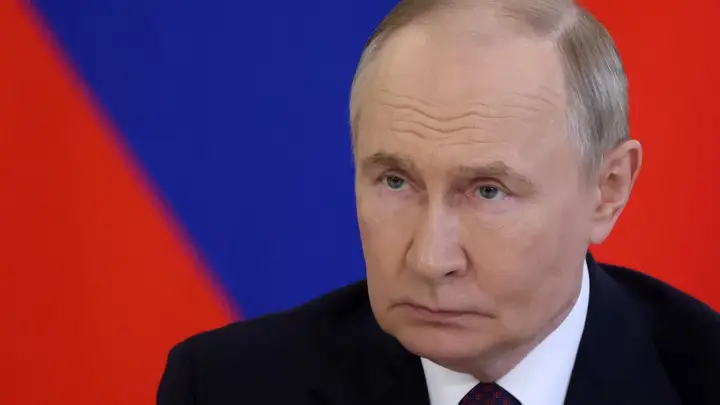
Europe warned that Russia has chosen its 'next target' and war is 'back'

Mark Rutte - the chief of NATO - has today urged his allies to advance their defence efforts in a bid to halt the Russian war against Ukraine.
Speaking in Berlin, Germany on Thursday (11 December), he described the Eastern European conflict as having the potential to be 'on the scale of war our grandparents and great-grandparents endured'.
Rutte went on to accuse a handful of other NATO members of failing to recognise the urgency of the crisis in Ukraine, as well as the extremity of the threat that comes with Russia's ongoing invasion.
As such, he called for the entire body to rally together to increase spending on defence aimed at protecting Ukraine and its citizens.
Advert
"We are Russia's next target," he claimed. "I fear that too many are quietly complacent. Too many don't feel the urgency. And too many believe that time is on our side. It is not."
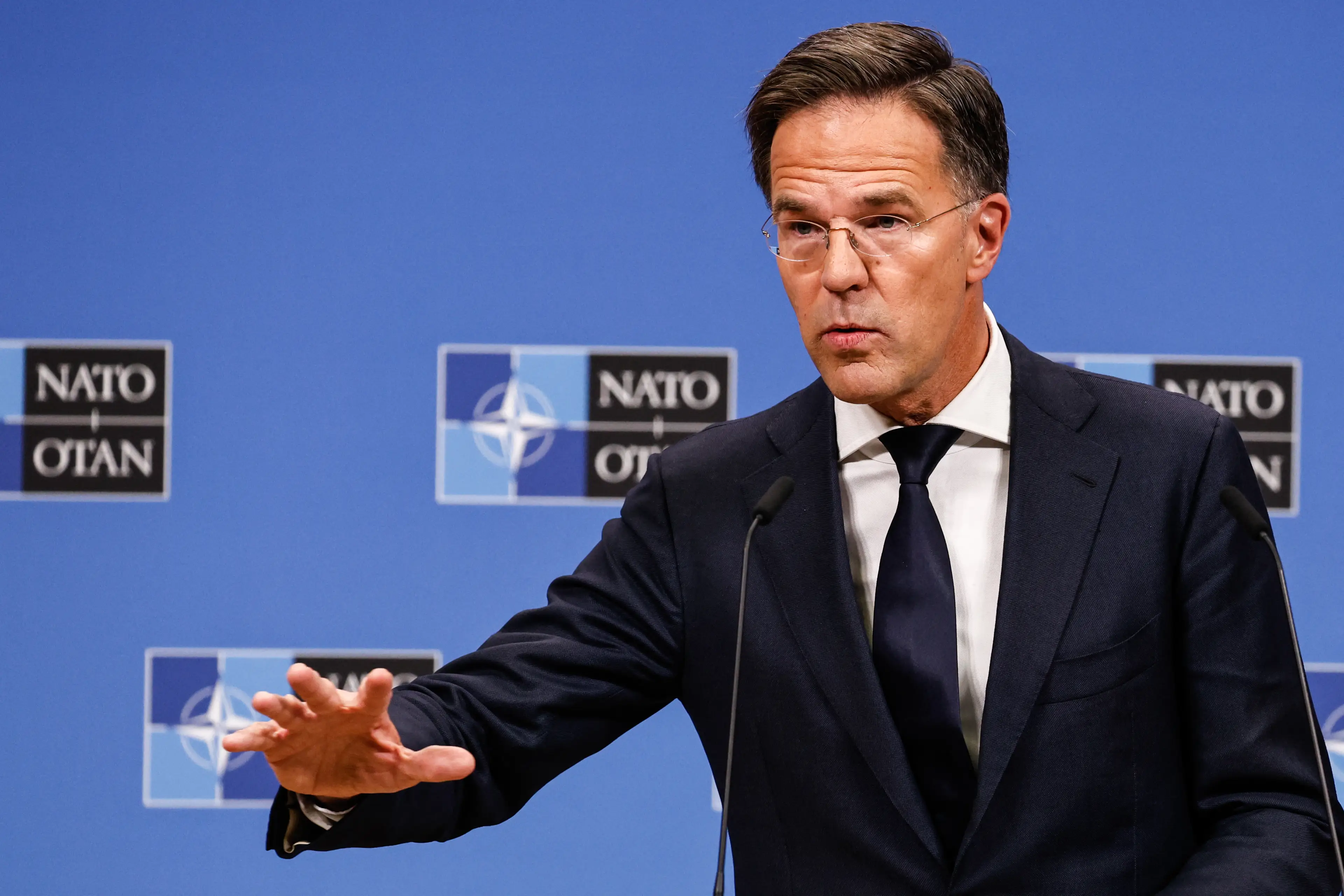
Rutte then eerily warned: "The time for action is now. Conflict is at our door. Russia has brought war back to Europe. And we must be prepared."
The chief also went on to predict that Vladimir Putin could be willing to attack countries that form part of NATO within the next five years.
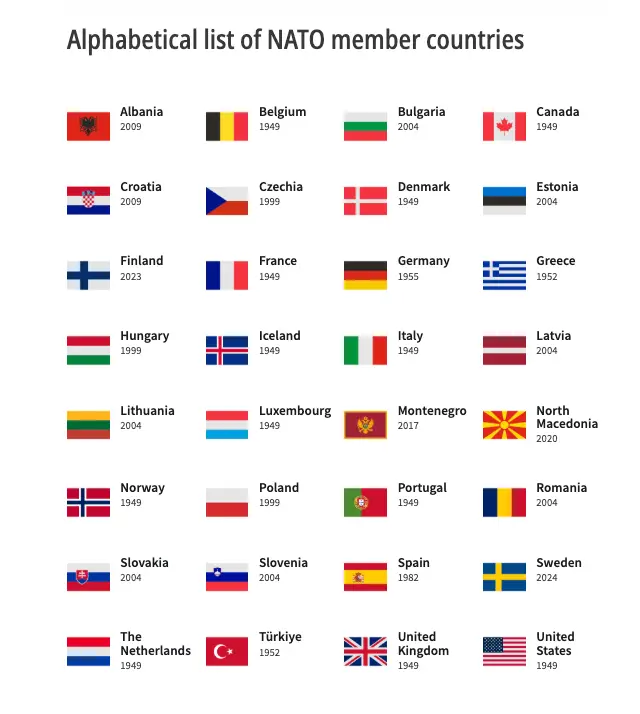
As a reminder, the 32 countries that make up NATO are Albania, Belgium, Bulgaria, Canada, Croatia, Czechia, Denmark, Estonia, Finland, France, Germany, Greece, Hungary, Iceland, Italy, Latvia, Lithuania, Luxembourg, Montenegro, Netherlands, North Macedonia, Norway, Poland, Portugal, Romania, Slovakia, Slovenia, Spain, Sweden, Turkey, the United Kingdom and the United States.
As a reminder, according to the international body itself, the alliance was formed for three reasons - the first being to disallow nationalistic militarism revival 'in Europe with a strong North American presence on the continent'.
The second was 'to encourage European political integration', whilst the third was that the group rallied together initially in response to threats having been made by Soviet Union, which Russia previously formed part of.
Rutte's latest statement comes just hours after German Chancellor Friedrich Merz told press that a proposal had been sent to US leader Donald Trump, outlining possible territorial concessions Ukraine would consider in a peace deal with Russia.
The German leader added that the doc in question had been sent to Trump after the American chatted with several European leaders. He emphasised, however, that the Ukrainian president Volodymyr Zelenskyy is able to decide which areas of his country's he's willing to surrender.
"It mainly concerns the question of what territorial concessions Ukraine is prepared to make," he explained, adding that 'the Ukrainian president and the Ukrainian people have to answer the question'.
Merz added in a joint press conference with Rutte, however, that: "It would be a mistake to force the Ukrainian president into a peace that his people will not accept after four years of suffering and death."
Topics: World News, News, Politics, Vladimir Putin, Russia, Ukraine
 Rhianna Benson