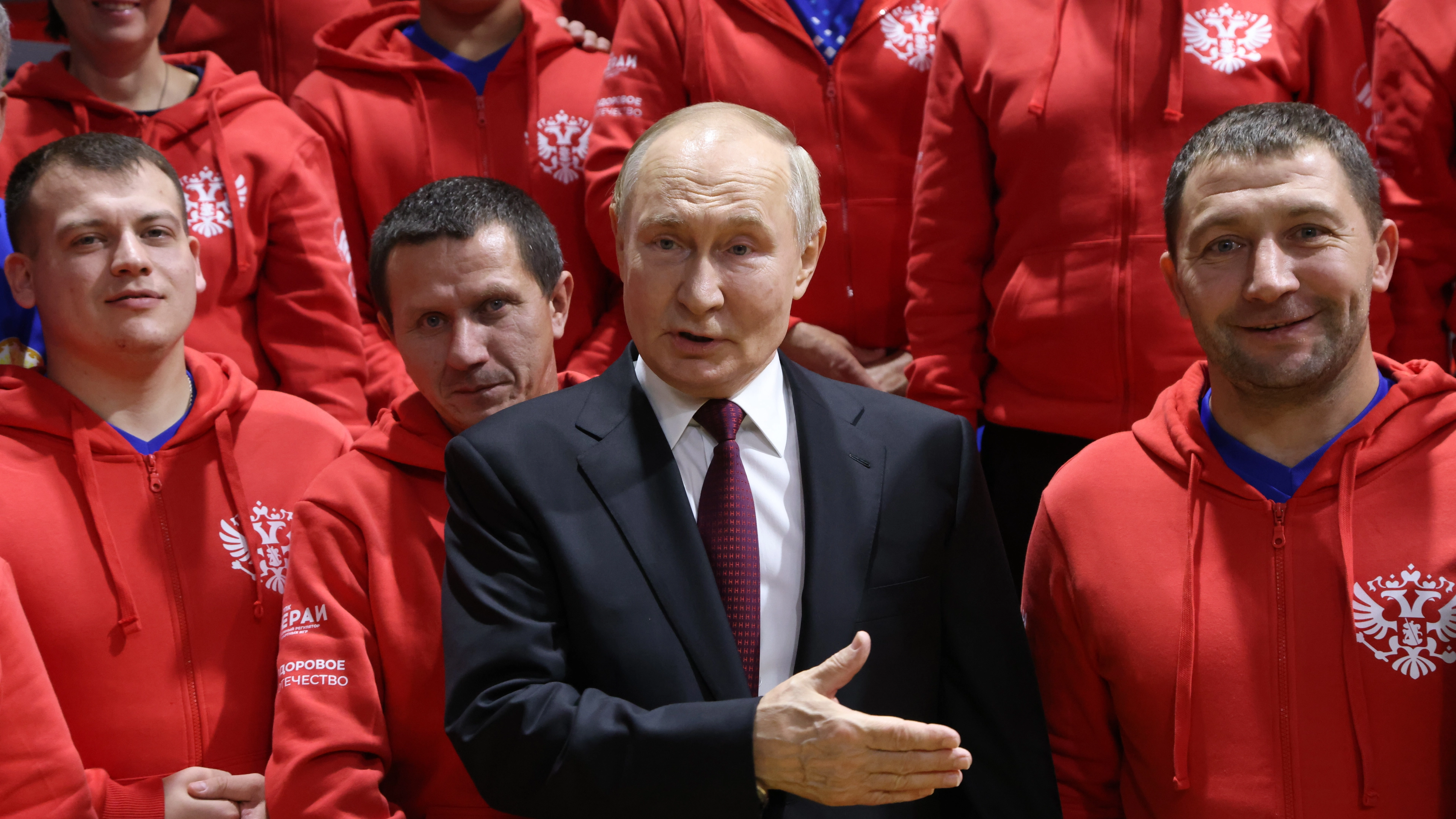
Why Russia was 'banned' from Paralympics for over a decade

For 12 long years, disabled Russian athletes have been barred from competing in the Winter Paralympic Games.
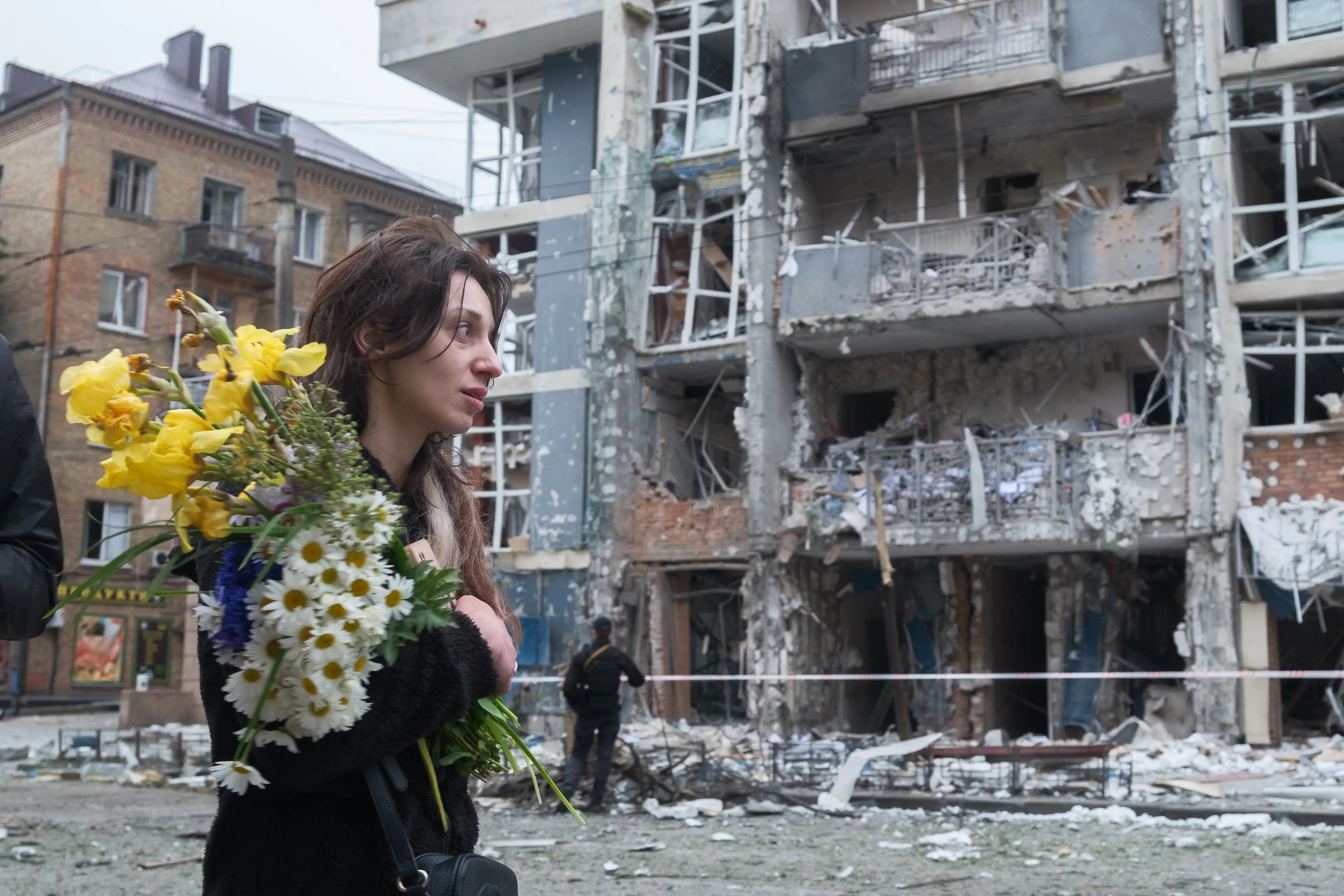
Their ban stretched back long before Vladimir Putin's invasion of Ukraine, which has itself dragged on since 2022.
No, these sporting individuals have desperately fought for the right to compete on a global scale since 2014, when the International Paralympic Committee (IPC) responded to a state-sponsored doping program and handed Russia an initial ban.
This was subsequently extended in light of Putin waging war against Ukraine.
Advert
It was also broadened to include athletes from Belarus. Organisers feared that Paralympic sport was being used to promote the military campaign. This was considered a breach of long-standing sporting rules.
In a watershed moment, however, six Russian athletes and four from Belarus will be welcomed back to the Paralympic arena this week, where they'll be granted permission to compete under their national flag.
The same couldn't be said for last month's Olympic Games in Milan-Cortina, which forced able-bodied Russian and Belarusian athletes to join the Individual Neutral Athletes (AIN).
Additionally, any gold medals won by this team weren't attributed to the home nations, but to the neutral group.
This was due to the separate sports' governing bodies deciding to maintain their bans.
Such was previously the case for Paralympic athletes, when their ban was partially lifted in 2023, allowing them to compete in Paris as 'neutrals'.
The restrictions previously placed upon this particular group were removed altogether last year, however, by the ICP.

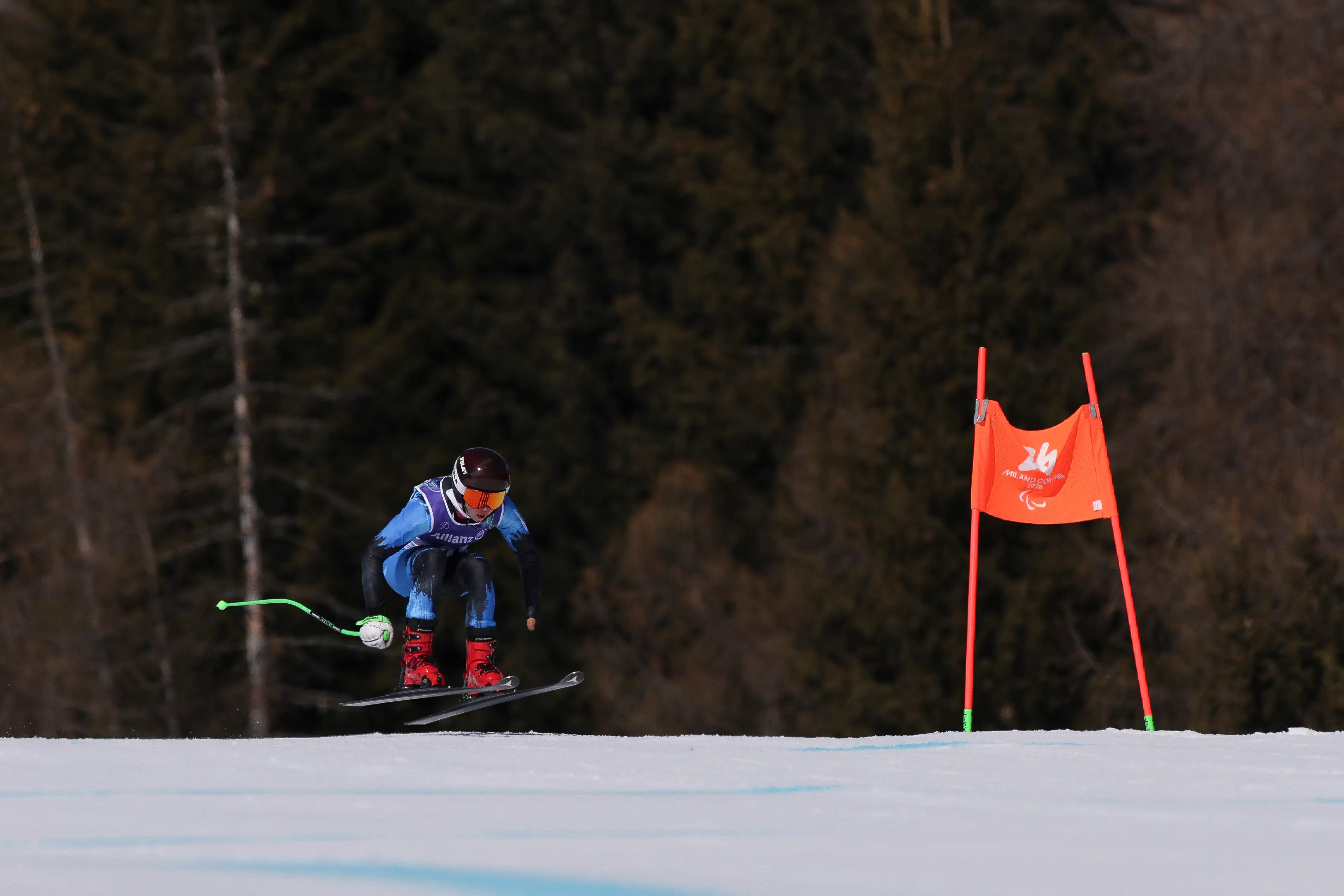
A statement breaking the news at the time read: "The IPC can confirm that NPC Russia has been awarded a total of six slots: two in Para alpine skiing (one male, one female), two in Para cross-country skiing (one male, one female), and two in Para snowboard (both male).
"NPC Belarus has been awarded four slots in total, all in cross-country skiing (one male and three female)."
The involvement of Paralympic athletes will mark the first time that Russian athletes will be flown at these games since 2014. Any gold medal won will also be the first secured on a major global stage in over a decade.
The decision to remove the 2014 ban on disabled Russian and Belarusian athletes hasn't come without controversy, however.
In fact, several Ukrainian sports stars have boycotted the long-awaited opening ceremony, which is scheduled to take place in Verona on Friday (6 Mar), alongside athletes from several other supporting nations.
The latter group includes Czechia, Estonia, Latvia, Lithuania, Poland and Finland.
Ukrainian Prime Minister, Volodymyr Zelenskyy, has since slammed the decision as 'terrible'.
"I don't want to say it's about money, because I simply don't know," he told Piers Morgan last month. "Although it is a dirty decision, absolutely unacceptable. And it is not European, not in terms of values.
"It is a terrible decision, wholly unjust."
Topics: Russia, Ukraine, World News, News, Politics, Olympics, Sport
 Rhianna Benson