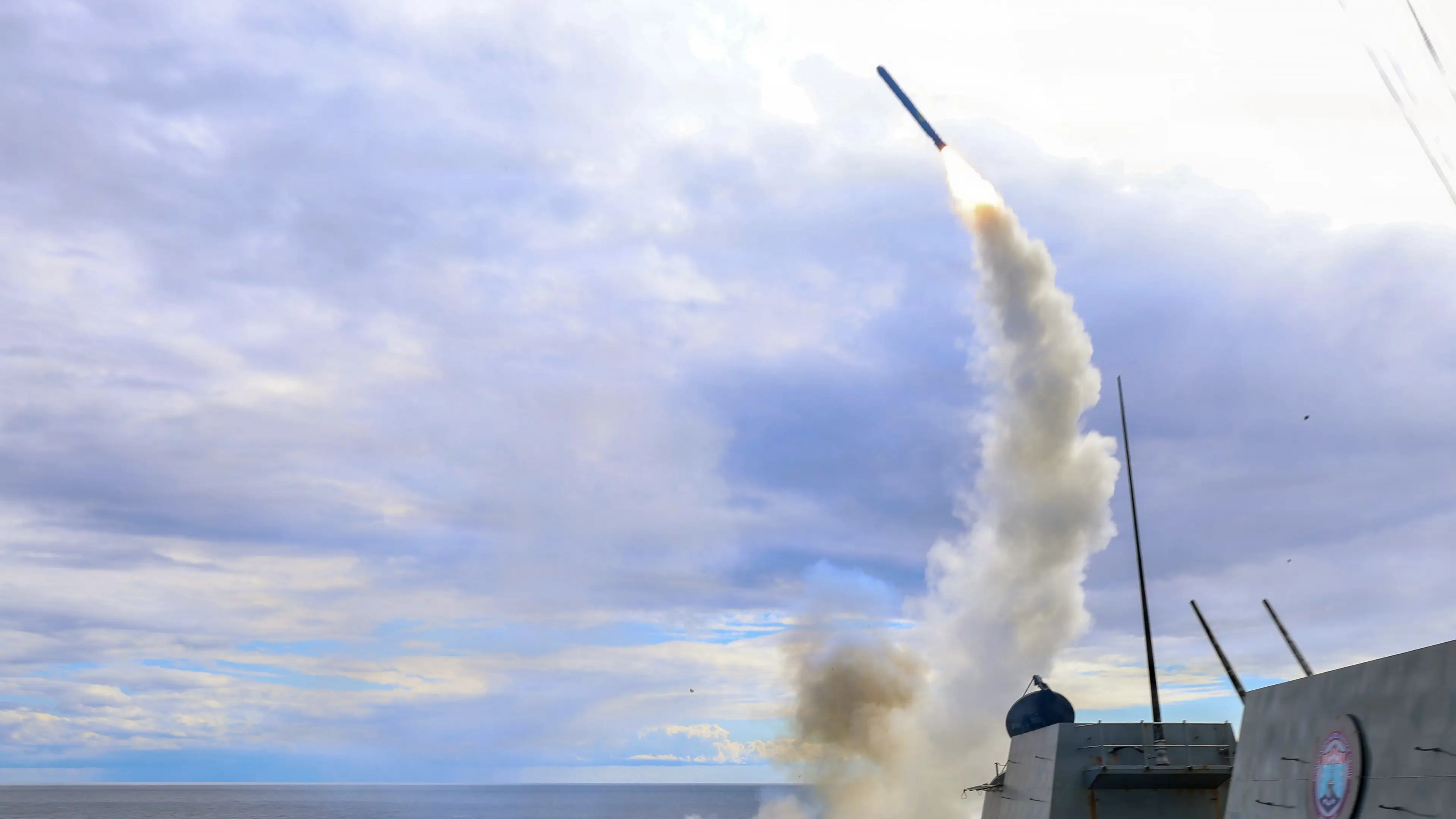
Political expert reveals likelihood of world war after airstrikes reach Europe

In light of an Iranian drone striking a British RAF base in Cyprus earlier this week, a political expert has ascertained how likely tensions in the Middle East could progress into a full-fledged Third World War.
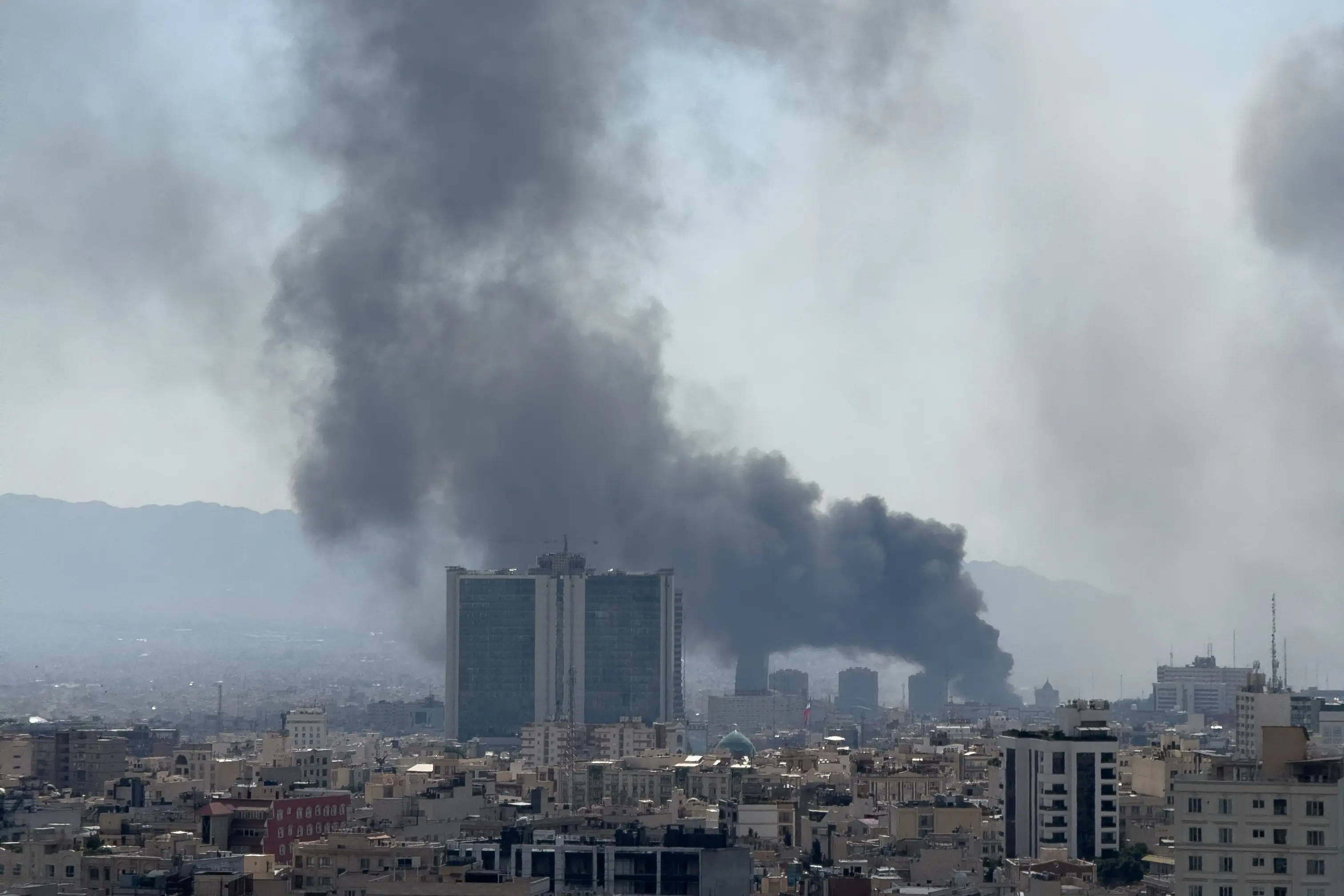
The assault formed part of Iran's response to US-Israeli missiles wreaking devastation across the country's capital over the weekend.
American President Donald Trump and Israeli leader Benjamin Netanyahu made the first move on Saturday (28 Feb), claiming a drone attack that killed Iranian Supreme Leader, Ayatollah Ali Khamenei, was intended to put an end to the Iranian government's increasingly totalitarian regime against its people.
The pair also admitted they hoped the strike would make sure 'that Iran does not obtain a nuclear weapon'.
Advert
New Iranian leaders responded by firing weapons of their own at Bahrain, Kuwait, Qatar, the United Arab Emirates, Jordan and on Monday, Cyprus.
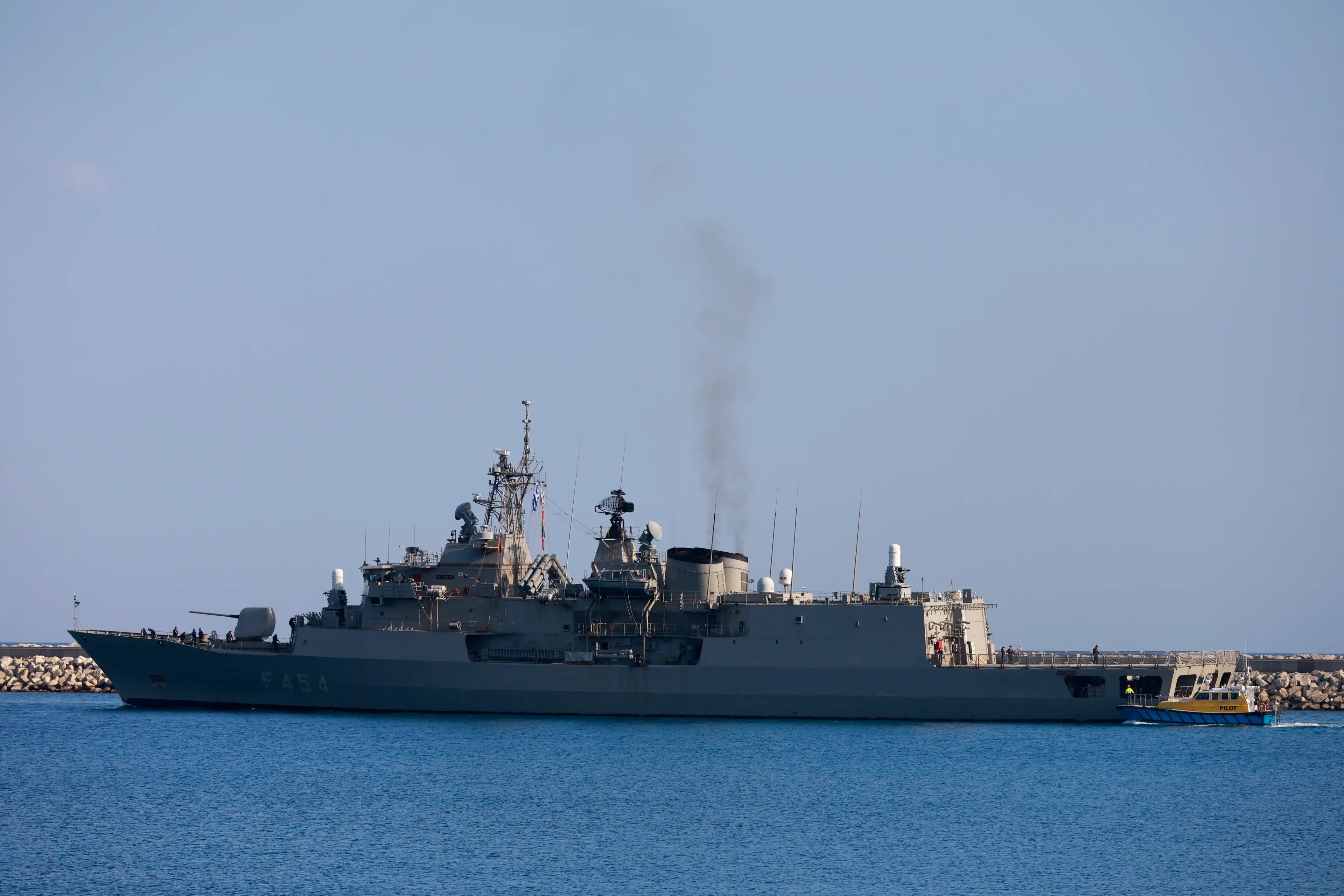
The latter attack on a European nation was aimed at destroying a British RAF base on the island, after the UK's Prime Minister, Sir Keir Starmer, agreed to allow American troops to use British facilities.
The PM subsequently announced plans to send four more Typhoon fighter jets and Wildcat helicopters with anti-drone capabilities to the region, sparking concern amongst Brits and further European citizens on the prospect of WW3.
According to European Politics and Foreign Affairs Professor Anand Menon, however, it doesn't look likely that the crisis will reach the extent of roping in any further European allies as of yet.
"NATO won’t get involved in this conflict," the King's College London professor told Tyla.
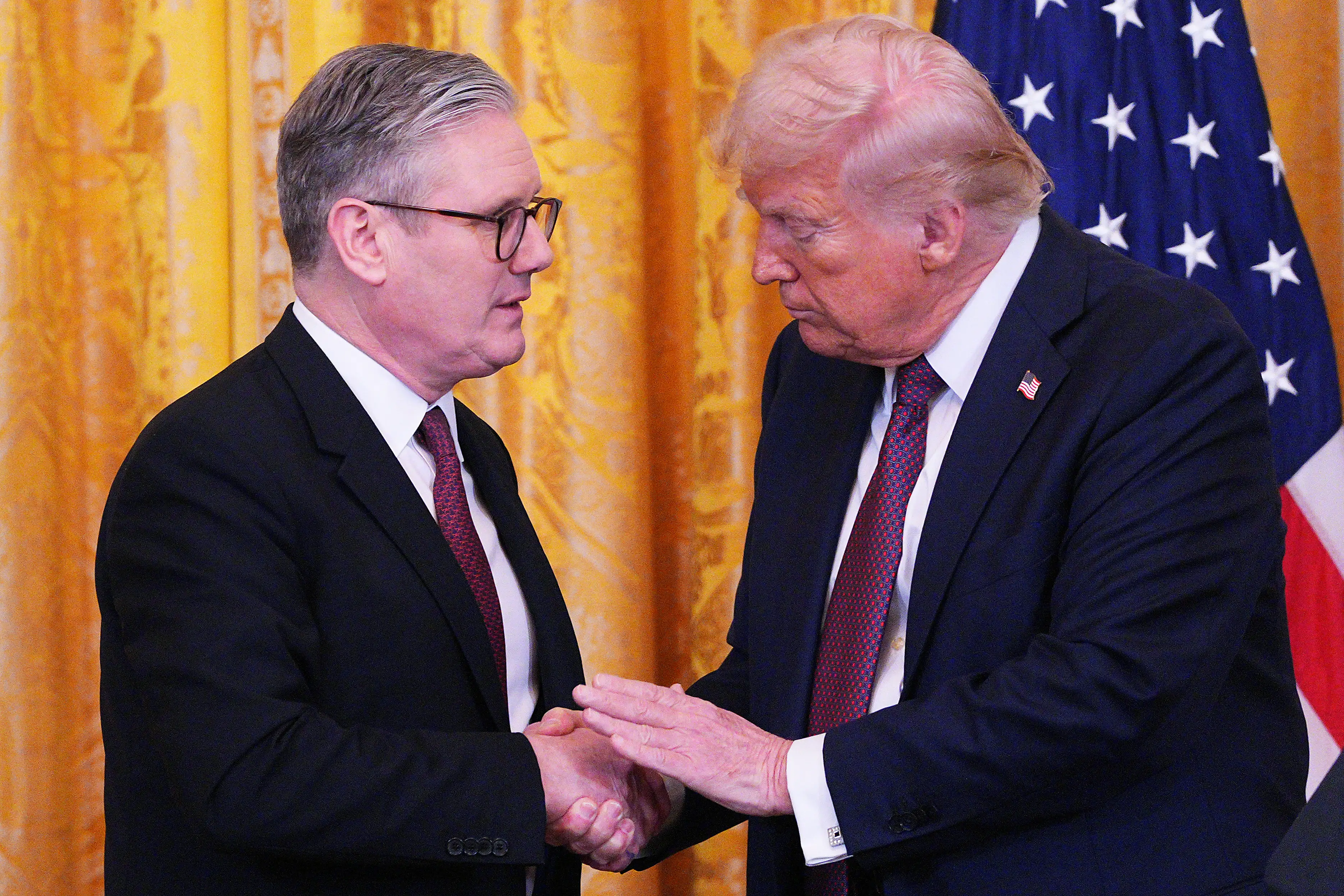
"The big question, I think, is if Trump continues to act like this, to threaten Europeans and to start wars, whether it makes European really believe the US can’t be trusted and so hasten their attempts to increase their military and security autonomy."
Whilst he can envisage conflict escalating to a broader regional war, he doesn't see it involving the majority of world leaders anytime soon.
"I doubt European play much of a role militarily," Memon told Tyla. "And their diplomatic leverage over the US and Israel is virtually zero."
He added, however: "I think they will be involved in reconstruction - depending on what happens in Iran and who is in charge when this is all over."
In terms of the foreseeable impact that missile exchanges will have on the wider world, Menon predicted: "It'll affect European interests in security terms - you see that with Cyprus and British allies in the Gulf being affected.
"On the economy, it depends on what happens not only to shipping, but to oil production. There is a real danger it contributes to raising inflation, which will be politically a nightmare."
Dr Patrick Bury, a former British Army captain and Nato analyst, agrees with Menon that the ultimate trigger to involve European leaders would be if military officers from one of these nations are targeted.
"The biggest risk is if there’s some UK casualties, and what does that do to the public appetite and the political decision-making?" he told Metro.
"The major risk for the UK is if one of their bases get attacked, they share a lot of the bases with the Americans over there."
Topics: Politics, Donald Trump, World News, News, Iran, Israel, UK News, US News, Europe
 Rhianna Benson