How to make your weekly shop last longer as millions face food shortages

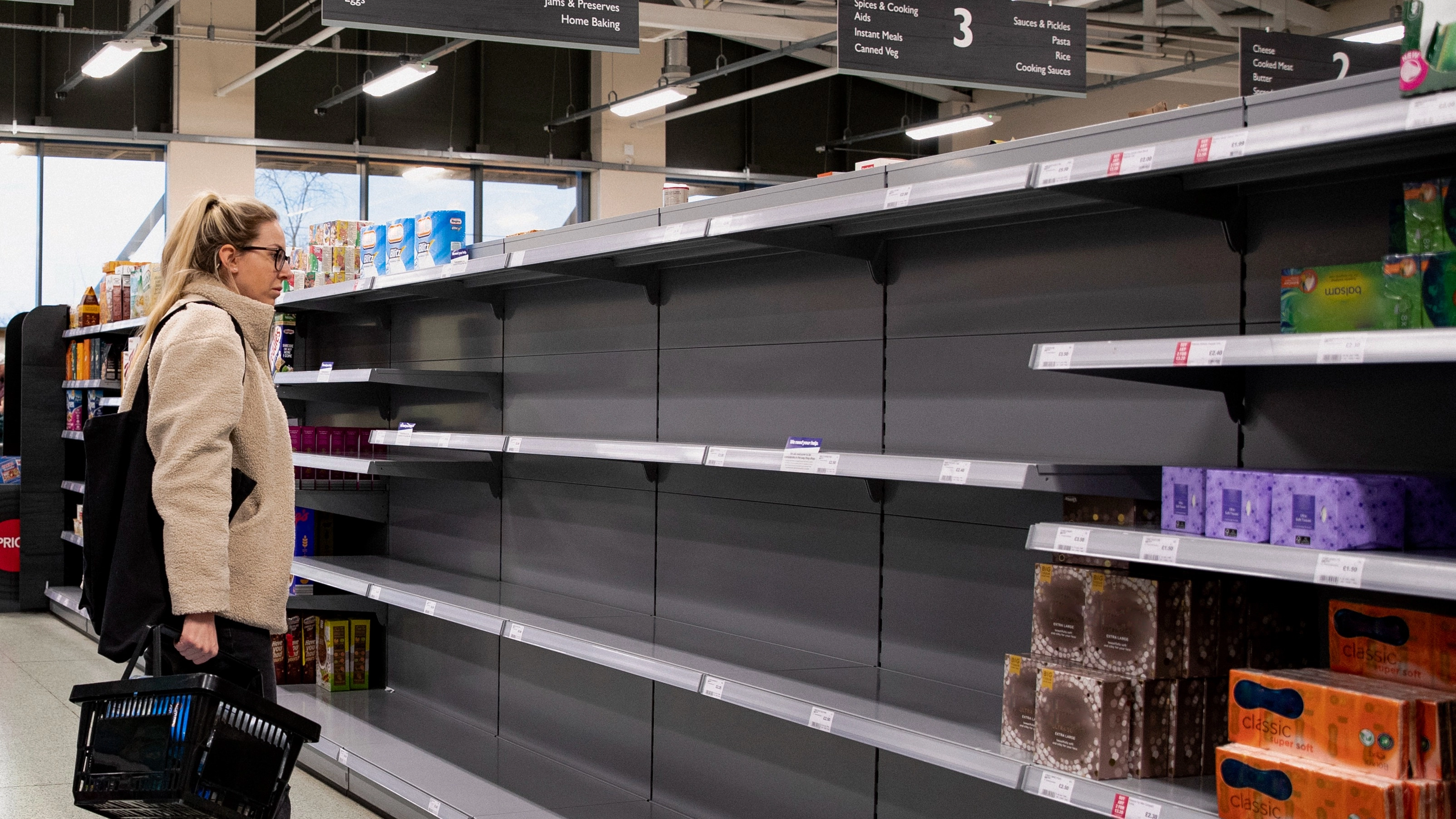
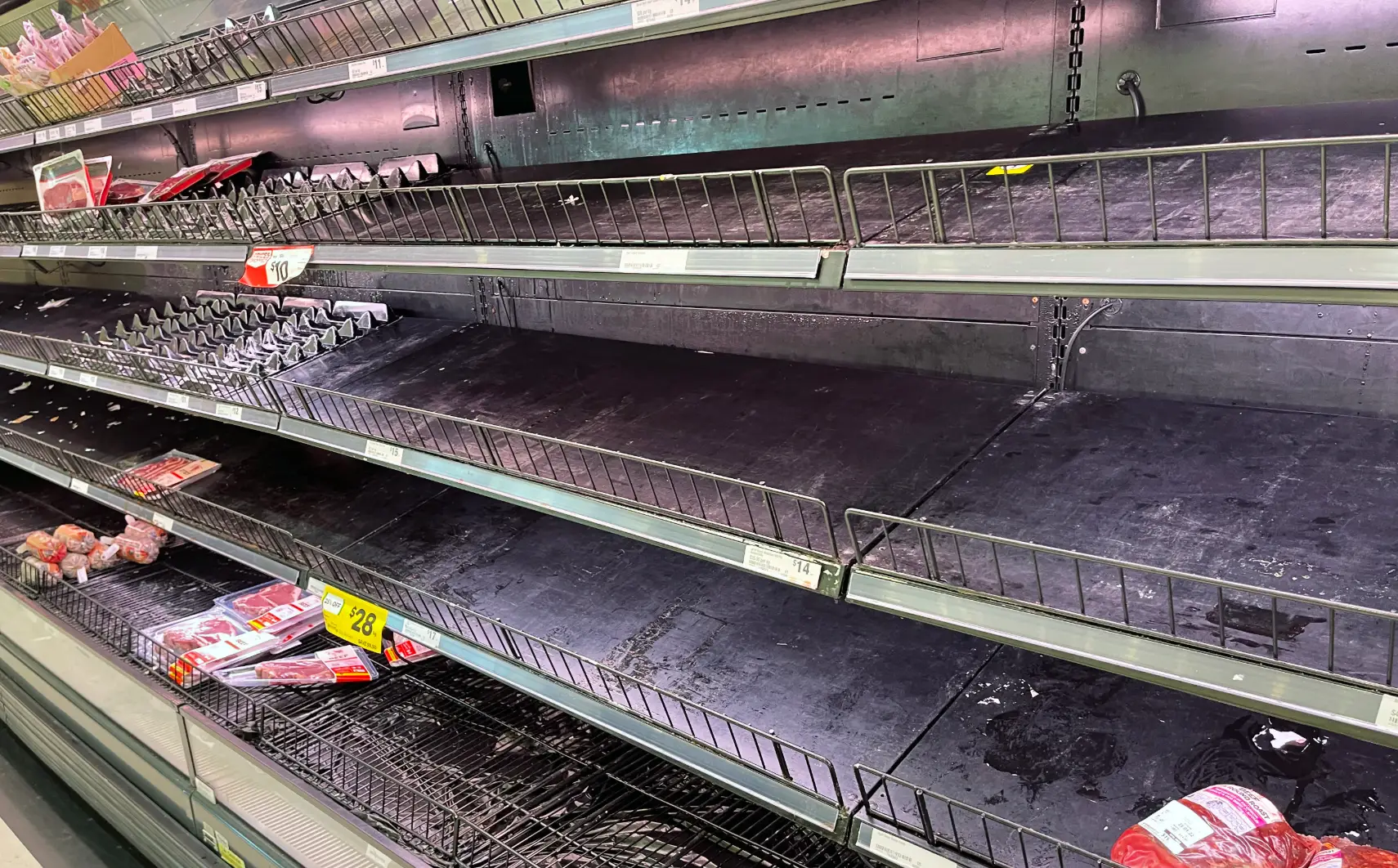
Brits are frantically looking for ways to make their weekly shops last longer in the face of potential food shortages caused by the Iran war.
A government document leaked earlier this week warned that supplies of key supermarket goods could run alarmingly low over the summer in light of the conflict that began in February.
According to The Independent, the potential closure of the crucial Strait of Hormuz shipping route was cited as a major risk factor, along with the prospect of possible carbon dioxide shortages.
The filing - codenamed 'Exercise Turnstone' and run by Sir Keir Starmer's emergency committee, Cobra - also called for contingency plans to be pulled together by officials, for a 'reasonable worst-case scenario' regarding shortages.
Advert

The predicament in question was based on the prospect of the imperative waterway remaining closed as a result of Iran and the US-Israeli side failing to strike a deal.
The document discussed the threat of an 18 per cent fall in CO2 levels, based on a key UK plant suffering a mechanical error, as well as high gas costs causing a decrease in ammonia and fertiliser production throughout Europe.
In this event, the farming and hospitality industries were predicted to take a beating, given that CO2 is involved in pig and chicken slaughtering, as well as prolonging the shelf life of vegetables, packaged meats and more.
Breweries and fizzy drink manufacturers could also be impacted, resulting in concerns ahead of the June commencement of the FIFA World Cup.

Despite a government spokesperson confirming that such scenarios are 'a planning tool used by experts and are not a prediction of future events', it hasn't stopped Brits from feeling concerned over shortages.
According to WebMD, doing so could be as simple as refraining from eight common mistakes.
1) Stop storing your meat on the top shelf
You may feel tempted to store your uncooked meat on the highest shelf of your fridge to stop it from touching other produce, but cross-contamination could still occur as a result of juices dripping down. Containing blood and fluids, this juice can contaminate in-date items with harmful bacteria.
Instead, store your uncooked meats on the bottom shelf, far away from cooked foods and raw items.
2) Stop storing your food without a cover
We've probably all thrown a leftover cooked chicken breast or some leftover rice in the fridge after making too much, with plans to finish it off tomorrow.
But failing to cover these items with a lid or cling film could result in cross-contamination, resulting in you needing to throw away damaged produce.
On top of that, uncovered food dries super quickly, which can tempt you to throw it out on a separate note.
3) Stop forgetting about your leftovers
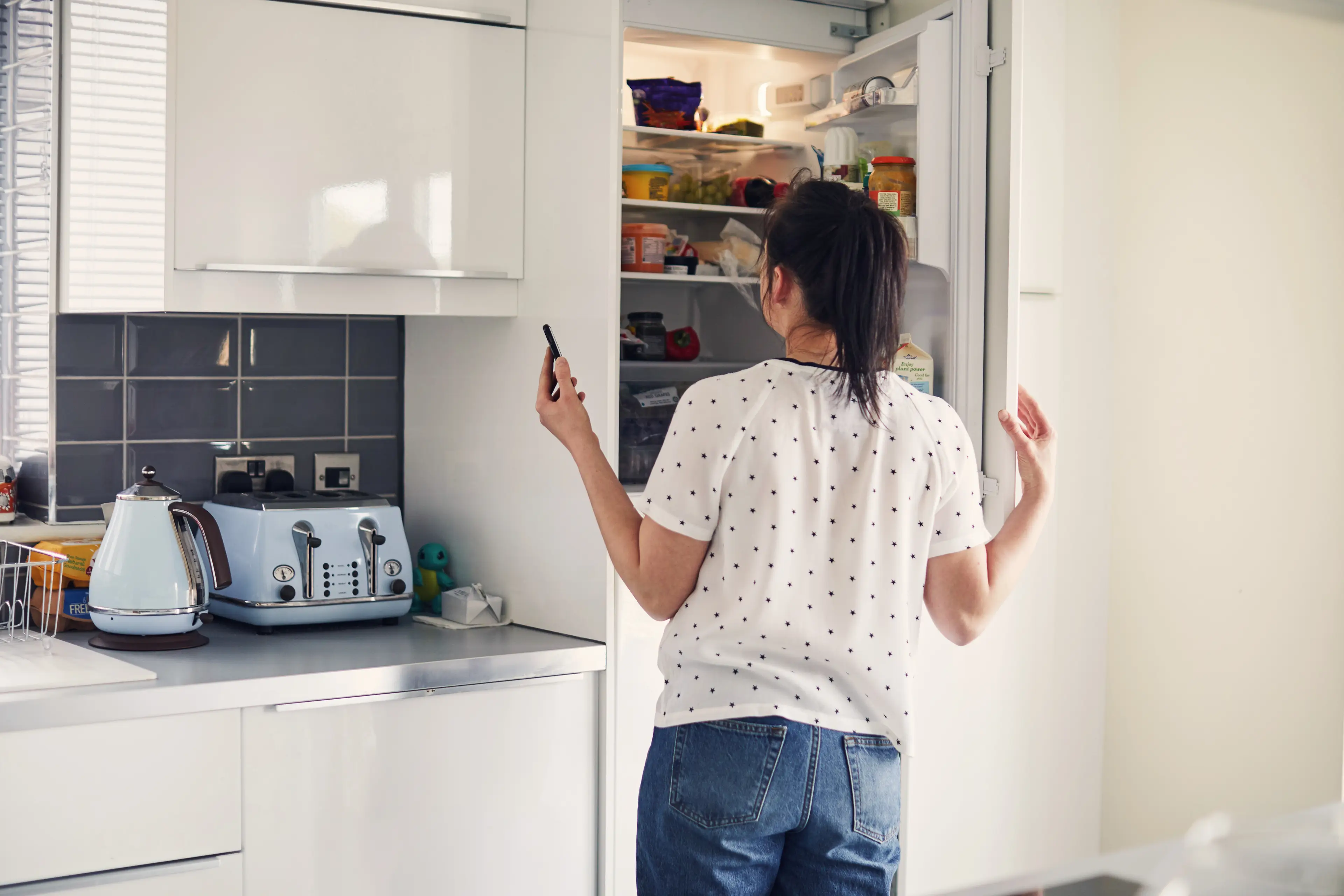
Speaking of leftovers, it's important not to forget about them, as they can make food shops last a whole lot longer. Why whip up a new meal every night when you accidentally made double the night before?
That said, don't consume your leftovers after 3-4 days in the fridge, as bacteria may have started growing on them, with the potential of making you sick.
4) Stop keeping your potatoes within the vicinity of onions and apples
Though they're all pantry products, potatoes should be specifically distanced from the likes of apples and onions, both of which release ethylene gas with the potential to make your potatoes start sprouting before you're even ready to eat them.
5) Stop refrigerating wet fruit and veg
It's important to wash any fresh fruit and vegetables before eating them so as to remove any pesticides or creepy crawlies hidden inside.
It's putting these healthy nibbles back in the fridge when they're still wet that poses an issue, however, being that this can cause bacteria to grow, which may result in you needing to throw them out before you've had a chance to polish them off.
Only wash the whole item/punnet if you know you're going to eat them in one sitting.
6) Stop using the wrong storage containers
They might come in handy after a takeaway, but cardboard and styrofoam containers aren’t airtight, possibly resulting in stale food.
This doesn't just apply to the fridge - dry food kept in a pantry can absorb moisture if its original container has been opened/
Use plastic, glass or metal containers with tight lids to ensure food lasts longer.
7) Stop storing your food at the wrong temperature
So as to stop food spoiling before you've had a chance to eat it, it's vital to keep produce stored at the appropriate temperature.
A refrigerator must be set around 40 degrees Fahrenheit or lower to keep food fresh, while a pantry should reach an absolute max of 75 degrees Fahrenheit. Also, it's best to keep your pantry far away from appliances that can cause a temperature fluctuation, like the oven, stove, fridge, or hot water pipes.
8) Stop incorrectly storing your cans
Sure, they have a famously high shelf life, but if a tin can reaches a temperature of over 100 degrees Fahrenheit, it can cause the food inside to rapidly spoil, as well as lose its vital nutrients.
In many cases, cans are also victims of abandonment, so it's important to consume everything you buy in the face of a shortage.
Topics: Iran, UK News, Politics, Food and Drink
 Rhianna Benson