How Donald Trump's latest tariffs could affect you

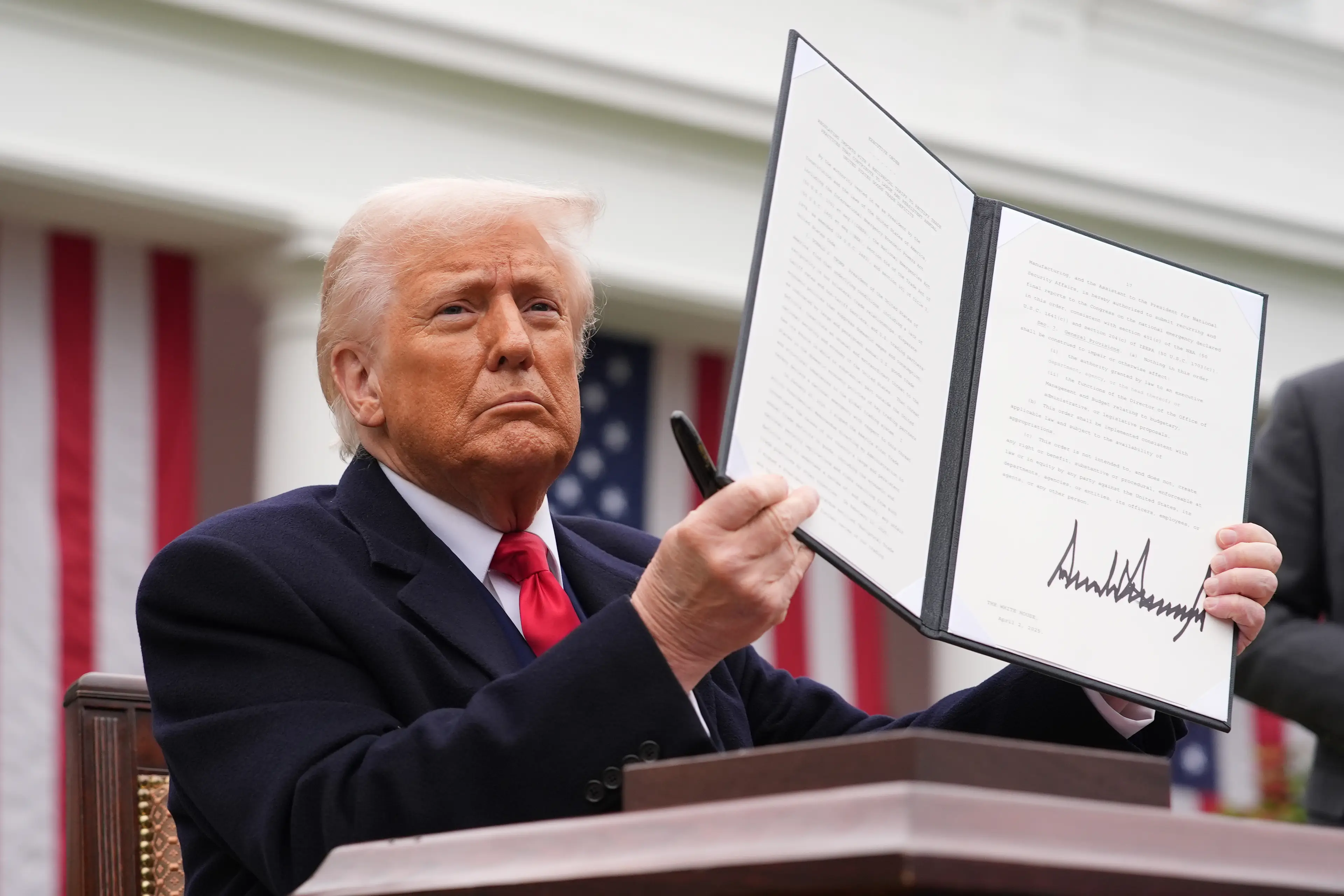
Brits have raised vital concerns this week, after Donald Trump slapped the UK with a staggering new series of tariffs following Sir Keir Starmer's opposition to his Greenland 'takeover'.
The US leader announced his taxation plans on Saturday (17 January), after a group of his NATO allies publicly condemned his supposed plans of attaining the self-governing territory, which is situated within the Kingdom of Denmark.
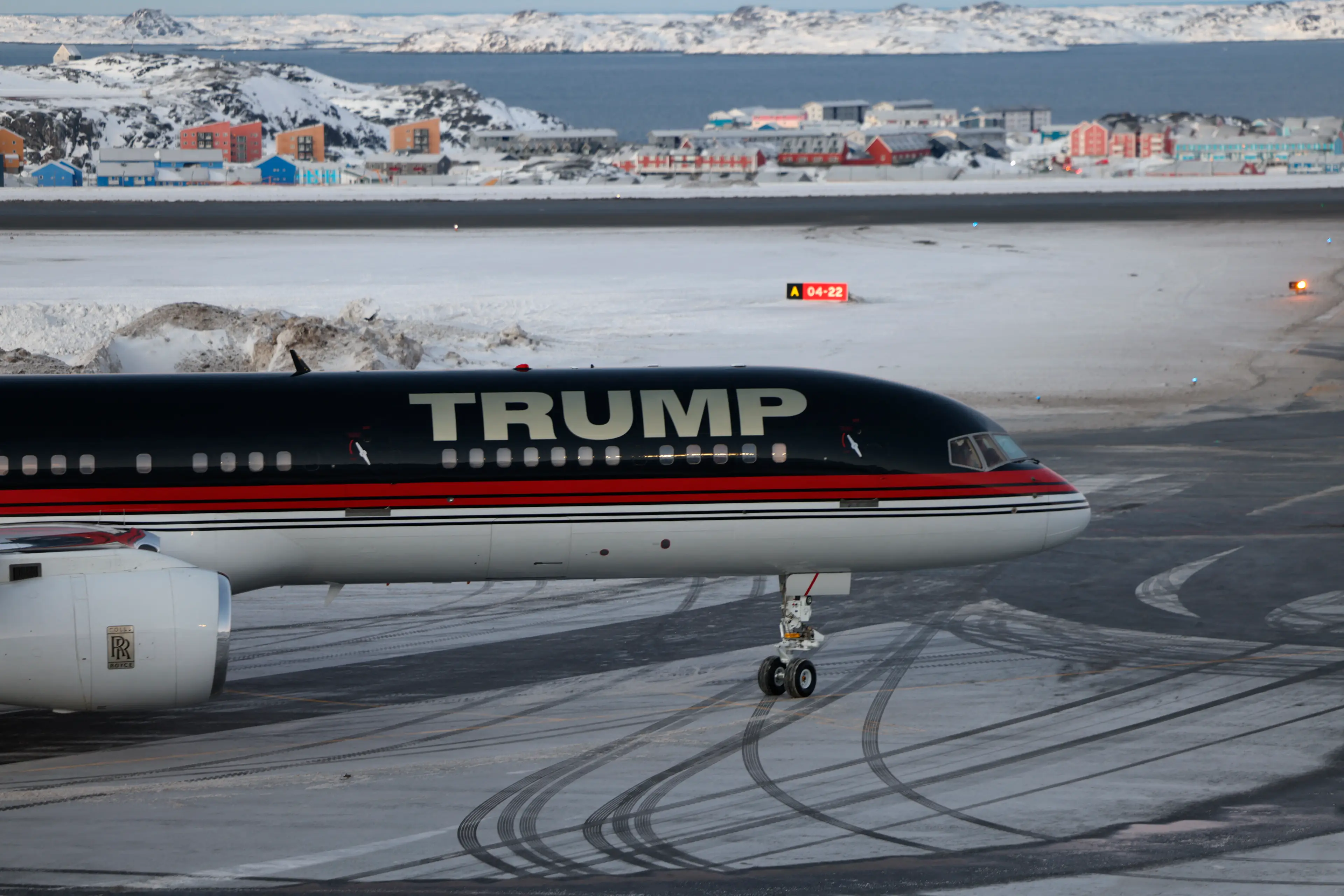
Since returning to the White House for his second term last January, Trump has ceaselessly claimed America 'needs' Greenland for 'national security' purposes - though, experts are convinced that the country's vast mineral wealth may also have a part to play in his plan.
After refusing to rule out military intervention, more recently, the 79-year-old's administration claimed it was 'actively' discussing a potential offer to buy the Arctic space.
Advert
NATO's latest response to Trump's threat
Despite this, both Greenland and Denmark's leaders - as well as the two countries' residents - have slammed Trump's plans as 'fantasy', insisting the land is not for sale.
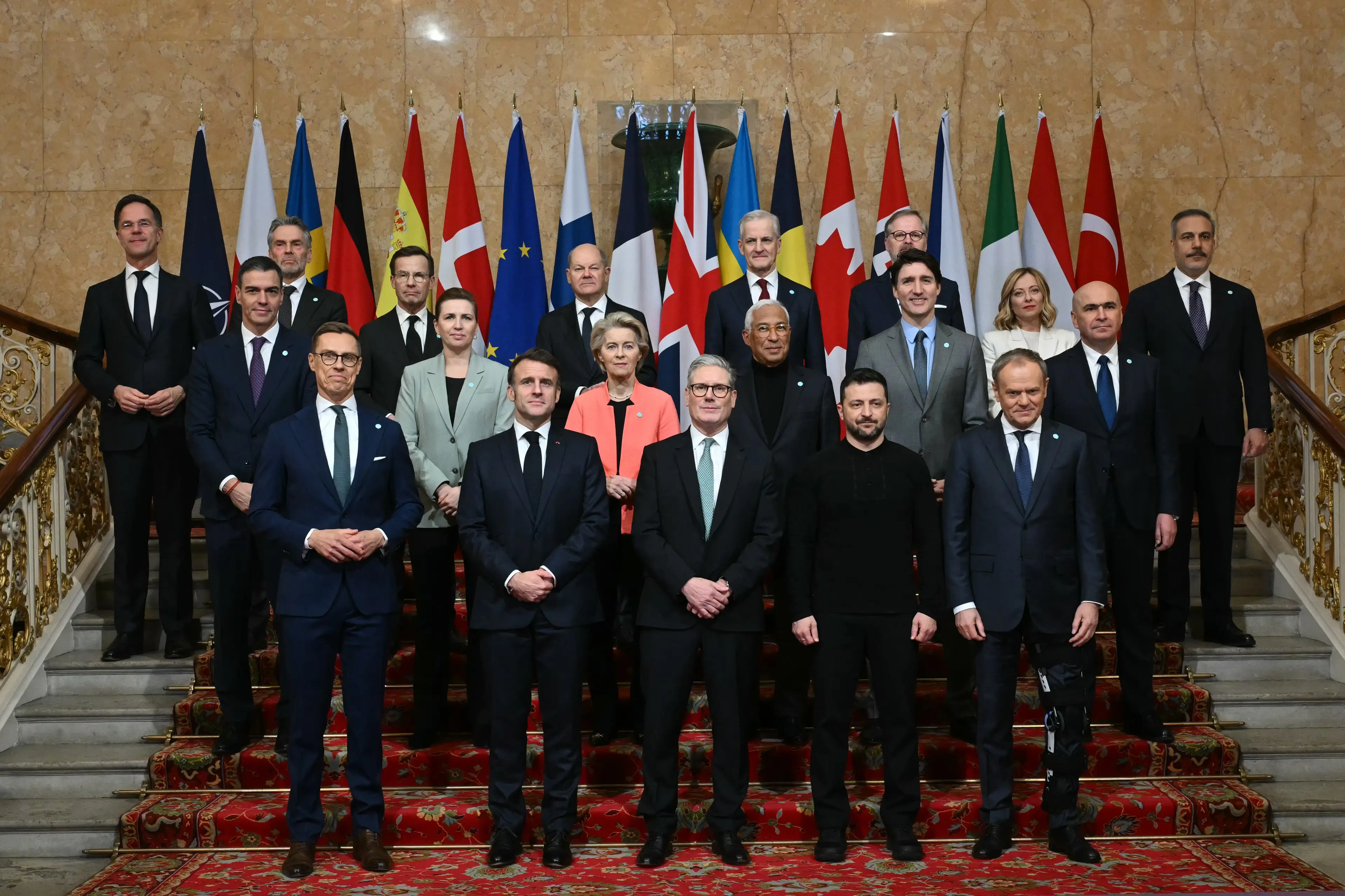
Denmark's numerous NATO allies have also condemned Trump's plan several times, vowing earlier this month they'd step up if needed.
"The Kingdom of Denmark – including Greenland – is part of NATO," the UK, France, Germany, Italy, Poland, Spain and Denmark said in a joint statement released at the beginning of January.
"Security in the Arctic must therefore be achieved collectively, in conjunction with NATO allies, including the United States, by upholding the principles of the UN Charter, including sovereignty, territorial integrity and the inviolability of borders.
"These are universal principles, and we will not stop defending them. The United States is an essential partner in this endeavour, as a NATO ally and through the defence agreement between the Kingdom of Denmark and the United States of 1951."
What tariffs will Trump implement?
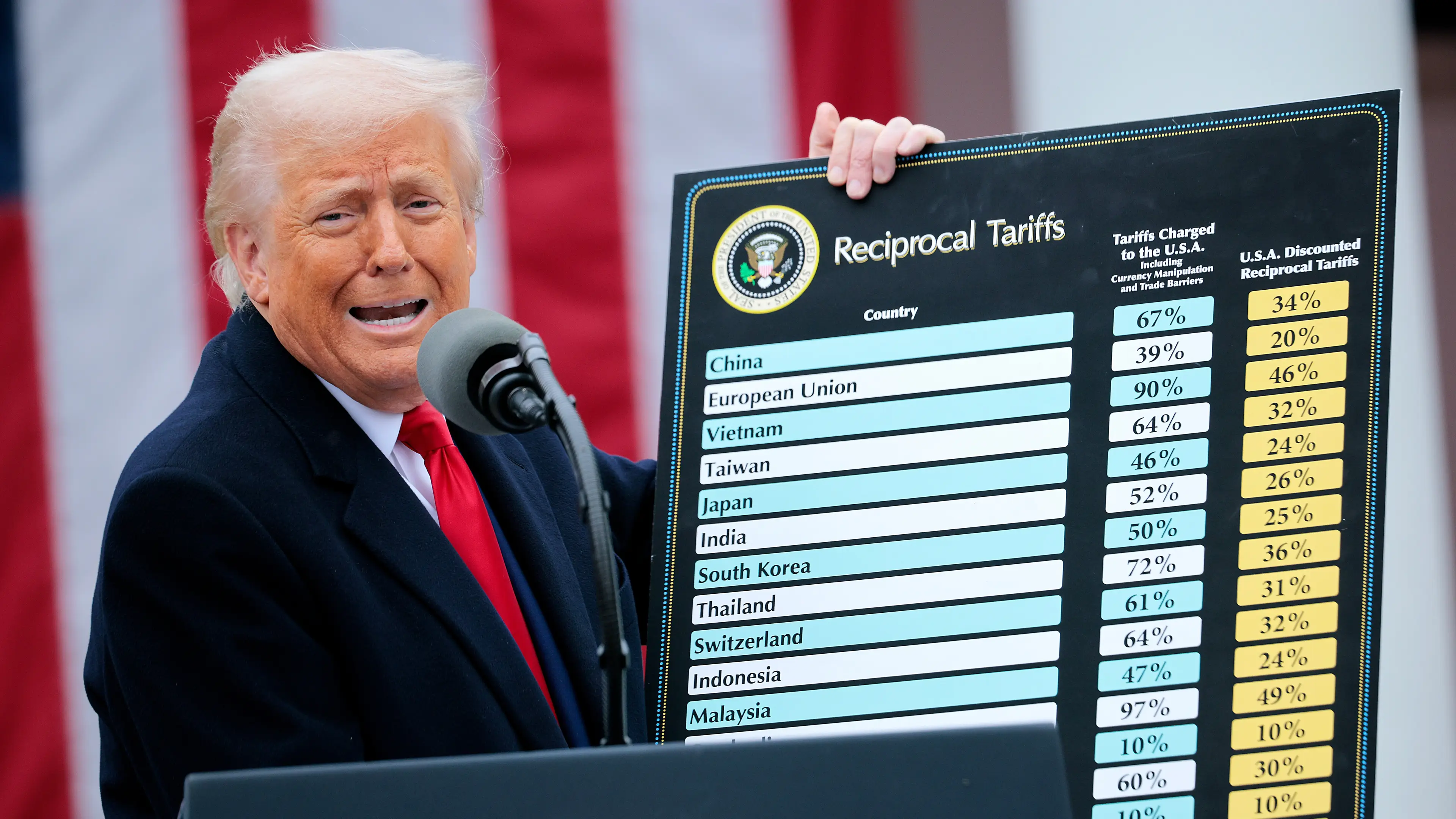
In light of this promise, this weekend Trump vowed to impose staggering 10 percent tariffs on Norway, Denmark, Sweden, France, Germany, the Netherlands, Finland and the UK by 1 February.
A 'tariff' is essentially a type of tax implemented by the government of one country that applies to products that are brought in from another. Companies responsible for importing goods make these payments.
Claiming 'world peace is at stake' in the face of 'China and Russia' potentially taking Greenland for themselves, the Republican also vowed to increase these charges to 25 percent on 1 June 'until such a time as a deal is reached'.
How will these affect the UK?
According to foreign exchange analyst at Caxton David Stritch, Trump's taxation threat could have disastrous consequences for the British economy, given that the US is easily our most important trader in terms of volume.
In fact, it counts for as much as 18 percent of the UK's trade altogether.

Stritch told Metro any tax would have a huge impact, especially given that the country's cost of living crisis is only just easing up after several years of increased poverty rates.
Using the UK's automotive sector as an example, given that Brits ship out as much as £60 billion worth of goods, if they 'suddenly become much more expensive for US consumers', 'this could have a significant impact on our economy'.
What does this mean for the average Brit?
When it comes to how these taxes will affect the average Brit, a retail analyst predicted the turmoil would trickle down from traders above.
"When US tariffs increase costs for manufacturers selling into America, those suppliers often look to protect margins by adjusting pricing across other markets, including the UK," Omnisend retail analyst Marty Baeur said.
This is because retailers - especially in fashion, electronics and homeware, where Baeur says 'global pricing strategies are common' - will need to make money somehow, which would see the cost of items in UK shops suddenly surge.
We'll likely see fewer promotions being advertised online and in-store.
Financial journalist Rosie Murray-West also believes Trump's tax plans, if implemented, could trigger job losses across the country as businesses fight against the tide to stay afloat.
"Another period of uncertainty and higher prices for UK companies could be the final straw for many, and a huge loss of income for their employee," she continued, also predicting the return of high inflation and interest rates.
This essentially means your pound won't go as far as it once did.

"If more tariff threats cause price rises, rates will stay higher for longer and consumers will pay more," Murray-West continued. "Those with more in savings may benefit from a higher rate on their cash, though if inflation is higher, their money will be worth less over time."
Anyone who has invested money might also see stock market value drop, with the expert citing the FTSE 100, for example, which 'was down 0.6 percent' just two days after Trump issued his threat.
Thankfully, Murray-West doesn't believe UK residents have any real reason to panic - yet.
"As we saw last year, Trump’s threats are rarely the final word, more a starting point for negotiation," she continued.
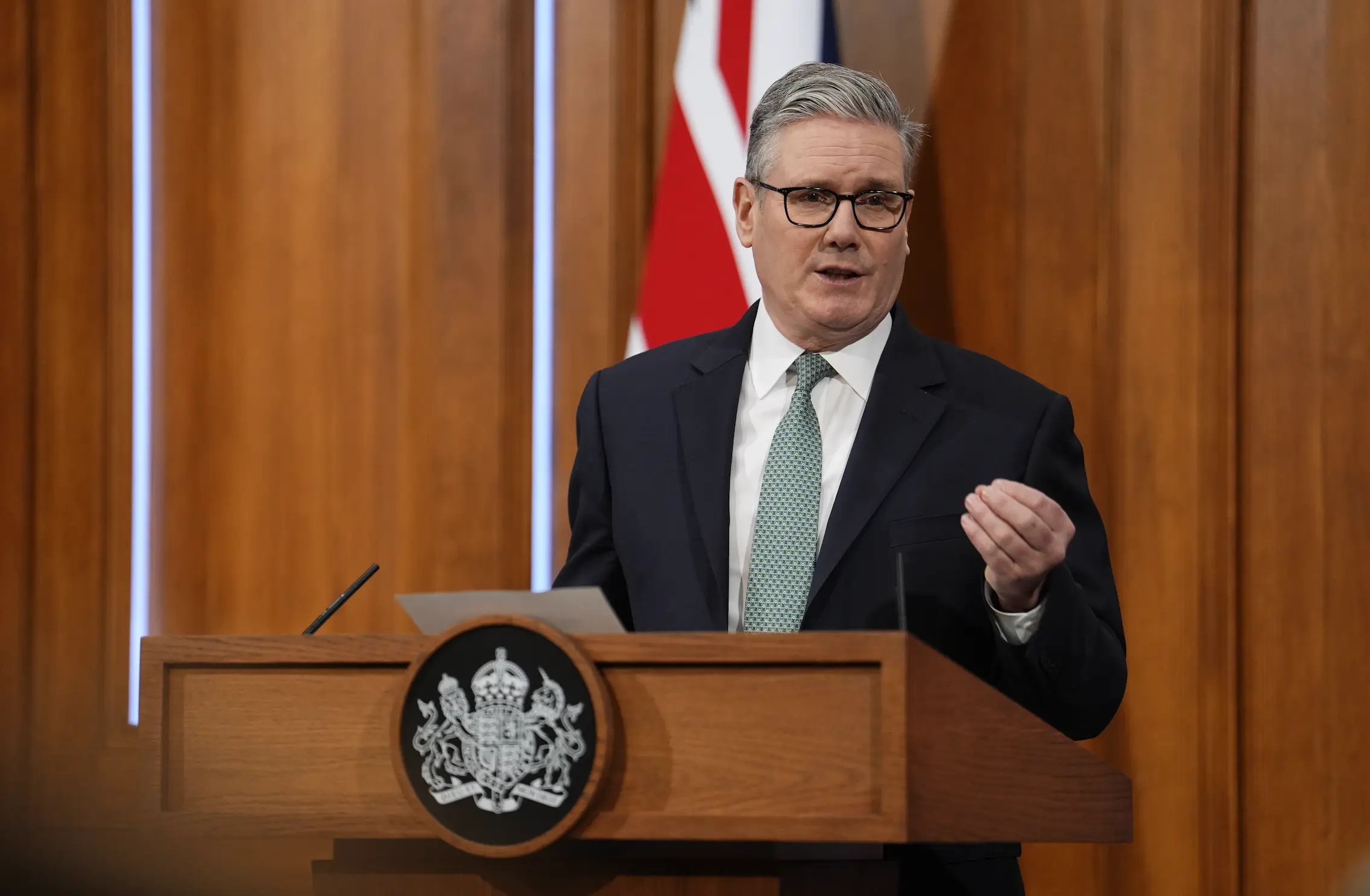
A similar sentiment was issued by Starmer during a Downing Street press conference on Monday, during which he slammed Trump's tariff threat as 'completely wrong'.
What does Sir Keir Starmer reckon?
"In today’s world, geopolitics is not something that happens somewhere else," the Labour leader said. "It shapes the cost of energy, the price of food, the security of jobs and the stability that families rely on to plan their lives.
"When war drives up food prices, it’s households who feel it first. When supply chains fracture, it’s small businesses and working people who absorb the shock. When instability grows, it is rarely those with the most power who pay the price."
Starmer went on to state that trade wars are 'in no one's interest', and that threats are 'not the right way to resolve differences within an alliance'.
He also insisted he won't 'abandon principle' going forward in his relationship with the US, adding that whilst Britain is a pragmatic nation, 'being pragmatic does not mean being passive'.
Topics: Donald Trump, News, Politics, UK News, US News, World News, Tariffs, Europe
 Rhianna Benson