What would happen if Trump tried to take Greenland

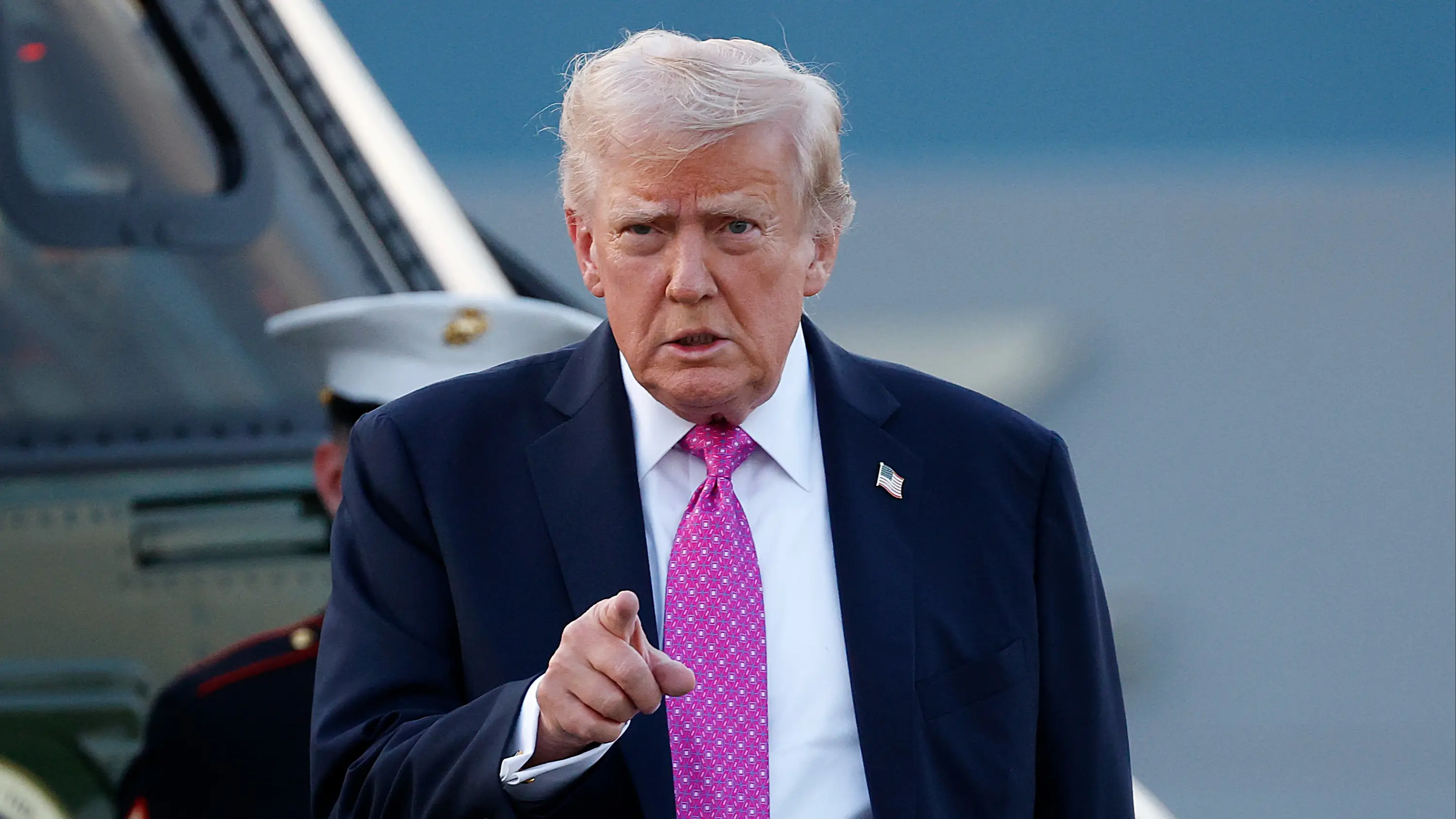
For some time now, Donald Trump has discussed his plans to 'take over' Greenland, claiming that his administration 'needs' the self-governing territory.
The 79-year-old Republican expressed interest in the region back in March, sending Vice President JD Vance overseas to check out a naval base situated there.
Trump later claimed he wouldn't rule out using force to take over the area.
And since the Trump administration’s military operation in South America on Saturday (3 January) and the capture of Venezuela's president Nicolás Maduro on suspicion of narco-terrorism charges, global anxieties have been sparked about what else the US could do next.
Advert
Among those who are worried reportedly includes the Danish territory, but what would actually happen if Trump tried to take Greenland?
The US would be threatening an ally’s territory
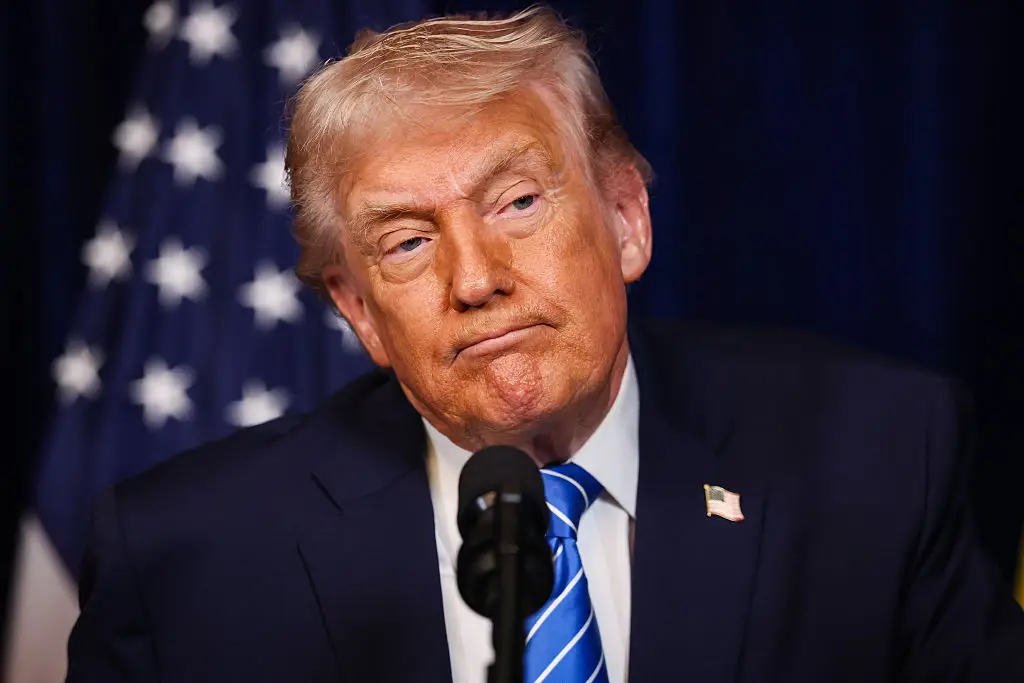
Greenland belongs to Denmark, which makes it part of the NATO security area.
If Trump tried to take it, the US would be acting against a fellow NATO member, and that alone would put the alliance into uncharted territory, as it has never faced a situation where its strongest member is the aggressor.
In short, any attempt to seize Greenland would legally count as an attack on Denmark itself.
Trump could move fast, even if Congress objected later
Under US law, a president can send troops into action before Congress approves it. Congress must be notified within 48 hours.
If lawmakers do not approve the action, the operation should end after about 90 days. That still leaves enough time for a fast takeover, even if it later triggers legal and political fights at home.
That limit has been ignored before, and two months is enough time to gain control of key sites.
NATO’s famous defence clause would not work cleanly
NATO’s Article 5 says members defend each other if attacked.
Greenland falls under NATO’s geographical protection, but NATO decisions require all members to agree.
Because the US would be the attacker, it would block any decision against itself. That means NATO could not launch a collective military response, even though Denmark was under attack.
However, even if NATO could not act as one, other allies would still be legally and politically obliged to help Denmark.
Support would likely take non-military forms such as sanctions, intelligence sharing, cyber sharing, economic pressure and diplomatic isolation of the US.
The EU’s backup option is weak
Denmark could turn to the European Union for support, but Greenland is not part of the EU, making the EU’s mutual defence clause hard to apply.
Even if invoked, European countries lack the military power to force the US to reverse course.
The fight would shift to the United Nations
Denmark would likely bring the case to the United Nations, arguing that the US violated international law and Denmark’s territorial integrity.
The US would almost certainly veto any binding action at the Security Council. The issue would then shift to the General Assembly and international courts, creating long-term diplomatic isolation rather than immediate consequences.
Greenland’s strategic value complicates the picture
The island already hosts major US radar and space facilities used to detect missile launches.
Washington could frame any move as protecting its own security, even while violating Danish sovereignty.
An invasion would intensify debates about independence and self-determination, while turning everyday life on the island into a geopolitical pressure point.
Allies would respond outside formal NATO channels
Instead of acting through NATO headquarters, countries would likely form smaller coalitions to support Denmark.
This could include joint exercises, intelligence cooperation and limited troop deployments designed to signal support rather than fight the US.
NATO allies would have strong incentives to keep the alliance alive, especially if they believed US policy could change under a future administration.
Still, trust would be badly eroded. An alliance built on protection would now be dealing with internal coercion.
The wider geopolitical winners would be elsewhere
A US grab for Greenland would weaken confidence in Western security guarantees, leading smaller countries to feel less safe.
A divided NATO would benefit rivals like Russia and China, who would see proof that Western alliances can be broken from within.
Topics: Donald Trump, Politics, US News, World News, News, Explained, Europe
 Rhiannon Ingle