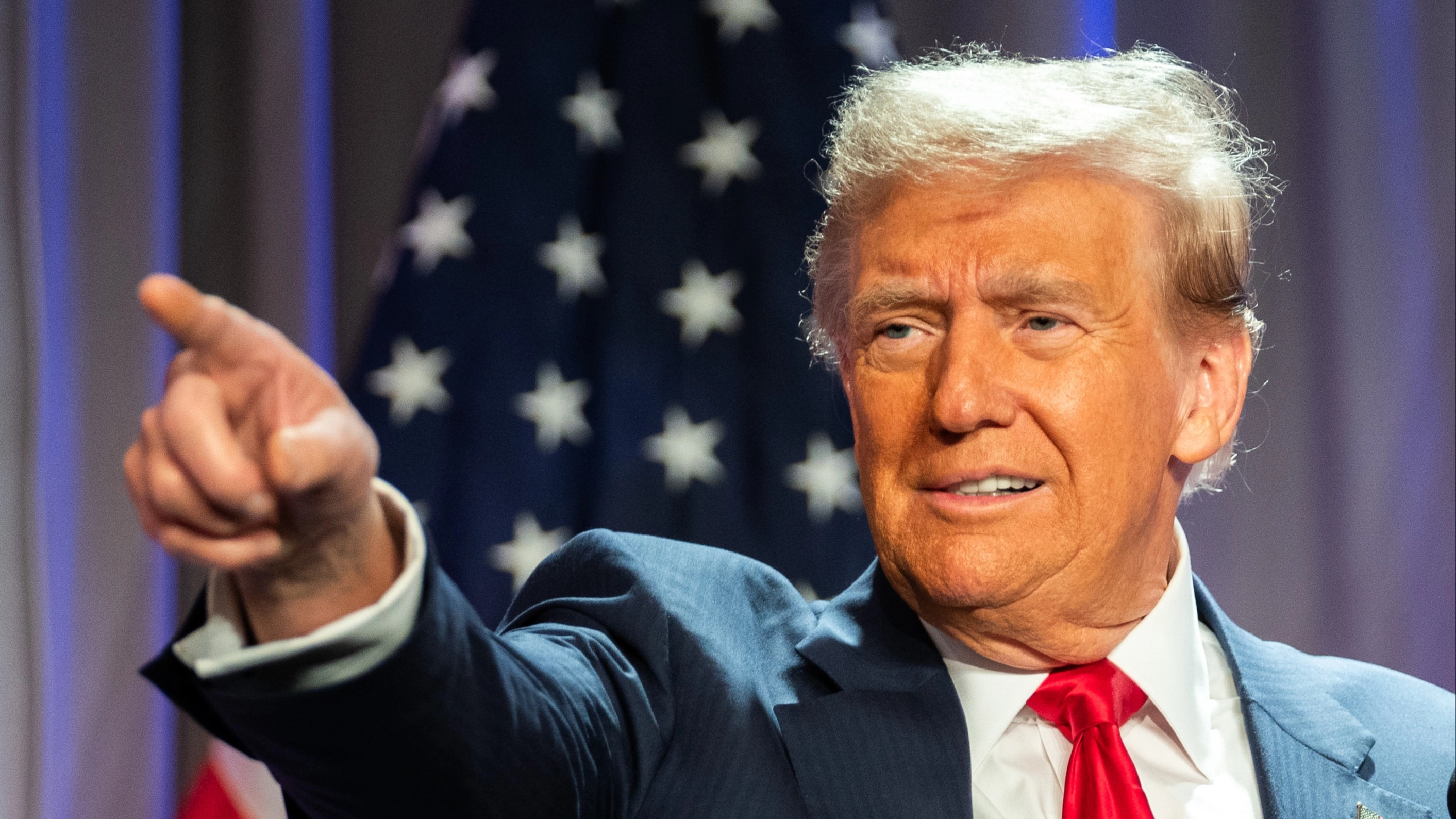
Likelihood of Trump causing World War lll if he took over Greenland explained

Concerns have been raised over the potential of Donald Trump's supposedly 'imminent' takeover of Greenland triggering mass global warfare.
For those out of the loop, the US leader first voiced his desire to attain the self-governing territory following his second White House inauguration last January, after which he sent Vice President JD Vance to scout the area.
Weeks later, Trump insisted that America 'needs' the land, which is technically situated within the Kingdom of Denmark, for 'national security' purposes, for 'the United States, Europe, and other parts of the free world'.
Experts, however, predict that the 79-year-old also plans to make good use of Greenland's vast mineral wealth.
Advert
Despite initially claiming he has 'no timeline' for Greenland's imminent takeover, Trump said earlier this month that his administration was 'actively' discussing a potential offer to buy the country.
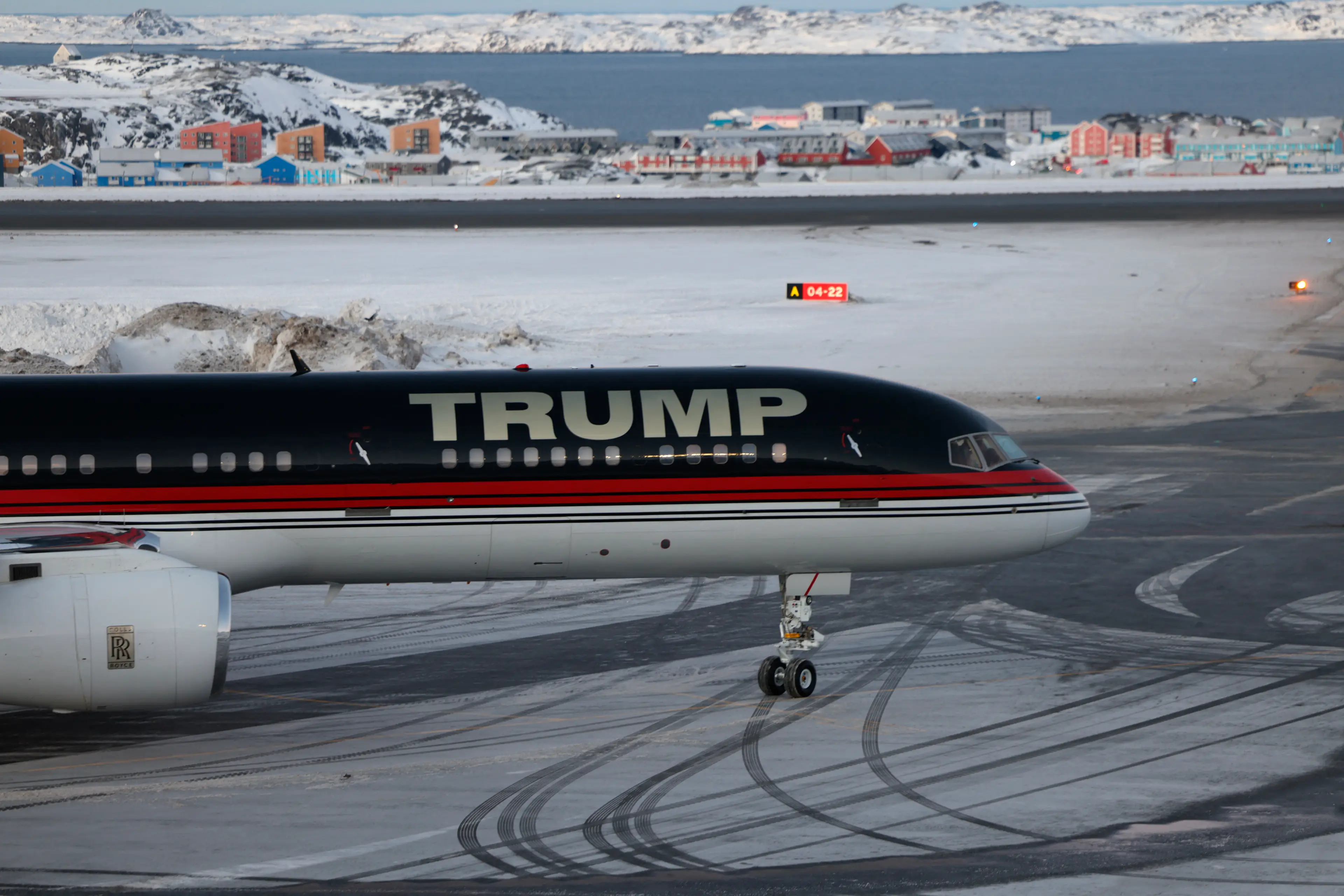
However, citizens and leaders of both Greenland and Denmark - who technically 'own' the Arctic space - have made it clear the land isn't for sale.
As a result, Trump went down a different path on Sunday (18 January), insisting that the prevention of the US attaining Greenland leaves the space open for 'China and Russia' to take.
This, he continued, could put 'world peace' 'at stake'.
How have Greenland and Denmark responded so far?
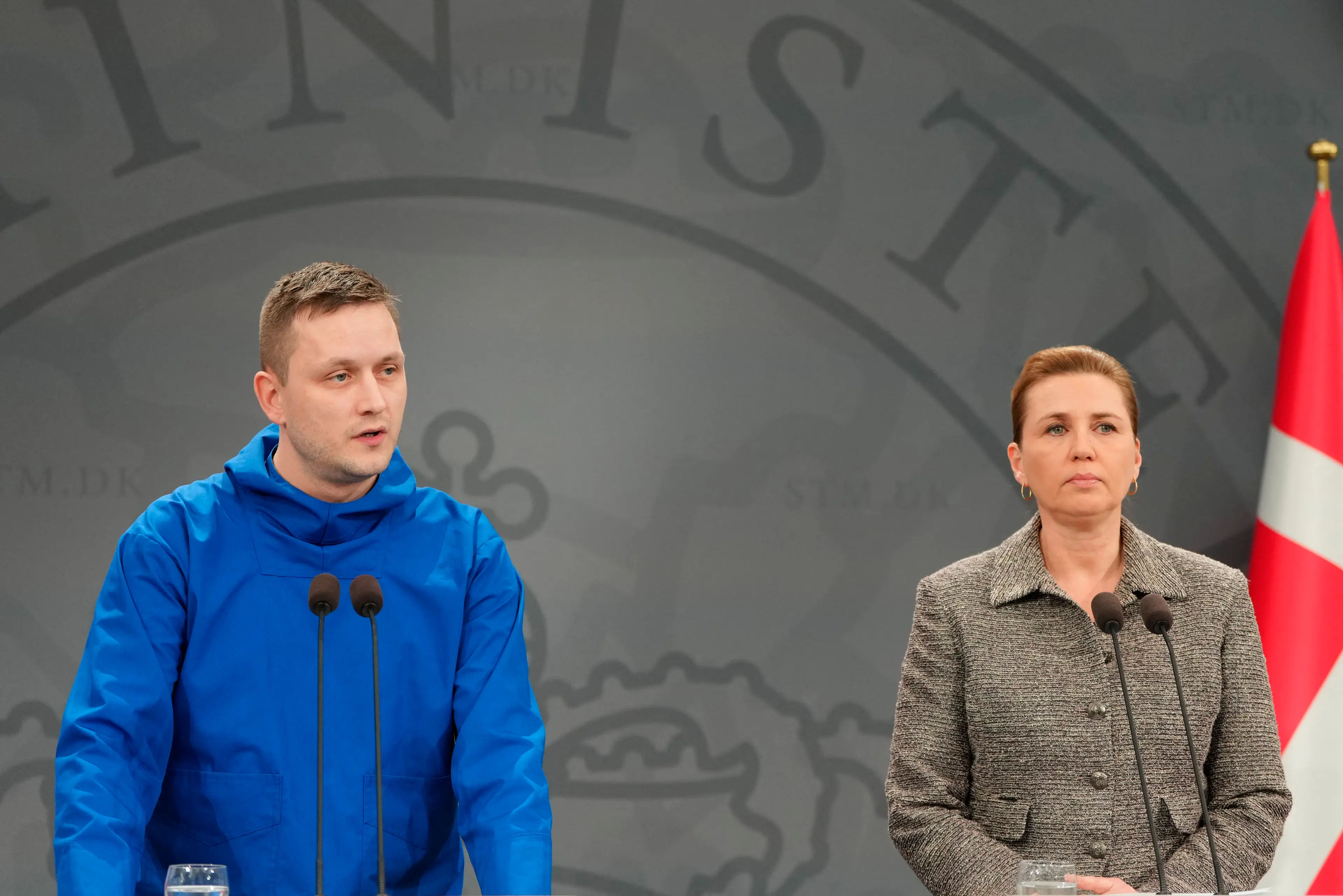
Responding to Trump's initial plan, Prime Minister of Greenland, Jens Frederik Nielsen, slammed it as 'fantasy', telling his citizens earlier this month: "When the president of the United States talks about ‘we need Greenland’ and connects us with Venezuela and military intervention, it’s not just wrong.
"This is so disrespectful. Our country is not an object of superpower rhetoric. We are a people. A land. And democracy. This has to be respected. Especially by close and loyal friends."
Mette Frederiksen, the Prime Minister of Denmark, has also condemned Trump's plan whilst citing agreements previously made by NATO allies.
"If the US chooses to attack another NATO country militarily, then everything stops," she pointed out earlier this month. "Including NATO and thus the security that has been established since the end of the Second World War."
Trump's tariff threats
Weeks after first claiming he wouldn't rule out using force to take control of the area, this weekend, Trump piled on further pressure.
He vowed to impose staggering 10 per cent tariffs on Norway, Denmark, Sweden, France, Germany, the Netherlands, Finland and the UK, if they continue to stand against him by 1 February.
The Republican also pledged to increase these charges to 25 per cent on 1 June 'until such a time as a deal is reached', as per a Truth Social post.
What have NATO said?
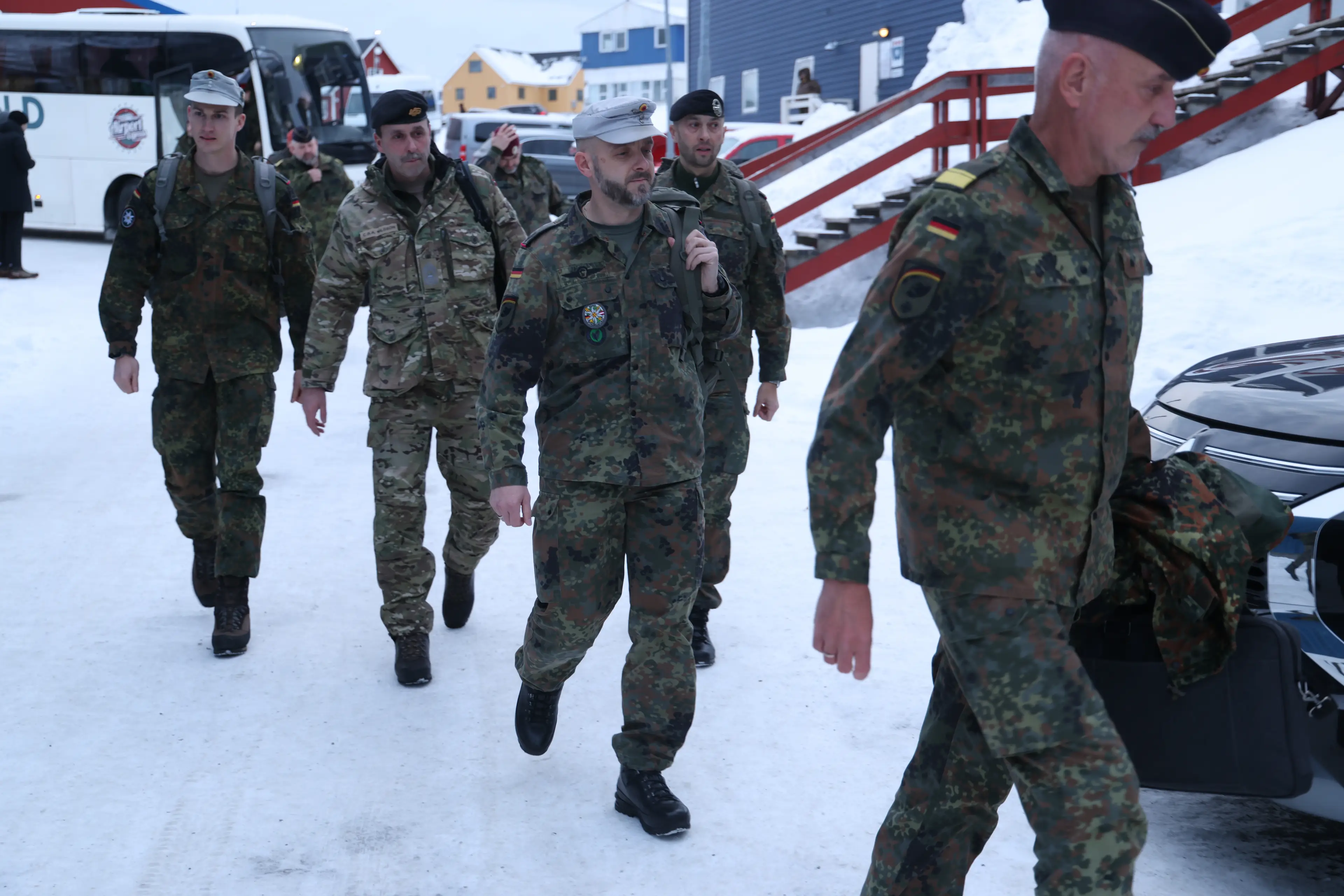
In response to Trump's initial discussions on the matter, several world leaders - from France, Germany, Italy, Poland, Spain, the United Kingdom, and Denmark - rallied together earlier this month to release an official statement, insisting they'd step up if needed.
"The Kingdom of Denmark – including Greenland – is part of NATO," the message read. "Security in the Arctic must therefore be achieved collectively, in conjunction with Nato allies, including the United States, by upholding the principles of the UN Charter, including sovereignty, territorial integrity and the inviolability of borders.
"These are universal principles, and we will not stop defending them. The United States is an essential partner in this endeavour, as a NATO ally and through the defence agreement between the Kingdom of Denmark and the United States of 1951."
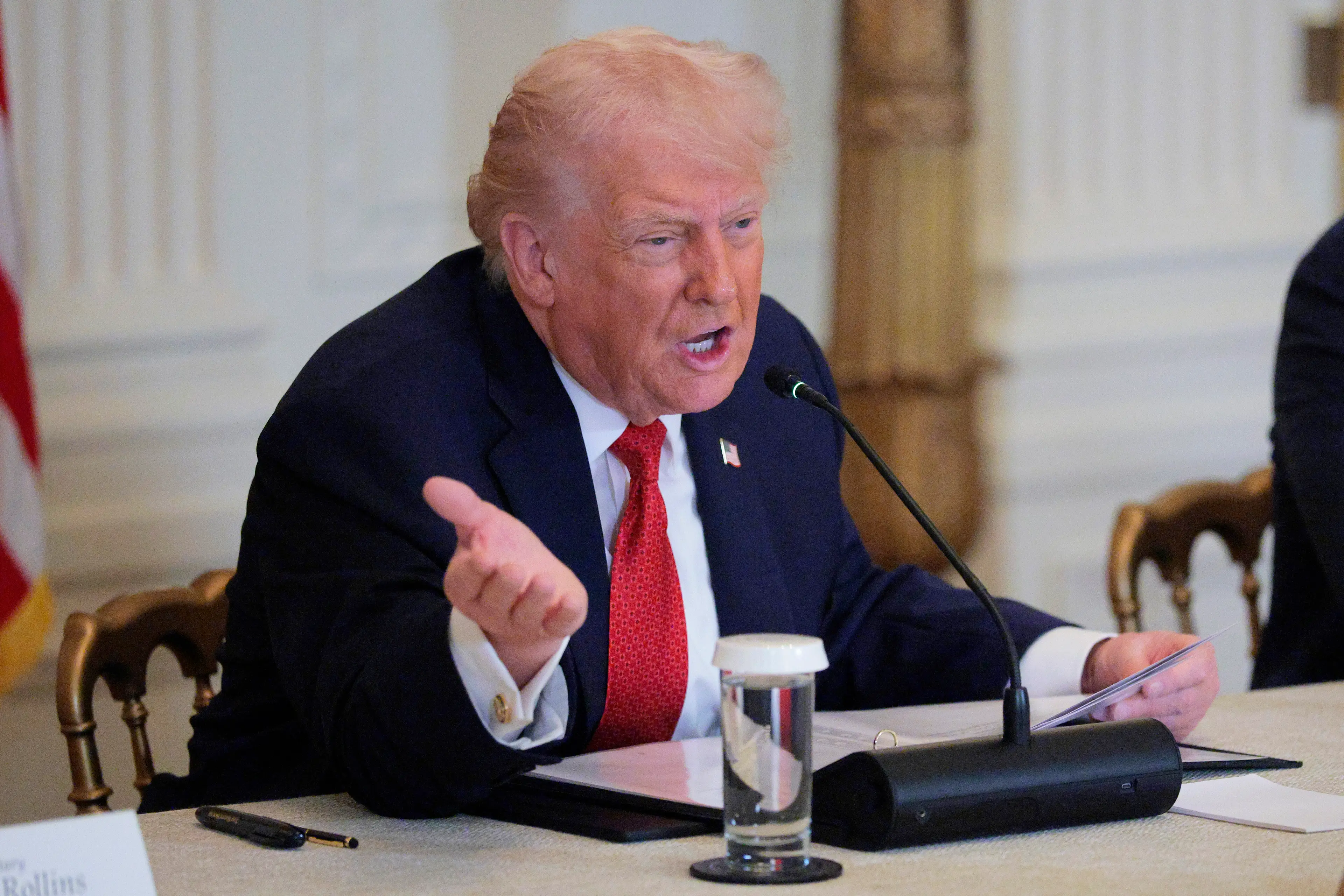
In light of this week's tax threat, however, several of these countries set to be charged issued a more direct response, severely condemning Trump's mission.
"As members of NATO," the latest message from the leaders of Norway, Denmark, Sweden, France, Germany, the Netherlands, Finland and the UK read. "We are committed to strengthening Arctic security as a shared transatlantic interest.
"The pre-coordinated Danish exercise 'Arctic Endurace' conducted with Allies, responds to this necessity. It poses no threat to anyone. We stand in full solidarity with the Kingdom of Denmark and the people of Greenland.
"Building on the process begun last week, we stand ready to engage in a dialogue based on the principles of sovereignty and territorial integrity that we stand firmly behind."
The statement continued: "Tariff treats undermine transatlantic relations and risk a dangerous downward spiral. We will continue to stand united and coordinated in our response. We are committed to upholding our sovereignty."
What is the likelihood of an attack triggering WWIII?
Despite NATO's strong stance against Trump's plan, onlookers from around the world have raised concerns over how both Greenland and Denmark would be protected if America invades.
To explain this, one can first cite Article 5 of the 1949 North Atlantic Treaty (NAT), which states that if an armed attack occurs against one or more NATO allies in 'Europe or North America', collective defence will be undertaken.
"The following article adds that this includes attacks 'on the territory of any of the Parties in Europe or North America… or on the Islands under the jurisdiction of any of the Parties in the North Atlantic area north of the Tropic of Cancer' - i.e. Greenland," it says.
The issue with this rule, however, is that Article 5 can't be invoked by one NATO member against another without all 32 members unanimously agreeing that the actions of the perpetrator warrant a response, which Trump likely wouldn't do.
Thankfully, Greenland does have the support of Article 42.7 of the Treaty on European Union, though Denmark does not.
The latter can use this on Greenland's behalf to request help from other EU members if the area ever falls victim to armed aggression 'on its territory'.
Despite this, there's the looming reality that the United States is NATO's most powerful member, spending much more on defence than any other nation.
This fact means that allies within NATO will likely resist going to war with America for as long as possible, according to experts at PBS.
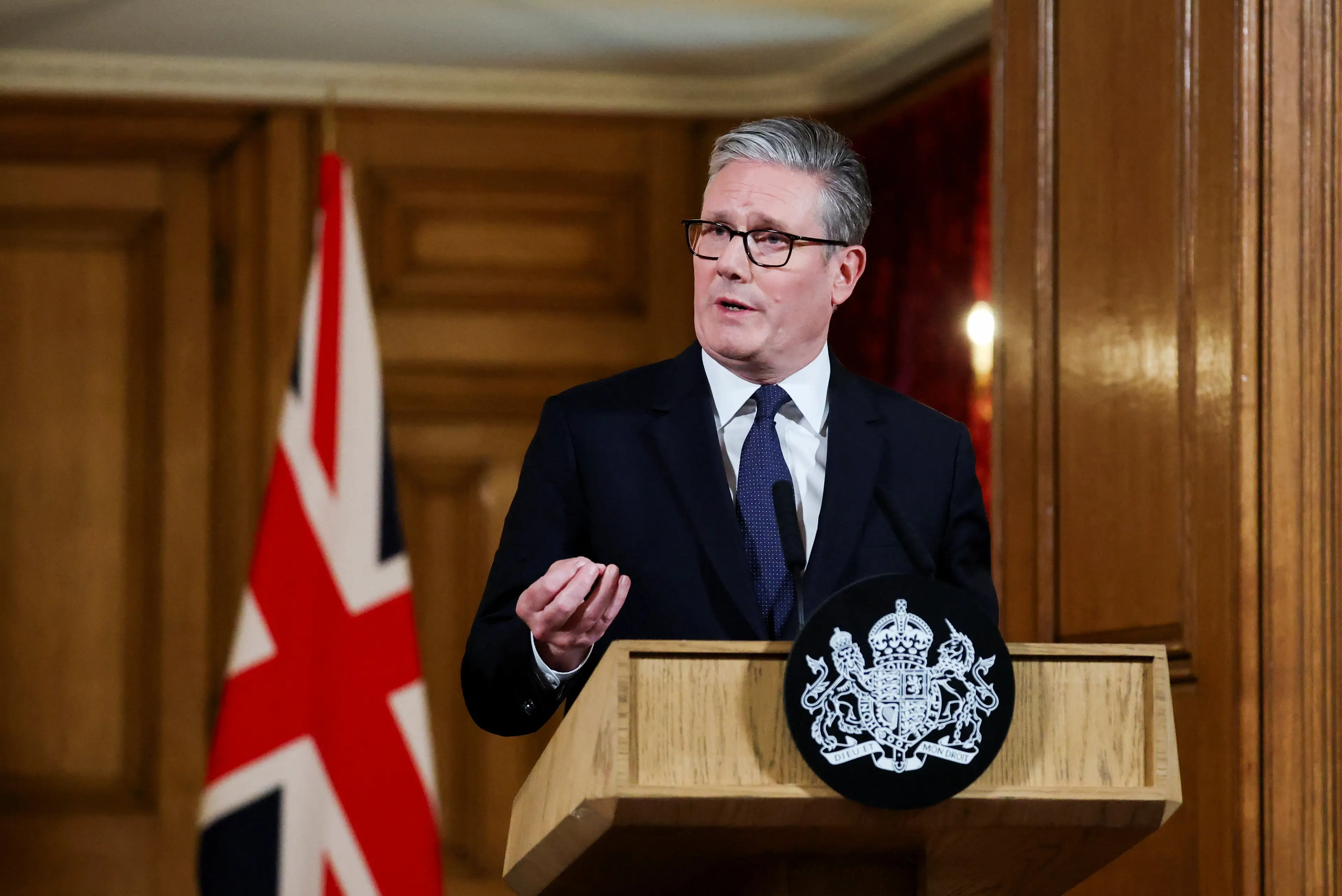
That said, delivering a speech from Downing Street this morning (19 Jan), UK Prime Minister, Sir Keir Starmer, ruled that Britain would not 'abandon principle' in its relationship with the US going forward.
He also reminded his American counterpart that, whilst the UK is famously considered a pragmatic nation, 'being pragmatic does not mean being passive'.
How do Americans feel about this prospect?
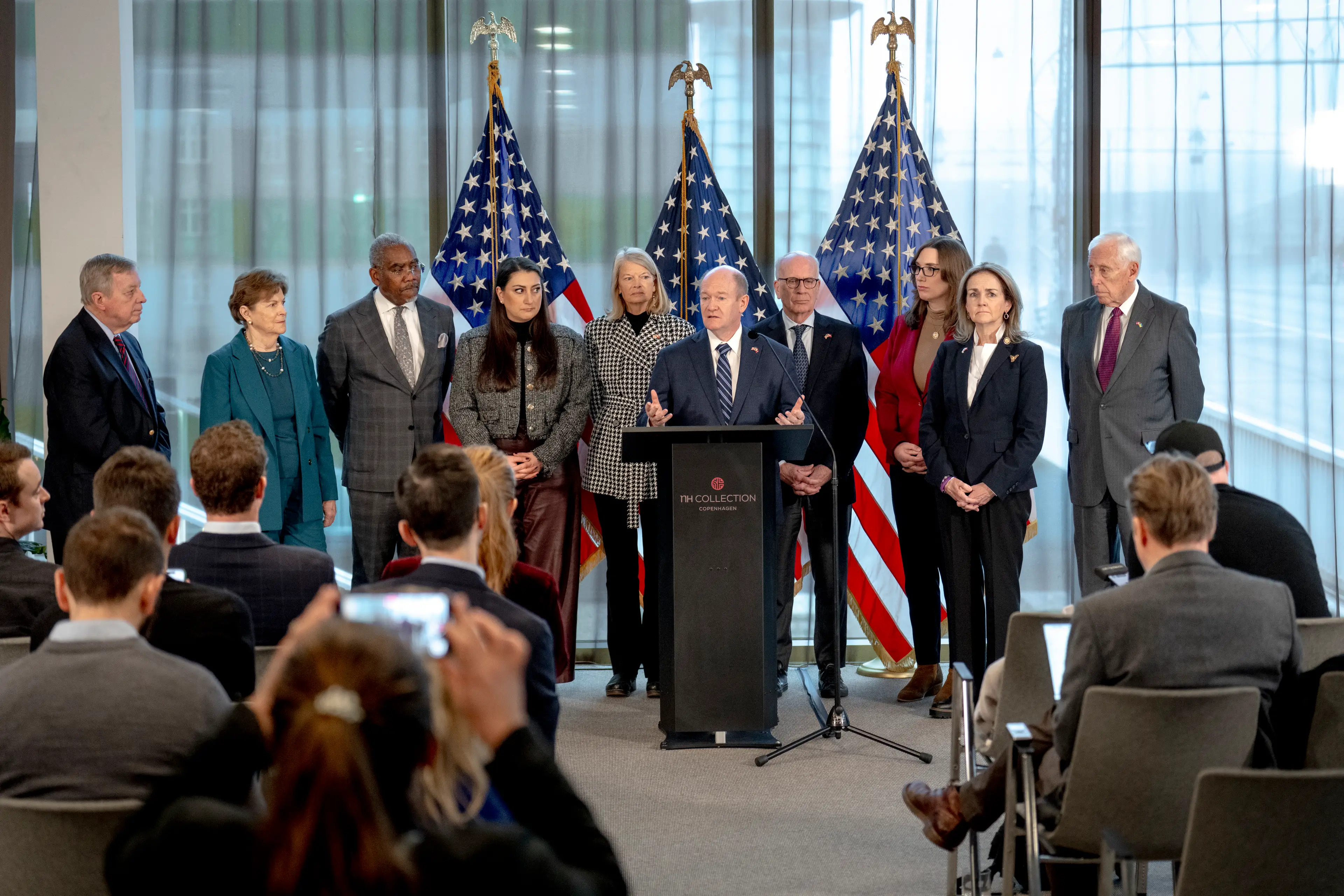
It's worth noting that, following the threat of increased tariffs this weekend, a group of US lawmakers - including some from the Senate - travelled to the Danish capital, Copenhagen, to reassure its leaders that the majority of Americans oppose Trump's plan.
Alaskan senator Lisa Murkowski reminded attendees of the press conference held that Congress would need to approve either the purchase or the military invasion of Greenland.
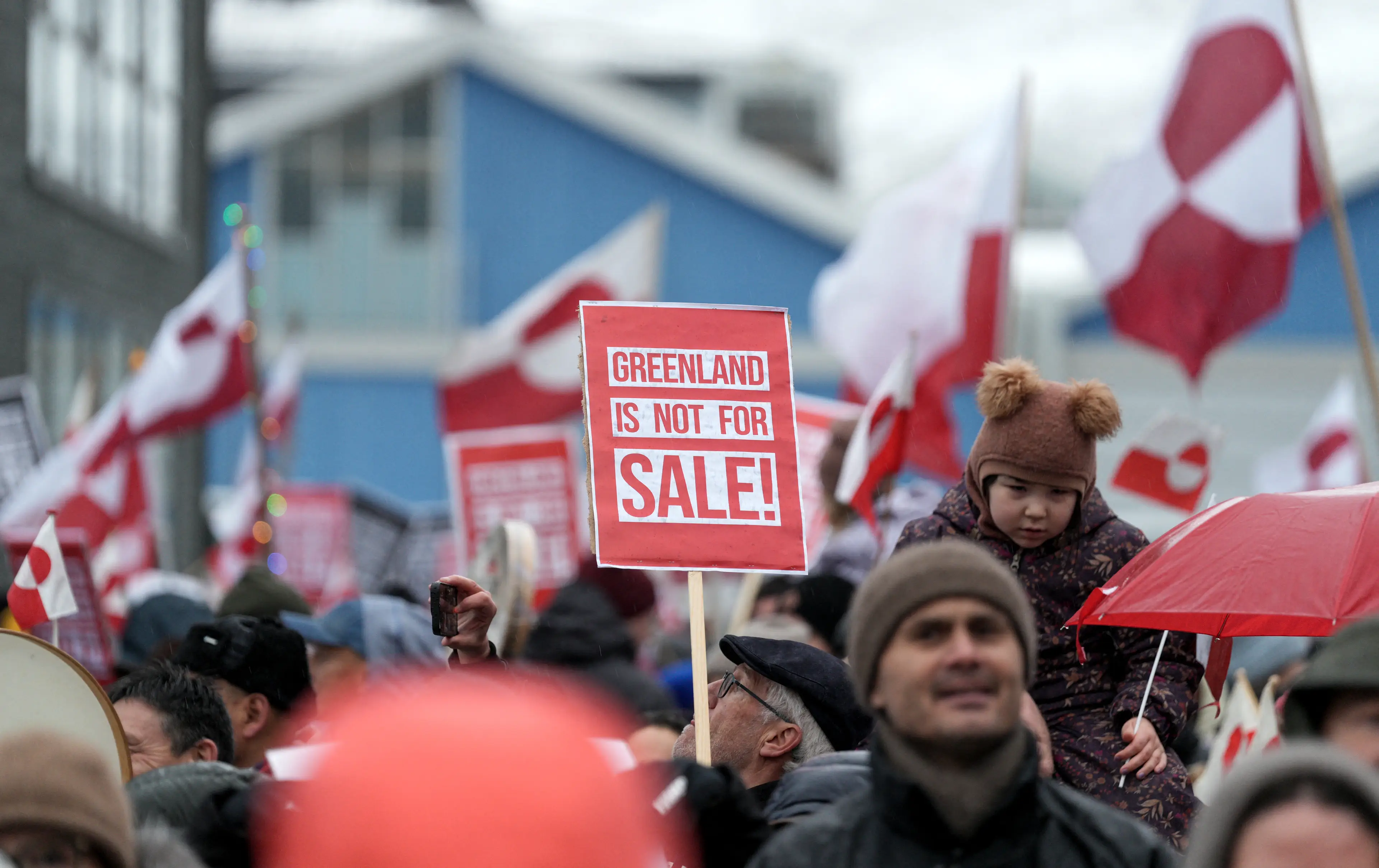
"You are hearing from the executive branch," she warned in response to 'Hands-off Greenland' protests that took place in the capital, as per The Washington Post. "The Congress also has a role."
As a reminder, if Trump does choose to invade, he'll have 48 hours to inform the US Congress of his plan to commit the country's armed forces to military action, as per Article I of the Constitution.
Murkowski added: "It is important to underscore that when you ask the American people whether or not they think it is a good idea for the United States to acquire Greenland, the vast majority - some 75 per cent - will say we do not think that that is a good idea.
"This senator from Alaska does not think it is a good idea."
She lastly affirmed: "Greenland needs to be viewed as our ally, not as an asset."
The Alaskan leader also introduced a bill that would withhold government funding from any operation aimed at taking over territory owned by NATO allies, including Denmark.
"I hope it’s ultimately not necessary," Murkowski continued. "But we are operating in times where we’re having conversations about things that we never thought even possible."
North Carolina senator Thom Tillis agreed with the legal response, urging Trump during a Senate meeting last week to fire any political advisors who insist on pushing for Greenland as a good idea.
Also in agreement is Kentucky senator Mitch McConnell, who claimed Trump's threats risk 'incinerating the hard-won trust of loyal allies in exchange for no meaningful change in U.S. access to the Arctic'.
Even some Republican senators, like South Dakota's John Thune, don't believe tensions will ever escalate to the point of warfare, with the Senate Majority Leader telling reporters that action 'is not something that anybody’s contemplating seriously at this point'.
Oddly, the latter sentiment was also echoed by NATO's top civilian official, Mark Rutte, this week, who side-stepped any questions on a potential takeover.
"All allies agree on the importance of the Arctic and Arctic security because we know that with sea lanes opening up, there is a risk that the Russians and the Chinese will be more active," he agreed, adding that NATO is 'not at all' in crisis over the matter.
Topics: World News, News, UK News, US News, Donald Trump, Politics
 Rhianna Benson