Women classified as 'slaves' under Afghanistan's new unsettling laws

Warning: This article contains discussion of domestic violence, which some readers may find distressing.
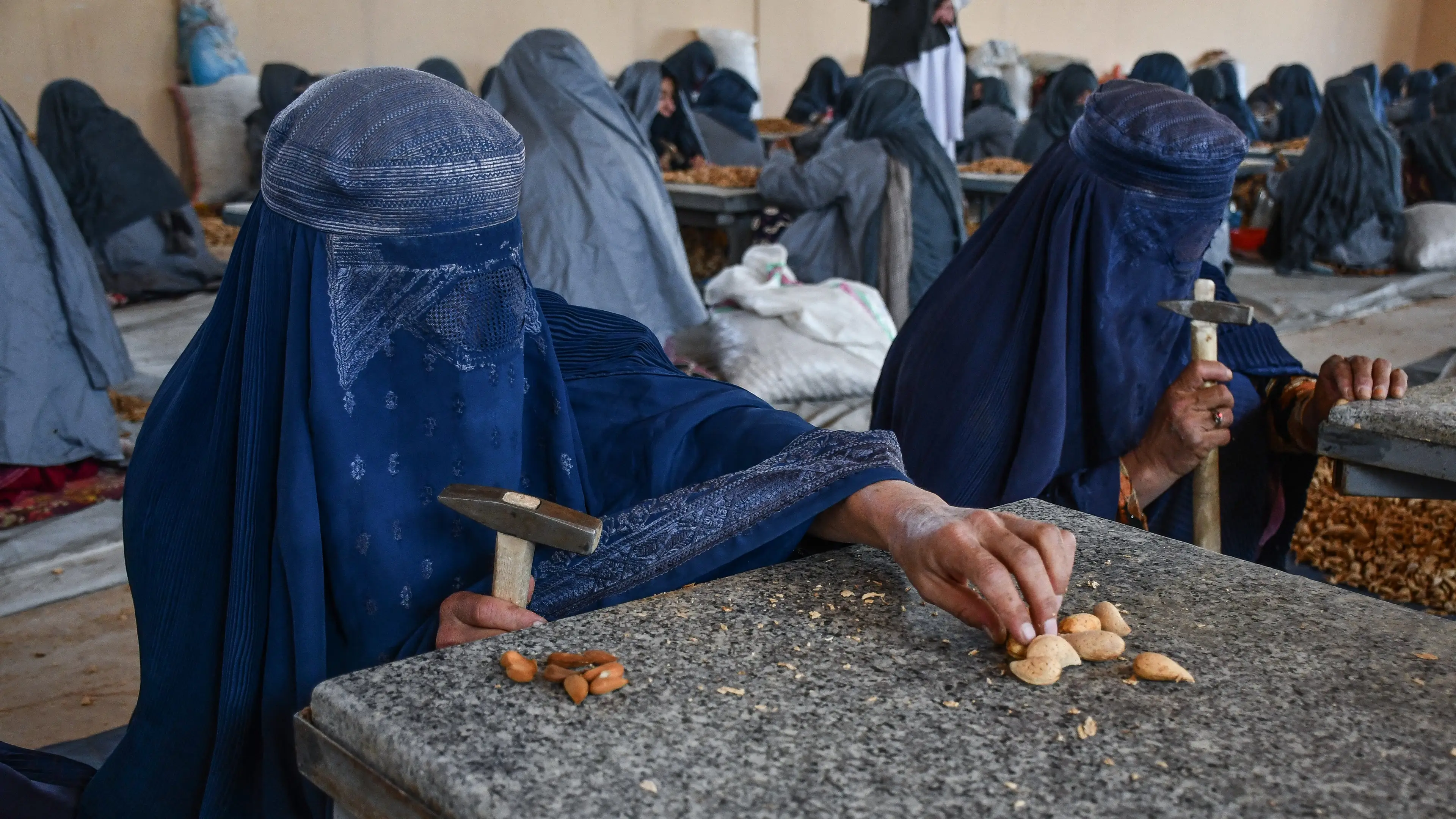
A new criminal code has been passed by Taliban leaders in Afghanistan, which equates female citizens to 'slaves'.
Titled the 'De Mahakumu Jazaai Osulnama', the 90-page legislation was signed by the Islamist extreme group's Supreme Leader, Hibatullah Akhundzada.
Its implementation formed part of a broader plan to outline different degrees of penalisation in the Middle Eastern country, depending on the societal status of the recipient - i.e. whether they're 'free', or otherwise.
Advert
Given the history of women living in Afghanistan being considered the legal property of their husbands, the code effectively equated the former to 'slaves' and the latter, 'slave masters'. Abuses against them have also been codified as acceptable within the framework of the law.
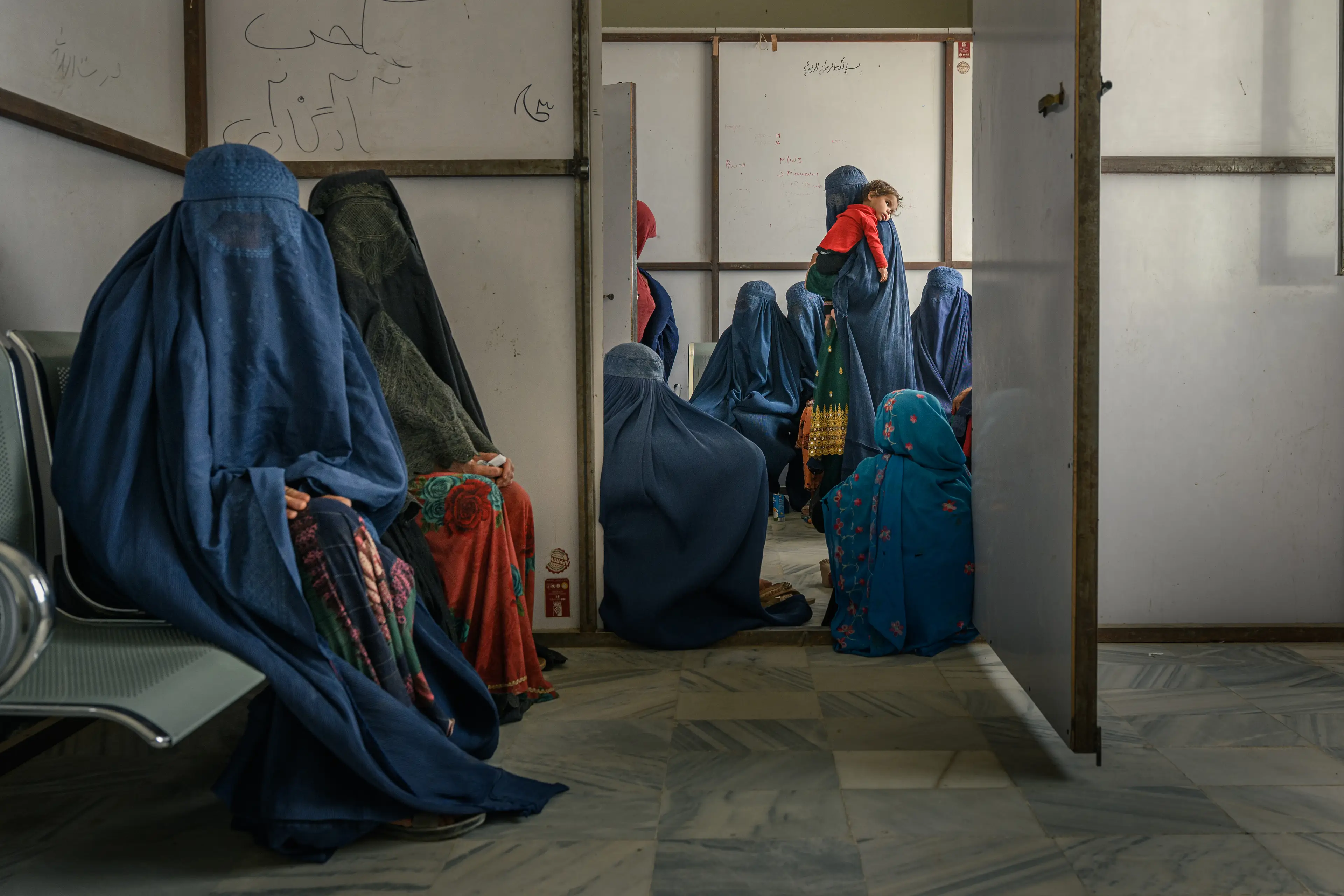
Their new categorisation fell under the code's four-tier social hierarchy, which separates 'ulama' (a term used to describe religious scholars), 'ashraf' (a term for elite members of society, including dignitaries and tribal leaders), middle-class individuals, and the lower class.
As per the newly-implemented law, the punishment a person receives for the same crime will depend on which umbrella they fall under.
For a member of the 'ashraf', for example, they'd receive advice from a Taliban judge for the same crime that a middle or lower class person - including a 'slave' - might receive either imprisonment or corporal punishment for.
The code doesn't just strip women of equality before the law, but it also legalises their punishment by force, given that they're classified as part of the lower class, 'enslaved' category.
This means they can be physically disciplined by their husbands or male guardians in the eyes of the law under a broad discretionary punishment system known as ta'zi.
Technically, therefore, the law would allow a man to seriously beat his wife, given that his status, in contrast to hers, would see the punishment as a lawful chastisement rather than a crime.
The code also makes access to justice nearly impossible. Women seeking legal recourse would have to present evidence of serious bodily harm in a Taliban court while fully covered and accompanied by a male chaperone - often their husband and abuser - making the journey toward safety and justice practically unreachable.
Even if they're able to jump through these legal hoops and prove serious injury, the harshest penalty their abuser will receive is shockingly minimal - 15 days behind bars, as per Scottish Legal.
As mentioned, it's not just women that the new legislation is likely to harm, but lower-class males and religious minorities.
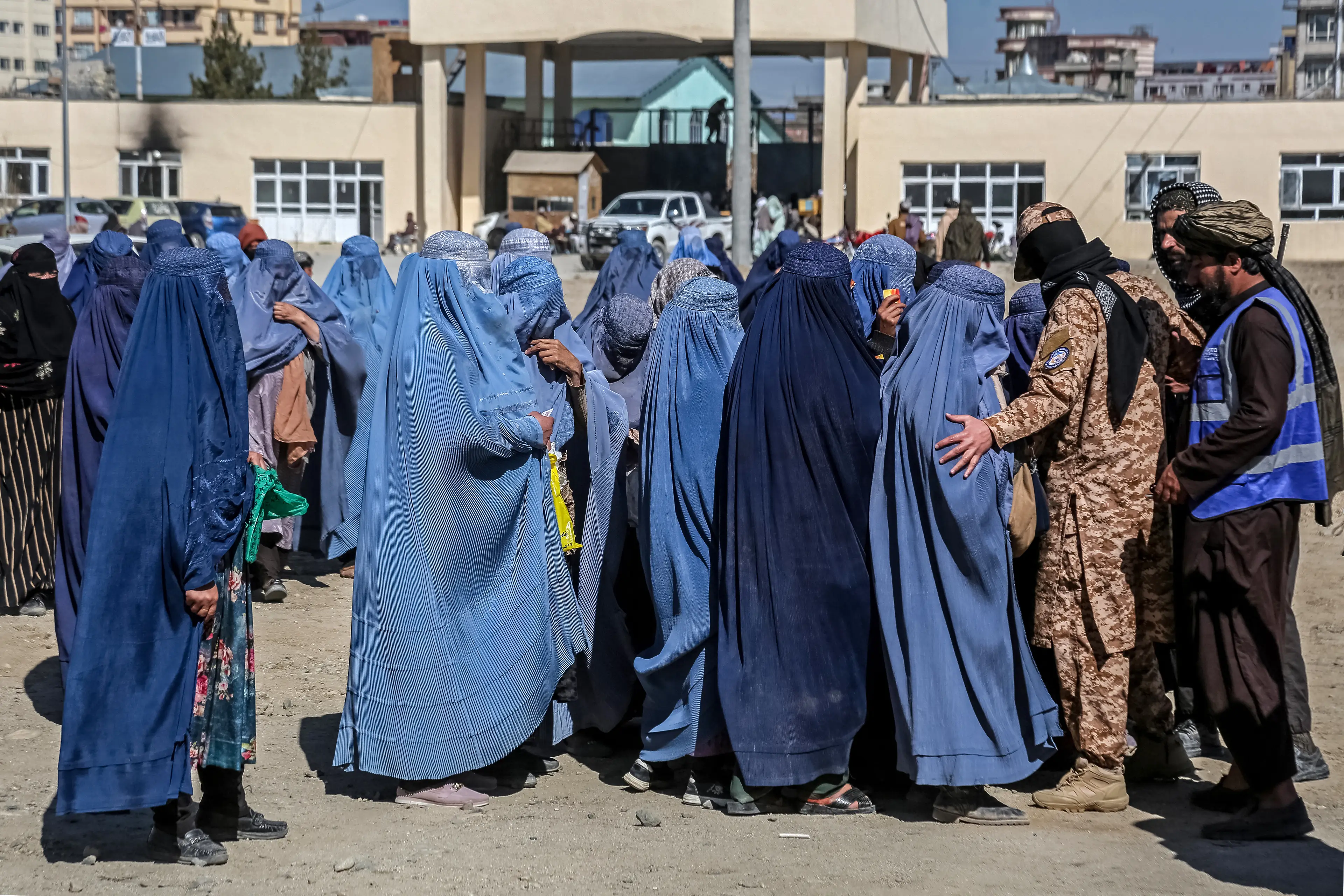
This is because the new code elevates confessions and testimony above independent investigation by government officials. It also sees the removal of basic legal protections that are available in other nations, like access to defence counsel or the right to remain silent.
And thirdly, the legislation also hands almighty powers to local religious authorities and even ordinary, upper-class citizens to punish alleged crimes without any judicial oversight.
Legal experts predict it'll be women and religious minorities - who are already amongst Afghanistan's most marginalised populations - that will feel the impact most severely.
Topics: World News, News, Politics
 Rhianna Benson