
tyla homepage
  • News
  • Life
  • TV & Film
  • Beauty
  • Style
  • Home
  • News
    • Celebrity
    • Entertainment
    • Politics
    • Royal Family
  • Life
    • Animals
    • Food & Drink
    • Women's Health
    • Mental Health
    • Sex & Relationships
    • Travel
    • Real Life
  • TV & Film
    • True Crime
    • Documentaries
    • Netflix
    • BBC
    • ITV
    • Tyla Recommends
  • Beauty
    • Hair
    • Make-up
    • Skincare
  • Style
    • Home
    • Fashion
    • Shopping
  • Advertise
  • Terms
  • Privacy & Cookies
  • LADbible Group
  • LADbible
  • UNILAD
  • SPORTbible
  • GAMINGbible
  • UNILAD Tech
  • FOODbible
  • License Our Content
  • About Us & Contact
  • Jobs
  • Latest
  • Archive
  • Topics A-Z
  • Authors
Facebook
Instagram
X
Threads
TikTok
Submit Your Content
New UK law set to deliver long-overdue change for women’s workplace rights

Home> News

Published 15:59 8 Apr 2026 GMT+1

New UK law set to deliver long-overdue change for women’s workplace rights

The changes are set to be phased out throughout 2026 and 2027, with some having already taken place

Lucy Devine

Lucy Devine

google discoverFollow us on Google Discover
Featured Image Credit: Getty Stock Photo

Topics: UK News, News, Life, Real Life

Lucy Devine
Lucy Devine

Lucy is a journalist working for Tyla. After graduating with a master's degree in journalism, she has worked in both print and online and is particularly interested in fashion, food, health and women's issues. Northerner, coffee addict, says hun a lot.

X

@lucedevine

Advert

Advert

Advert

A series of legal reforms set to take place over the next couple of years should deliver long overdue improvements to women's workplace rights.

The changes are set to be phased out throughout 2026 and 2027, with some having already taken place, and will require employers to update contracts and policies to reflect the reforms.

For example, this year, fathers have the right to paternity leave from the first day in a new job, rather than having to wait six months to be eligible.

Some key areas include stronger protections for pregnant women and new mums; menopause support at work and flexible working rights. Meanwhile, there'll also be changes to prevent sexual harassment in the workplace.

Advert

New workplace laws are set to be implemented in 2026 and 2027 (Getty Stock Photo)

Pinsent Masons explains that one change expected to positively impact new parents will see employers only able to reject a flexible working request if both the following apply:

  1. There is one of the current statutory grounds for refusing a request
  2. It is reasonable for the employer to refuse the application

The government explains: "If employers are considering rejecting a request, they will follow a new process to first consult the employee. We are consulting on these reforms and would welcome views from businesses, workers, unions and charities to shape a light touch process grounded in existing best practice. This will prompt employers and employees to think creatively about the types of flexible working that might be feasible and suitable in their circumstances.

"We are also introducing a reasonableness test. This means that if, after consulting with their employee, an employer decides to reject a request, they must explain to the employee why their decision is reasonable. This will mean referring to one or more of the eight business reasons already set out in legislation and providing an explanation for the basis of their decision."

The consultation period on improving flexible working has recently closed, with new changes set to be implemented in 2027.
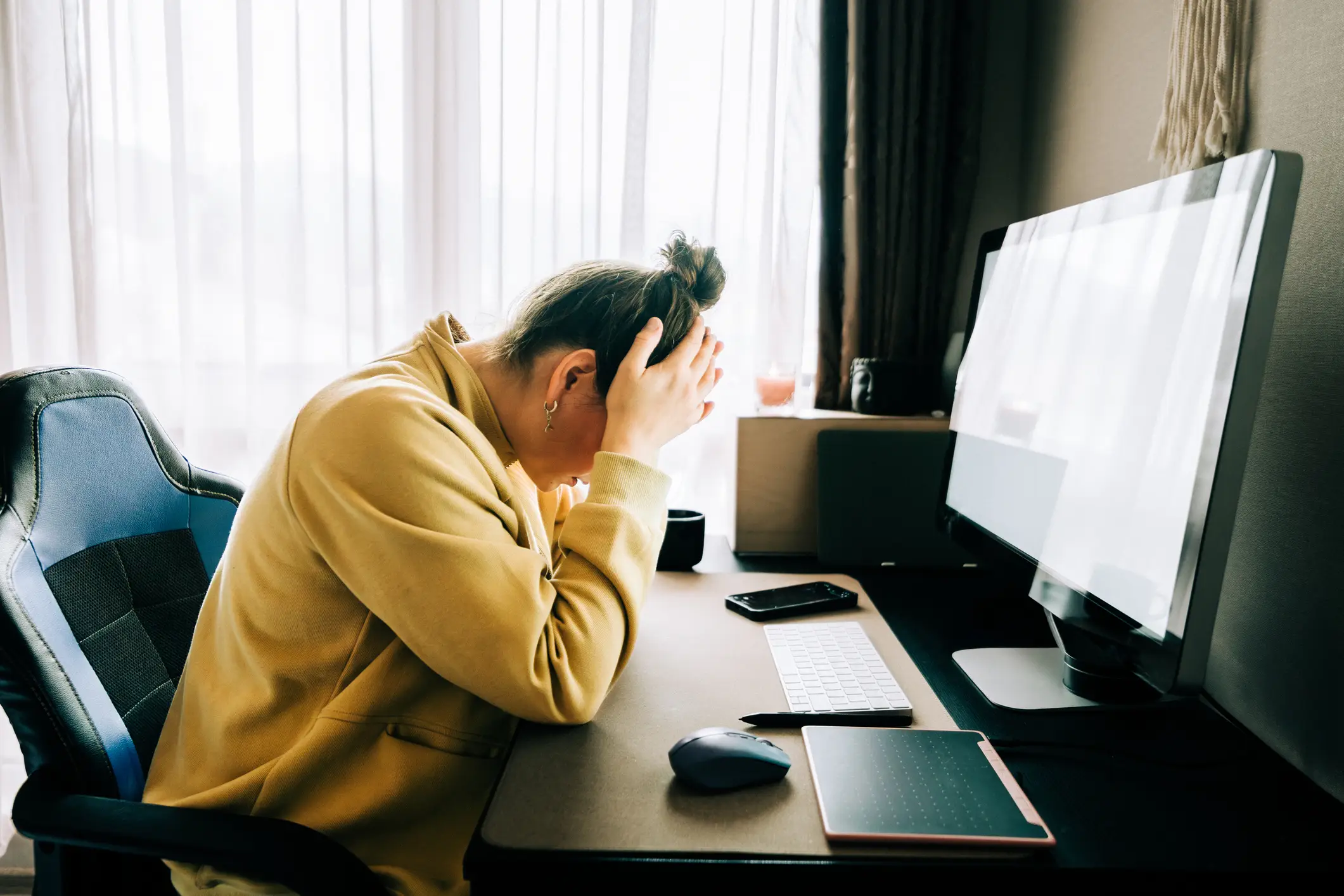
Some key areas include stronger protections for pregnant women and new mums (Getty Stock Photo)

Changes related to protections for women who are pregnant, on maternity leave and within six months of returning to work are also being established and set to be implemented next year.

Meanwhile, families who experience pregnancy loss before 24 weeks will be entitled to bereavement leave.

Changes surrounding harassment in the workplace are also expected in the next few years.

Employers must take 'all reasonable steps' to prevent harassment, with Doyle Clayton elaborating: "From October 2026, the current statutory duty for employers to take reasonable steps to prevent sexual harassment of their employees in the course of their employment will be changed to a duty to take all reasonable steps, increasing the burden on employers. Secondary legislation may specify steps that are to be regarded as “reasonable” but any such legislation is not expected to be in force until 2027 (after the change comes into in force)."

  • Gen Z and Millennials stunned to learn hit pop songs are older than modern women’s rights
  • ‘Pruritus ani’ is a surprising bum issue men experience but don’t get checked out
  • Pregnant woman who had sex with identical twins told it’s ‘not possible’ to identify baby’s father
  • Full list of everyday medications that could get you banned from driving

Choose your content:

an hour ago
2 hours ago
  • Joe Raedle / Staff / via Getty
    an hour ago

    Where Artemis II crew will land as they face most dangerous part of mission yet

    The Artemis II crew have broken the record for the furthest humans have ever travelled from Earth - now, they're on their way home

    News
  • Tom Williams/CQ-Roll Call, Inc via Getty Images
    an hour ago

    ‘TACO’ Trump savagely mocked online after failed Iran threats

    Critics and celebs have been hitting out at the president

    News
  • Chris Jackson/Getty Images
    2 hours ago

    Queen Elizabeth had emotional final wish involving Prince Archie and Princess Lilibet granted before death

    Prince Harry and Meghan Markle brought Prince Archie and Princess Lilibet to the UK in June 2022, months prior to the Queen's death

    News
  • BRENDAN SMIALOWSKI/Getty Images
    2 hours ago

    Donald Trump's threat to Iran had hidden meaning, psychologist reveals

    US President, Donald Trump, warned Iran that a 'whole civilisation will die' if they failed to agree to reopening the Strait of Hormuz

    News