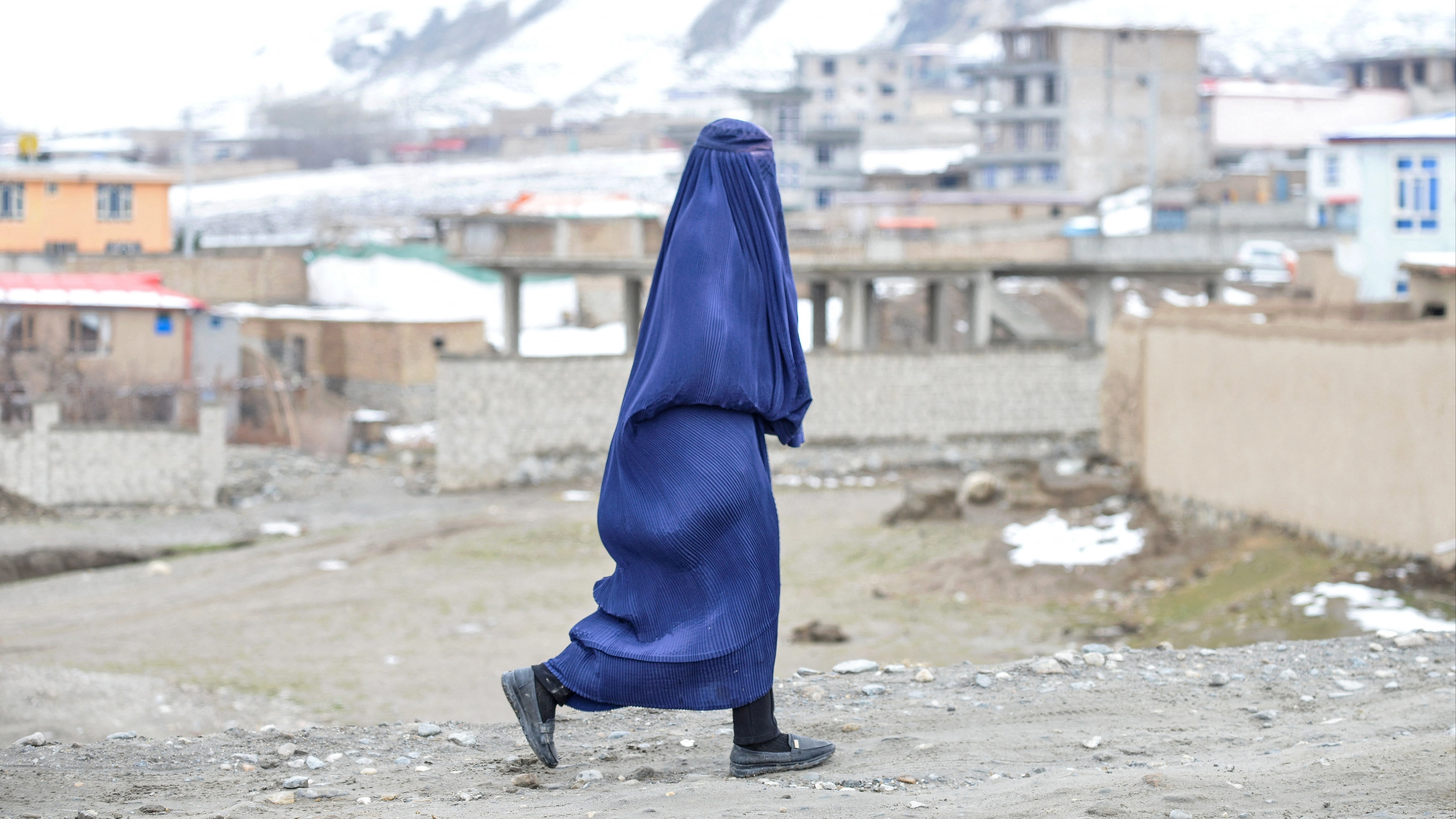
Countries that have no domestic abuse laws as Afghanistan legalises it

Warning: This article contains discussion of domestic violence, which some readers may find distressing.
After Taliban leaders implemented a new penal code earlier this week that legalises the physical punishment of women in Afghanistan, questions have been raised regarding which other nations have similarly severe legislation.
For anyone who missed it, Hibatullah Akhundzada - the Islamist extremist group’s Supreme Leader - signed a 90-page criminal code, which sets out the punishments a citizen can receive for disobedience, depending on whether they’re ‘free’ or a ‘slave’.
As per the new law, 'De Mahakumu Jazaai Osulnama', individuals in the former group - which is largely made up of religious leaders and mullahs - will be given further freedom to physically chastise the latter group without needing to justify their actions.
Advert
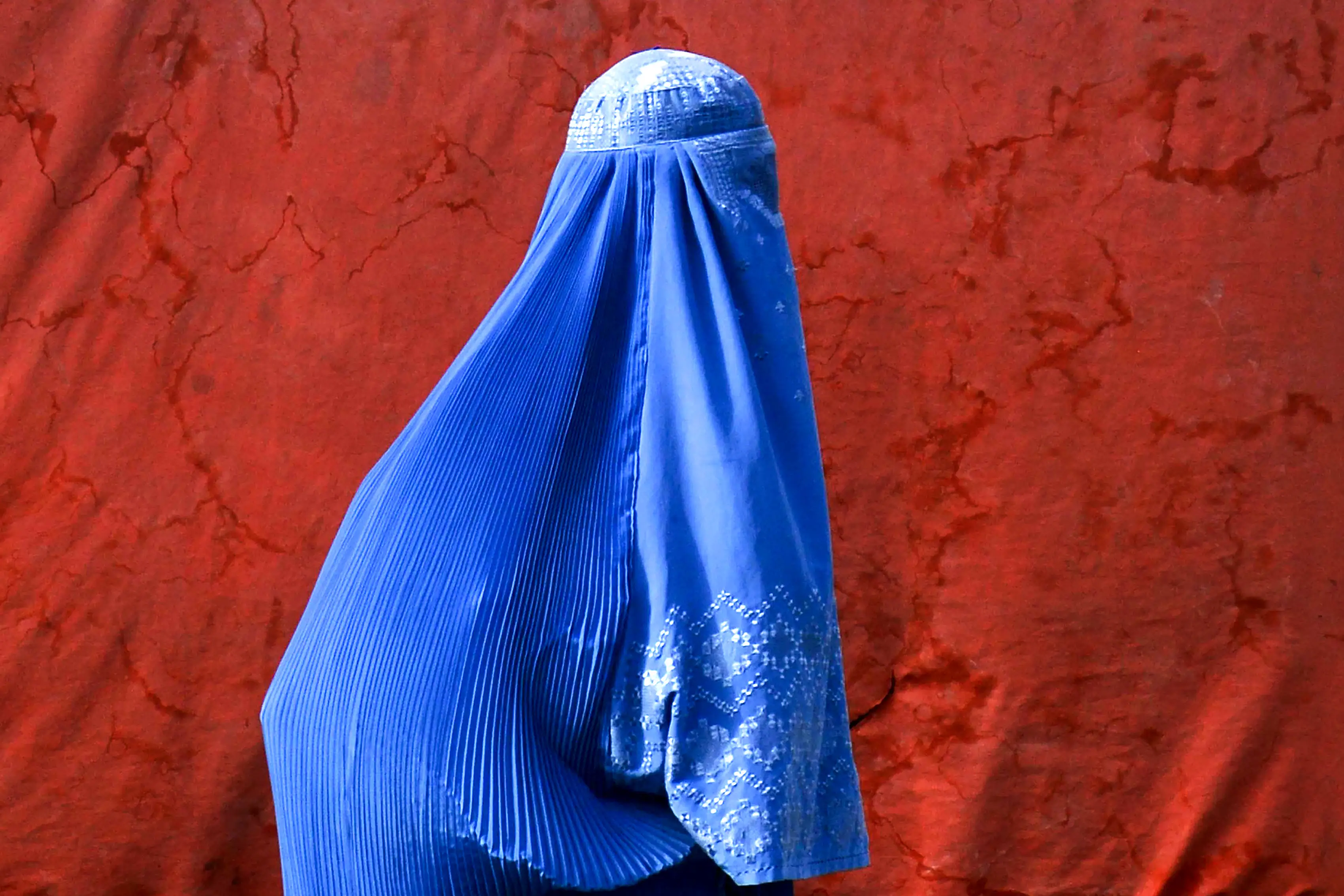
The fact that the code effectively equates the status of women to that of ‘slaves’, and their husbands to ‘slave masters’, however, has led political commentators to believe it’ll see cases of domestic abuse against women in Afghanistan skyrocket.
Further, given the newly-outlined ‘upper’ status of the attacker - who’d also have to be present when their fully-covered wives show proof of serious bodily harm to religious judges - it’ll be almost impossible for women to receive justice for their abuse.
Unsurprisingly, the legislation has since sparked mass outcry amongst international onlookers, many of whom learned as a result that Afghanistan isn't the only country in the world whose lawmakers legally permit the abuse of women by their partners.
Before getting into this damning list, however, it’s important to note that in no country on earth is domestic violence fully legalised.
As is the case in Afghanistan, in some places, there are no laws protecting the rights of women. In others, it is decriminalised, as opposed to illegal, meaning perpetrators only face very minimal penalties.

In some countries, domestic violence laws are weak, poorly enforced, or contain loopholes that effectively leave victims unprotected.
One nation with a serious legal gap in the protection of women is Russia, the leaders of which decriminalised certain forms of first-time domestic battery back in 2017, so long as no serious injury was caused.
Another example is India. Whilst domestic violence has been illegal there since the 2005 implementation of the Protection of Women from Domestic Violence Act, marital rape has not yet been fully criminalised.
In Nigeria, not only do protections against domestic violence vary depending on the state, but law enforcement within these cases is notoriously inconsistent.
According to World Atlas, the legislation of several other African countries also omits domestic abuse entirely, including South Sudan, the Ivory Coast, Chad, Swaziland, Burkina Faso, Morocco, Guinea, Gabon, Libya, Niger and Eritrea.
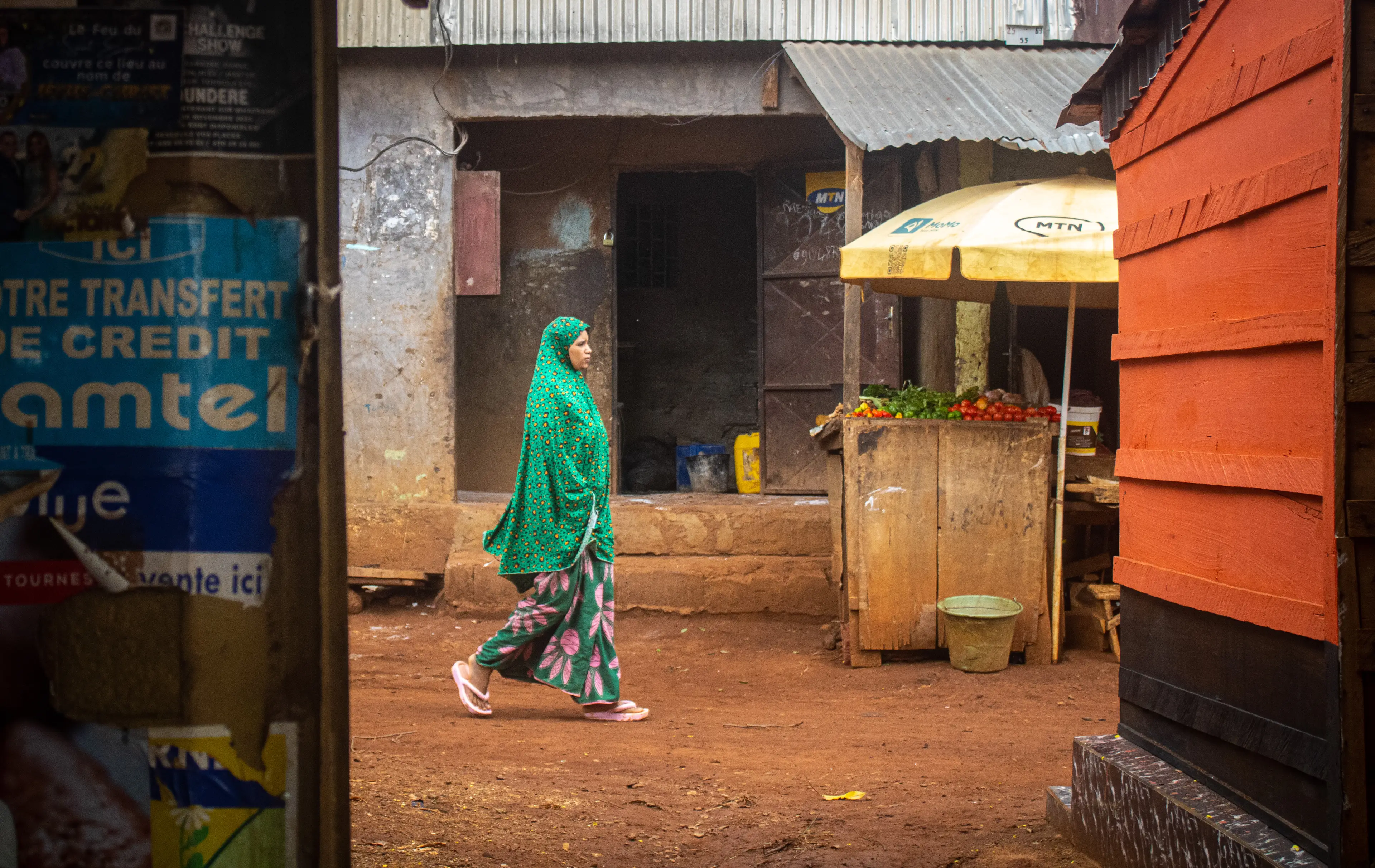
In Cameroon, the alarming number of cases of both violence against and the murder of women has been linked by Sexual Violence Research Initiative workers to growing militarisation trends, unequal gender relations and economic upheaval.
According to Concern Worldwide, the Democratic Republic of Congo ranks as the worst country for violence against women by their intimate partner, with half of all women in the country aged over 15 reporting physical violence by a member of their household.
Several Middle Eastern nations are also without a legal framework recognising domestic violence, like Myanmar, Qatar, Haiti, Syria, Palestine, Yemen and Armenia.
In Iran, another example, there have been several attempts to pass a bill on this matter. Even the Safeguarding Women’s Dignity and Protecting them Against Violence draft was watered down to replace ‘violence’ with ‘ill-behaviour’ in May of last year, before the plan was abandoned by lawmakers altogether, as per Iran Intl.
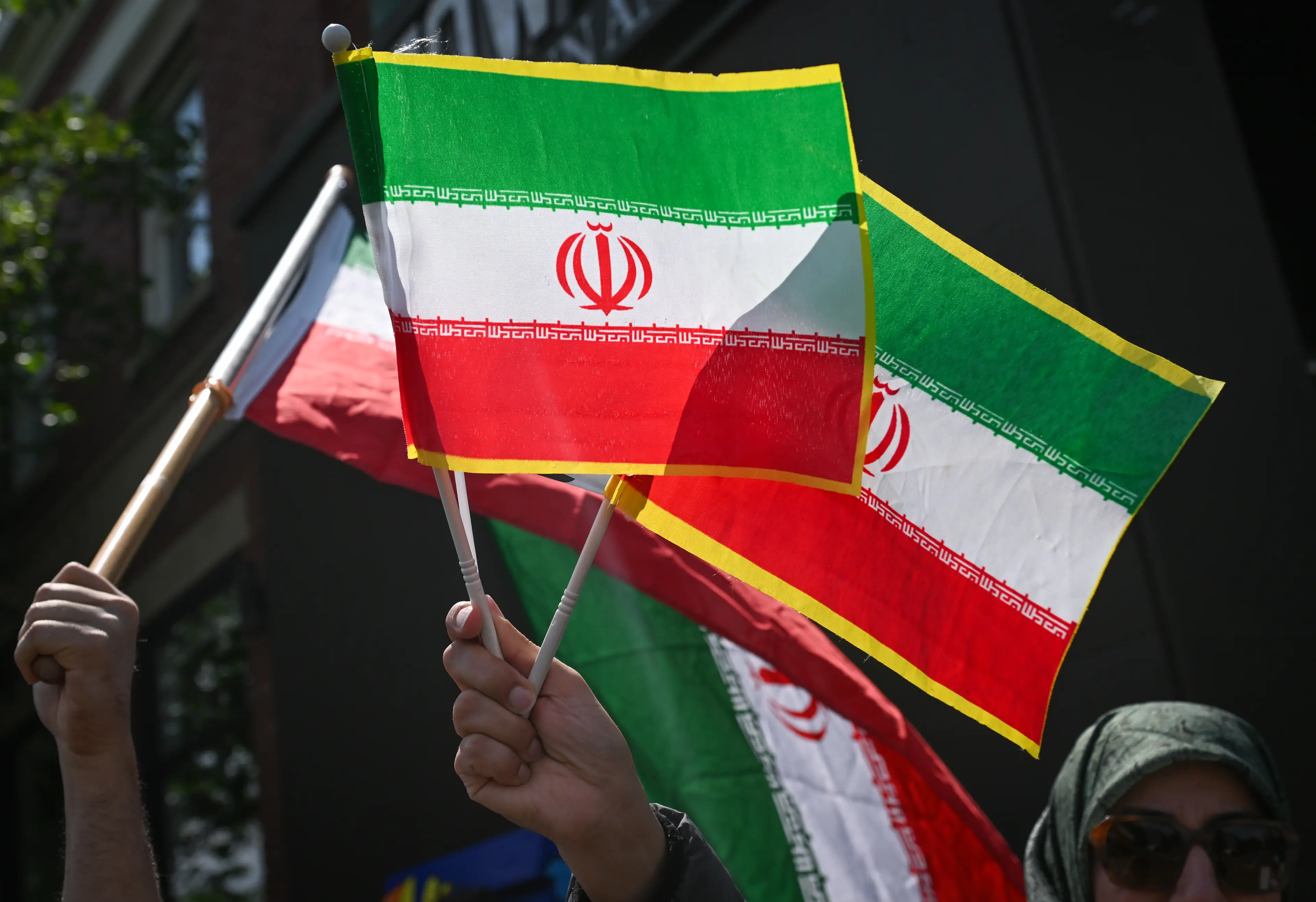
Further, Iranian leaders have long categorised domestic matters under family matters as opposed to criminal codes, meaning violence enacted by one household member against another isn’t protected.
Oman, similarly, is without dedicated domestic violence laws, nor restraining orders and support systems for survivors. Like India, marital rape is also something the country’s governors would fail to recognise as a criminal offence.
Topics: World News, News, Crime, Politics
 Rhianna Benson