Here's what would happen if you refused conscription in the event of WW3

Amidst rising concerns over the prospect of World War III, questions have been raised regarding the possible reintroduction of conscription.
For those unfamiliar with the terminology, conscription describes the mandatory enlistment of citizens in their national armed forces.
In the UK, this process has only been in operation twice within the 20th century (via the House of Commons) - in 1916-1920, when it was imposed on all single men aged between 18 and 41 who were not eligible for exemption, and in 1939-1960, when it was upped to 20 years old as a minimum age.
According to a YouGov poll, however, a perfectly fair 38 per cent of British participants aged below 40 claimed they'd outright refuse to serve if called upon by their country's leaders in a similar capacity.
Advert
A further 30 per cent admitted they'd even turn a blind eye if Britain was subjected to an 'imminent invasion'.
Asked for their reasoning, one part-taker declared: "I won't put myself in danger to defend the interests of people who would not risk themselves for me."
Another added: "Because the process would be an unfair process and the expectations would be on the working/lower/middle classes to serve and not the rich, royalty or the politicians making the decisions."
These statistics weren't based on any specific political crisis. They were actually gathered in February 2024 - long before Donald Trump was sworn into the White House for a second time.
Thankfully, the findings were also followed up by Keir Starmer telling listeners of the News Agents podcast that 'nobody is talking about conscription'. The PM also insisted at the time that he'd be willing to spend as much as five per cent of GDP (gross domestic product) on national security for the UK in the next 10 years, to ensure this was to remain the case.

That said, however, following this weekend's attack and amid ongoing airstrikes across the Middle East, questions regarding conscription - and more specifically, the potential punishment for refusing to fight - has understandably reared its ugly head once again.
For those out of the loop, Trump and Israeli Prime Minister Benjamin Netanyahu orchestrated a 'massive' attack on Iran's totalitarian leaders this weekend, killing the country's Supreme Leader, Ayatollah Ali Khamenei.
The joint assault allegedly came in response to the Islamic Republican government's oppression against its own people - which sparked nationwide protests at the beginning of the year, themselves met with severe punishment. Trump also claimed it aimed to obliterate the country's nuclear programme.
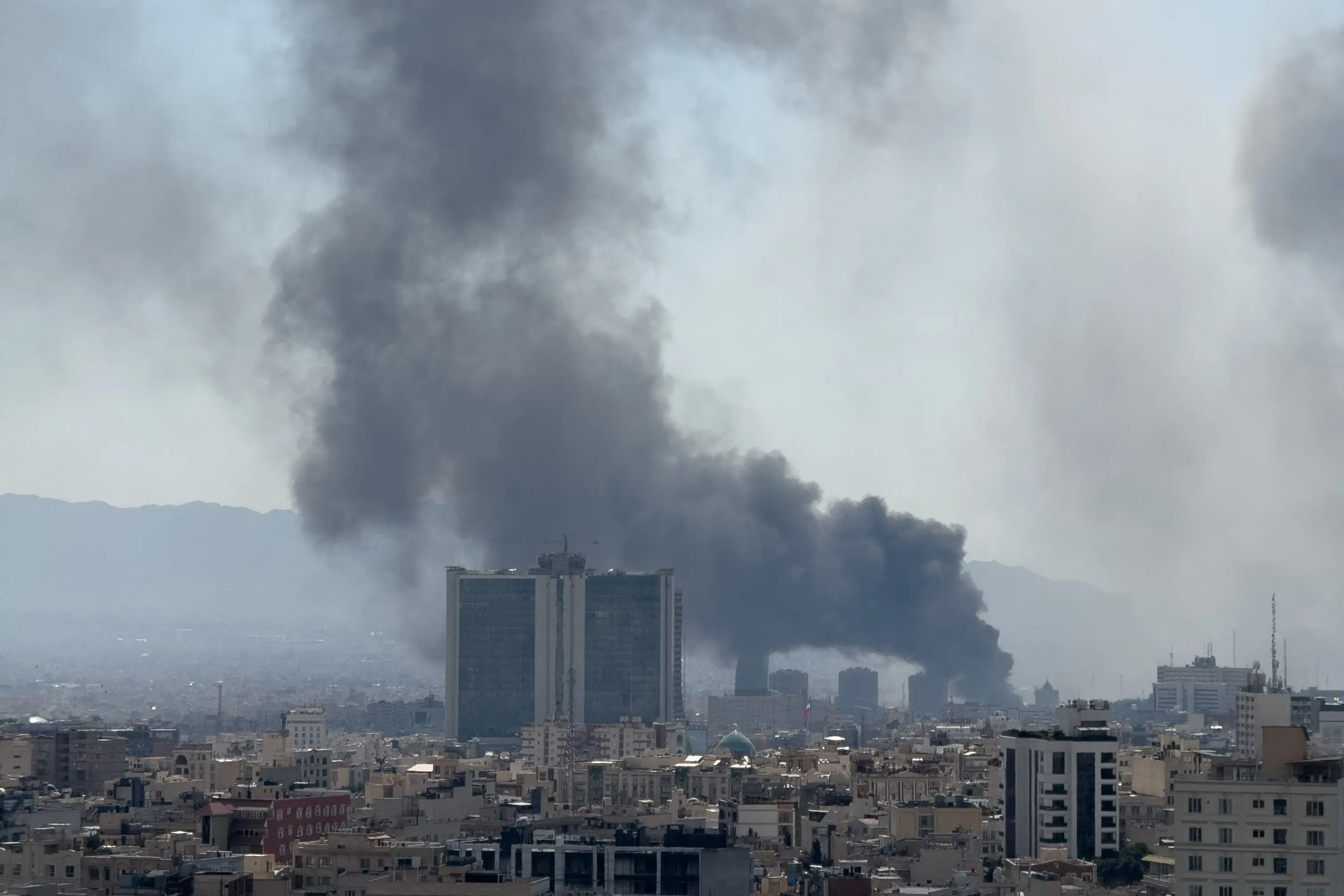
Iran responded to the attack by firing ballistic missiles at Israel, Bahrain, Kuwait, Qatar, the United Arab Emirates and Jordan, where further US strikes have since been reported.
In light of growing tensions, one disgruntled X user wrote: "Those warmongering Brits screaming to enter another Israeli conflict that’s nothing to do with us… will you change your tune when your kids are dying after the mandatory conscription starts?… cause that’s where we are heading if WW3 kicks off!"
Another joked: "Life of Gen Z: Born just in time to invest at the top, pandemic during our prime years, AI replacing jobs at career-start age, WW3 talk at conscription age. We didn’t pick hard mode. Hard mode picked us."
If one were to refer to history in a quest for answers on conscription-related questions, they'd likely be left feeling a little flat.
During the Second World War, any Brit who objected to joining the armed forces would face calls to attend court, where they were expected to provide their reasoning.
Conscientious objectors - those who cited moral, religious, or political beliefs when asked their stance on fighting - were often prescribed non-combat responsibilities that were still seen as contributing to the war effort. This included activities like farming, hospital support or civil defence.
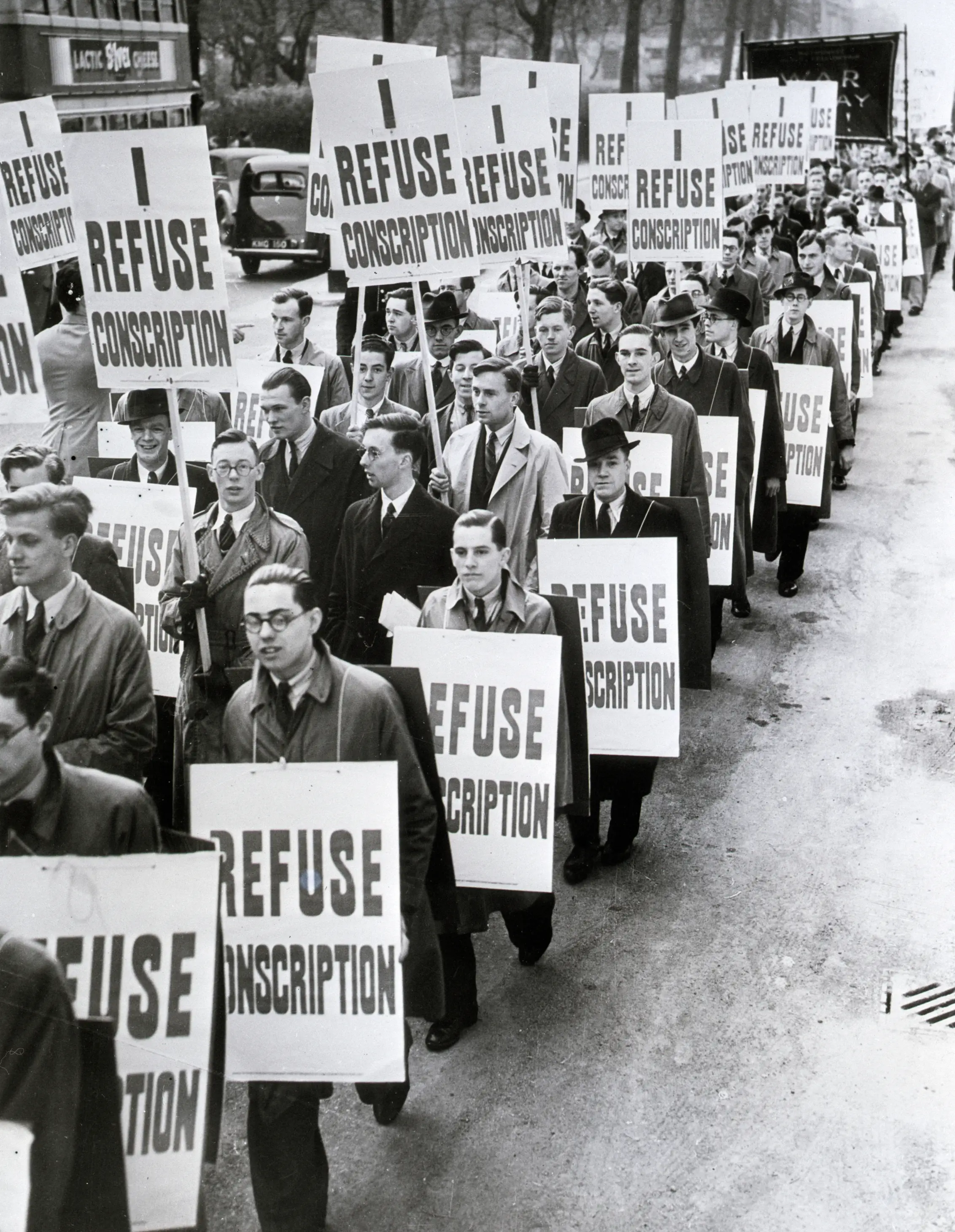
For individuals who refused to take on any work at all that was related to war, punishments could be severe.
They varied from hefty fines to prison time.
According to a statement Starmer's Labour government provided this weekend in response to Trump and Netanyahu's latest attack, however, these are queries that Brits don't yet need to concern themselves with.
His Secretary of State for Foreign and Commonwealth Affairs, Yvette Cooper, insisted it's 'simply not true' that the UK is being dragged into another Middle Eastern conflict.
Her claim came after Starmer confirmed that British planes were 'in the sky' in the Middle East as part of a defensive operation 'to protect our people, our interests and our allies'.
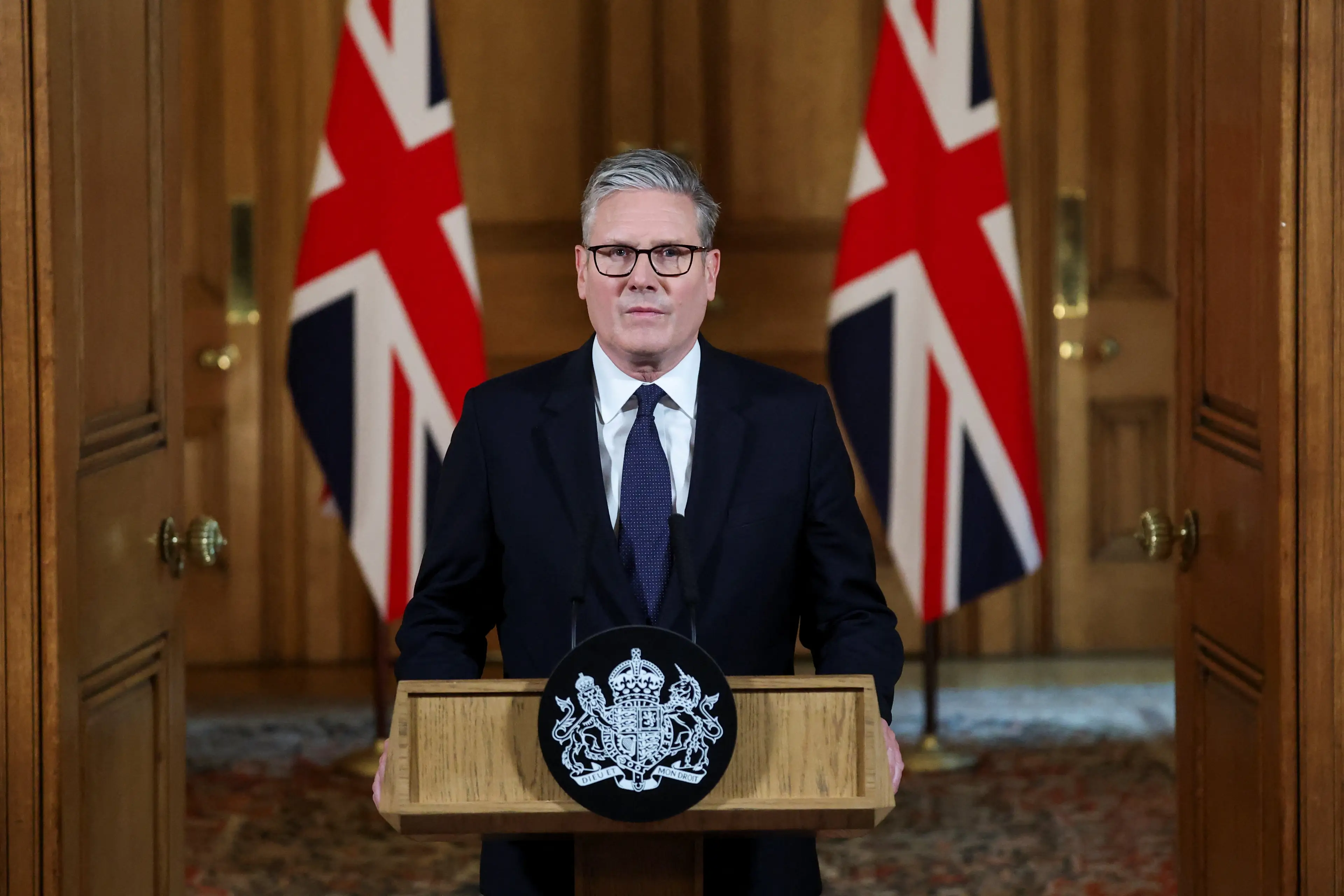
Standing by Trump, he also condemned Iran's retaliatory attacks on 'partners across the region' in a joint statement with the leaders of France and Germany, asking military leaders to 'refrain from indiscriminate military strikes'.
The PM added: "Iran can end this now. They should refrain from further strikes, give up their weapons programme and cease the appalling violence and oppression of the Iranian people – who deserve the right to determine their own future."
Cooper also touched on a reported Iranian drone strike on a British RAF base in Cyprus, telling Sky News: "We took a very specific decision not to provide support for strikes that were taking place over this weekend.
"We have been clear that we believe there should be a diplomatic process, negotiations process."
Topics: Politics, UK News, News, World News, US News
 Rhianna Benson