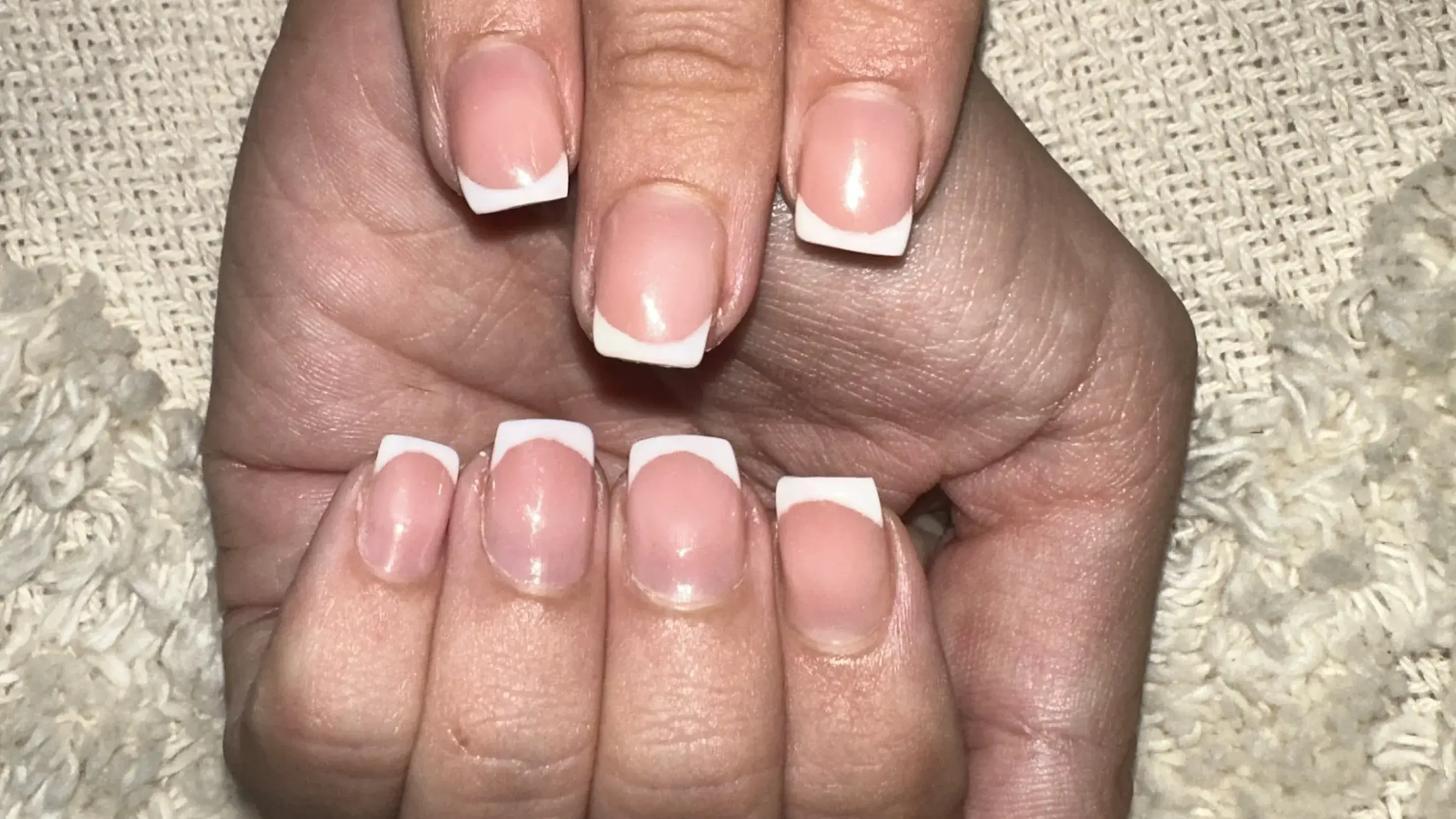
Nail gel ban has come into place in UK - here’s what it means

Gel manicures are loved for their glossy finish, long-lasting wear and convenience, but an ingredient ban that has arrived in the UK has left many nail lovers wondering what it means for their favourite manicure.
A chemical compound used in some gel nail products has been banned from cosmetic products sold in Great Britain as of August 2026. But what exactly is TPO, why has it been banned, and what does it mean for your manicure?
What is TPO?
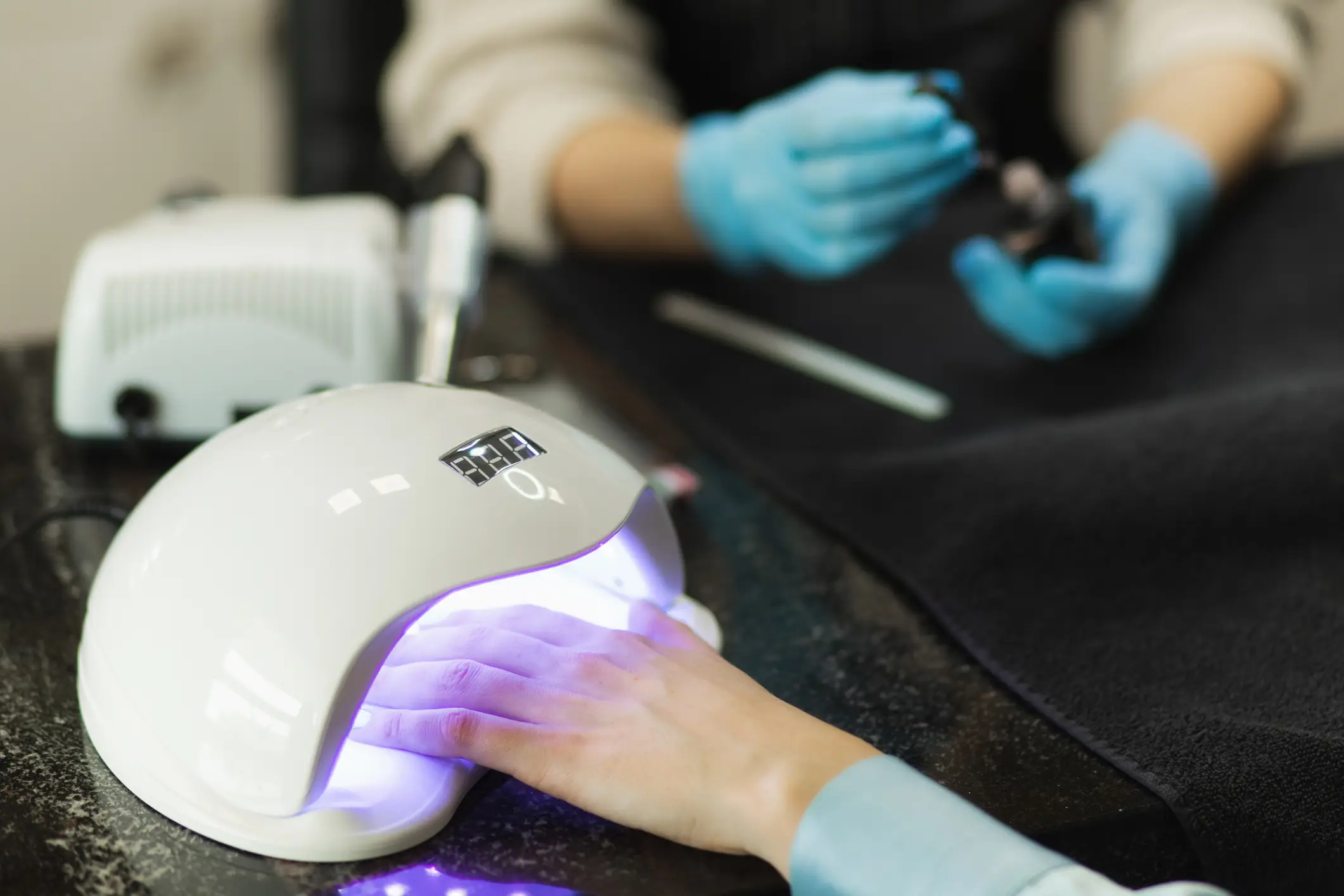
Trimethylbenzoyl diphenylphosphine oxide (TPO) is a photoinitiator used in gel nail products. It helps gel polish cure (harden) quickly under a UV or LED nail lamp while also maintaining colour stability.
When exposed to light at wavelengths of approximately 380–420 nm, TPO initiates polymerisation (curing), rapidly turning liquid resin into a hard, durable coating. It is particularly effective because it can cure even pigmented or opaque gel formulations.
Advert
Once the gel has fully cured, most or all of the TPO has been broken down and used in the curing process, with any tiny remaining amounts locked inside the hardened gel. This means there is very little opportunity for people to be exposed to free TPO from a properly cured nail coating.
How commonly is TPO used?
TPO has been widely used in professional gel nail products for many years. Nail technicians used the ingredient because it provides reliable curing gives the finished manicure a long-lasting finish. However it's usage in the industry has reportedly declined, with many leading brands swapping to alternatives free of TPO ahead of the regulatory changes.

Why was TPO banned in Europe?
TPO has come under increased regulatory scrutiny because it has been classified as a substance that could potentially affect reproductive health if people are exposed to very large amounts.
It's important to understand that this classification is based on a chemical's hazardous properties rather than the level of risk from everyday use. Studies have shown that very high doses of TPO could potentially affect fertility, but the amount used in nail products is much lower and is largely consumed during the curing process.
Although the actual risk from having a gel manicure is considered to be very low, EU law takes a precautionary approach. If an ingredient is classified as potentially harmful, it cannot be used in cosmetic products, even if the amount used is far below levels linked to health concerns.
The EU ban came into force on 1 September 2025, and the UK ban came into force on 15 August 2026.
"The concerns around TPO stem from animal studies using very high doses, which suggested it could affect fertility," explains Karina Dubinina, Founder of Backstage Salon. "This led to it being classified in the EU as a substance that may pose a risk to reproduction. However, it's important to keep these findings in context. The amount of TPO used in gel polish is extremely small, and when applied professionally it sits on the nail plate rather than the skin, so absorption is minimal. The ban is a precautionary step designed to remove even a theoretical risk from long-term, repeated exposure."
Why has the UK banned TPO?
Because the UK often aligns its cosmetic safety regulations with the European Union, it was widely expected that a similar ban would eventually be introduced in Great Britain.
In January, the Office for Product Safety and Standards (OPSS) published a Statutory Instrument updating the UK Cosmetics Regulations to include a ban on TPO.
Although the UK and EU now have separate regulations for chemicals and cosmetics, both have reached the same decision, with the UK introducing the ban on a different timetable.
"It's important to note that this is an ingredient ban, not a ban on gel nails or gel polish treatments," Charlotte Lowe, OPI Brand education Manager tells Tyla.
How will the TPO ban affect people who regularly get their nails done?
Lowe explains: "For most salon clients, the impact will be minimal. The professional nail industry has been aware of the upcoming changes for some time, and many leading brands have already updated their formulas. OPI GelColour was reformulated and relaunched in 2024 without TPO, and OPI GELevate™ 4-in-1 Builder Gel is also TPO-free.
As a result, nail professionals already have access to a wide range of high-performing products that meet the latest regulations.”
And Dubinina adds: "At Backstage, we’ve been using TPO-free gel systems for over a year, so this change doesn’t affect our clients. We always choose products that meet the latest safety standards. If even a small change can further improve client safety, we fully support it. It’s great to see so many professional brands already making the switch to TPO-free formulations."
When did the UK ban come into effect?
The dates differ depending on where you are in the UK.
Northern Ireland follows EU Cosmetics Regulation, meaning products containing TPO have not been legal to purchase there since 1 September 2025.
In England, Scotland and Wales, manufacturers could continue placing products containing TPO on the market until 15 August 2026. Retailers can continue selling existing stock until 14 February 2027.
Caroline Rainsford, director of science at The Cosmetic, Toiletry and Perfumery Association (CTPA), told Scratch magazine: "For product manufacturers, the 'placing on the market' deadline is 15 August 2026; the 'making available on the market' (off-shelf) deadline is 14 February 2027.
"This means that professionals will not be able to purchase products containing TPO after 14 February 2027. However, professionals operating in Great Britain can still use products they have already purchased after this date."
Should people getting their nails done with gels be worried?
"Absolutely not," Lowe says. "The regulation applies to an ingredient used across cosmetic products and does not mean gel nail products are unsafe or being banned. The industry has proactively adapted, and there are already many TPO-free alternatives available on the professional market including the full OPI gel portfolio. If you have any questions or concerns, speak to your nail technician before your appointment."
Dubinina tells Tyla: "It's an example of cosmetic regulations evolving as new scientific evidence becomes available. Clients should feel reassured that salons are already moving towards TPO-free products, and professional application has always helped minimise exposure. If you enjoy gel manicures, you can continue to do so with confidence, knowing there are plenty of safe alternatives already available."
 Greg Harris