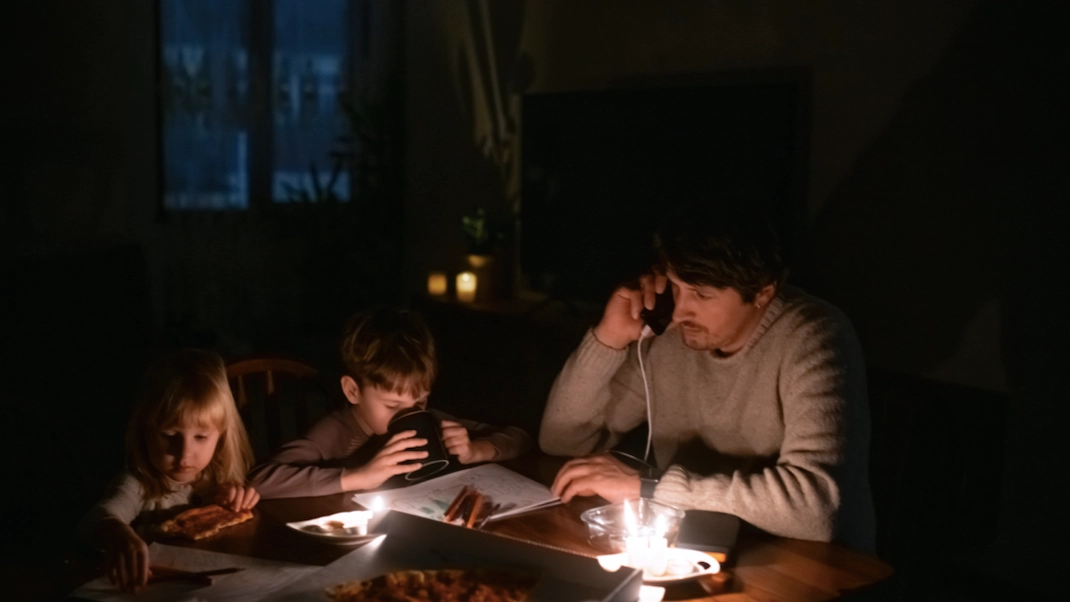
British Red Cross expert urges people not to make common preparation mistake during 'black sky event'

Brits should make sure they double check their food stockpile when making preparations for a potential ‘black sky event’.
The term describes a catastrophic failure of critical infrastructure, particularly the electricity grid, which could leave millions of people without power, running water, internet access, or even the ability to make card payments.
The UK government launched its ‘Be Ready’ campaign to encourage households to prepare for potential emergencies by having enough essential supplies to manage for at least 72 hours.
Food, water, medical supplies and physical cash are among the key essentials but there are some less obvious items and mistakes to avoid.
Advert
According to Matt E, director of Crisis Case, one of the most common preparation mistakes is buying military rations, commonly known as MREs, without first checking an important detail. While they might seem like the obvious choice for emergency food supplies, they may not always be the best option.
"We’re seeing some people buying cheap military rations (MREs) but finding out their food is weeks away from expiring, if not expired already,” he said.
Short expiry dates can make emergency food supplies less practical, particularly as it's impossible to predict when a crisis might occur or how long supplies may need to last. Keeping track of expiry dates and regularly checking stored provisions is essential to avoid waste and ensure everything remains suitable for use when needed.
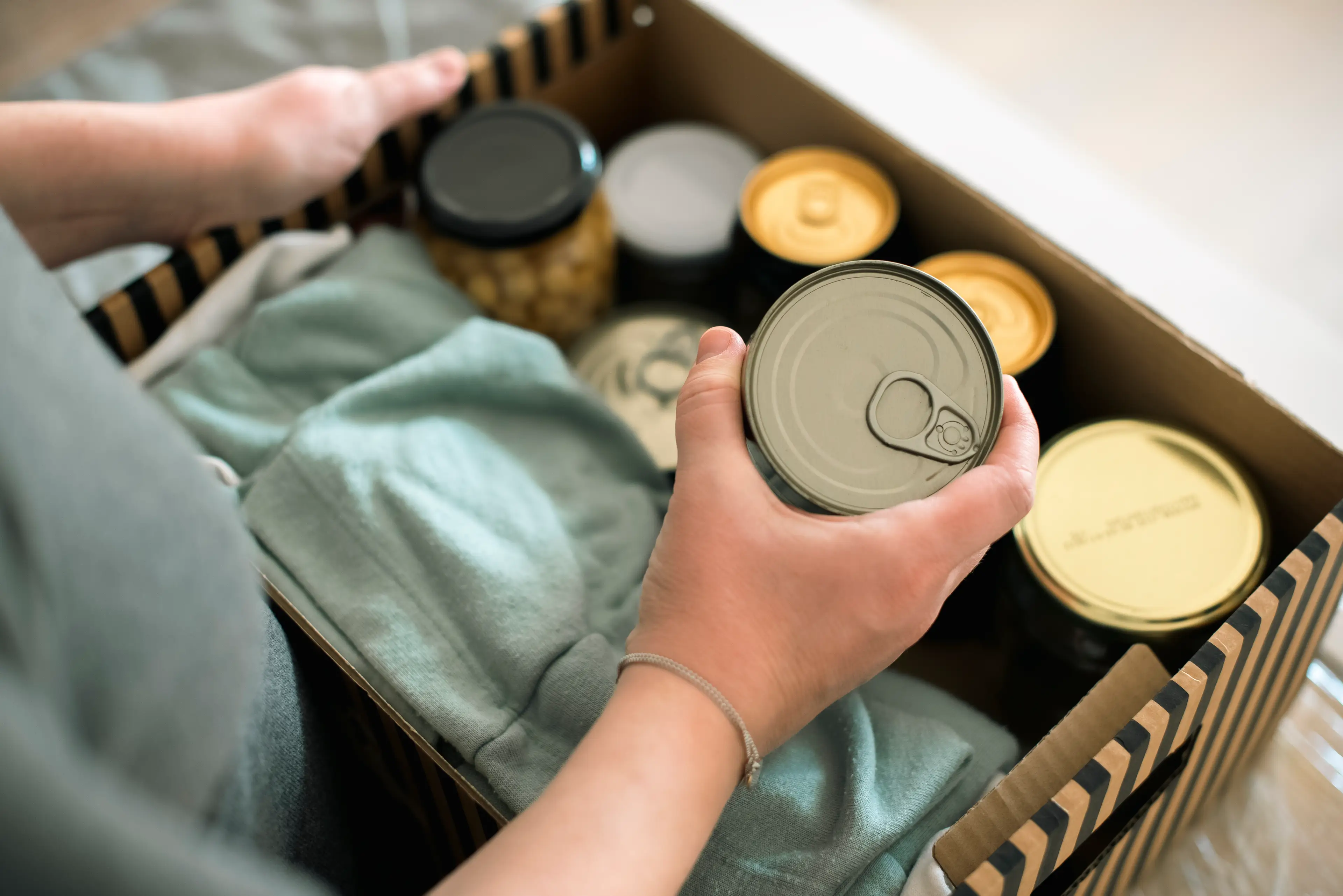
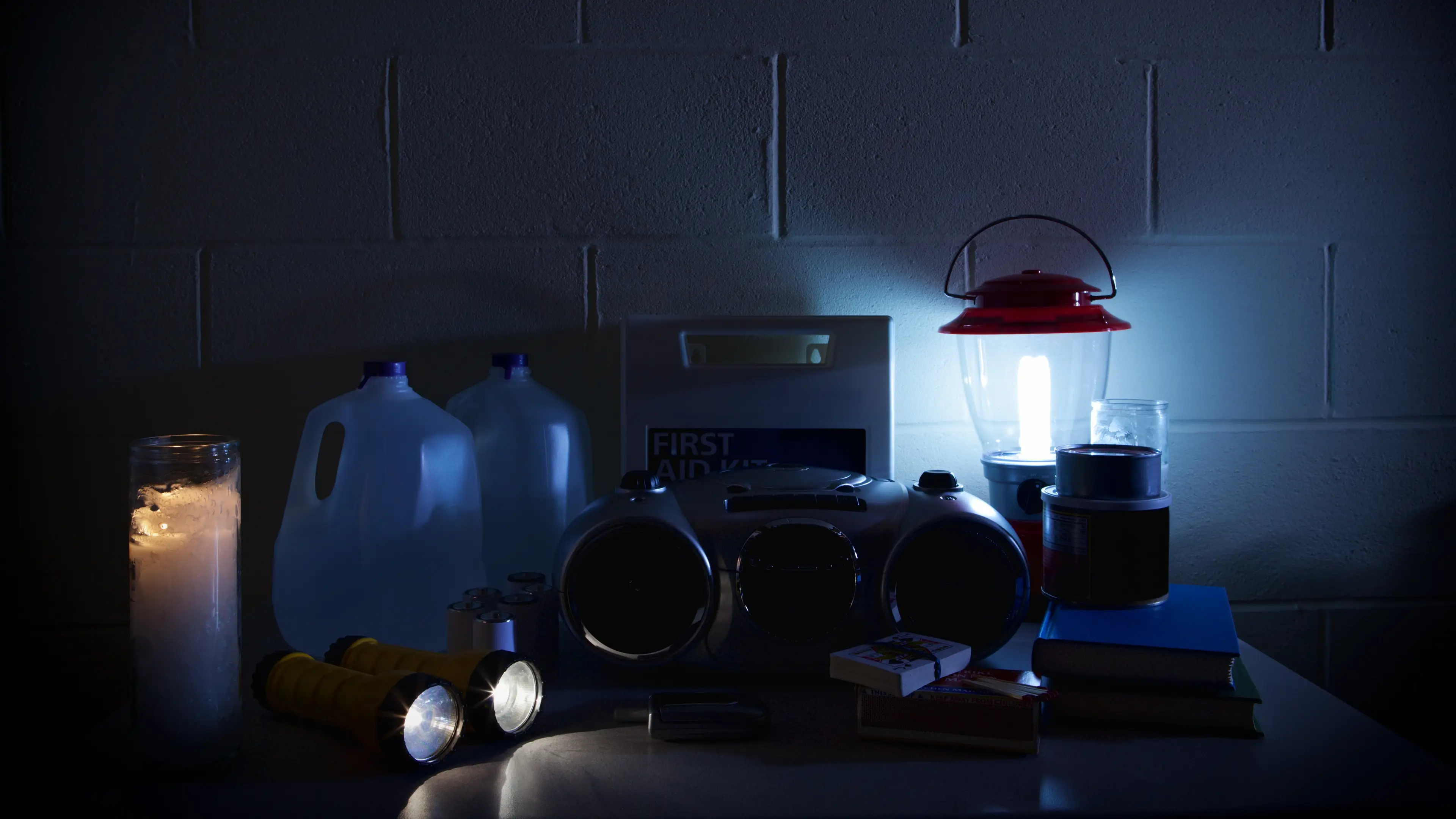
When asked what people should be stocking up on ahead of a potential black sky event, the advice is to focus on supplies that will remain accessible if essential infrastructure fails. "If the internet went down, supply chains would go down with it," they explain. "Shelf-stable food, a torch and a wind-up radio should suffice for the short term."
These provisions could make all the difference when access to everyday services and supplies becomes limited.
There are also some often-overlooked items that could prove particularly useful during an emergency. A solar generator, for example, could be invaluable for households reliant on electricity, which, as they point out, is 'most of us today'.
Alternatively, a butane heater could be worth investing in, particularly during the winter months, when losing central heating could make conditions at home considerably more difficult.
The government recommends around three litres per person per day, meaning a household of two would need approximately 18 litres to cover 72 hours.
You'll also want to consider having some extra water available for cooking and washing.
In terms of food, Brits are also being told that stocking up on non-perishable items that don't require cooking is particularly important, especially if electricity and gas supplies are affected.
Think tinned food, long-life milk, oats and nut butters - and don't forget a manual tin opener.
It is also worth keeping a written list of important telephone numbers, regular medications and their doses, as well as the radio frequencies you might need to tune into for updates.
After all, if your phone runs out of battery or mobile networks stop working, having everything stored digitally might not be much help.
Household necessities you'll need
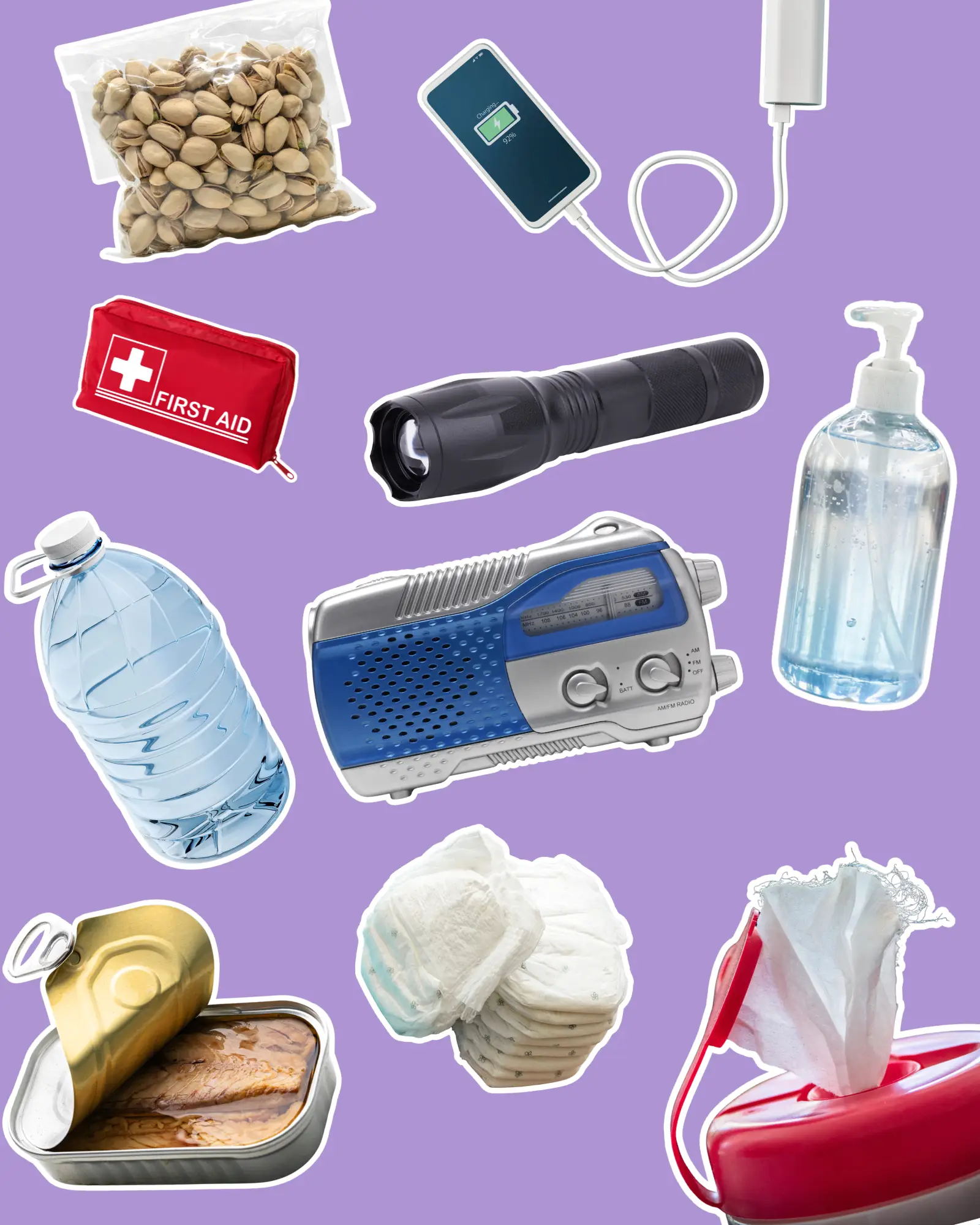
Other essentials worth having at home include:
- A torch and spare batteries
- A battery-powered or wind-up FM radio
- A fully charged power bank
- Blankets, sleeping bags and warm clothing
- Some cash, ideally a mixture of notes and coins
- A basic first-aid kit
- Essential medication
- Hand sanitiser and wet wipes
Topics: News
 Greg Harris