Why a black sky event could be riskier for one group of 1.6 million people after 31 January 2027

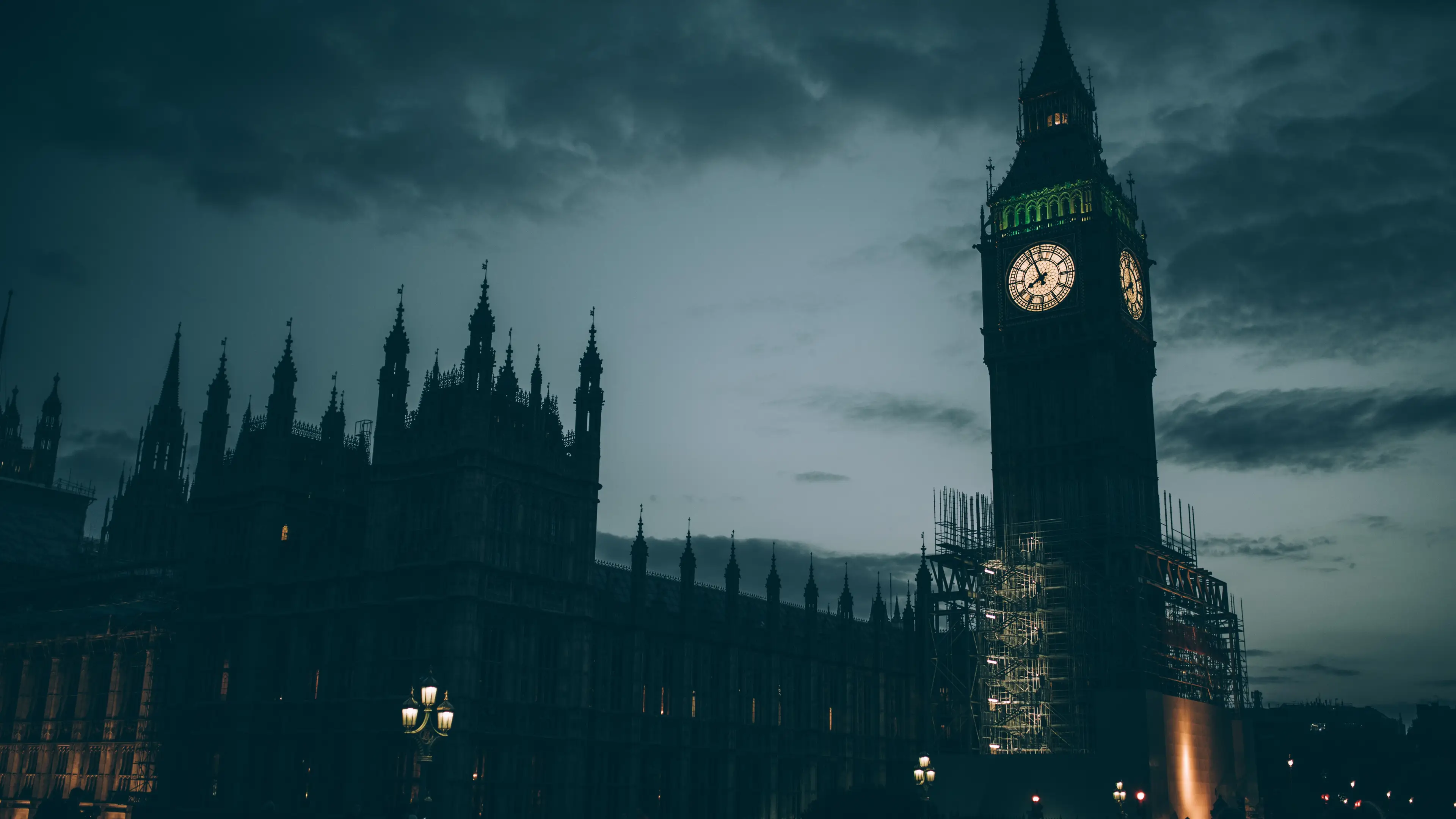
As the UK prepares for a black sky event – which could see severe and long-lasting disruption to Britain’s critical infrastructure – there is a key pillar of our communication system that is due to be retired.
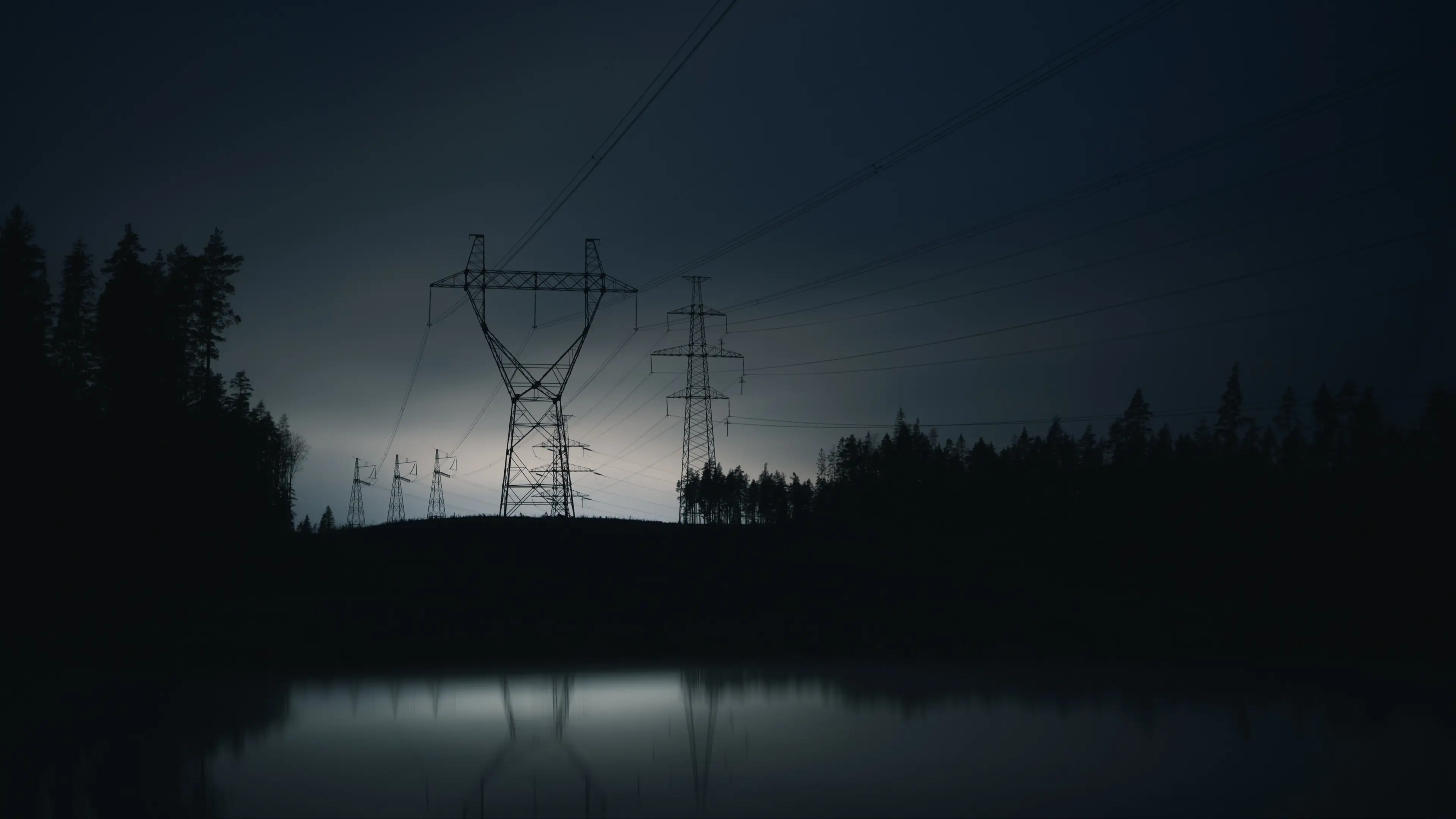
If the black sky event does come to pass, electricity, heating, water, internet, mobile communication and the banking system could all go down in the UK.
This means card payments could fail, mobile phones and computers may become useless, food would begin to perish, and the public transportation system could grind to a halt.
The old analogue phone network, which carries traditional landlines calls over the copper lines and can keep functioning in a power cut, will be retired on January 31 2027, Openreach says.
Advert
Landline calls are moving to digital services that run over broadband.

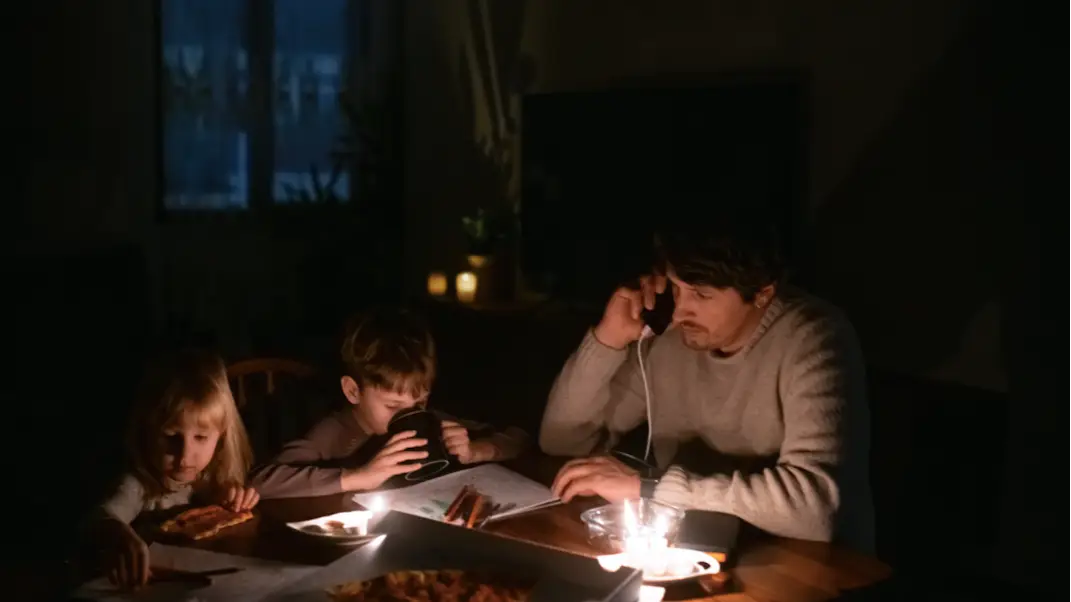
Unlike old lines, digital landlines don’t work in a power cut unless there’s battery backup.
Ofcom requires providers to offer a solution giving at least one hour of emergency calls.
Equipment that relies on analogue lines, such as alarm lines, door entry systems, fax machines and some card payment terminals, may stop working unless it’s upgraded.
Any broadband provided on the PSTN system and certain cash registers serviced this way may also stop working.
Commercial director at Lebara Mobile UK Mayur Jauhari said, “While mobile phones may still work, and mobile data may also be available, networks are likely to be at capacity with people trying to reach out to friends and family to check in on them.
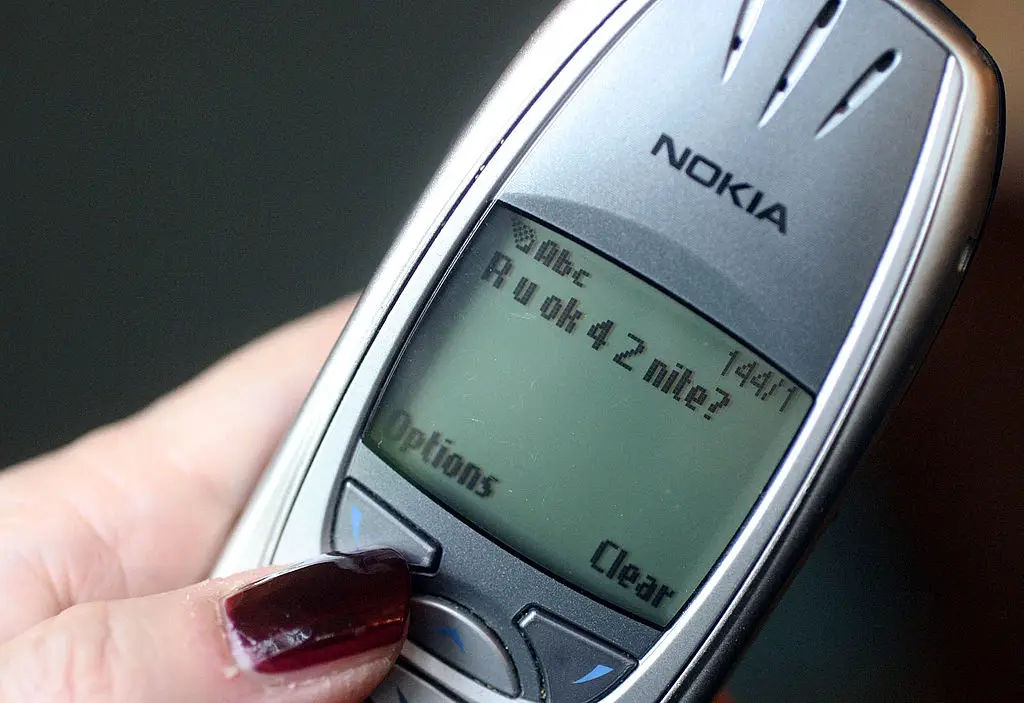
“Your best chance in this scenario is communicating via text, as these are more likely to get through if calls aren’t working.”
Age UK warned in July 2025 that 2.4 million older people either have no internet or limited internet.
According to Metro, people online were quick to criticise the move.
“What about emergencies and elderly people,” said one.
“This better be a lie as I won’t be able to contact my nana,” added a second.
“I work in telecoms and the saddest part is trying to explain this to elderly customers,” shared a third person.
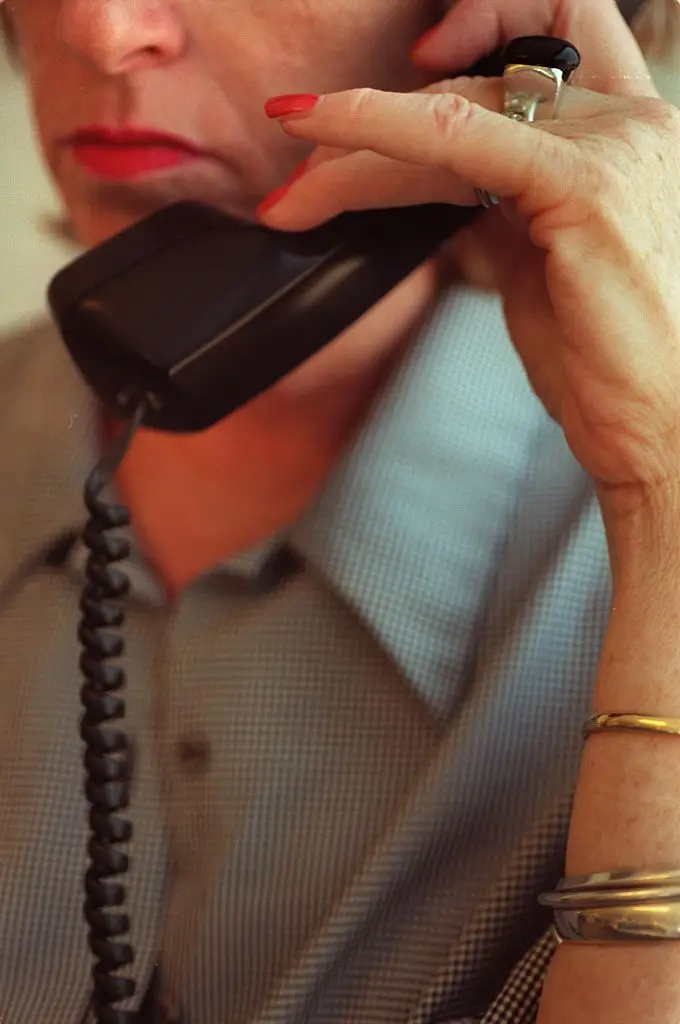
Of mobile phones, 1.6 million older people, around 12%, do not use the handheld devices at present - raising serious questions about how this group will communicate after January.
Charity Director at Age UK Caroline Abrahams, told Metro: “With only three months to go, the digital landline switchover is entering a critical final phase.
“Most people have moved over without major problems, but nobody who relies on their landline or telecare should be left behind.
Caroline advised anyone worried to contact their provider, but it is up to the provider to make sure they contact their customers to let them know of the changes.
“They need to keep trying to reach them and offer practical, individual support, recognising that some may be unwell, living with dementia, worried about scams or without anyone nearby to help.”
 Michael D. Carroll