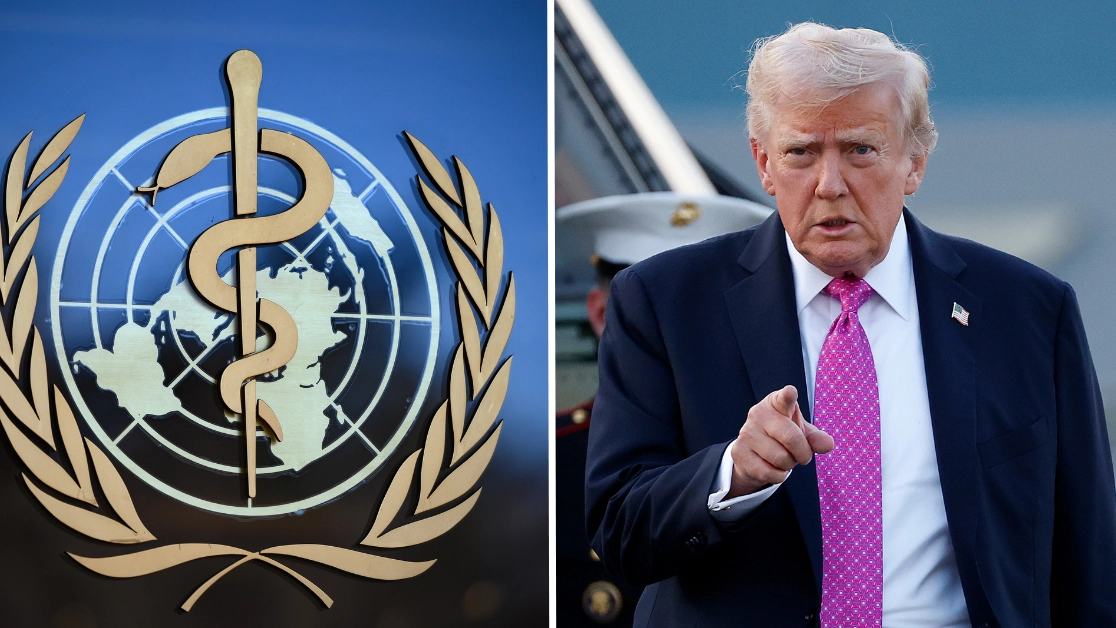
World Health Organisation issues concerning statement over US withdrawal

The World Health Organisation (WHO) has issued a statement in response to Donald Trump's controversial decision to withdraw America's membership.
Despite the US being one of the first nations to join the esteemed group upon its creation in 1948, the Republican leader claimed his decision had been spurred by the alleged 'China-centric' attitude of senior officials during the previous coronavirus pandemic.
Trump, 79, first voiced his intentions to leave the group last year, upon his inauguration into the White House for a second term.
His plea fell in line with an option previously set up by the American Congress to leave the body at any time, as long as a year's notice is provided.
Advert
It's important to note that this clause only applies if the country planning to leave has fulfilled its financial obligations beforehand, which the US has not yet done.
Trump is yet to pay his outstanding 2025 payments, and the final year of his Democratic predecessor Joe Biden's term, in 2024.
How has Trump been allowed to leave?
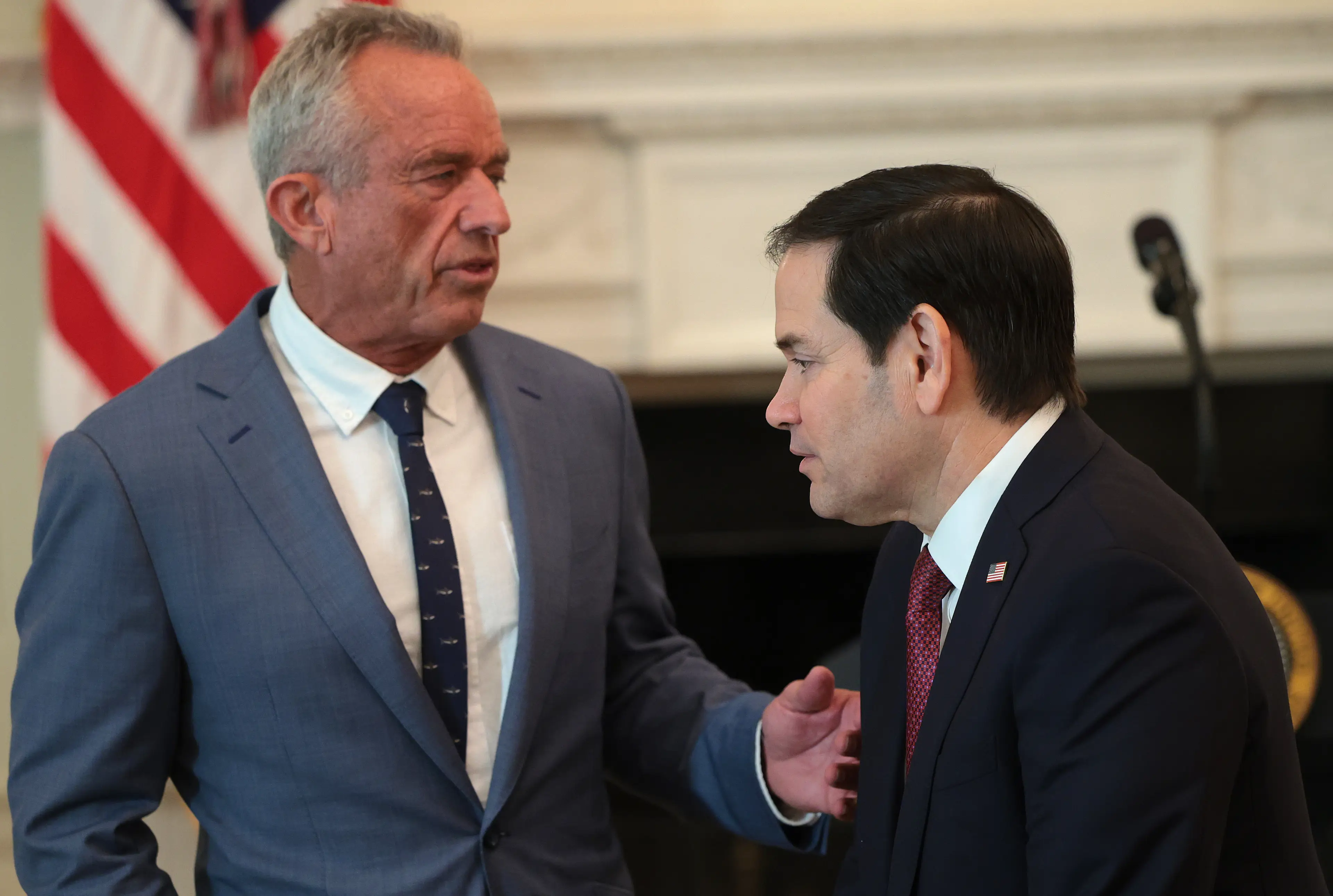
This was seemingly brushed over, however, in a joint statement from US Health Secretary Robert F Kennedy and Secretary of State Marco Rubio released last year, which alleged: "The WHO tarnished and trashed everything that America has done for it."
The pair also claimed the organisation had 'abandoned its core mission and acted repeatedly against the interests of the United States'.
"Going forward, US engagement with the WHO will be limited strictly to effectuate our withdrawal and to safeguard the health and safety of the American people," they continued.
The decision has since sparked quite the debate online, with some critics concerned with US scientists being unable to access vital databases for monitoring infection rates, as well as American doctors being out of the loop with any major changes to vaccine manufacturing.
Some health professionals have also expressed worry over the potential harm that'll be inflicted upon the way that the States prepare for and respond to emerging disease threats.
Though WHO's Director-General, Dr Tedros Ghebreyesus, claimed he was already willing to forgive some aspects of Trump's decision. Although Dr. Judd Walson - chair of international health at the Johns Hopkins Bloomberg School of Public Health - claimed the organisation has 'signalled - very intentionally' that they wish 'to continue to work with' America, a new statement by the group has since hinted otherwise.
What have WHO officials said now?
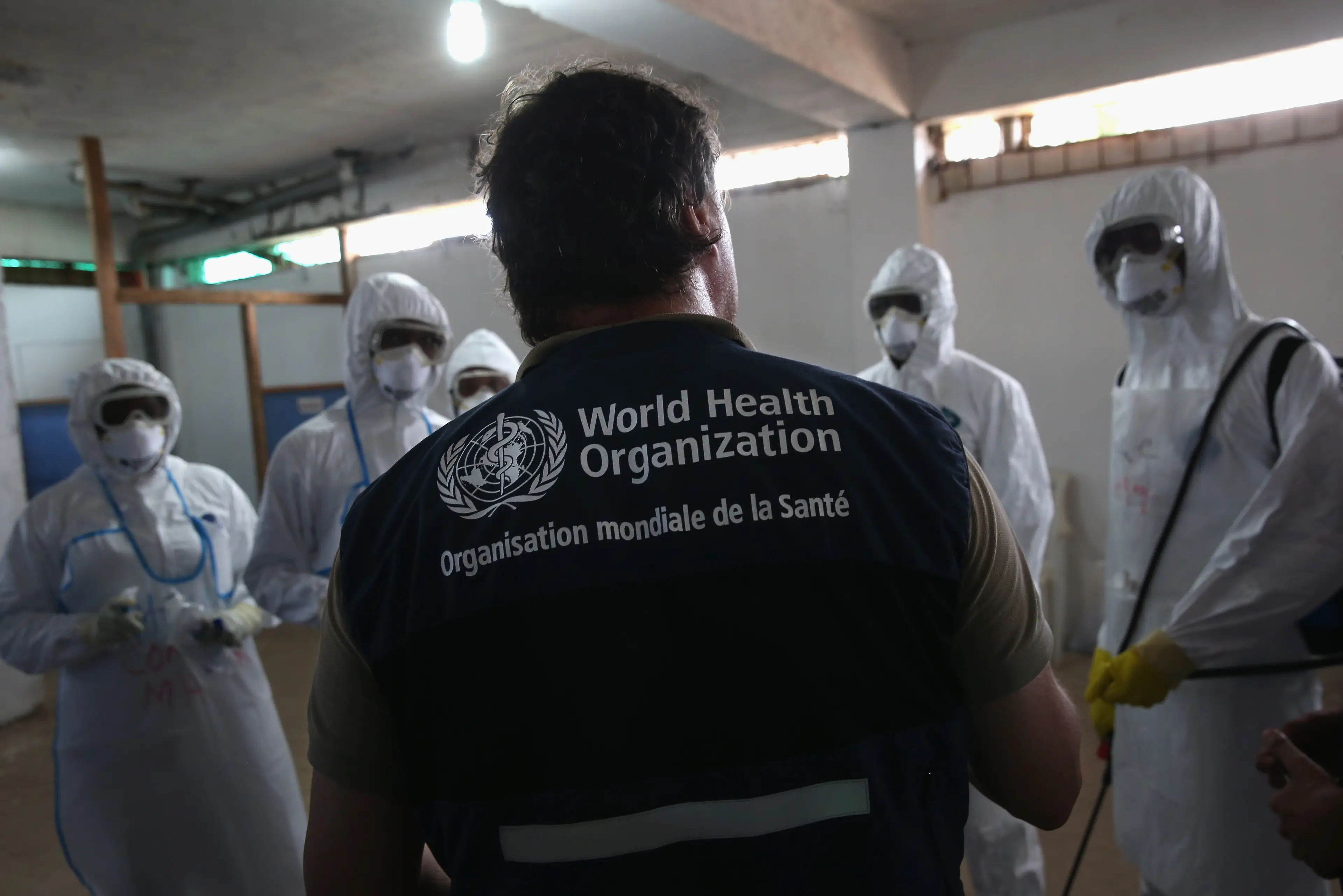
In a new statement shared on Saturday (24 Jan), members began by praising the 'significant contributions' that the US has made to some of WHO's greatest achievements - 'including the eradication of smallpox, and progress against many other public health threats including polio, HIV, Ebola, influenza, tuberculosis, malaria, neglected tropical diseases, antimicrobial resistance, food safety and more'.
The message went on to express 'regret' over America's withdrawal, slamming it as 'a decision that makes both the United States and the world less safe'.
"The notification of withdrawal raises issues that will be considered by the WHO Executive Board at its regular meeting starting on 2 February and by the World Health Assembly at its annual meeting in May 2026," it went on to note.
On the allegations from the US government that the WHO has 'insulted' the body, senior officials claimed: "The reverse is true. As we do with every Member State, WHO has always sought to engage with the United States in good faith, with full respect for its sovereignty."
How did they respond to 'China-centric' Covid-19 allegations?
Honing in on the Covid-specific accusations made by Trump's team, the WHO continued: "While no organisation or government got everything right, WHO stands by its response to this unprecedented global health crisis.
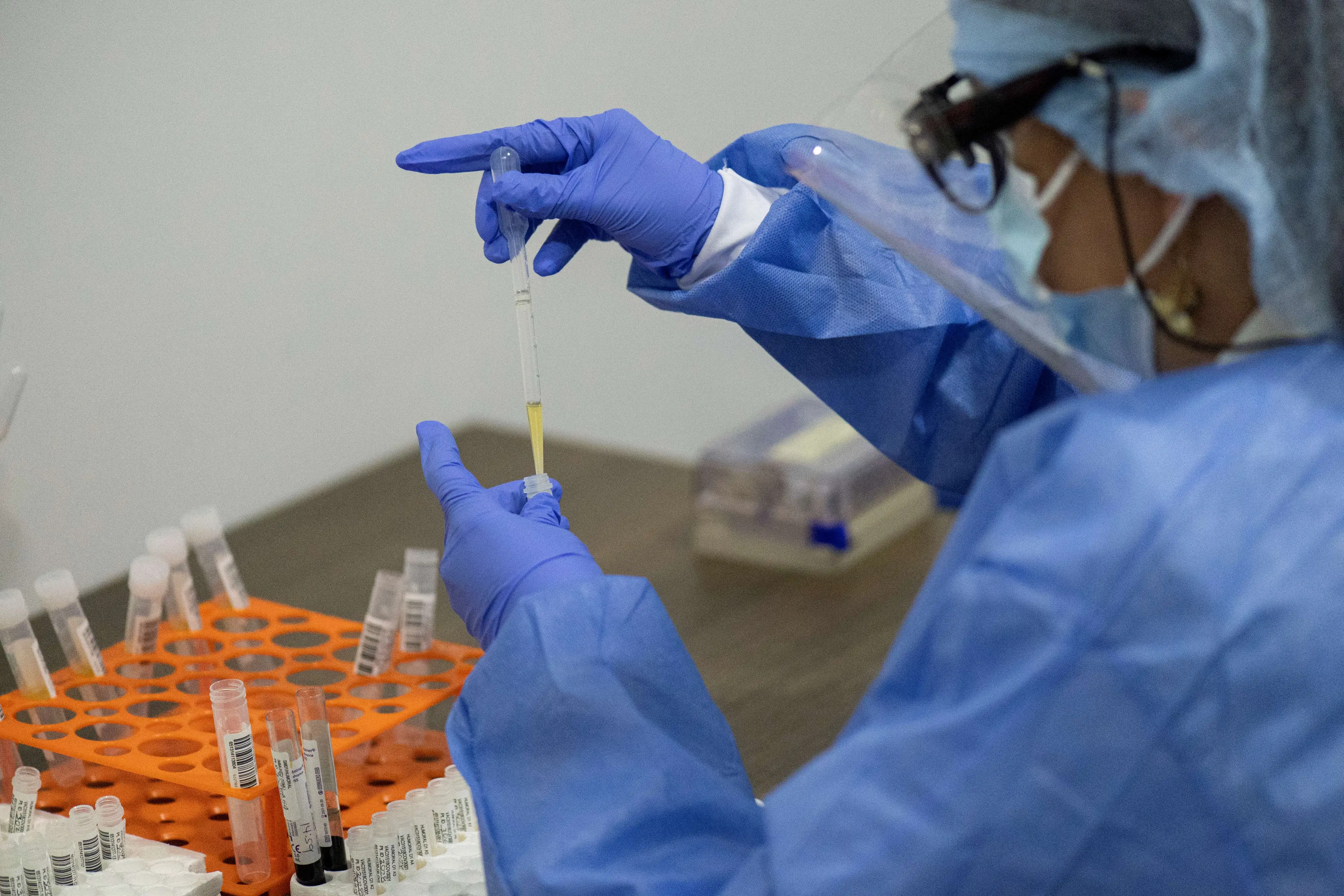
"Throughout the pandemic, WHO acted quickly, shared all information it had rapidly and transparently with the world, and advised Member States on the basis of the best available evidence.
"WHO recommended the use of masks, vaccines and physical distancing, but at no stage recommended mask mandates, vaccine mandates or lockdowns."
The message insisted that the body had 'supported sovereign governments' to make the best decisions for their people, but ultimately, these leaders were responsible for the instructions they handed out nationally.
They claimed: "Immediately after receiving the first reports of a cluster of cases of 'pneumonia of unknown cause' in Wuhan, China on 31 December 2019, WHO asked China for more information and activated its emergency incident management system.
"By the time the first death was reported from China on 11 January 2020, WHO had already alerted the world through formal channels, public statements and social media, convened global experts, and published comprehensive guidance for countries on how to protect their populations and health systems."
The statement continued with this point: "When the WHO Director-General declared COVID-19 a public health emergency of international concern under the International Health Regulations on 30 January 2020 - the highest level of alarm under international health law - outside of China there were fewer than 100 reported cases, and no reported deaths."
Looking back on 'the first weeks and months of the pandemic', officials claim the WHO's Director-General 'urged all countries repeatedly to take immediate action to protect their populations'.
"In response to the multiple reviews of the COVID-19 pandemic, including of WHO’s performance, WHO has taken steps to strengthen its own work, and to support countries to bolster their own pandemic preparedness and response capacities," the team insisted.
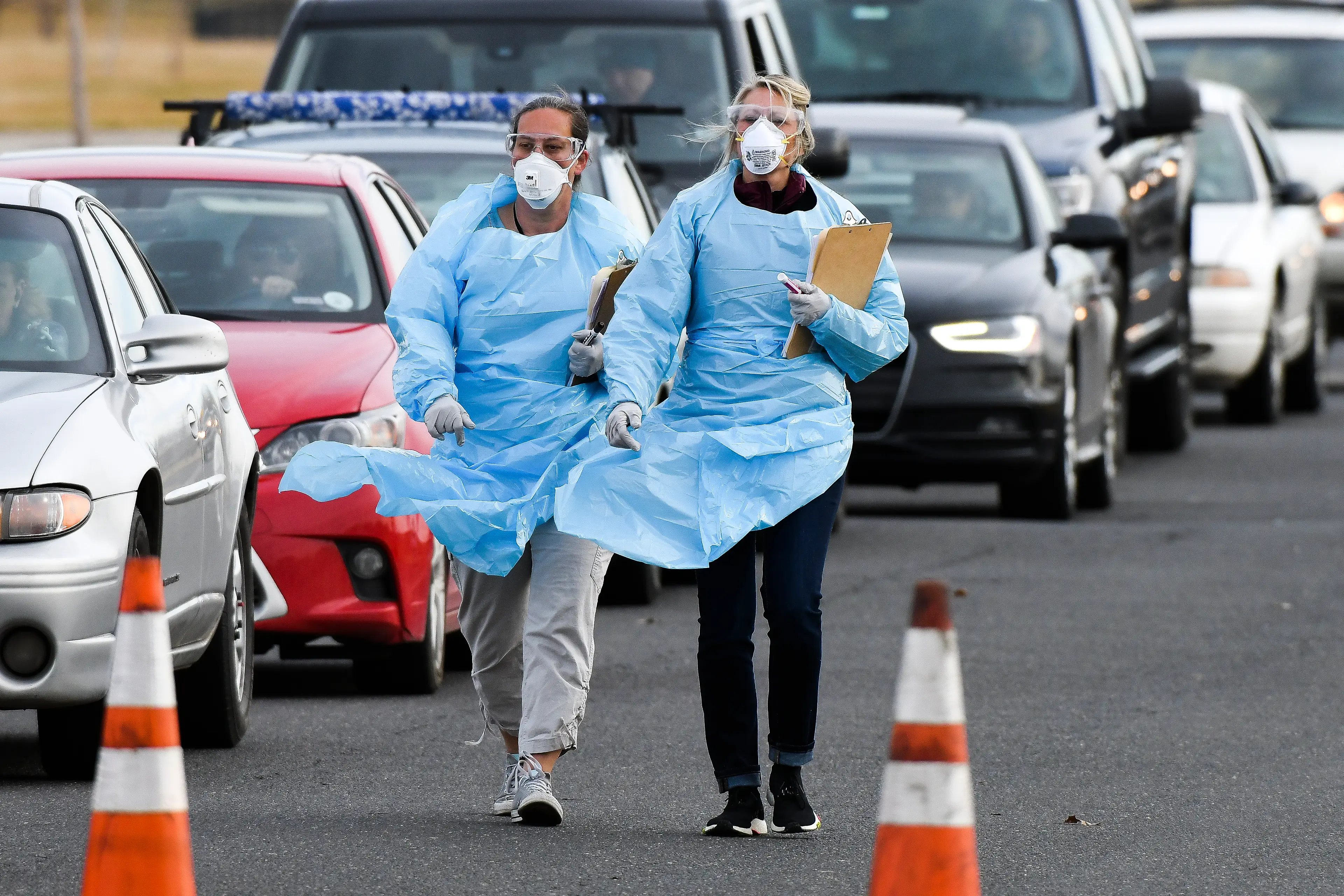
"The systems we developed and managed before, during and after the emergency phase of the pandemic, and which run 24/7, have contributed to keeping all countries safe, including the United States."
What about claims that the WHO are biased towards other members?
In their latest statement, officials also addressed the allegation that the health body had 'pursued a politicized, bureaucratic agenda driven by nations hostile to American interests', describing it as 'untrue'.
"As a specialised agency of the United Nations, governed by 194 Member States, WHO has always been and remains impartial and exists to serve all countries, with respect for their sovereignty, and without fear or favour," the message went on to insist.
"WHO appreciates the support and continued engagement of all its Member States, which continue to work within the framework of WHO to pursue solutions to the world’s biggest health threats, both communicable and noncommunicable."
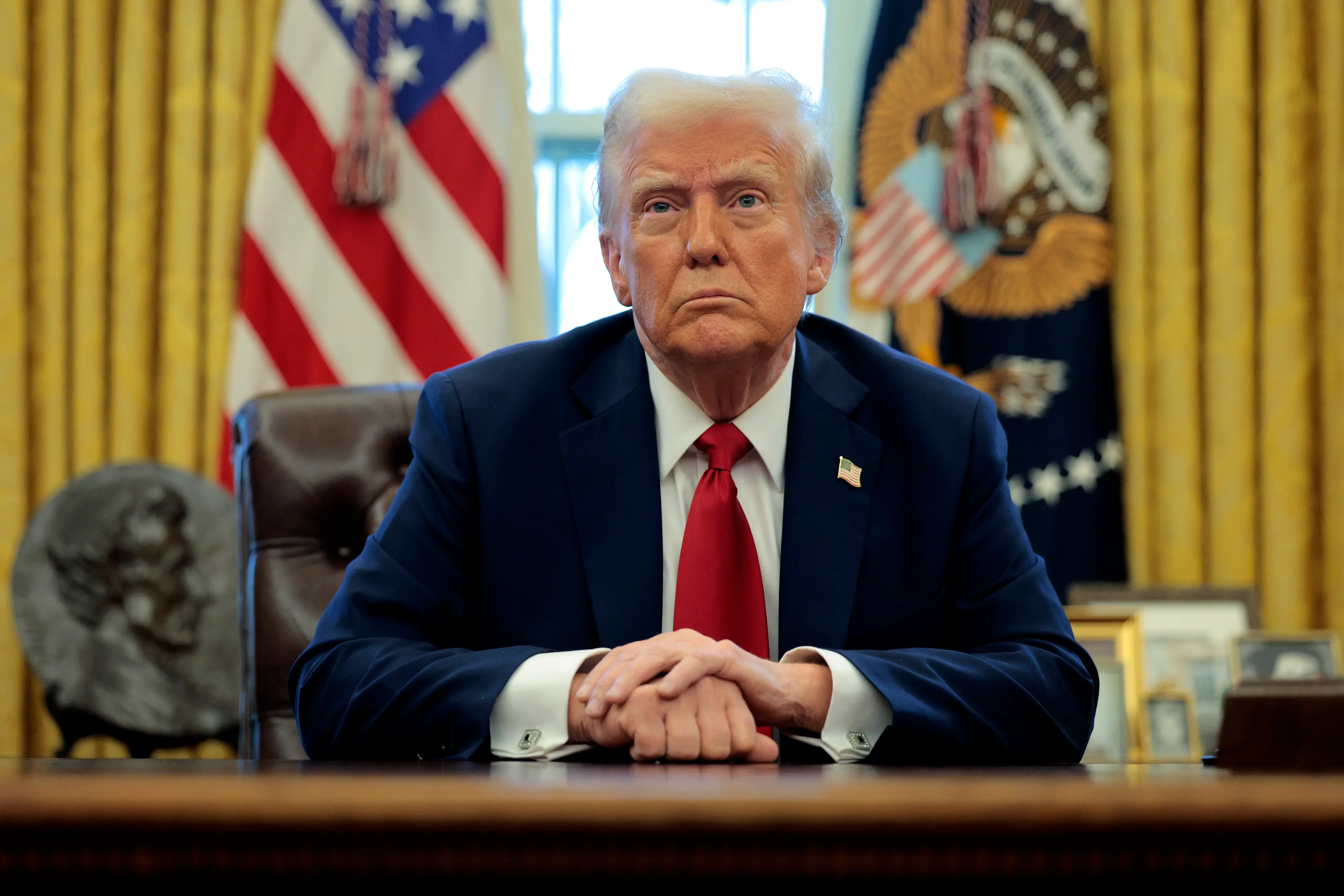
It added: "Most notably, WHO Member States last year adopted the WHO Pandemic Agreement, which once ratified will become a landmark instrument of international law to keep the world safer from future pandemics.
"Member States are now negotiating an annex to the WHO Pandemic Agreement, the Pathogen Access and Benefit Sharing system, which if adopted will promote rapid detection and sharing of pathogens with pandemic potential, and equitable and timely access to vaccines, therapeutics and diagnostics."
What else the WHO said in their statement?
Finalising their statement, WHO senior officials claimed they 'hope' to see the United States to 'return to active participation' in 'the future'.
"Meanwhile, WHO remains steadfastly committed to working with all countries in pursuit of its core mission and constitutional mandate," they added. "The highest attainable standard of health as a fundamental right for all people."
Topics: Donald Trump, Politics, US News, World News, Health
 Rhianna Benson