Kitchen worktops linked to deadly incurable disease you’ve probably never heard of

Kitchen worktops have been linked to a deadly incurable disease, with campaigners now warning that the trendy home renovation staple could be putting workers’ lives at risk.
Quartz worktops have become a huge part of modern kitchen makeovers, often popping up in glossy renovation videos, interiors accounts, and before-and-after transformations.
They’re loved for looking sleek, clean, and high-end, while often being cheaper and more consistent in appearance than natural marble or granite.
However, a Sky News investigation has raised serious health concerns over what happens before the finished slabs ever make it into someone’s home.
Advert
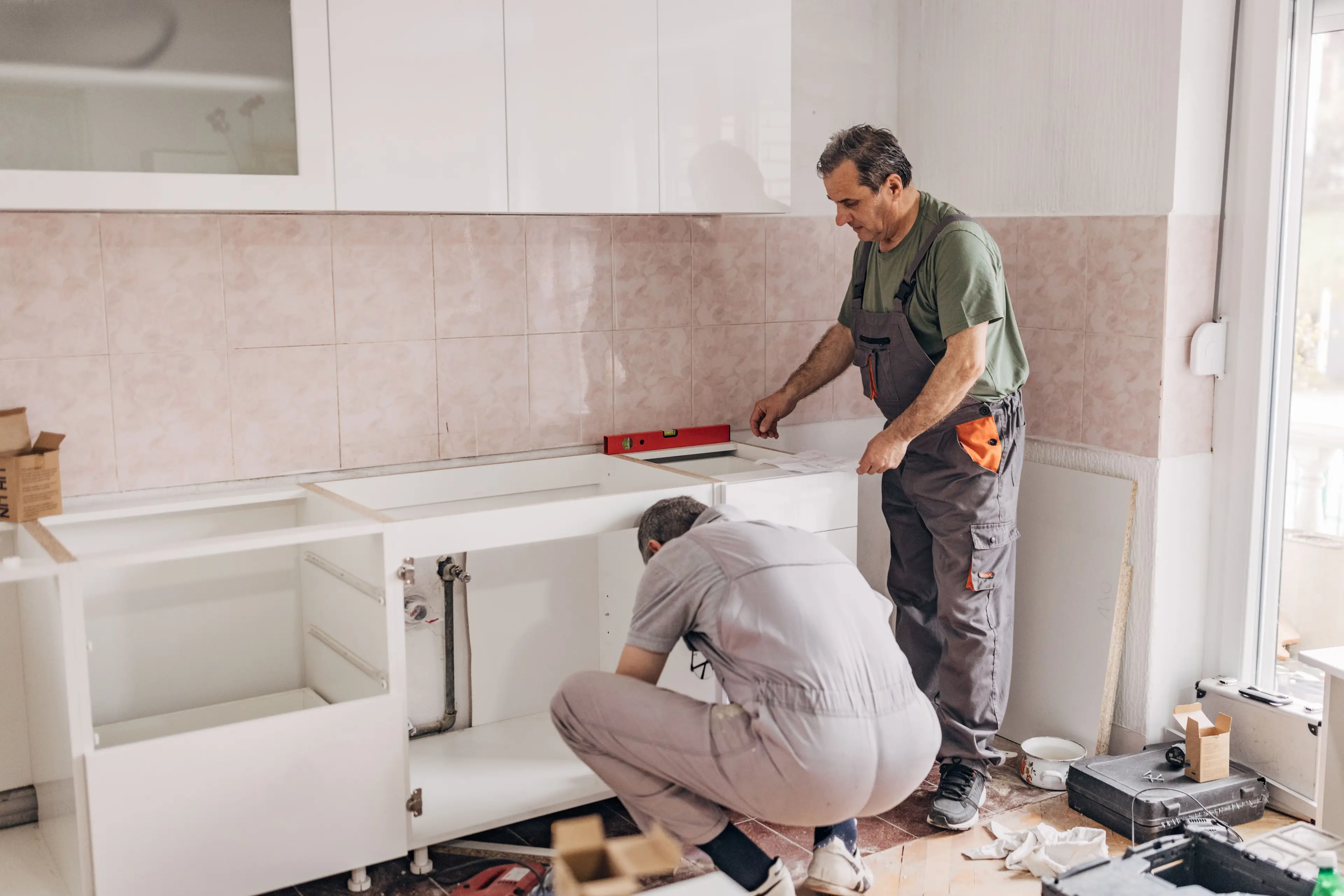
The warning does not centre on people using a completed worktop day to day. Instead, it focuses on the workers who cut, polish, and shape engineered stone in workshops to get them ready for their homes.
The disease is silicosis, an incurable lung condition caused by breathing in tiny particles of crystalline silica dust.
Engineered stone can contain up to 95 percent crystalline silica, and when slabs are cut or polished, microscopic dust can be released into the air. Once inhaled, that dust can scar the lungs beyond repair.
What has alarmed doctors is that this newer, accelerated form is not only affecting older workers after decades in heavy industry. Cases are now being seen in men in their 20s, 30s, and 40s after just a few years of exposure.
The investigation featured stonemason Marek Marzec, who spent years cutting quartz kitchen worktops in poorly ventilated workshops.
Speaking from his hospital bed before his death in November 2024, as noted by the Daily Express, the 48-year-old described conditions inside some factories as ‘like when you are in a tornado’.

He said: “We just had masks, and there was no extractor at all. You wouldn’t see anything a yard away from you.”
Marzec, who moved to Britain hoping to build a better life for his family, said the work had left him ‘unable to breathe and in terrible pain.’
He added: “I cannot tell you how angry I am that I was allowed to work in these conditions and that my life has been cut short simply for doing my job.”
Dr Jo Feary, a thoracic consultant treating affected workers, warned: “We are seeing young men in their 20s and 30s with a disease that we used to see in miners in their 70s. This is an entirely preventable, man-made epidemic.”
Another worker, Wessam, died aged just 28 after his condition deteriorated so quickly that he became too ill to receive a lung transplant.
His medical notes stated: “Deteriorated and died in hospital…Not suitable for transplant as too unwell.”

Campaigners say the deaths are avoidable, as the dangers of the dust can be reduced through wet-cutting, ventilation, and proper extraction systems.
Australia banned engineered stone last year over health fears, but critics say the UK has been too slow to act.
Ian Lavery, chair of the All-Party Parliamentary Group on Occupational Safety and Health, said: “No more lives should be cut short by a dust we’ve known how to control for centuries. This is a silent, ongoing tragedy.”
Before his death, Marzec said: “It is time for urgent action to stop these dangerous working conditions before other stone workers contract this terrible disease and die. I’m sure more people will fall ill.”
 Ben Williams