Hundreds of deaths suspected of being linked to weight-loss jabs

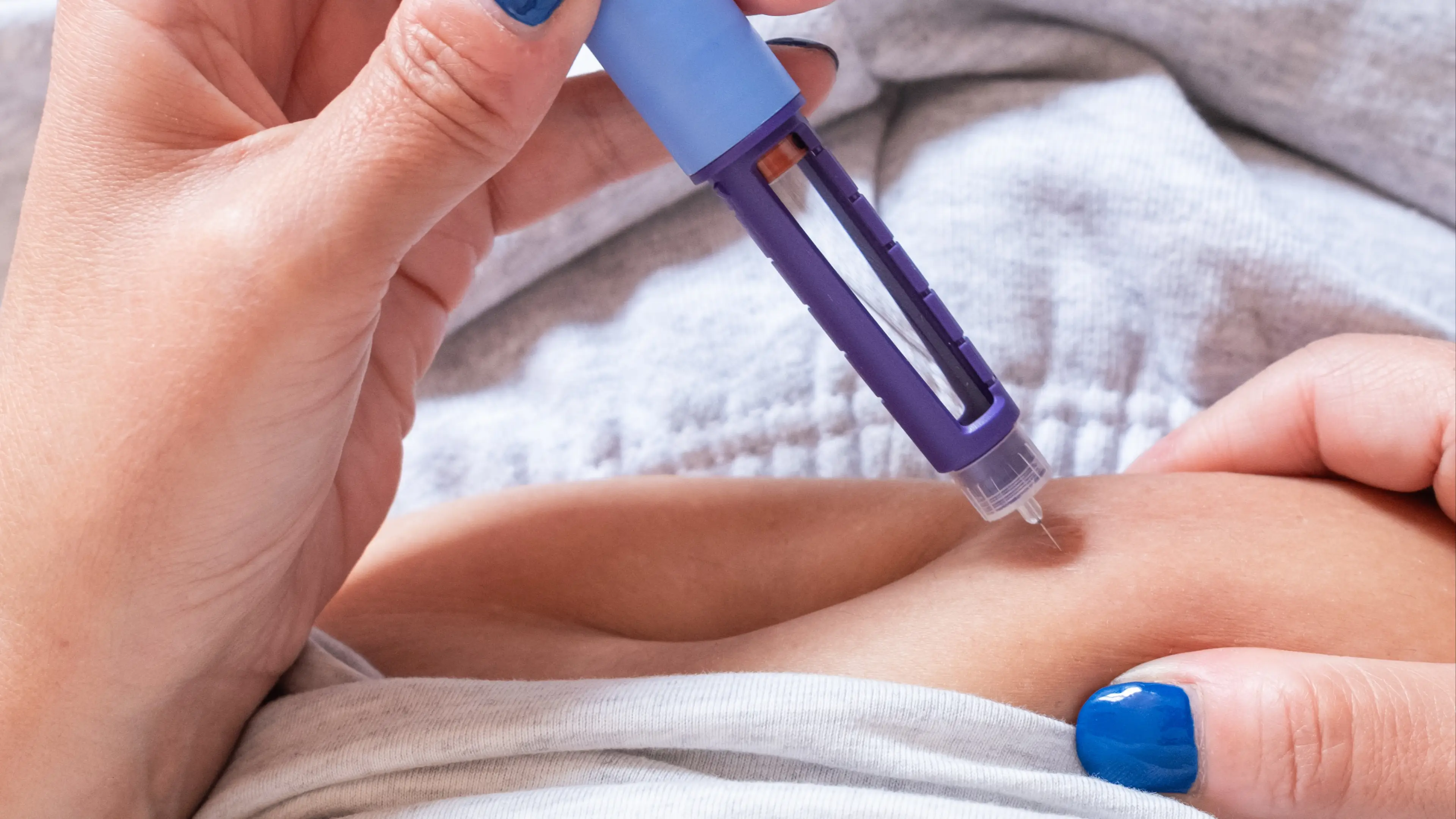
Figures suggest that health officials have received reports of more than 200 deaths suspected of being linked to weight-loss jabs.
The use of injectables like Mounjaro and Wegovy has soared in the UK, with at least 1.6 million people trying it out for themselves in the past year.
While they were initially designed to help manage health conditions like type two diabetes, some medications are now approved for weight loss too due to their appetite-suppressing effects.
The drugs involved work by mimicking a hormone called GLP-1, which makes people feel fuller.
Advert
However, regulators have now received reports of more than 200 deaths and over 158,000 adverse reactions linked to the popular medications.

If people suspect that an adverse reaction is linked to a medicine, they can report it to the Medicines and Healthcare Products Regulatory Agency’s (MHRA) Yellow Card Scheme.
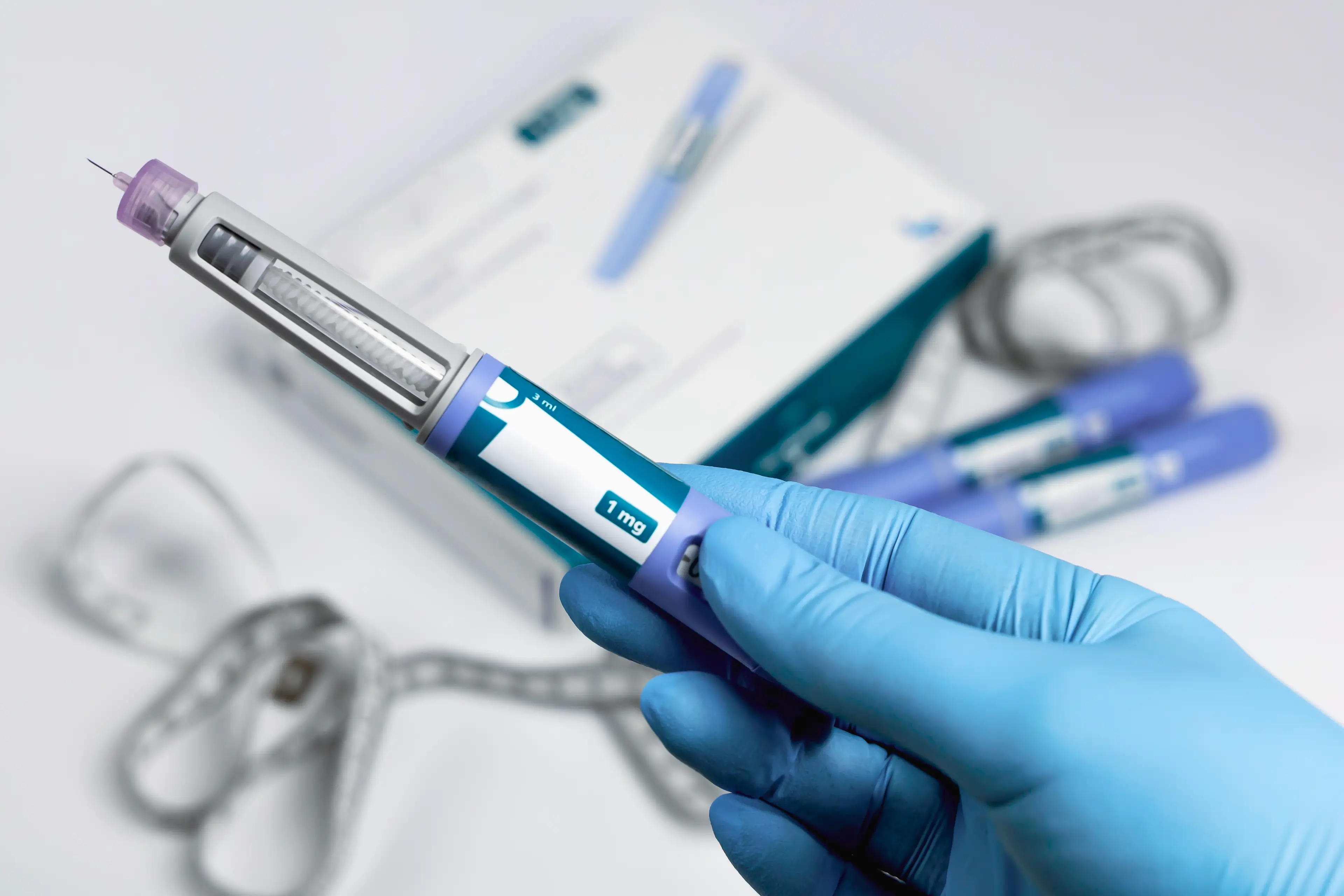
Data from the scheme indicate that 106,189 adverse reactions – including gastrointestinal problems – and 120 deaths have been reported regarding tirzepatide, which is sold under the brand name Mounjaro.
Meanwhile, 48,089 reactions and 59 deaths are suspected to have been linked to semaglutide, which is the active ingredient for another weight-loss drug, Wegovy.
Semaglutide is also the active ingredient for diabetes treatments Ozempic and Rybelsus.
Finally, 4,491 adverse reactions and 37 deaths have been reported as being suspected to be linked to liraglutide, which is sold under the brand name Saxenda.
However, it’s important to note that the regulator said that adverse reactions and deaths reported to its Yellow Card Scheme didn’t necessarily mean that the death or the reaction was caused by the medicine, only that the reporter had a suspicion it may have been.
An MHRA spokesperson said: “It is important to place these reports in the context of the millions of GLP-1 prescriptions issued in the UK.
“Reporting volumes can be influenced by increased use, greater awareness of a potential adverse reaction and other factors.
“As with all medicines, the safety of GLP-1s are kept under continual review, including emerging evidence from spontaneous data and scientific publications.”
They added: “Any potential updates regarding the safety for these medicines would be promptly communicated to patients and healthcare professionals, and appropriate steps taken to mitigate any identified risk.”
The spokesperson clarified that ‘of the current evidence, the benefits of GLP-1 receptor agonists outweigh the potential risks when used in line with their authorised uses’.
While Health Secretary Yvette Cooper told LBC Radio: “We have a whole system of health safety regulations in place where experts will do monitoring of any adverse impacts, of any safety reports, any concerns that are raised.
“And the good thing about the fact that we have a National Health Service means that all of those reports can be collected together – all of them can be monitored.”

The politician reassured: “And we ensure that those experts, the expert regulators, are monitoring that at all times and making sure if there are any wider concerns, if there are any issues that need to be raised, then they are brought to the health secretary, to health ministers, as well as to the public, to make sure that safety is always paramount.”
A Novo Nordisk spokesperson told Tyla: “At Novo Nordisk we care deeply about patient safety. Like all medicines, treatments used for chronic conditions can have side effects, and these can vary from person to person. That is why medicines should be prescribed by, and used under the supervision of, a healthcare professional, who can consider the potential benefits and risks for each individual.
“We recommend that any patient experiencing side effects while taking GLP-1 RA medicines report them to their healthcare provider and via the MHRA Yellow Card scheme: https://yellowcard.mhra.gov.uk/.”
While a spokesperson from Eli Lilly added: “Patient safety is Lilly’s top priority. We take reports regarding patient safety seriously and actively monitor, evaluate, and report safety information for all our medicines.
“Regulatory agencies conduct extensive independent assessments of the benefits and risks of every new medicine. Patients taking Mounjaro (tirzepatide), like with any other prescription medicine, may experience adverse events. Adverse events should be reported under the MHRA’s Yellow Card scheme.
“Mounjaro (tirzepatide) should only be used when prescribed by a healthcare professional. We encourage patients to consult their doctor or other healthcare professional regarding any side effects they may be experiencing and to ensure that they are getting genuine Lilly medicine.”
 Madison Burgess