Experts explain what to avoid if bitten by bug that feeds on human skin as hatching season begins

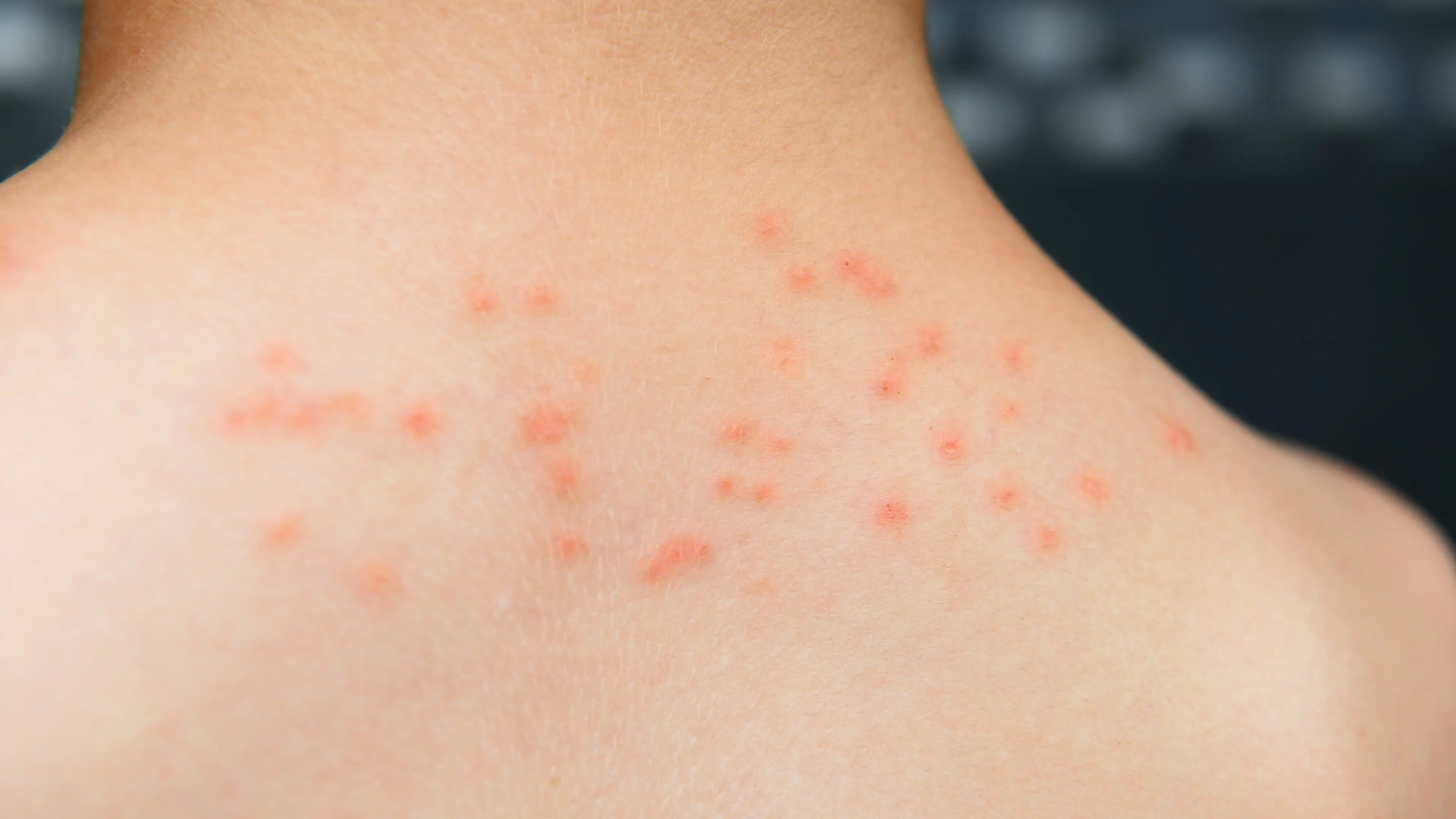
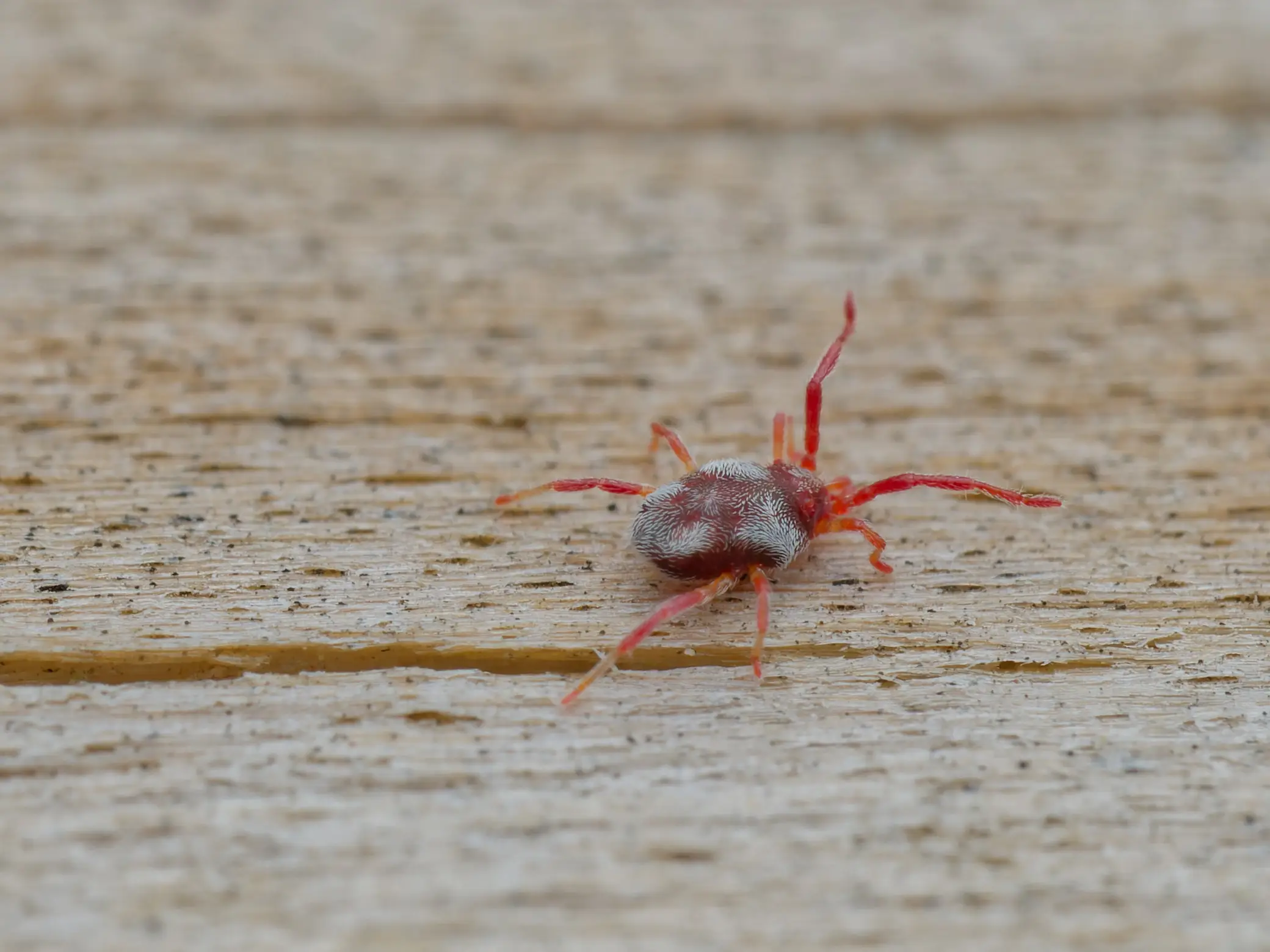
Brits have been warned about harvest mites, also known as chiggers or berry bugs, that feed on human skin as hatching season begins this month.
The six-legged parasitic bugs, scientifically known as Neotrombicula autumnalis, attach themselves to animals or people who brush against the leaves and grass where they live.
Once attached, the mites inject digestive enzymes into the skin. These enzymes break down skin cells into a liquid, which the mites then feed on.
They are particularly common in September and October, per the Metro, when eggs laid in the soil the previous year hatch into hungry larvae.
Advert
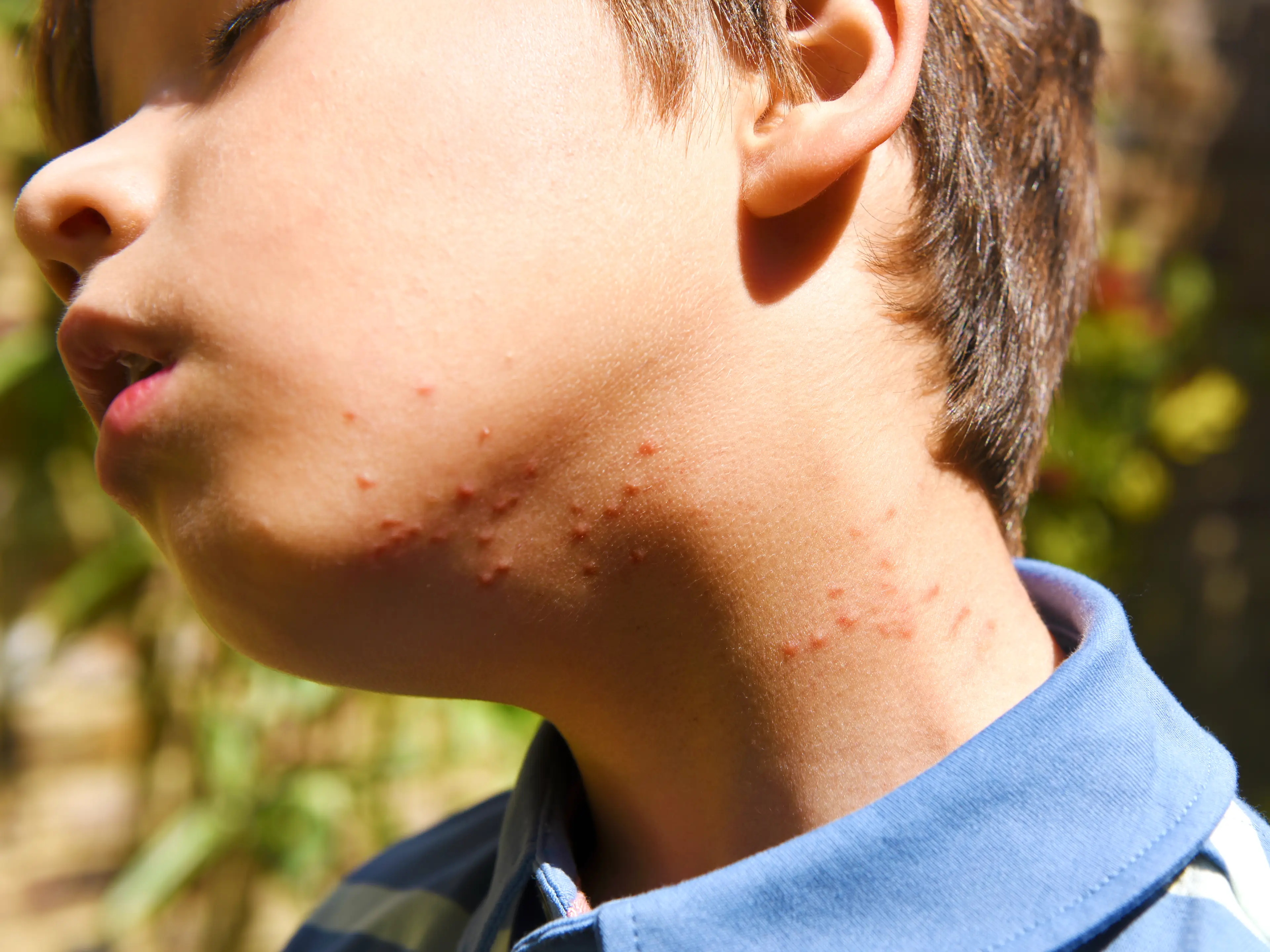
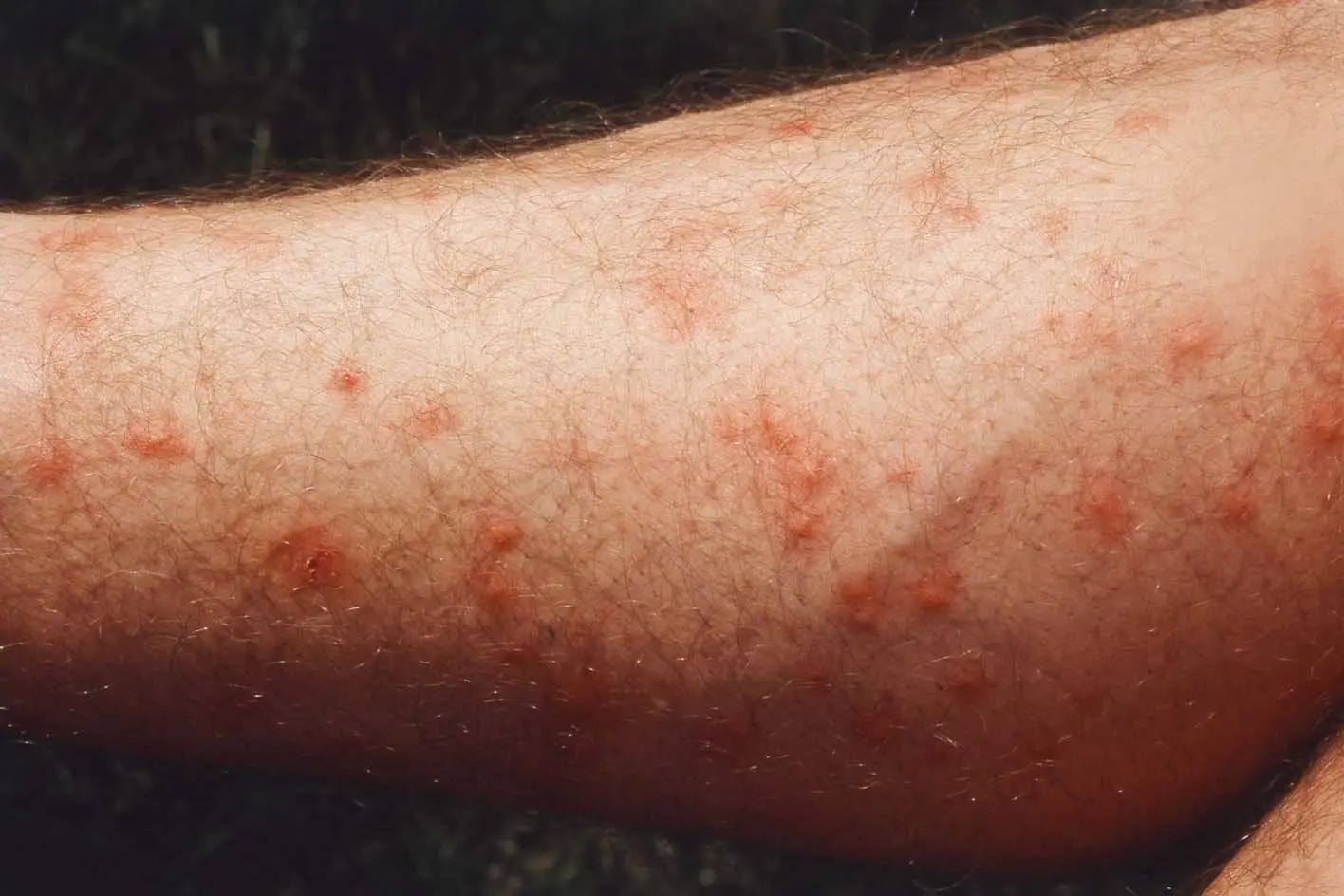
The NHS explains that mite bites, which are very hard to spot with the naked eye, cause very itchy lumps on the skin and sometimes cause blisters.
Helpfully, the NHS has also shared a list of do's and don'ts when it comes to being bitten or stung by any insect, including harvest mites.
"If there's nothing in your skin, or you've removed it, wash your skin with soap and water to help lower the chance of infection," the NHS explains. "The bite or sting should get better in a few days. There are some things you can do to ease your symptoms."
Do
- Put an ice pack wrapped in a cloth, or a clean cloth soaked in cold water, on the bite or sting for at least 20 minutes, if it's swollen
- Keep the area raised if you can
- Take painkillers such as paracetamol or ibuprofen if the sting is painful
- Use antihistamines to relieve any itching (but do not use antihistamine cream if you had caterpillar hairs on your skin)
- Use a hydrocortisone cream to reduce itching and swelling
Don’t
- Scratch the bite or sting, as it could get infected
- Use home remedies such as bicarbonate of soda to treat the bite or sting
The NHS urges people to see a pharmacist if you or your child aged one year or older has an insect bite or sting and:
- Skin around it feels hot when you touch it or looks red – redness can be harder to see on brown and black skin
- It's painful
- The area looks swollen
- There's pus or fluid coming out of the bite or sting
"A pharmacist can recommend treatments, such as antihistamines and steroid creams, and give the same antibiotics as a GP if the bite or sting is infected. They can also give advice or direct you to other medical help if you need it," the NHS adds.
Tyla has reached out to the UK Health Security Agency (UKHSA) for comment.
Topics: Animals, Health, Real Life, World News, UK News
 Rhiannon Ingle