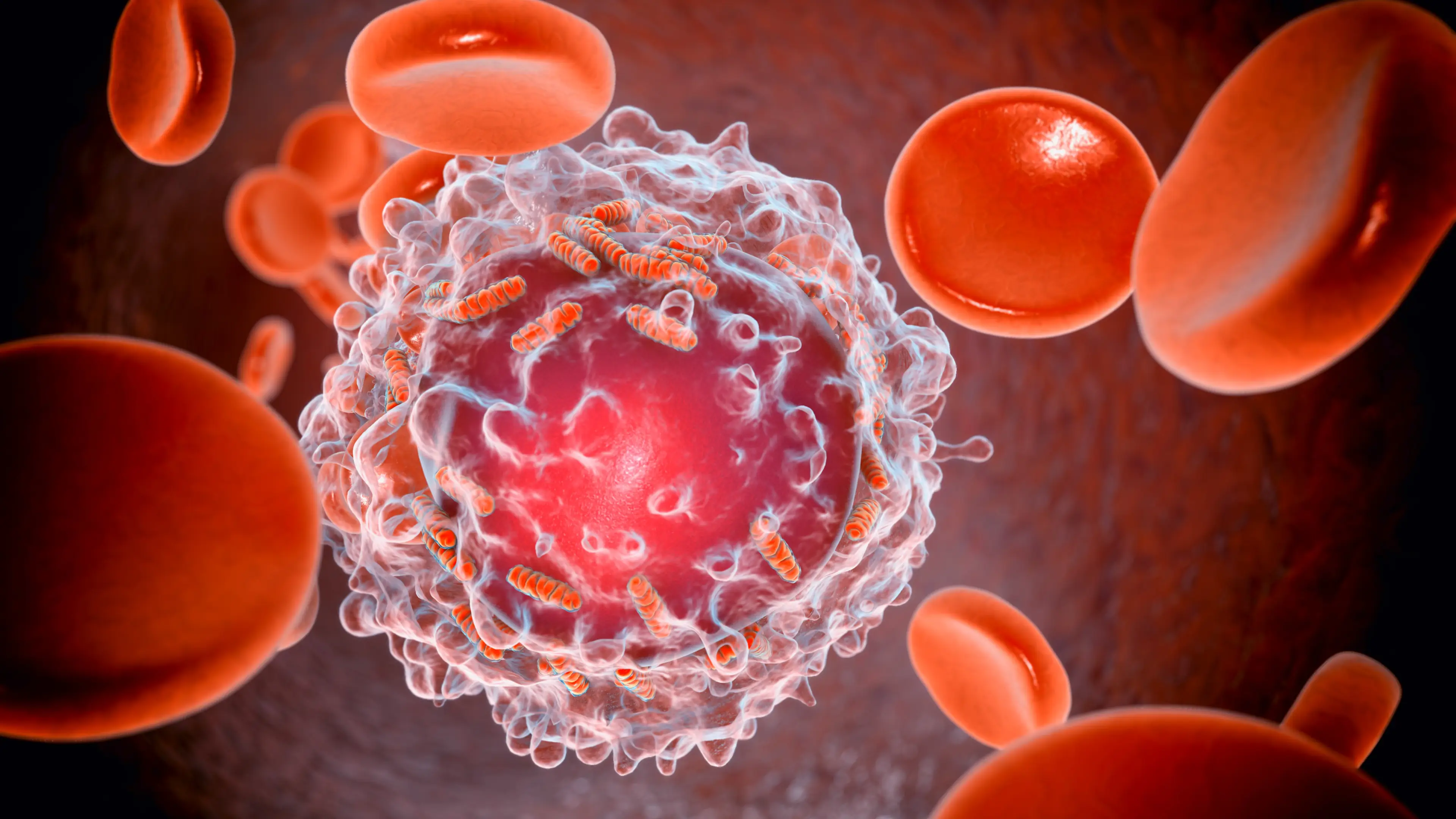
New study finds worrying link between grey hair and cancer

A new study has found a link between grey hair and the development of cancer cells in the body.
Grey hair has already been associated with factors such as stress and, of course, ageing.
However, the new study has looked into what causes our hair to go grey and how this might be connected to cancer.
Professor Emi Nishimura led the study, which made extraordinary findings, linking cancer stressors to grey hair by looking at melanocyte stem cells, or McSCs, in mice.
Advert
To understand the connection, we first need to examine what actually causes us to go grey.
This is related to the very stem cells we just mentioned, as these McSCs help give someone's hair its pigment.
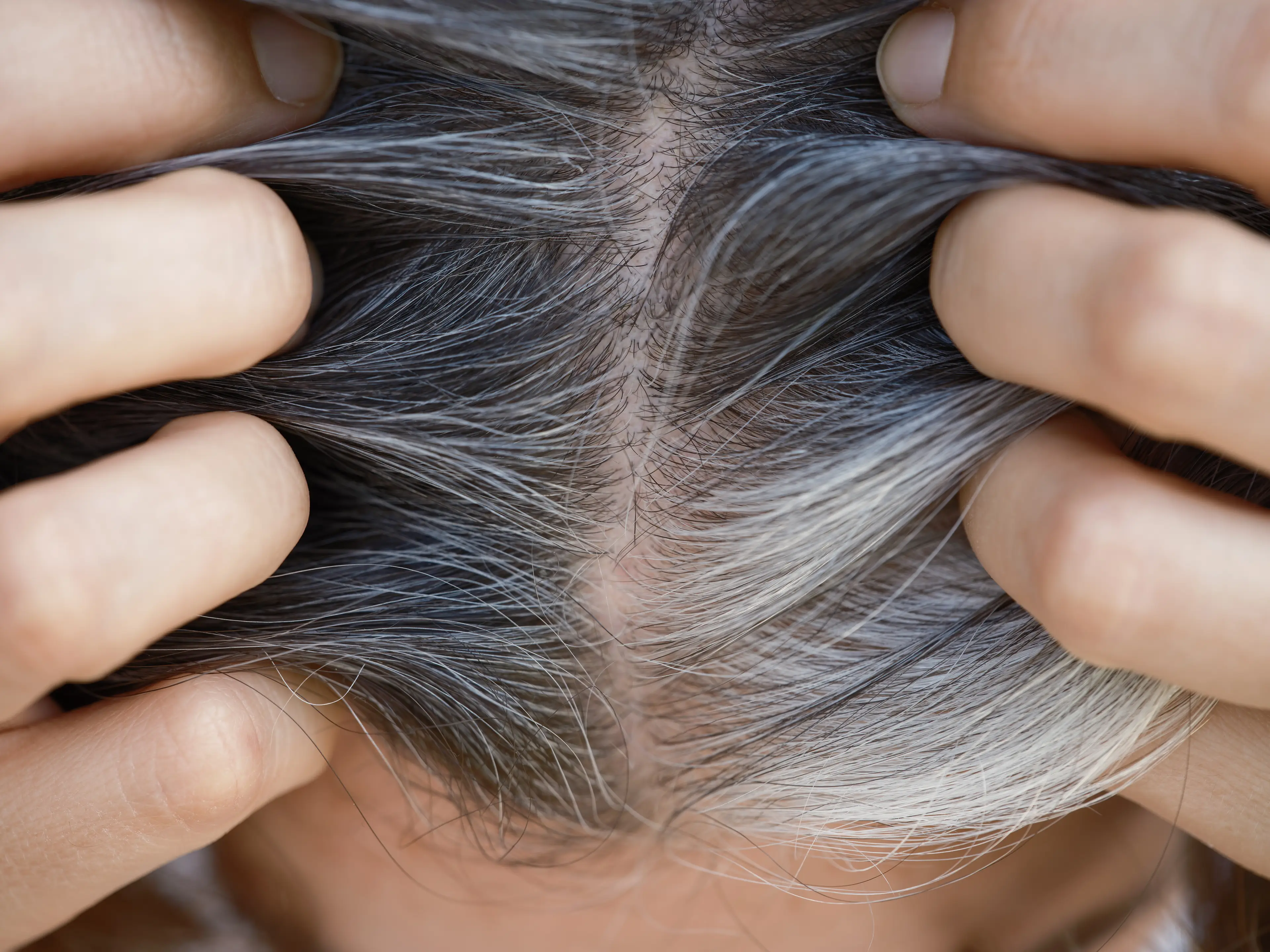
Hair pigment only fades when the MsSCs experience a 'double break' in the DNA, which means that both strands of DNA break, not just one side.
If this happens, then a grey hair is formed as a 'sacrificial grey hair', where the DNA has snapped.
But this is where our connection to cancer comes into play.
That's because the MsSCs would keep renewing themselves when the DNA in them was damaged under certain circumstances.
This included when they were affected by other stress factors, for example, UV light, and some carcinogens.
But this led to a problem, as it seemed that it allowed mutations to keep forming as the cells regenerated themselves.
And as more mutations happen, that increases the risk of cancer developing.
Professor Nishimura said: "These findings reveal that the same stem cell population can follow antagonistic fates - exhaustion or expansion - depending on the type of stress and microenvironmental signals."
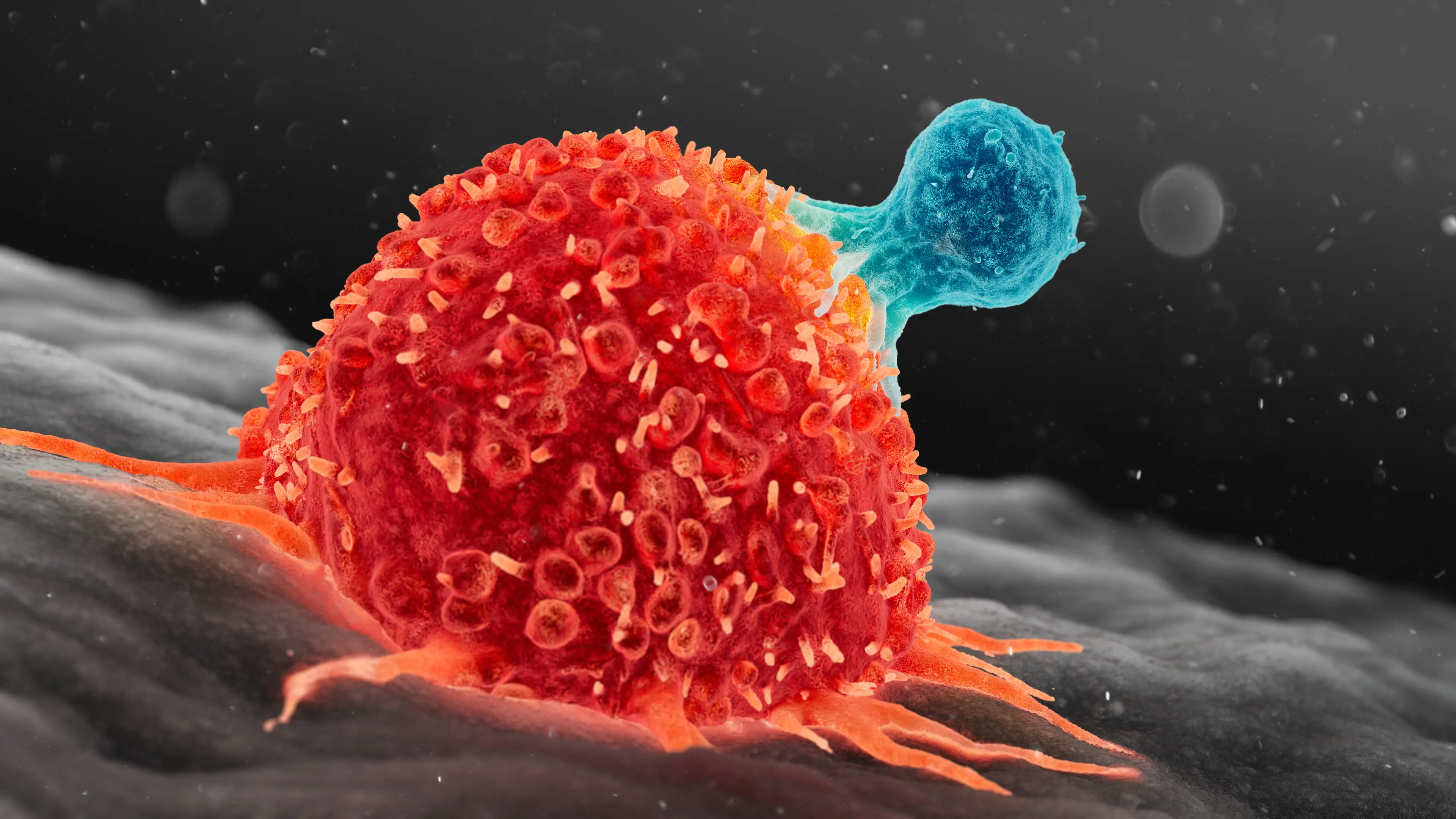
The study 'reframes hair greying and melanoma not as unrelated events, but as divergent outcomes of stem cell stress responses'.
So, they're not directly connected, but going grey could be a way for the body to protect itself from mutations, which might become a problem in the future.
This is because cancer is, very broadly, caused by cells mutating in a way that causes them to keep multiplying and form a tumour, which then, in itself, begins to cause various problems depending on where it's growing.
A page on the topic by the University of Tokyo says: “Importantly, this study does not suggest that greying hair prevents cancer, but rather that seno-differentiation represents a stress-induced protective pathway that removes potentially harmful cells.
“Conversely, when this mechanism is bypassed, the persistence of damaged McSCs may predispose to melanomagenesis.”
Topics: News, World News, Health, Cancer
 Kit Roberts