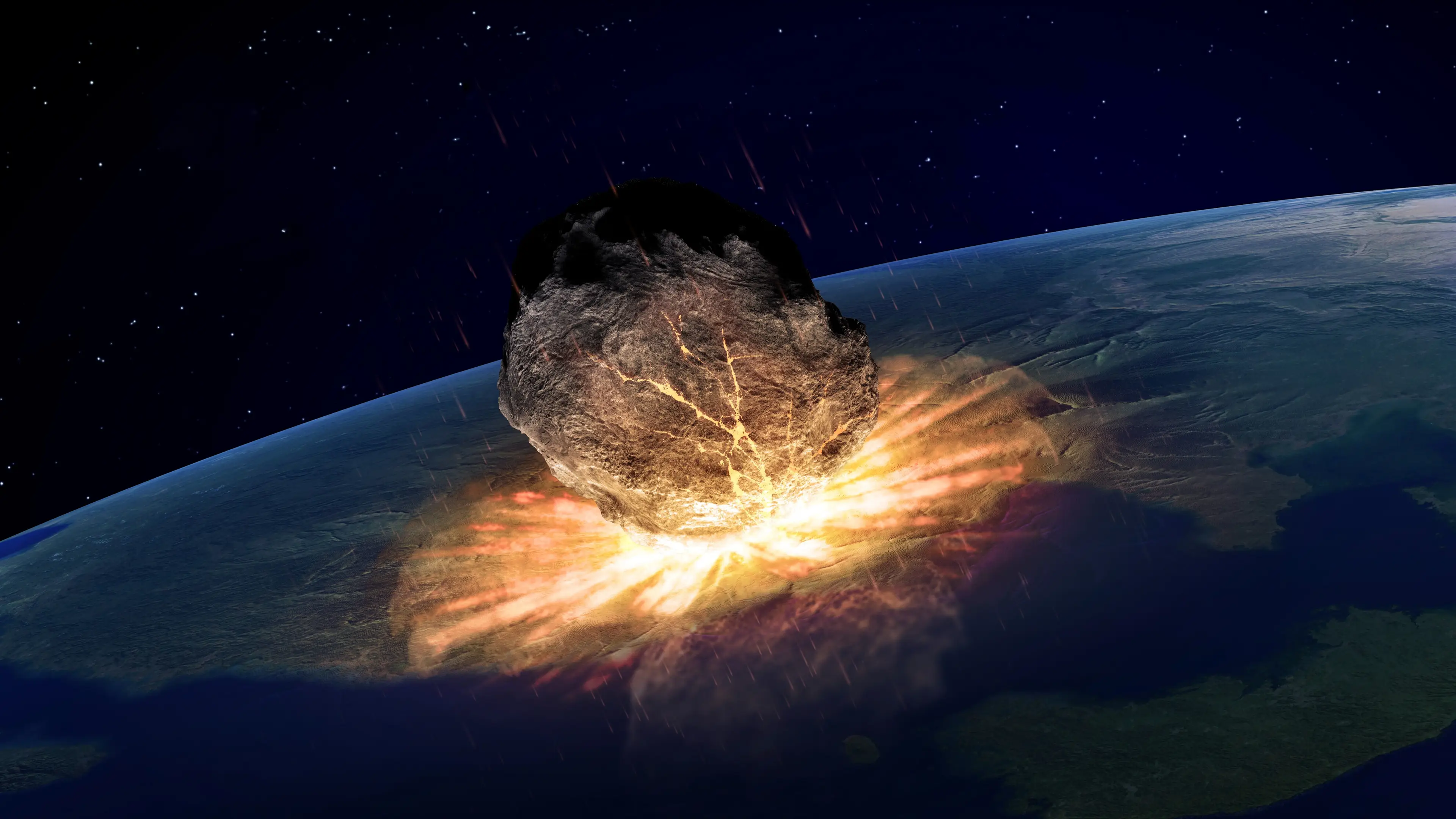
Earth to be hit by ‘triple whammy’ extinction event - scientists predict

Scientists have painted a pretty bleak picture of the future, with a possible 'extinction event' predicted to demolish our little planet.
Like 2025 hasn’t been bad enough- we've got a potential mass extinction to think about.
To be honest, we’ve already been told by Baba Vanga that the world will come to an end at some point, but this is a lot closer in time than the Bulgarian mystic ever foresaw.
Scientists who used a supercomputer to figure out what’s in store in the future, found that there is likely to be a ‘triple whammy’ incident that’ll make our world ‘inhabitable’.
Advert
While it won't happen for another 250 million years, the turning point is just around the corner, and it might even happen faster if humans continue to damage the world we all live in.
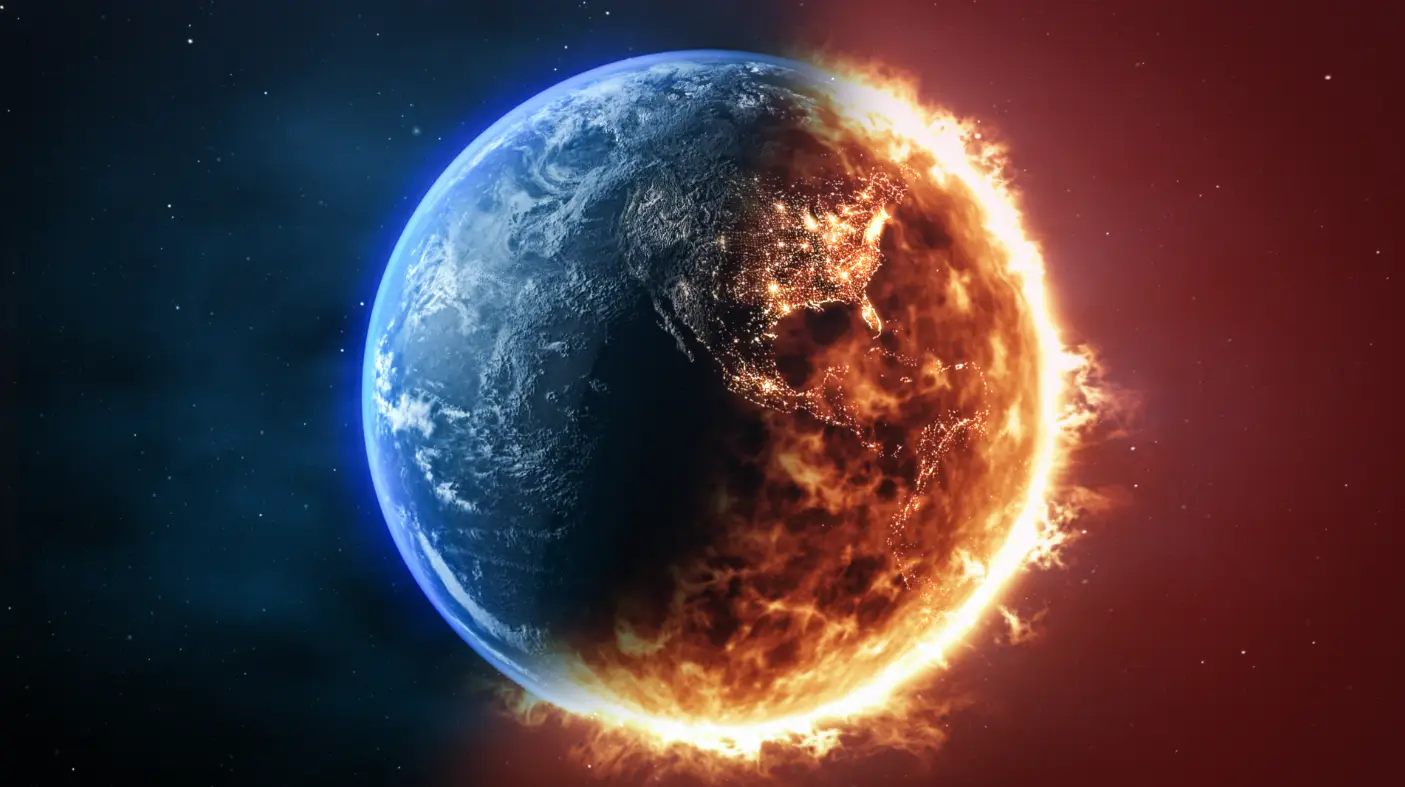
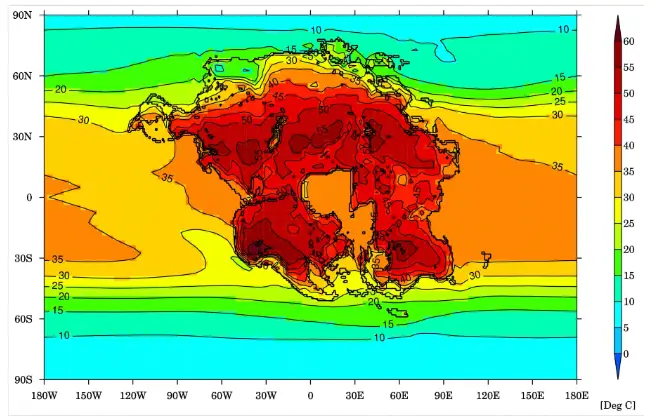
Lead author of the 2023 study, Dr Alexander Farnsworth, Senior Research Associate at the University of Bristol, revealed that Earth is set to be a supercontinent with volcanic eruptions emitting huge plumes of carbon dioxide (CO2) into the atmosphere, which then goes on to heat the planet up even more.
According to their findings, published in Nature Geoscience, the sun is also expected to become hotter and brighter, raising average temperatures to between 40 and 50 degrees Celsius.
Dr Farnsworth said: "The newly-emerged supercontinent would effectively create a triple whammy, comprising the continentality effect, hotter sun and more CO2 in the atmosphere, of increasing heat for much of the planet.”
The result? A ‘mostly hostile environment devoid of food and water sources for mammals’. Because of this heat and lack of resources, nobody will be able to survive on the planet for long.
"Widespread temperatures of between 40 to 50 degrees Celsius, and even greater daily extremes, compounded by high levels of humidity, would ultimately seal our fate. Humans – along with many other species – would expire due to their inability to shed this heat through sweat, cooling their bodies." he continued.
According to the study, there is also the prospect of ischaemic necrosis occurring, which would happen once temperatures dropped below 10 degrees, allowing the wind chill to crush anything living.
Co-author Dr Eunice Lo, Research Fellow in Climate Change and Health at the University of Bristol, said we need to take this information and not run for the hills. Instead, we need to focus on our climate and environmental goals to reach net-zero.
He said: "It is vitally important not to lose sight of our current climate crisis, which is a result of human emissions of greenhouse gases.
"While we are predicting an uninhabitable planet in 250 million years, today we are already experiencing extreme heat that is detrimental to human health. This is why it is crucial to reach net-zero emissions as soon as possible."
If we did reach those goals, maybe we could prevent extinction.
Topics: Climate Change, Environment, Science
 Britt Jones