Only one person voted against releasing Epstein files - and he’s explained why

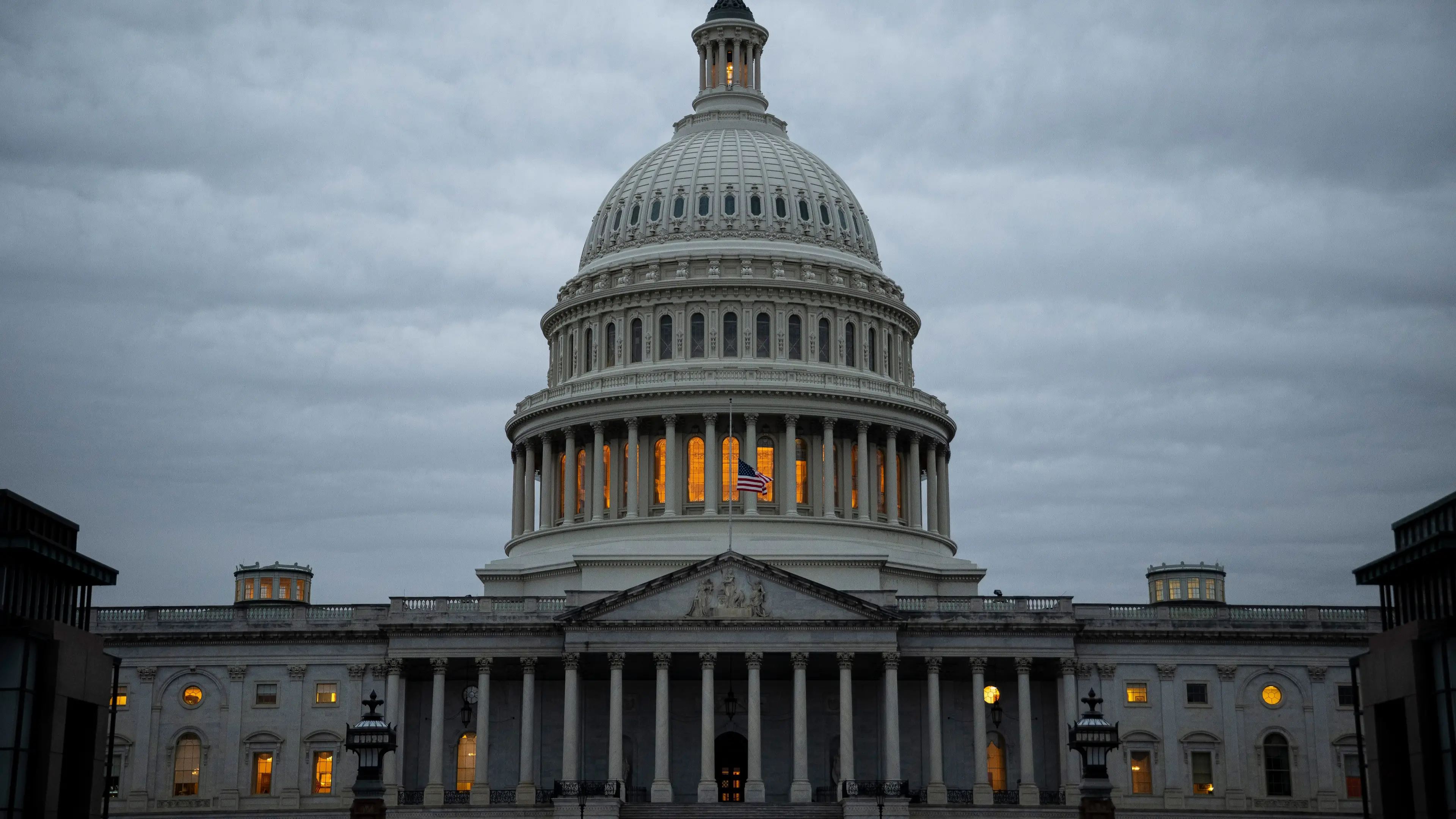
Both the US House of Representatives and the Senate have voted to pass a bill to force the Justice Department to publicly release its files on the convicted sex offender Jeffrey Epstein - and only one person voted against it.
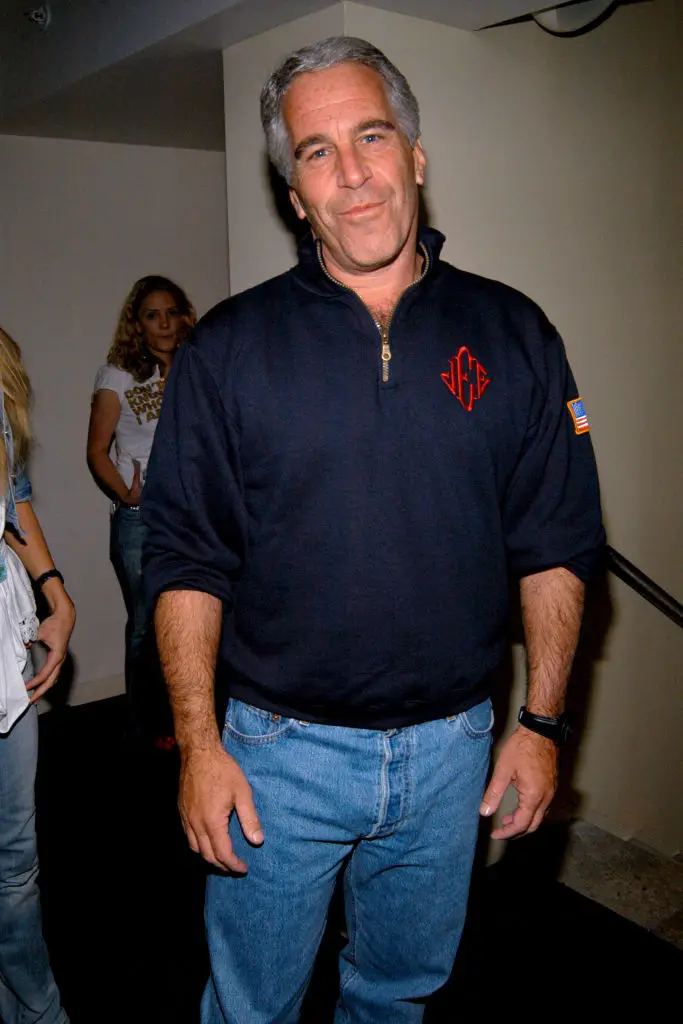
The bombshell decision comes just days after the House Oversight Committee released over 20,000 files, which had previously been provided to federal officers by the criminal financier's estate, and mentioned US President Donald Trump by name.
The Republican leader didn't send or receive any emails himself and hasn't been accused of any wrongdoing.
As per ITV News, the Epstein files are said to include thousands of documents - everything from flight logs from Epstein’s private jets, emails, estate records, court documents, as well as internal Department of Justice communications, and information about the investigation into his death in prison.
Advert
Despite previously steering clear of it, the president has since done a U-turn and urged Republicans to vote in favour of releasing the files, saying: "We have nothing to hide."
Just hours after the House passed the bill, the Senate agreed to pass it with unanimous consent once it is sent to the body.
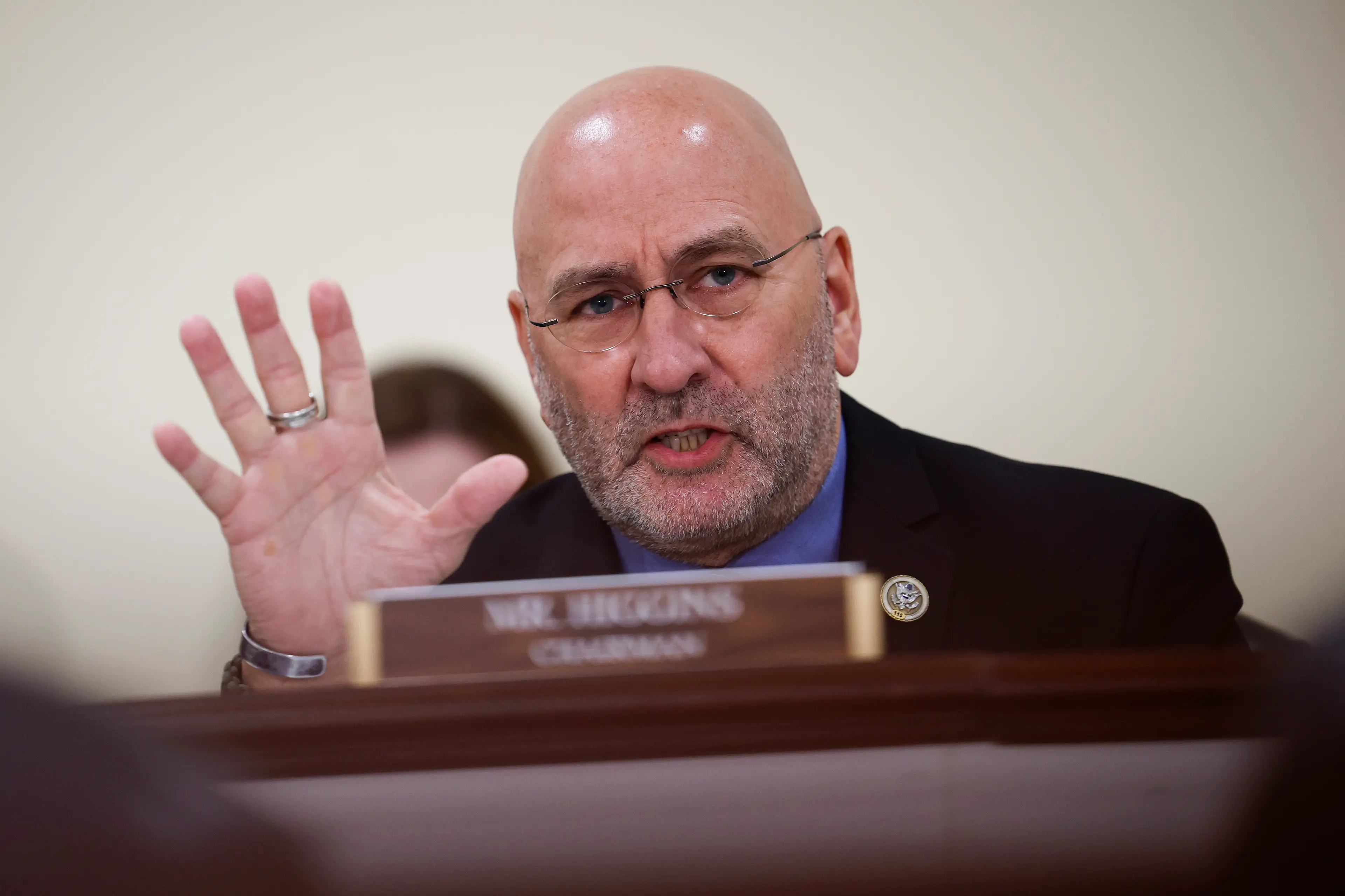
As we say, the bill passed the House by 427-1, with the only 'no' vote from a US representative called Clay Higgins, prompting questions about who he is and why he voted that way, which he has explained.
Who is Clay Higgins?
Clay Higgins is a 64-year-old Louisiana Republican who is a supporter of Trump. He also chairs a subcommittee that initiated a subpoena on the Justice Department for the Epstein files.
According to the BBC, he has represented Louisiana's third district since 2017 and is regarded as one of the most conservative members of Congress.
Before his role in Congress, Higgins was a member of Louisiana's St Landry Parish Sheriff's Office, but resigned in 2016.
Why did Clay Higgins vote no to release the Epstein files?
After his name became a household one pretty much overnight, Higgins decided to release a statement on social media to explain his reasoning.
The politician said that safeguarding the personal information of Epstein's victims was his main issue.
He wrote on Twitter: "I have been a principled “NO” on this bill from the beginning. What was wrong with the bill three months ago is still wrong today.
"It abandons 250 years of criminal justice procedure in America. As written, this bill reveals and injures thousands of innocent people - witnesses, people who provided alibis, family members, etc."
He continued: "If enacted in its current form, this type of broad reveal of criminal investigative files, released to a rabid media, will absolutely result in innocent people being hurt. Not by my vote.
"The Oversight Committee is conducting a thorough investigation that has already released well over 60,000 pages of documents from the Epstein case."
Higgins signed off with: "That effort will continue in a manner that provides all due protections for innocent Americans. If the Senate amends the bill to properly address privacy of victims and other Americans, who are named but not criminally implicated, then I will vote for that bill when it comes back to the House."
What happens next after the Epstein file vote?
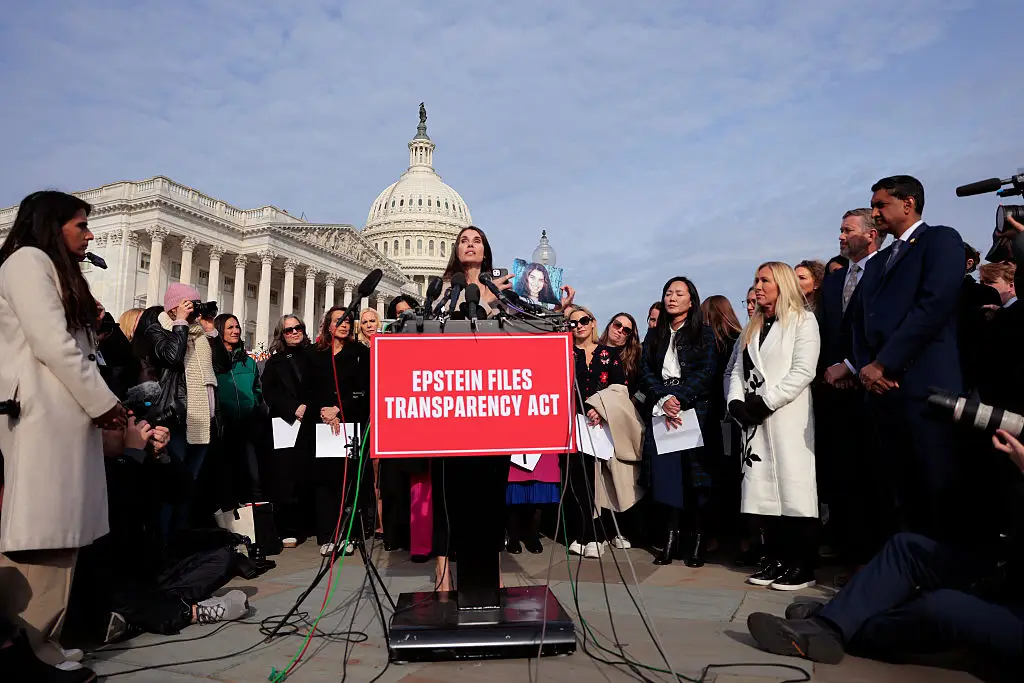
So, what happens next? Well, the vote had to pass the House of Representatives and the Senate, which it has now done.
As reported by ITV News, the next step is that the bill now needs to be signed by Trump, who has said he is more than willing to do so whenever he receives it, as he said: "I'm all for it."
According to a senior official, Trump has also said he will sign the bill 'whenever it gets to the White House'.
Once it is signed, Attorney Pam Bondi would be required to release 'all unclassified records, documents, communications, and investigative materials' related to Epstein within 30 days of the law's enactment, according to the BBC.
The bill would likely allow redaction of information about Epstein’s victims or ongoing federal investigations; however, the department would not be allowed to redact information due to 'embarrassment, reputational harm, or political sensitivity, including to any government official, public figure, or foreign dignitary.'
The exact details of what will be released and when are still up in the air, as both the Trump administration and the Department of Justice can withhold documents if they think they compromise national security or active investigations, or if they breach the privacy of a victim of sex abuse.
Topics: Jeffrey Epstein, Donald Trump, News, US News, Crime, Politics, World News
 Madison Burgess