Why no one mentioned in Epstein files is being prosecuted

A number of questions have been raised following the Department of Justice's latest Epstein files release - including why they won't lead to any new prosecutions.
Last Friday (30 January), the DOJ shared millions of documents relating to the disgraced paedophile financier, who died by suicide in 2019 while awaiting his sex-trafficking trial.
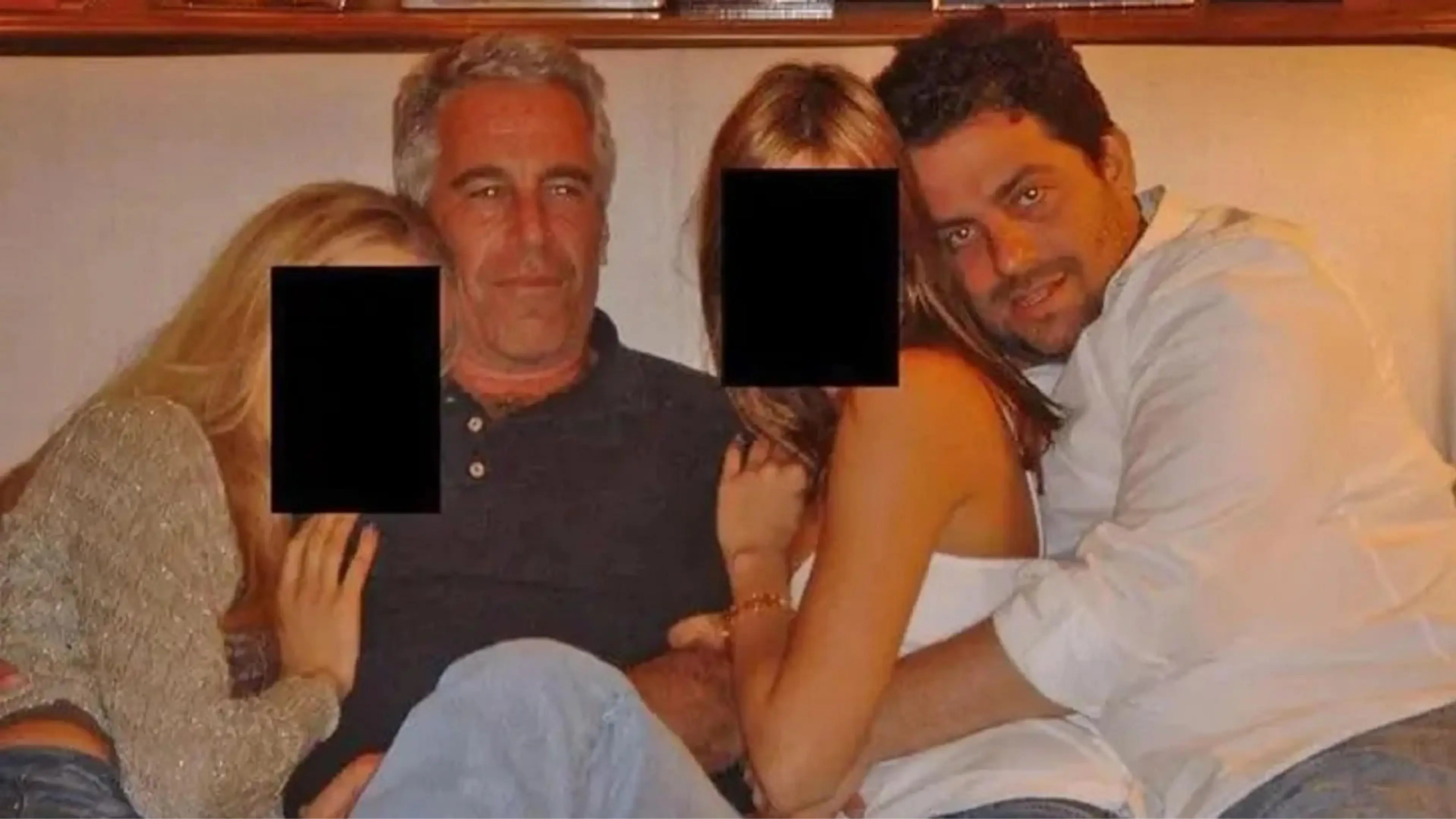
The document release came weeks after the mid-December deadline for the US government to release all their documents on the Epstein case. It includes a trove of photos and email exchanges featuring or mentioning a number of celebrities and high-profile figures.
Andrew Mountbatten-Windsor and his ex-wife Sarah Ferguson, former Labour minister and US ambassador Peter Mandelson, Tesla boss Elon Musk, Virgin group founder Richard Branson, US president Donald Trump, Microsoft founder Bill Gates, and Melania director Brett Ratner are just some of the famous names who appear.
Advert
While it's important to note that simply being named in the files doesn't indicate any wrongdoing, concern has been expressed over why no prosecutions have yet come from the release of millions of new documents.
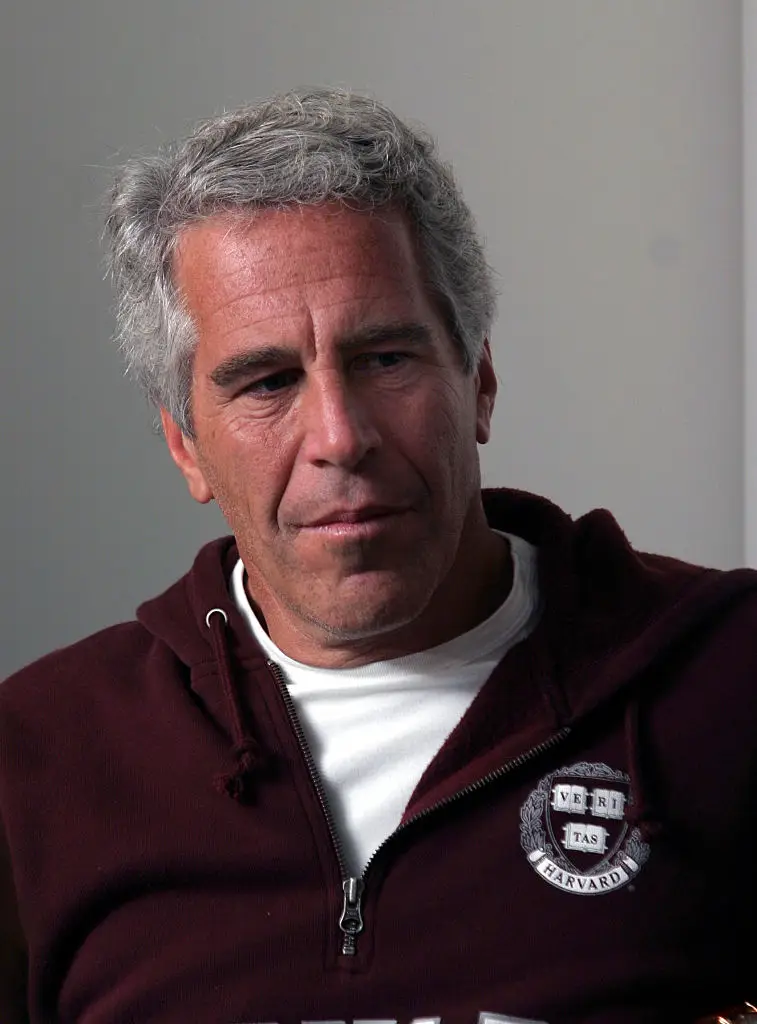
Apart from Epstein himself, the only other person who's been found guilty of any crime is his now-jailed associate Ghislaine Maxwell, who's been put away for 20 years.
The BBC's chief North America correspondent, Gary O'Donoghue, explained that the only people investigating Epstein's crimes are a committee in Congress, who don't actually have the power to charge anyone with a crime.
The expert explained: "The committee has said it does want to speak to Andrew Mountbatten-Windsor, but it can't make him come here and answer questions. If they did issue a summons or a subpoena, he could be arrested for refusing to answer, but only if he stepped foot on US soil."
He added: "The same thing could happen to Peter Mandelson, who was Britain's ambassador in Washington until he was sacked last September.
"As for the rich and powerful among America's political, business and entertainment elites, most of them men, big questions still remain. Although many of them will feel that the jeopardy is largely over."
Deputy Attorney General Todd Blanche also hinted that any criminal charges coming from the release are unlikely, as the existence of 'horrible photographs' and concerning emails isn't necessarily enough to build a case against someone.
Blanche said Sunday (1 February) on CNN’s 'State of the Union' podcast: "There’s a lot of correspondence. There’s a lot of emails. There’s a lot of photographs. There’s a lot of horrible photographs that appear to be taken by Epstein or people around him. But that doesn’t allow us necessarily to prosecute somebody."
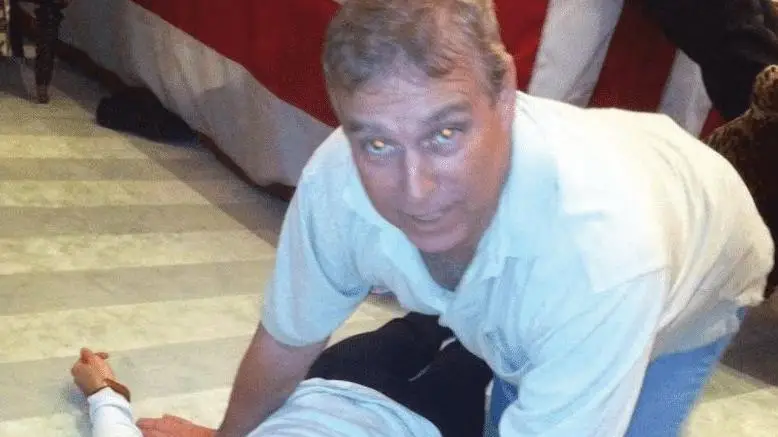
He clarified that there were a 'ton of people' named in the files and the FBI had received 'hundreds of calls' about high-profile individuals, but the allegations were 'quickly determined to not be credible'.
However, there's a chance there could still be more pages to come.
California Democratic representative Ro Khanna has said there will be a push to get additional documents released.
He said on Friday: “The DoJ said it identified over 6m potentially responsive pages but is releasing only about 3.5m after review and redactions.
"This raises questions as to why the rest are being withheld. I will be reviewing closely to see if they release what I’ve been pushing for: the FBI 302 victim interview statements, a draft indictment and prosecution memorandum prepared during the 2007 Florida investigation, and hundreds of thousands of emails and files from Epstein’s computers."
The politician added: "Failing to release these files only shields the powerful individuals who were involved and hurts the public’s trust in our institutions."
Topics: Jeffrey Epstein, Crime, US News, Politics, World News, Explained
 Madison Burgess