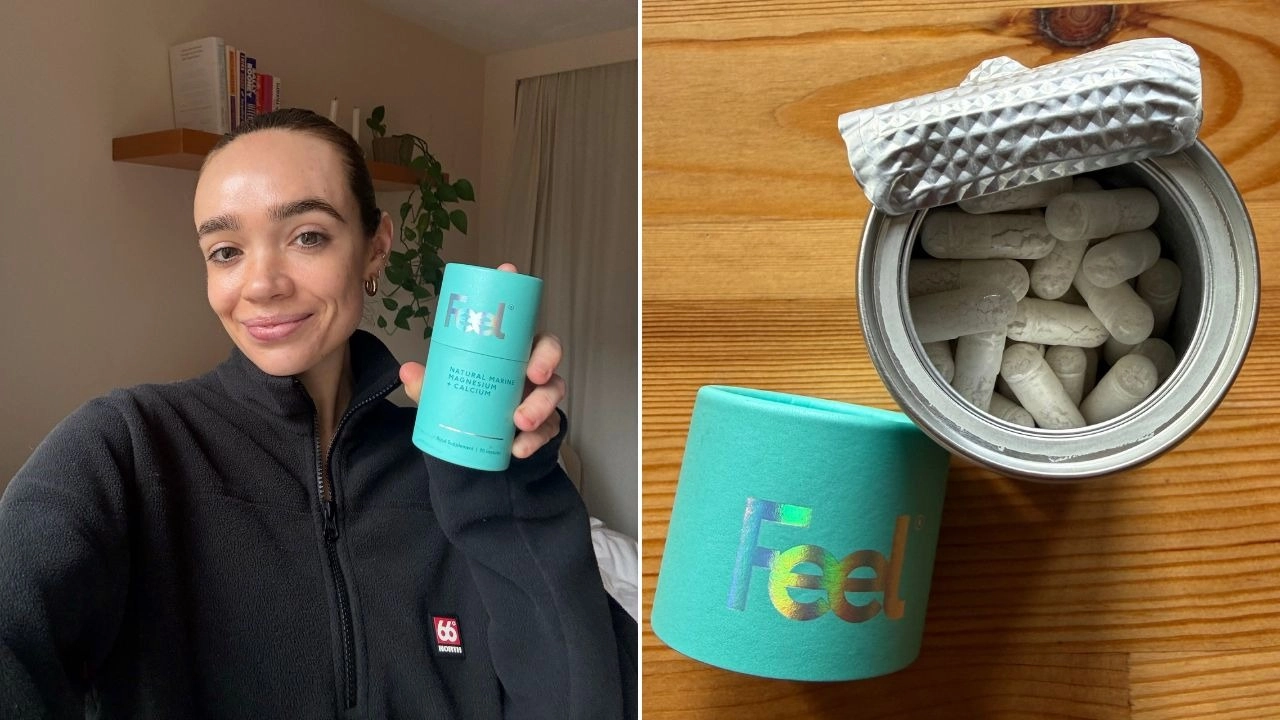
I tried magnesium supplements for sleep and noticed an unexpected change to my period

I'm an overthinker.
Whether's it's curating the perfect text reply or replaying the same situation with different outcomes in my head, it can make getting to sleep challenging.
I've tried everything to nail my evening routine too; whether it’s a yin yoga class or sticking my legs up the wall, and some health crazes have admittedly lasted longer than others.
So, when I heard the hype around magnesium supplements, I decided to see if they really could help me to drift off easier.
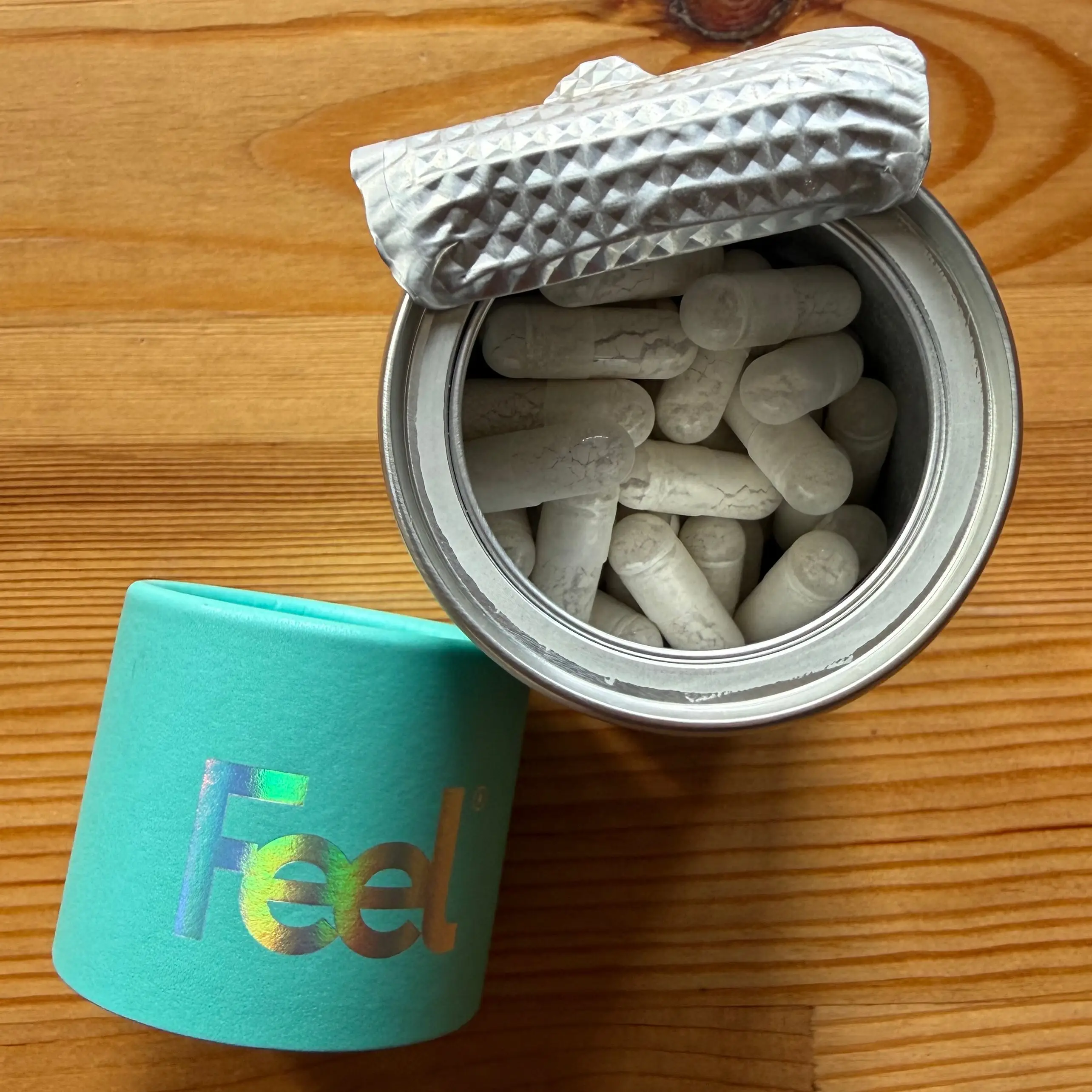
And after trialling the product for a month, I noticed an unexpected benefit during my period. Here’s my honest review.
What are the benefits of taking magnesium supplements?
According to the NHS, magnesium is a mineral that helps us to turn the food we eat into energy.
Although it's best known for aiding sleep function, magnesium can also work to support muscle health and bone strength.
Magnesium is naturally found in foods such as leafy greens, nuts, whole grains, and seeds, but some people turn to supplements if they're low on the vitamin.
In fact, the NHS recommends women aged between 19 and 64 aim for 270mg magnesium a day, whilst men of the same age require around 300mg.
Can magnesium supplements help me sleep?
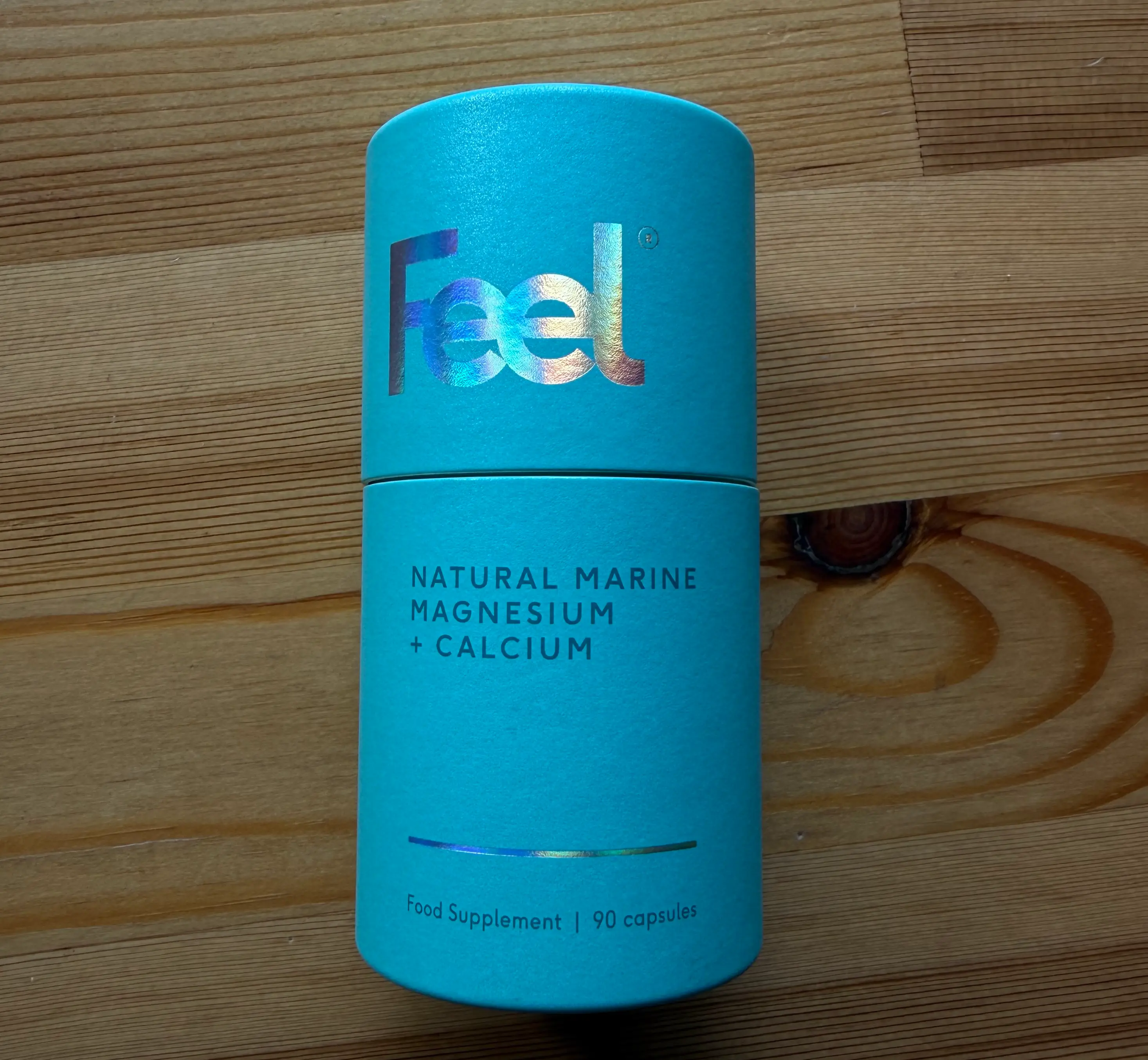
Feel's Magnesium and Calcium supplements are designed to promote sleep, relaxation, nerve function, and bone health.
You need to take three supplements a day, and it can take up to 90 days for some people to see benefits.
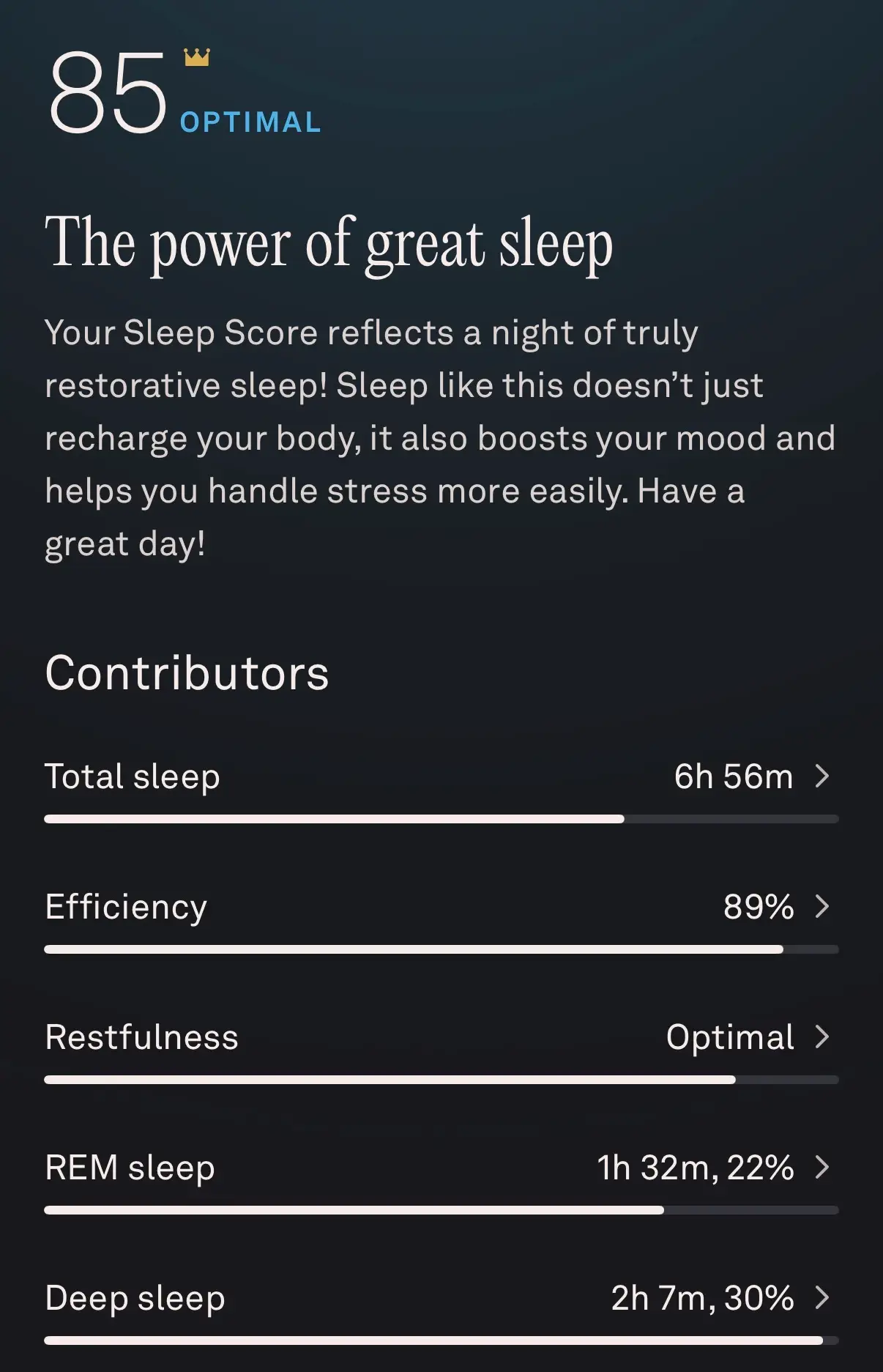
During the trial, I noticed that it was a little easier to unwind before bed, and I didn't wake up in the middle of the night.
But that wasn't all, as I also experienced another benefit during the trial.
The unexpected benefit of magnesium supplements during my period
I set out to find something to help me to drift off with ease, but the benefits of magnesium supplements also came through when dealing with a dreaded PMS symptom.
For years, I have experienced difficult period symptoms, from headaches and bloating to anxiety and sugar cravings.
The most challenging side effect of all? I'm exhausted in the week before my period, and have to cut down my exercise and evening plans because of it.
But after taking magnesium supplements every day, I slowly discovered that I had more energy than usual, and getting out of bed wasn't as challenging as usual.
Over time, I felt more refreshed in the morning, which helped to reduce the dreaded 3pm crash.
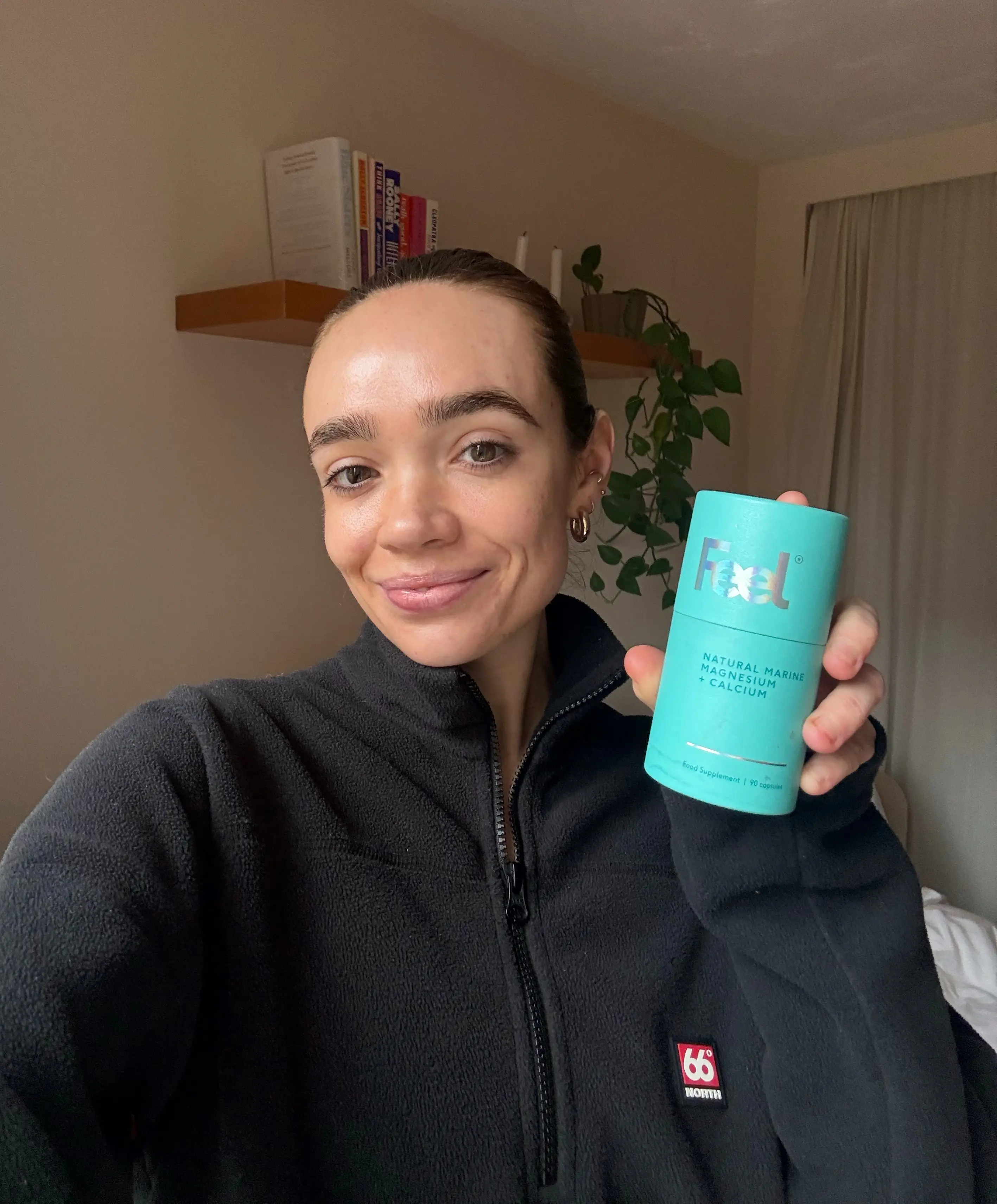
I'm by no means claiming the magnesium supplements are a miracle cure, but the results are compelling.
"When in your luteal phase, your progesterone rises and then drops sharply, which can result in a disruption in sleep quality, increased anxiety, low mood, and an imbalance in blood sugar stability - which can affect quality of sleep," women's health and wellness expert, Dr Shirin Lakhani, explains. "Magnesium plays an essential role in activating ATP (your body's primary energy molecule) and without adequate magnesium, cells may struggle to produce usable energy efficiently.
‘Magnesium also supports GABA activity, which is a calming neurotransmitter. Sufficient GABA activity can improve sleep quality, reduce premenstrual anxiety and lower nervous system over-activation. Better sleep and less anxiety can lead to less fatigue on the lead-up to your period."
Dr Lakhani adds that magnesium can also help to stabilise blood sugar levels, which can prevent those pesky 3pm energy crashes in the office.
"Taking magnesium supplements in the lead-up to your period may help with reducing fatigue, easing anxiety and promote quality of sleep, especially if you are already deficient in magnesium."
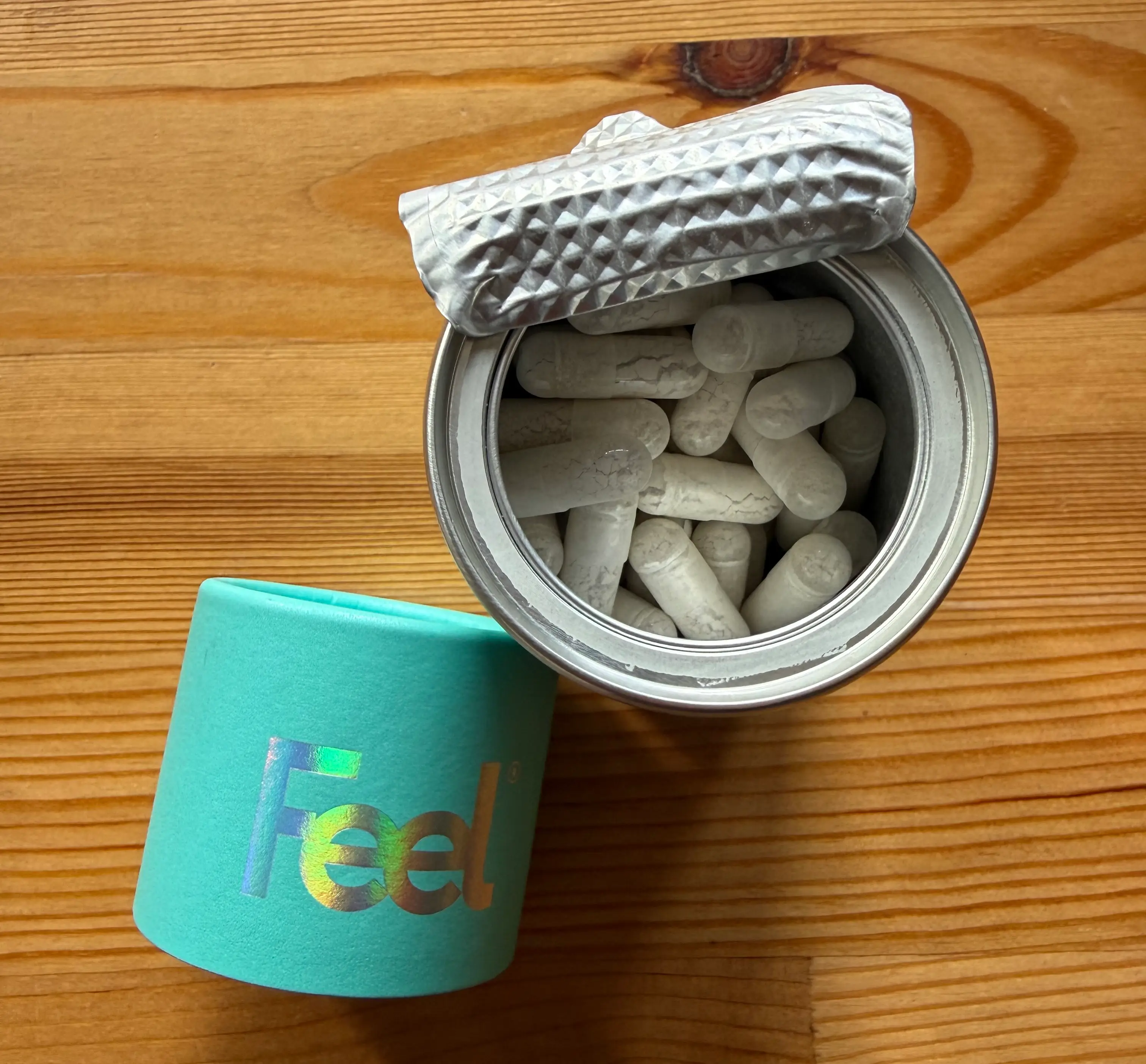
Do magnesium supplements help with periods?
Magnesium supplements are gaining recognition for their ability to reduce symptoms of PMS, from period cramps and bloating to sugar cravings.
During the trial month, I noticed that I wasn't as painfully bloated as usual, which was a relief in the days before my period.
As for period pain and sugar cravings, I sadly didn't notice a difference, and still required an adequate amount of chocolate in the days leading up to it. But for some people, magnesium supplements for period cramps could have a notable impact.
"There is good evidence to suggest magnesium supplements can aid in reducing other common symptoms of PMS, such as cramping and pain," Dr Lakhani explains.
"Period pain is largely driven by the hormone-like chemicals, prostaglandins that cause the uterus to contract, which causes cramping and pain. Magnesium can reduce prostaglandin production, as well as relaxing the uterine muscles, which can help with cramping and pain. Magnesium can also help to soothe back pain, which is a very common symptom of PMS."
If you're looking to reduce anxiety and mood swings, Dr Lakhani recommends magnesium glycinate, which targets muscle relaxation and sleep.
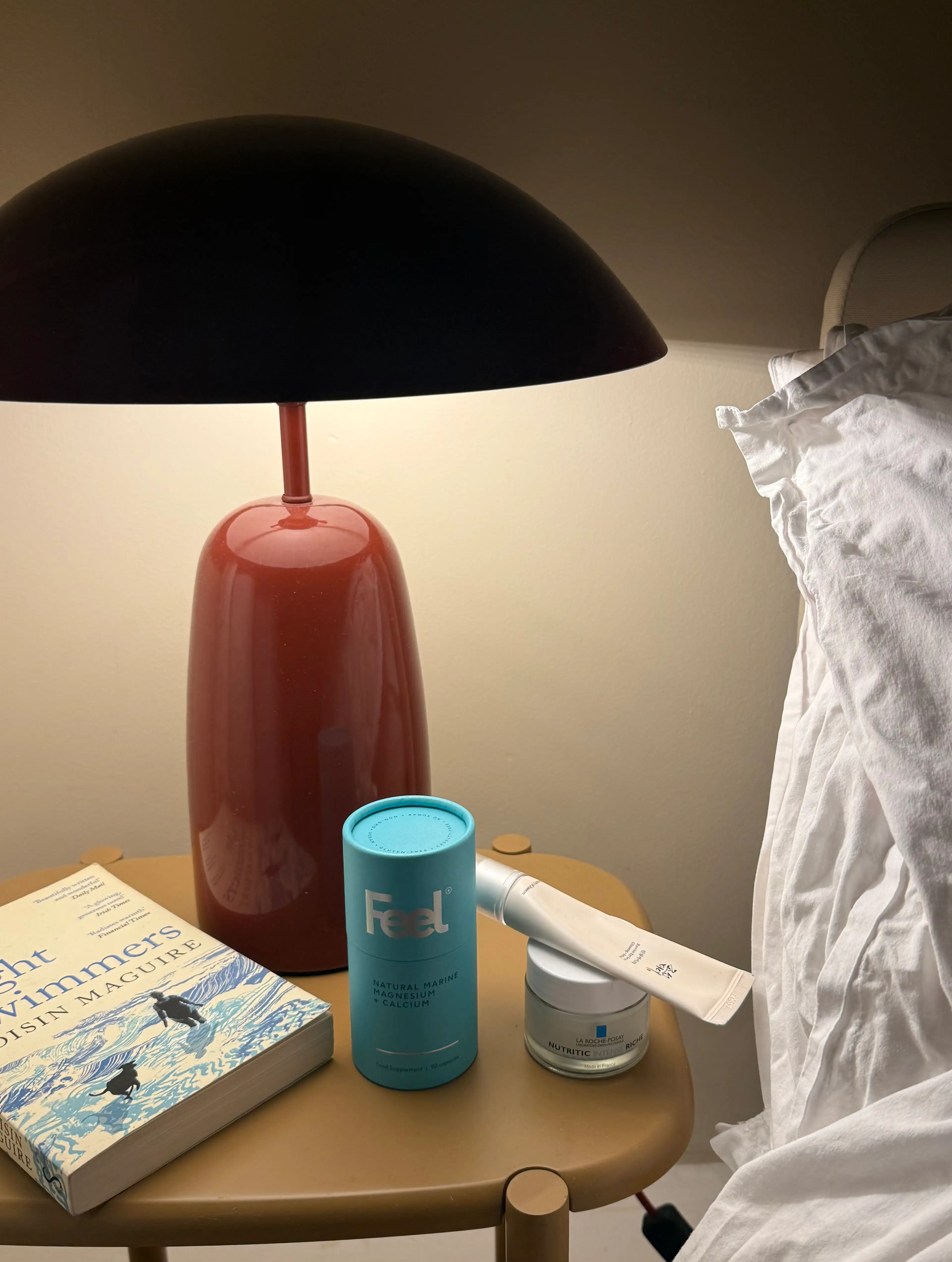
Where to buy Feel magnesium supplements
If you're keen to try the benefits of magnesium for yourself, you can purchase Feel's Natural Magnesium and Calcium supplements here.
They have received rave reviews online, with many crediting the supplements for increased energy, better sleep, and even improved mood during their menstrual cycle.
"Been taking these supplements for over two months and it’s transformed my mood swings during my period," one customer shared. "I feel so much better and less irritable. Highly recommend."
Another review reads, "I really have noticed improvements to my mood since taking this. It has massively helped even things out again and generally made me feel better and more energised on a day-to-day basis."
"Feeling great," a third wrote. "Sleeping better and have better focus."
Topics: Health
 Danielle Fowler