
Eight types of long Covid as full list of symptoms revealed

The peak of the Covid-19 pandemic seems like a lifetime ago; social distancing, days spent taking government-sanctioned walks, and nights banging pots and pans in celebration of the NHS.
However, while the lock-down might be a distant memory, the virus certainly isn't, especially with the two new variants popping up recently.
But some people are still dealing with the aftereffects of the condition from the initial pandemic. According to the NHS, long Covid happens when the symptoms of COVID-19 last longer than 12 weeks and is estimated to affect around two million people in England and Scotland as of April 2024.
The most common symptoms include fatigue, shortness of breath, joint and muscle pain and problems with your memory and concentration, known as brain fog. And further research suggests that it may affect other parts of your body, like your blood, for example.
Advert
However, there is still a lot to learn about long Covid, but new research has identified eight different ways people experience it.

The research, published in Nature Communications, followed 3,700 adults who were first infected with the virus during the Omicron wave for 15 months during which they answered a questionnaire every three months, before being split into eight different groups depending on their symptoms and how they developed.
Senior author Bruce Levy of Mass General Brigham Department of Medicine and the Division of Pulmonary and Critical Care Medicine said: "This study addresses an urgent need to define the differing long COVID trajectories. Our findings will help determine what resources are needed for clinical and public health support of individuals with long COVID and will also inform efforts to understand long COVID’s biological basis."
Most participants (1,301) only occasionally reported minimal Covid-like symptoms and were placed into the 'consistent, minimal to no symptom burden'.
A further 481 patients were put in the 'consistent, low symptom burden' group, consistently reporting low-level Covid-like symptoms, while 443 people had an 'intermittent, high symptom burden' with a range of symptoms.
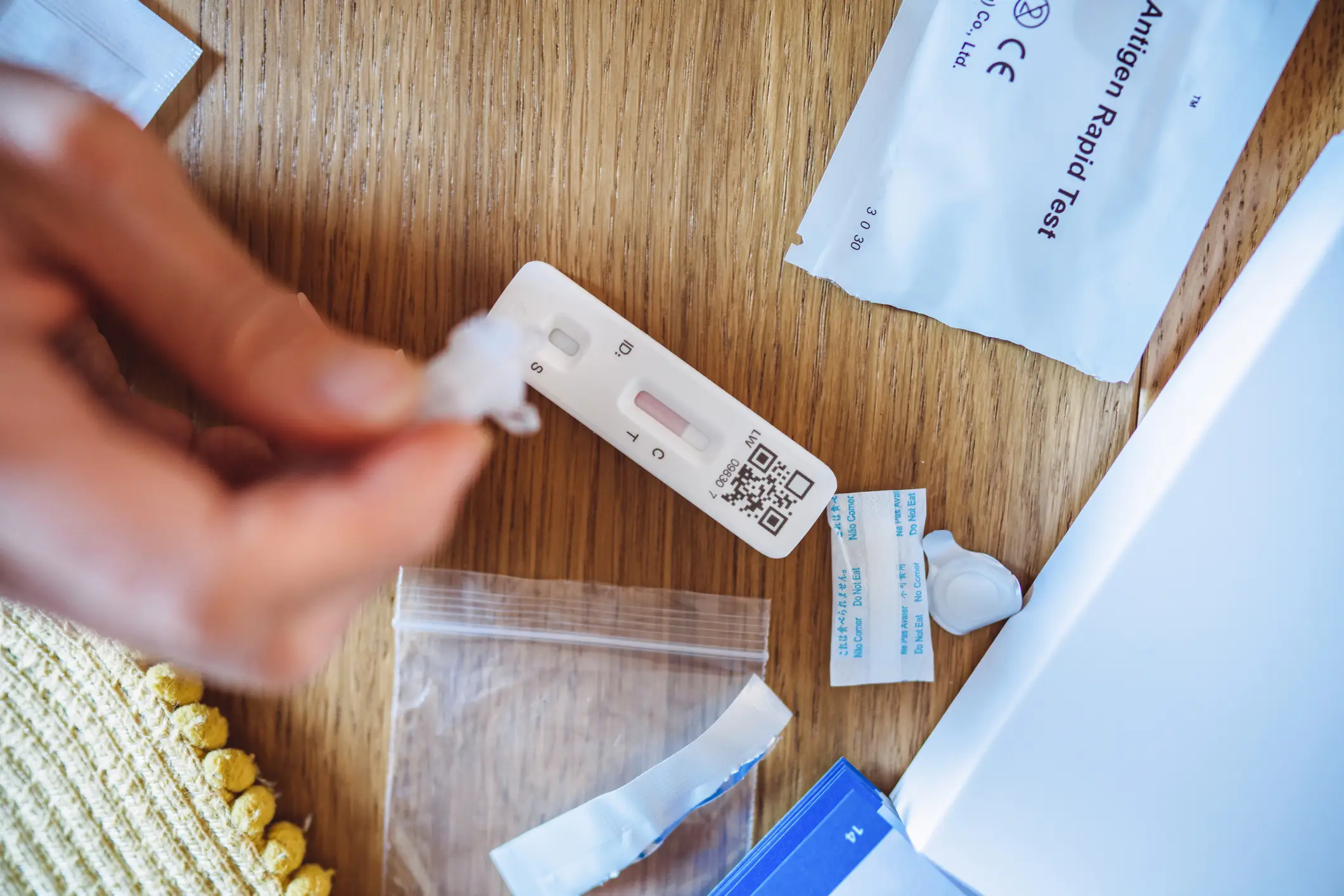
As for the most debilitating form of long Covid, which presented 'persistent, high burden' symptoms throughout the study, 195 people fell into this group.
Meanwhile, other groups included: 'Improving, moderate symptom burden,' 'improving, low symptom burden,' 'worsening, moderate symptom burden' and 'delayed, worsening symptom burden'.
Overall, 10.3 per cent of patients experience long COVID symptoms three months after the initial infection, while 81 per cent continued to experience recurring symptoms a year after.
"The variability we identified will enable future studies to evaluate risk factors and biomarkers that could explain why patients vary in time of recovery, and help identify potential therapeutic targets," explained first author and assistant professor at Massachusetts General Hospital Biostatistics, Tanayott Thaweethai.
Beyond the commonly experienced fatigue, shortness of breath, pain and brain fog, long Covid is linked to a wide range of symptoms.
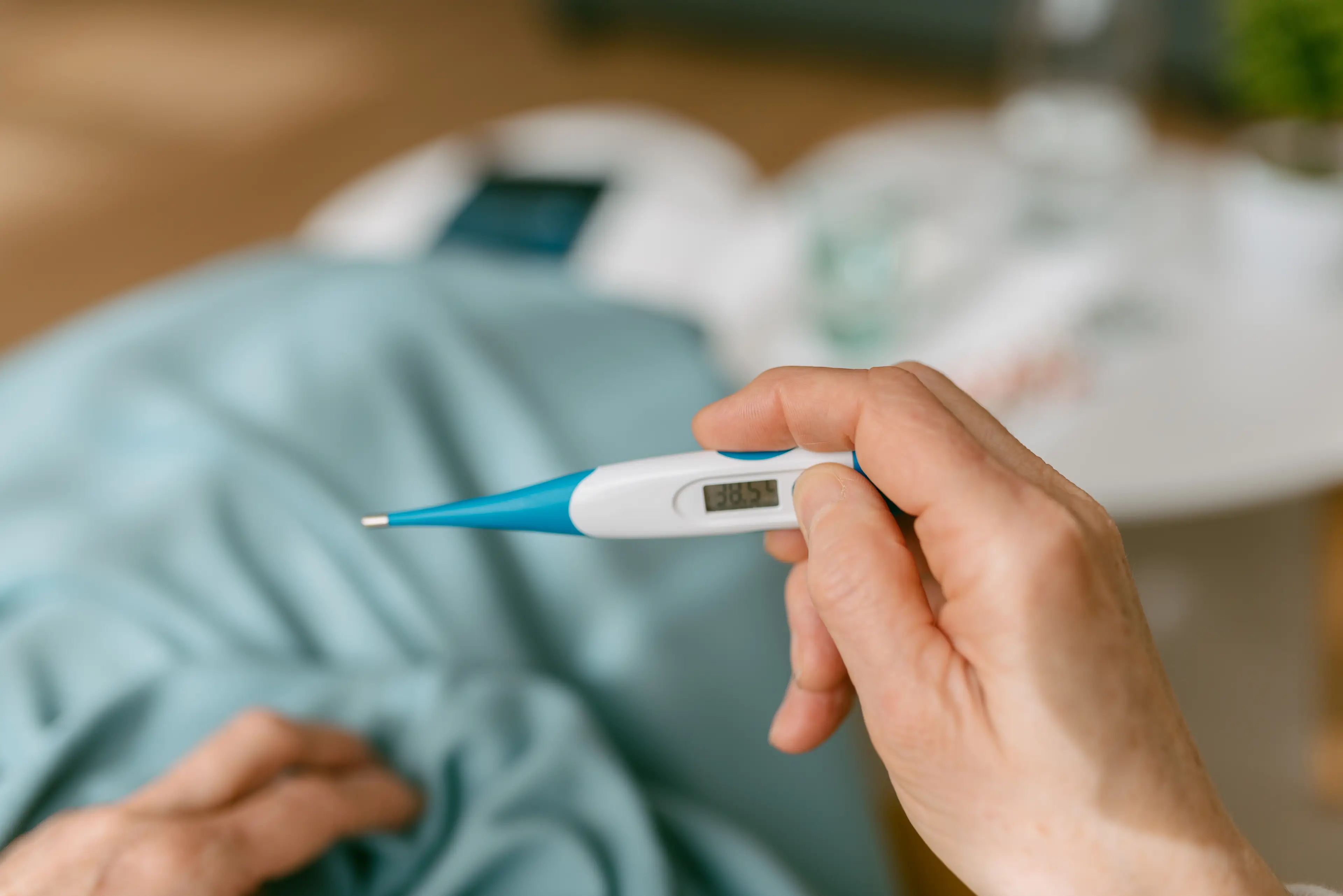
What is the full list of long COVID symptoms?
According to the NHS, other symptoms include:
- A high temperature
- A blocked or runny nose
- A cough
- A sore throat
- Chest pain or tightness and noticeable heartbeats (heart palpitations)
- Losing your hair and getting skin rashes, such as hives
- Headaches, feeling dizzy and vertigo
- Sudden confusion (delirium), especially in older people
- Difficulty sleeping (insomnia)
- Changes to your senses, such as problems with your vision, earaches, hearing ringing sounds inside your ear (tinnitus), and differences in your sense of smell or taste
- Tummy pain and diarrhoea
- Feeling or being sick, losing weight and not feeling like eating
- Pins and needles, and aches and pains in different parts of your body
- Anxiety and depression
 Bec Oakes