Challenging long-term effects ‘stranded’ NASA astronauts could face after return to Earth

The NASA astronauts who were stranded in space for nine months could face long-term challenges now that they’re back home.
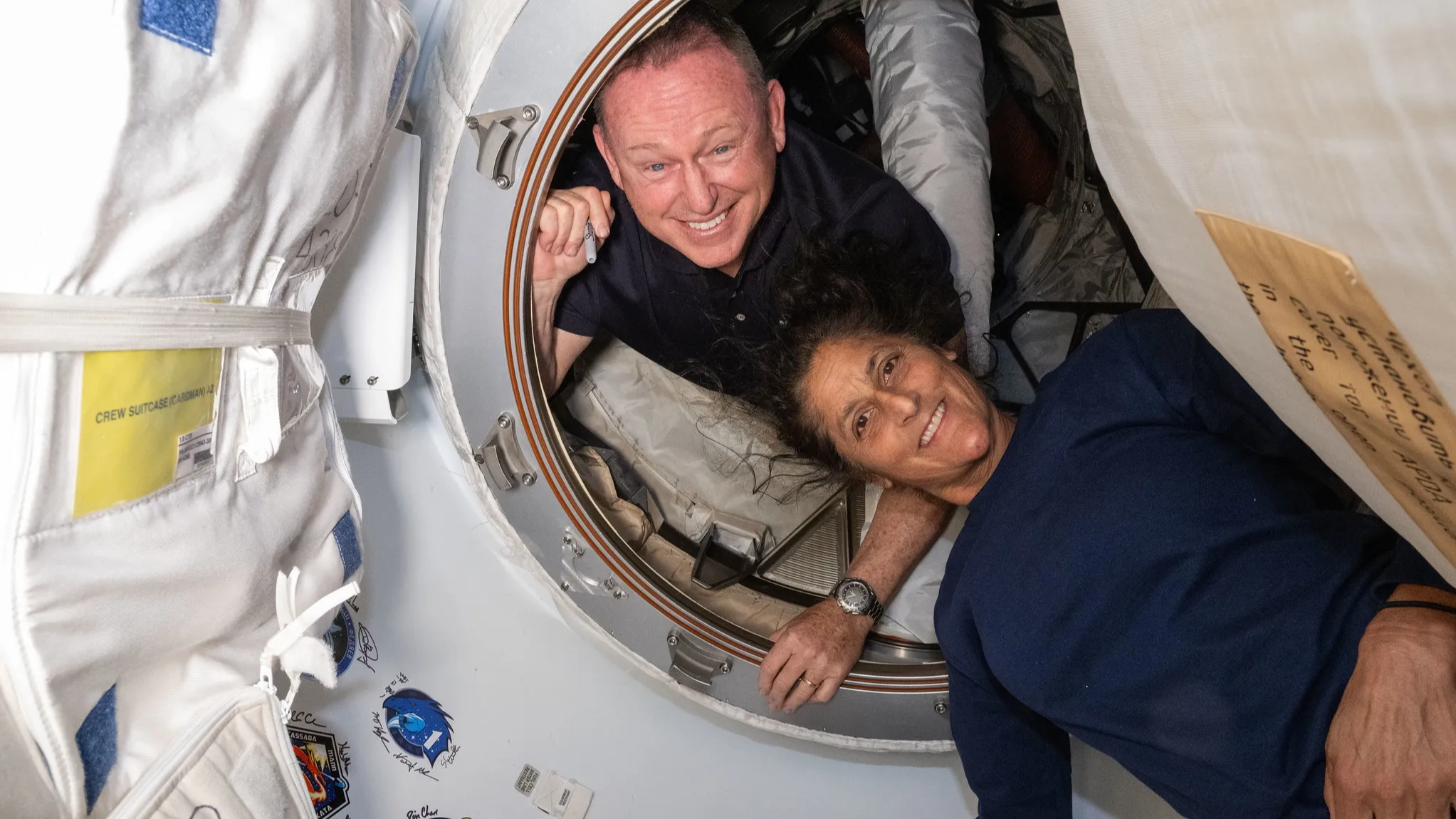
Sunita 'Suni' Williams and Barry 'Butch' Wilmore were forced to dock their Boeing Starliner onto the International Space Station (ISS) in June 2024 for what was supposed to be an eight-day mission.
However, after a number of issues with their craft, they became trapped in the ship for nine months following a bout of technical faults.
Having spent an unexpected 286 days in space, they finally made it home on 18 March after Elon Musk’s company, SpaceX launched a rocket to return them from the ISS.
Advert
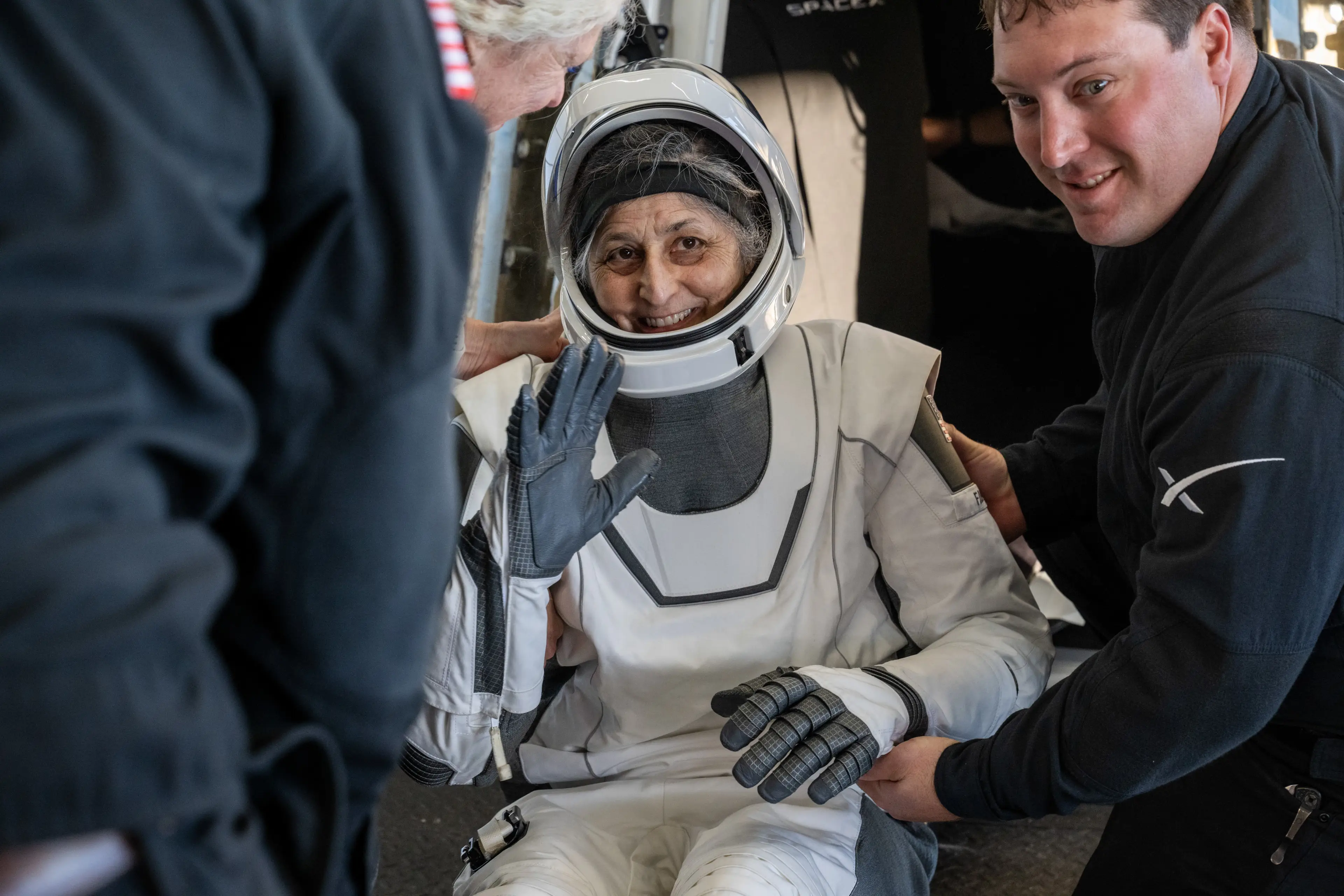
But now they've finally returned to Earth after all this time, they might face some unexpected health challenges.
Upon immediately landing, there is always the risk of dizziness and nausea due to the journey into Earth, which is why there were stretchers Williams and Wilmore were placed on upon landing.
As part of NASA protocol, it can take least two or three days to settle, according to astronaut Tim Peake.
But there are other ailments they could be battling now that they’ve finally touched down, which could take years to recover from.
A 2022 study documenting bone density loss in 17 ISS astronauts in missions that averaged five-and-a-half months revealed that after a year after returning, they showed on average 2.1 percent reduced bone density of the lower leg and 1.3 percent reduced bone strength in general.
Helen Sharman, the first Briton in space, said to the BBC: "It will probably take them a few months to build up their muscle mass."
But bone mass could take ‘a couple of years’ until it recovers, if at all.
Williams and Wilmore may have lost up around half of their muscle mass too, which can allegedly take 1.5 times the length of the mission to recover.
So, this might take over a year for them to rebuilt their muscle mass.
Because of how long they spend it space, their rehab is split into three phases which includes regaining strength, flexibility and the ability to walk.
This may include gait training exercises, range of motion exercises and obstacle training.
Phase two adds proprioceptive exercises and cardio reconditioning to strengthen the body and improve the mind's perception of its movement and position using reverse lunges, banded toe taps and sumo squats with leg raises.
Lastly, phase three focuses on returning the astronaut to their optimal level of physical performance through functional development training which will see them regain the skills and abilities they need to do their jobs and live their lives.
This can be done through high-intensity exercises, which should see them return to their re-mission fitness level after the 45 days, as per NASA.
Dr Vinay Gupta, a pulmonologist and Air Force veteran, said to the Daily Mail they’ll need six weeks of rehab to get back into basic shape.
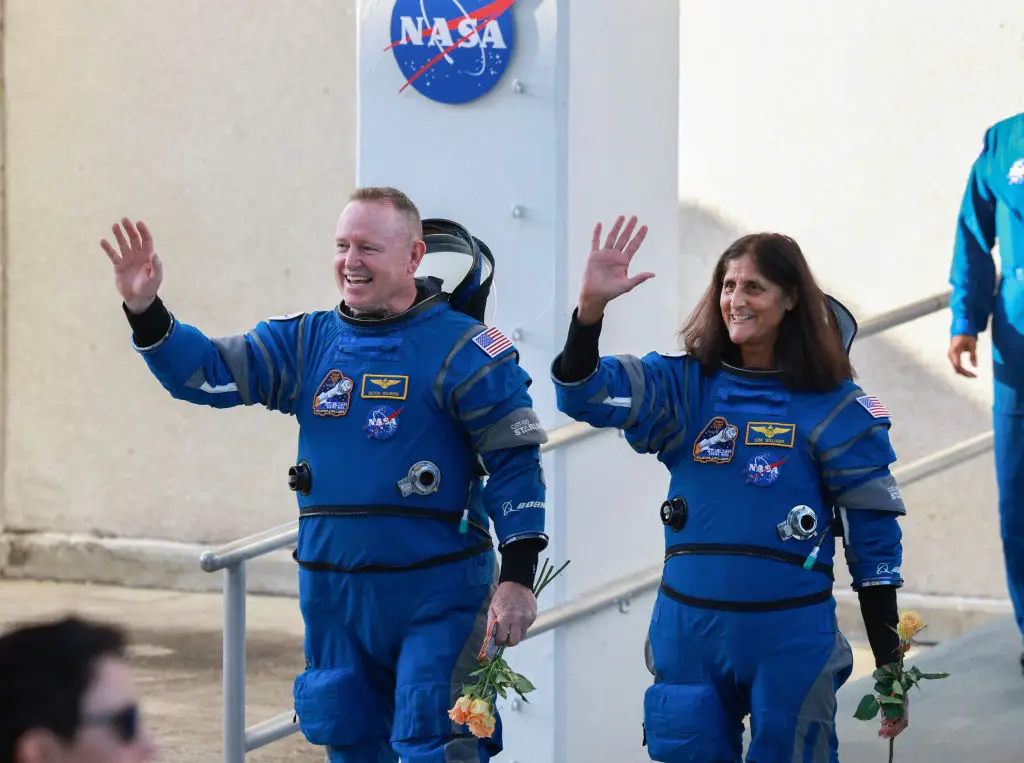
However, as they had been living in zero gravity for so long, they might be at risk of eyesight impairments, skin issues and blood clots, according to Peake.
Doctors believed that Williams ‘health wasn’t good immediately after splashdown when NASA shared an image of her.
Williams' 'visibly thin' wrists were a red flag, which they told DailyMail.com could be a sign of rapid weight loss, muscular wasting and bone density loss.
However, as the pair are already walking 24 hours after returning, their ability to recover looks good.
But experts are still concerned that they might develop 'chicken legs, 'baby feet' and increased risk of cancer due to the prolonged radiation exposure in space.
A buildup of fluids in the head is also something to watch out for as this can cause something called Spaceflight Associated Neuro-Ocular Syndrome (SANS).
It can also swell the optic nerve, flattening of the back of the eye, impact the retina, causing blurry or fuzzy vision in about 70 percent of all astronauts.
Low gravity can also wreak havoc on your cardiovascular system, resulting as reduced blood volume and reduced function of the heart and blood vessels, according to NASA.
“We're still finding out about the long-term effects of spaceflight,” European Space Agency astronaut Peake previously told LadBible. “But we also know that our skin ages, our eyesight changes and [that] we're more prone to blood clots.
“These are relatively new things that we've found out. I guess the longest effect is the radiation dose, as that's hard to quantify what the effects will be,” he said.
 Britt Jones