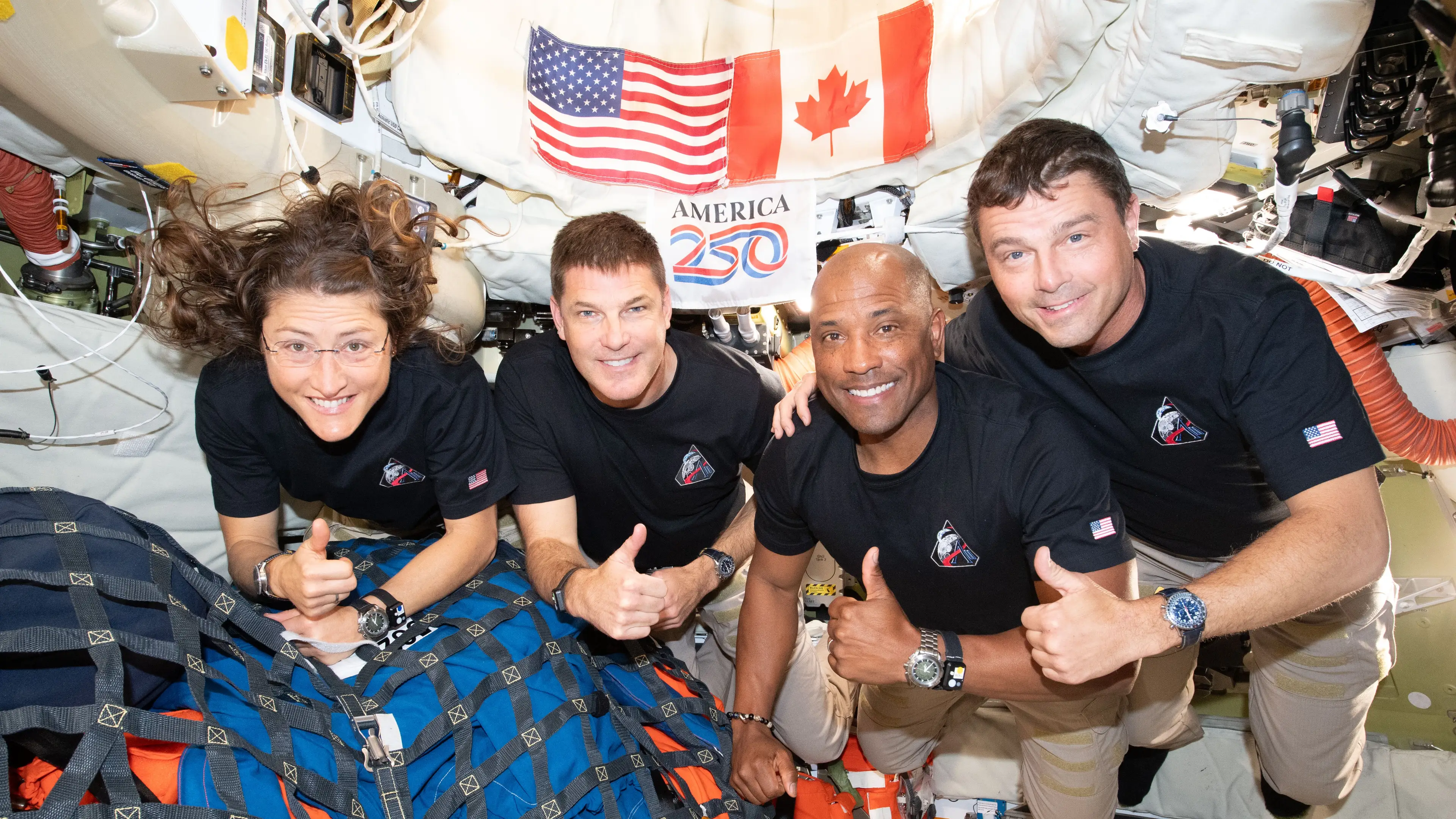
Artemis II crew will face huge challenge once they return to Earth

They might be well on the home straight, but the mission of NASA's Artemis II astronauts isn't over yet.
In fact, Reid Wiseman, Victor Glover, Christina Koch and Jeremy Hansen are about to undertake what many scientists deem their biggest challenge so far.
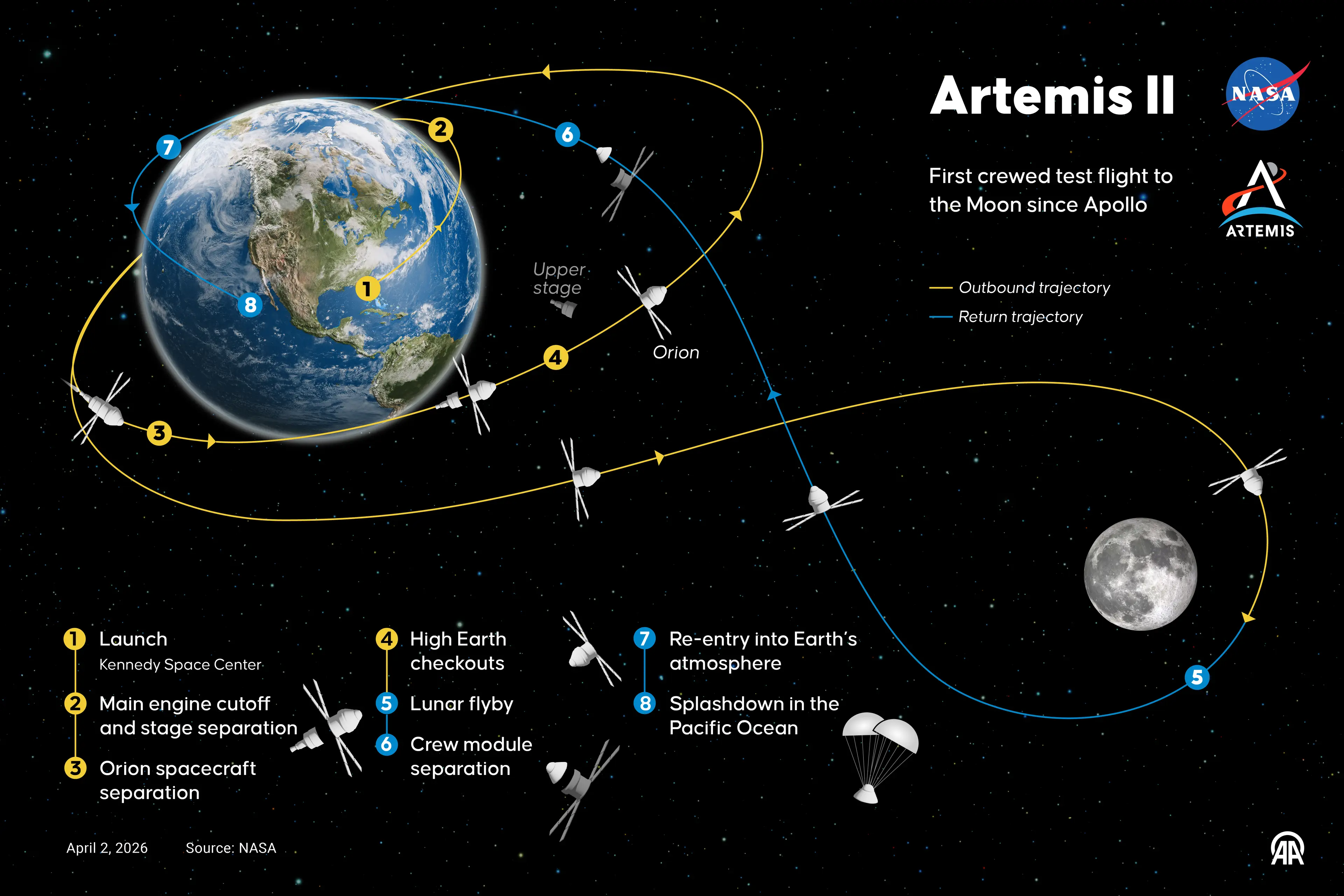
The foursome is set to splash down into the Pacific Ocean, not far from the coast of San Diego, later today (10 Apr) following a successful 10-day expedition around the moon.
They broke records, surpassing the furthest distance ever travelled by humans, a staggering 252,756 miles away.
Advert
Beforehand, they'll tear through the Earth's atmosphere at over 25,000 mph. Their ship, the Orion, will also endure temperatures of 5,000 degrees Fahrenheit during the journey home.
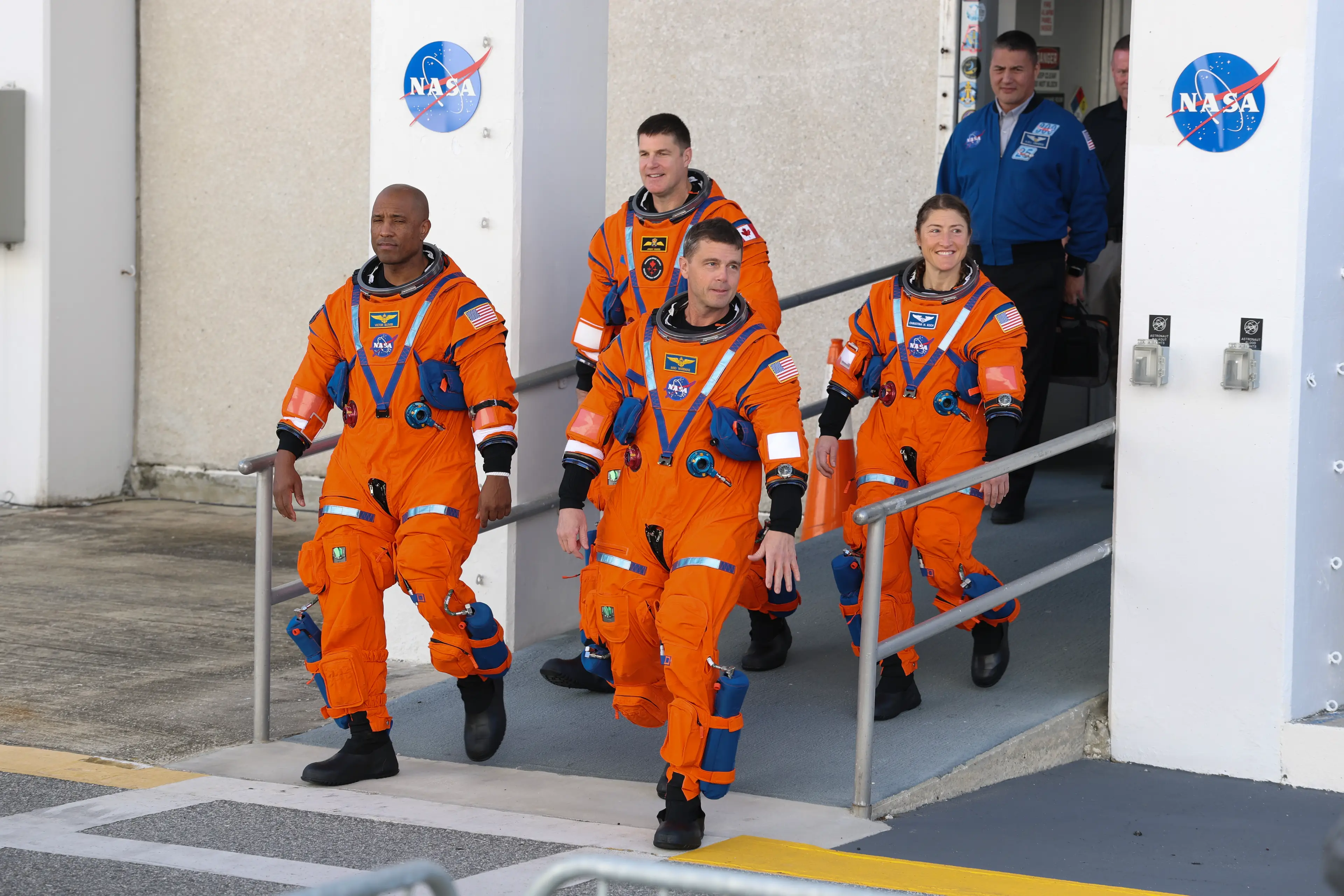
As prior space explorers will be well aware, however, the trip from outer space back to planet Earth isn't one that comes without its risks - not just technologically, but in terms of the astronauts' health.
A mission as brief as 10 days is still expected to have a considerable impact on the muscle mass of the group, specifically in their necks, backs, calves and quads.
After all, it's thought that astronauts may endure up to 20 per cent of muscle mass loss after just two weeks in space, and between 1 and 2 per cent of bone mass loss in a month.
It's also likely that they'll endure some degree of nausea - something former astronaut Don Pettit recently recalled.
After spending 220 days on the International Space Station, the chemical engineer '[emptied] the contents of my stomach onto the steppes of Kazakhstan'.
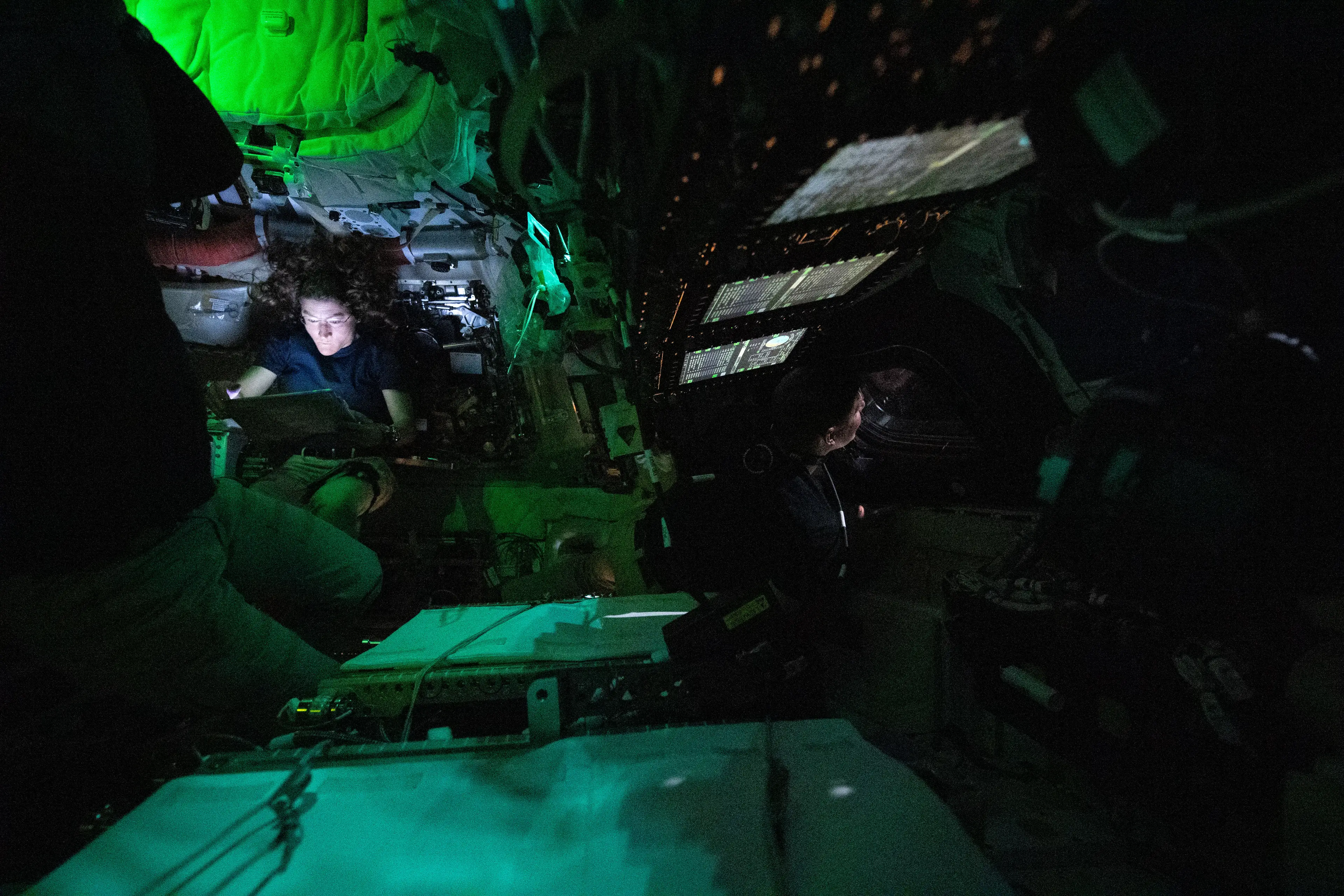
The foursome will likely endure balance issues caused by microgravity affecting their inner ears, too.
"I felt wobbly for the first two days," test pilot Jasmin Moghbeli previously claimed. "My neck was very tired from holding up my head."
It's likely the group will also suffer back pain and slipped discs upon their arrival home, given that the spine famously elongates in space, making them several inches taller.
Wiseman, Glover, Koch and Hansen will be assessed by US Navy medical personnel immediately upon their arrival onto an inflatable 'porch', after which they'll be dressed in 'Astronaut Recovery Vests'.
From there, the group will be carried on HSC-23 helicopters before being transported to the USS John P. Murtha.
There, they'll receive a more extensive medical assessment before making their way back to NASA's headquarters in Houston, Texas.
 Rhianna Benson