tyla homepage
  • News
  • Life
  • TV & Film
  • Beauty
  • Style
  • Home
  • News
    • Celebrity
    • Entertainment
    • Politics
    • Royal Family
  • Life
    • Animals
    • Food & Drink
    • Women's Health
    • Mental Health
    • Sex & Relationships
    • Travel
    • Real Life
  • TV & Film
    • True Crime
    • Documentaries
    • Netflix
    • BBC
    • ITV
    • Tyla Recommends
  • Beauty
    • Hair
    • Make-up
    • Skincare
  • Style
    • Home
    • Fashion
    • Shopping
  • Advertise
  • Terms
  • Privacy & Cookies
  • LADbible Group
  • LADbible
  • UNILAD
  • SPORTbible
  • GAMINGbible
  • UNILAD Tech
  • FOODbible
  • License Our Content
  • About Us & Contact
  • Jobs
  • Latest
  • Archive
  • Topics A-Z
  • Authors
Facebook
Instagram
X
Threads
TikTok
Submit Your Content
Reason why ‘stranded’ NASA astronauts landed in the ocean instead of solid ground

Home> News

Updated 16:52 21 Mar 2025 GMTPublished 12:46 19 Mar 2025 GMT

Reason why ‘stranded’ NASA astronauts landed in the ocean instead of solid ground

Sunita 'Suni' Williams and Barry 'Butch' Wilmore spent a staggering total of 286 days in space

Rhiannon Ingle

Rhiannon Ingle

google discoverFollow us on Google Discover
Featured Image Credit: Keegan Barber/NASA via Getty Image

Topics: US News, Nasa, Space, Explained

Rhiannon Ingle
Rhiannon Ingle

Rhiannon Ingle is a Senior Journalist at Tyla, specialising in TV, film, travel, and culture. A graduate of the University of Manchester with a degree in English Literature, she honed her editorial skills as the Lifestyle Editor of The Mancunian, the UK’s largest student newspaper. With a keen eye for storytelling, Rhiannon brings fresh perspectives to her writing, blending critical insight with an engaging style. Her work captures the intersection of entertainment and real-world experiences.

Advert

Advert

Advert

There's an interesting reason as to why the stuck NASA astronauts landed in the ocean instead of solid ground earlier this week on Tuesday (18 March).

Sunita 'Suni' Williams and Barry 'Butch' Wilmore docked their Boeing Starliner onto the International Space Station (ISS) back in June for what was supposed to be an eight-day mission, unaware that they'd be trapped in the ship for a further nine months following a bout of technical faults.

Despite mass concern online, Williams and Wilmore assured the public they weren't abandoned on the ISS following claims made by President Donald Trump and SpaceX CEO Elon Musk that their return was delayed by the Joe Biden administration for political reasons.

How did they land?

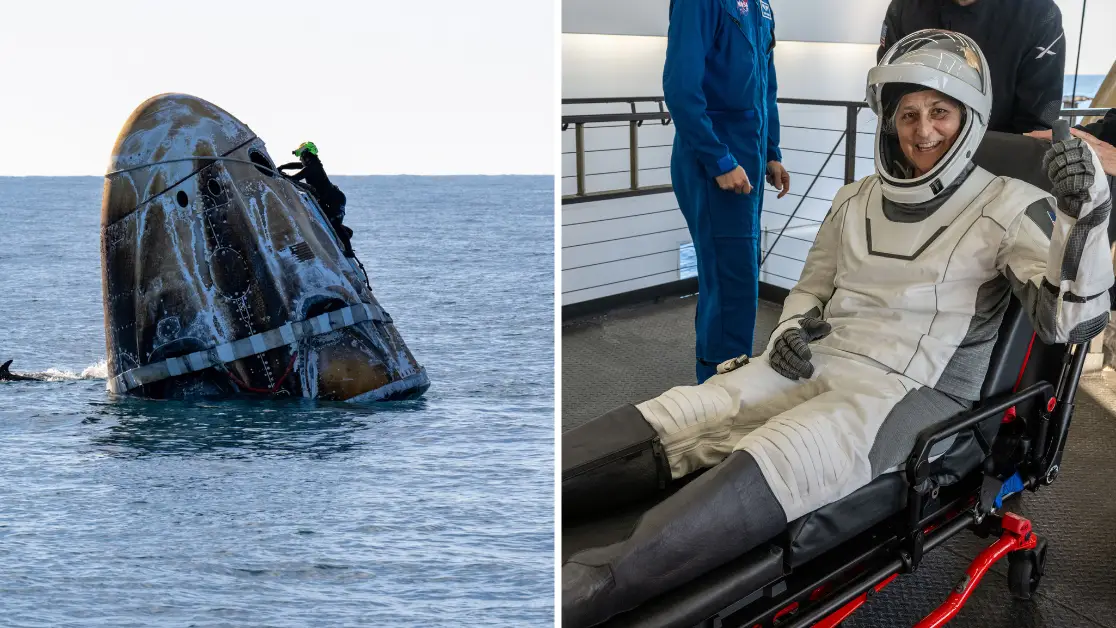
The NASA astronauts' SpaceX capsule parachuted into the Gulf of Mexico, just hours after leaving the ISS with splashdown occurring off the coast of Tallahassee, Florida, which eventually brought their unplanned odyssey to an end.

Advert

Wilmore and Williams ended up spending a staggering 286 days in space, which is a whole 278 days longer than anticipated when they launched.

They circled Earth 4,576 times and travelled 121 million miles by the time of splashdown.
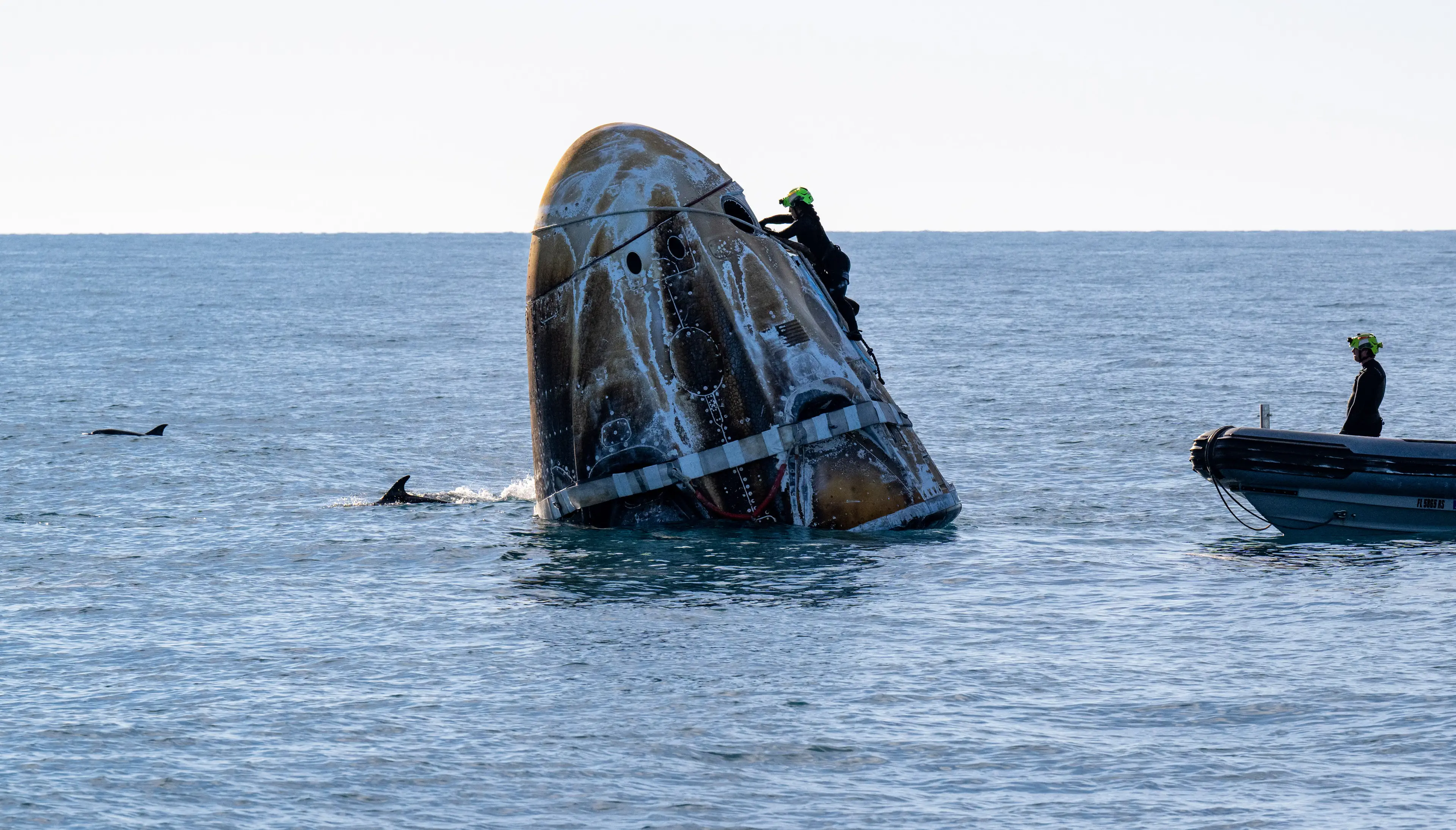
The NASA astronauts returned to Earth on Tuesday (18 March) after spending 286 days in space (Keegan Barber/NASA via Getty Images)

What is a splashdown landing?

The splashdown method is pretty much what it says on the tin - a technique where a spacecraft lands in the ocean instead of on solid ground.
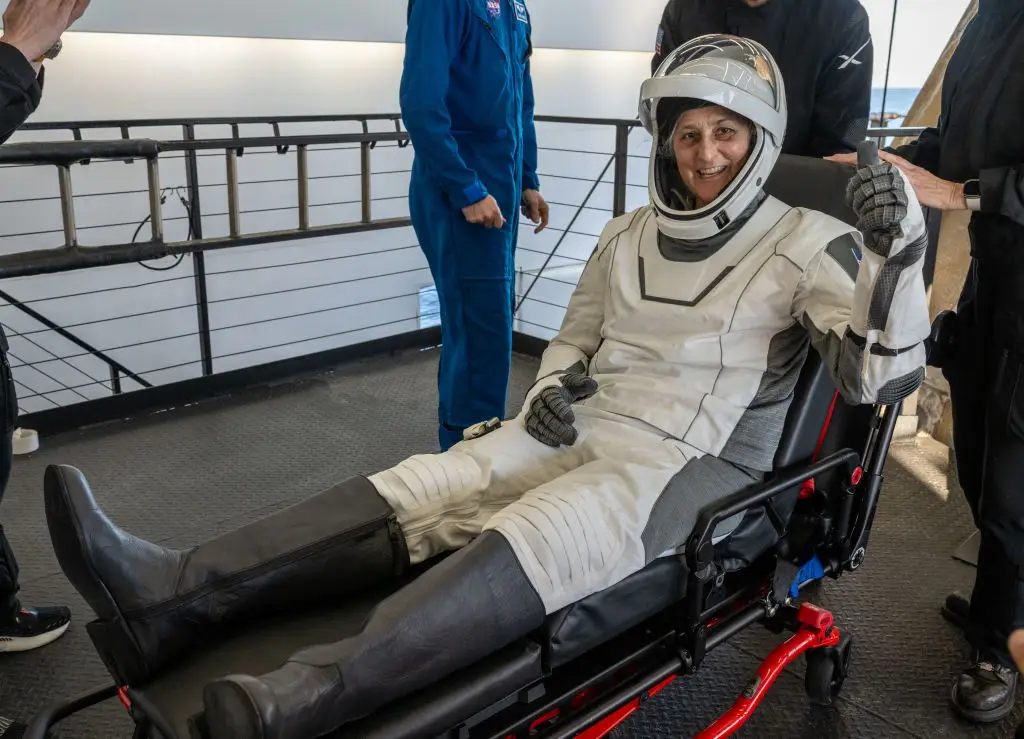
Sunita 'Suni' Williams (NASA / Handout / Getty Images)

Why was a splashdown used for the return?

There are a number of reasons as to why the splashdown method is used with one being that it simply makes for a gentler landing.

This is because the body of water acts as somewhat of a natural cushion which, in turn, reduces the impact force on astronauts compared to a hard ground landing.

Secondly, it means the aircraft design can be simpler as such a landing eliminates the need for complex landing gear like wheels or airbags which makes the spacecraft lighter and safer.

And, thirdly, a splashdown landing brings with it a lower risk of damage as spacecrafts can experience some very intense heat and speed during re-entry to Earth and landing in water can help minimise structural stress on the vessel.
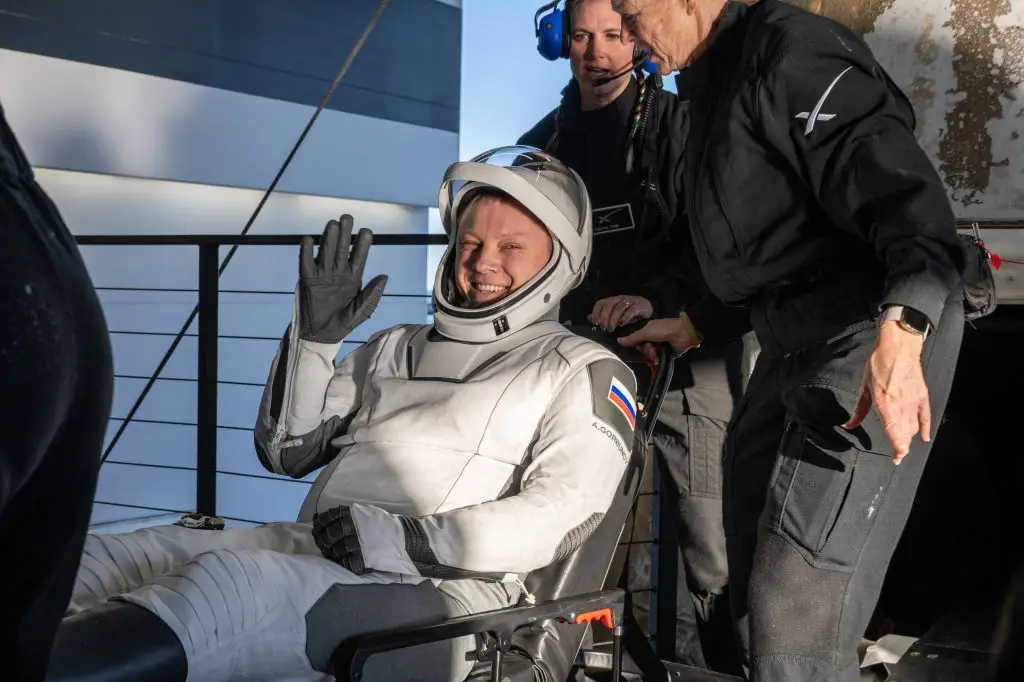
The crew were carried away in stretchers immediately after returning to Earth (Anadolu / Contributor / Getty Images)

What's next for Wilmore and Williams?

Ahead of readjusting to their normal every day lives on Earth, it's expected that the astronauts will have to go through some protocol, as well as health checks, after so long in space.

A NASA spokesperson has previously said: "All NASA astronauts aboard the International Space Station undergo routine medical evaluations, have dedicated flight surgeons monitoring them, and are in good health."

Choose your content:

11 hours ago
  • Getty Stock Images
    11 hours ago

    How to stop hay fever from ruining your sleep

    A doctor says one evening trigger could be making hay fever nights feel worse

    News
  • Getty Stock Images
    11 hours ago

    ‘Alphacoronavirus’ sparks fear among experts after new discovery

    Scientists have found a new variant in animals

    News
  • Facebook
    11 hours ago

    British mum plans to die by euthanasia in Switzerland - here's why

    Wendy Duffy's 23-year-old son Marcus tragically passed away in 2022 after falling asleep while eating a sandwich

    News
  • X/@MargoMartin47
    11 hours ago

    Donald Trump just posted photo of women’s tennis team - there’s a glaringly obvious issue

    The White House post about with Trump & the Georgia Women’s Tennis quickly sparked brutal reactions online.

    News
  • Women rave about £7 product that 'reduces hair regrowth in just one week'
  • Why ‘stranded’ NASA astronauts were carried away in stretchers immediately after returning to Earth
  • ‘Stranded’ NASA astronauts to likely be paid surprising amount for ‘inconvenience’ of being stuck in space
  • What happens if someone dies in space as 'stranded' NASA astronauts' return to earth sparks major questions