
Long-term cannabis use could be linked to brain ‘thinning’

New research on the brain has claimed that long-term cannabis use may cause the frontal cortex to thin.
The scientific study, which was presented at the 2026 European Congress of Psychiatry today (30 March) by the Fidmag Germanes Hospitalàries Research Foundation in Spain, highlighted that heavy use of the drug has been associated with reduced thickness in a key frontal region of the brain - specifically the one that's involved in decision-making and executive function.
Now, cannabis is usually perceived as relatively low risk by recreational users, and can even be legally prescribed in some countries, such as the UK, for certain medical conditions, so this news comes as a surprise.
The new study focused specifically on adults with long-term, heavy use patterns to examine whether 'measurable structural differences' are present in their brains.
Advert
Researchers conducted high-resolution MRI scans in 46 adults who had used cannabis for at least 10 years and consumed it daily for at least five years.
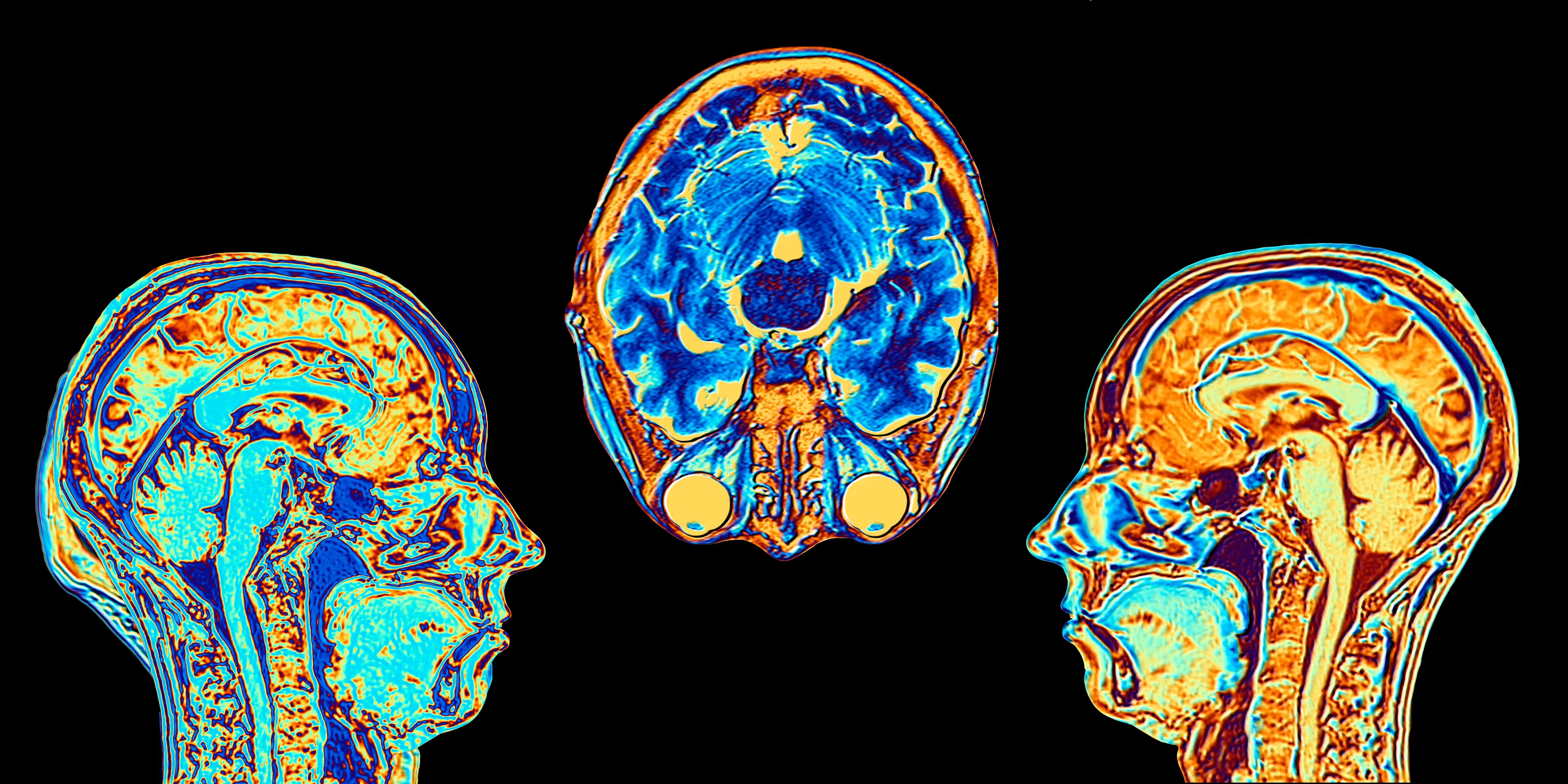
Their results were then compared with 46 adults who had used cannabis fewer than 10 times in their lifetime, matched with the same age, sex, and IQ.
And shockingly, scientists found that 'two areas of reduced cortical thickness' were identified in the 'right rostral middle frontal cortex' in long-term heavy cannabis users.
As outlined by Cleveland Clinic, the frontal cortex helps you stay focused and ignore distractions, helps you think through choices and direct your behavior, allows you to understand feelings, learn from past experiences, and more.
This region also plays an important role in executive functions such as planning, working memory, and impulse control.
Commenting on the results, lead author Aquino-Servin, outlined: “We found reduced thickness in a frontal brain region that supports executive functioning. While this study does not establish cause and effect, it adds to growing evidence that sustained heavy cannabis use may be associated with structural brain differences."
She also explained that long-term cannabis users may find it more difficult to be motivated enough to do complex tasks.

As per The Times, she said: "Executive functions are really complex processes, and it includes planning, decision making, working memory. They are processes that we need every day to deal with daily problems.
“Maybe they [regular cannabis users] don’t have a big struggle to do [tasks], but maybe the brain needs to do more work to do it. We can probably find degrees in productivity, also, in doing work tasks.
“I think another issue that can be going on here is the relation between [cannabis] use and a decrease of motivation. There’s some evidence that cannabis users have less motivation … So this can also lead to a reduction of starting tasks."
Dr. Julian Beezhold, the Secretary General of the European Psychiatric Association, added: “As cannabis policies and public attitudes evolve, robust imaging studies like this are important for informing public health discussions with objective data."
The new findings follow another study published earlier this month, which claims there is also 'very little evidence' that cannabis helps most mental health disorders.
Topics: Mental Health, Science, News, Life, World News
 Madison Burgess