
Taking magic mushrooms just once could actually make you think differently

Scientists have delved into exactly what happens to your brain after a psychedelic trip - and it might surprise you.
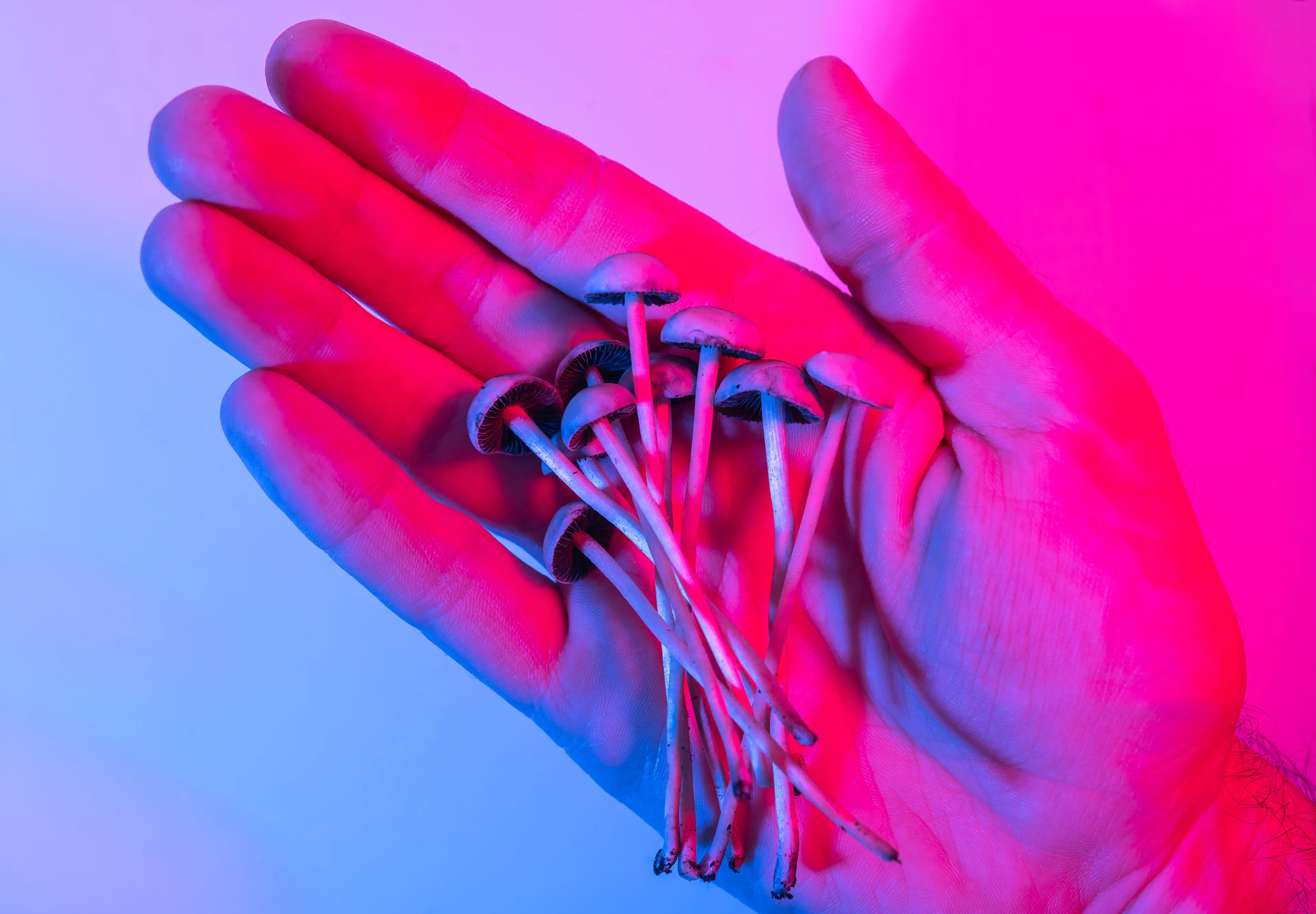
Research has revealed that just one dose of psilocybin, which is the active ingredient in magic mushrooms, can cause anatomical changes in the brain.
The study, which was published in the scientific journal Nature Communications, saw the team give 28 healthy people who’d never tried a psychedelic, 25mg of psilocybin, which, as per Scientific American, equates to a 'heroic' dose of magic mushrooms.
A month before this, they were given a 1mg dose, which is considered a dose too small to induce a trip and served as the placebo dose in the study.
Advert
Before and after the larger dose, the participants' brains were scanned to track any changes, and they were also tested on their well-being and whether it had changed.
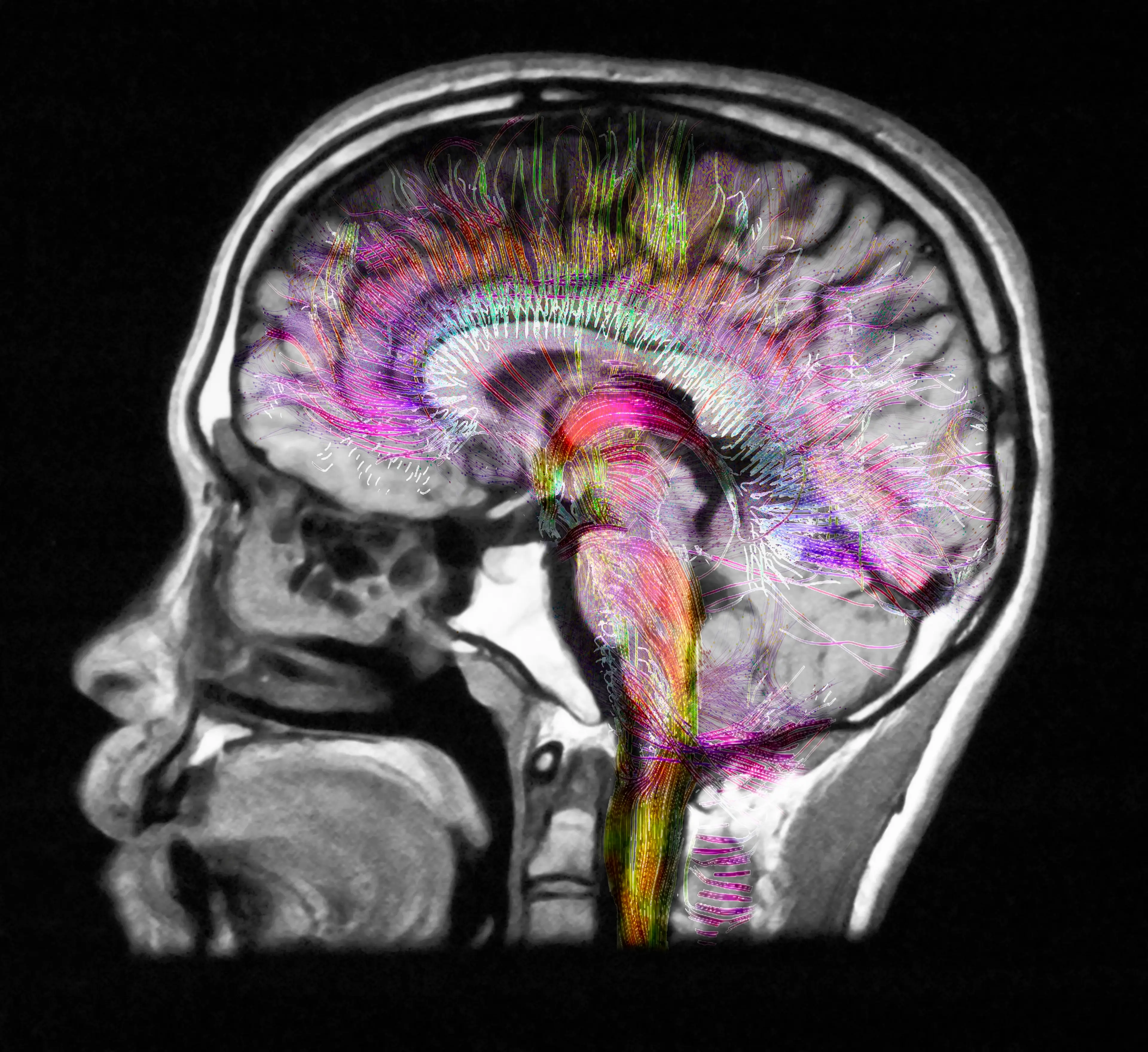
Brain activity was recorded using an EEG, or electroencephalogram, as well as additional brain scans, including MRIs.
As reported by The Guardian, scientists from the University of California, San Francisco (UCSF) and Imperial College London discovered apparent changes in the brain’s structure that were still there a month after the volunteers took the drug.
Within one hour of taking the drugs, a surge in brain entropy was reported, suggesting participants were processing a greater diversity of information.
Brain entropy is a measure of the complexity of brain activity, and it has been linked to various cognitive abilities.
If these new changes are confirmed, they could help explain the therapeutic effects that psychedelics can seemingly have on people with anxiety, depression, and addiction.
The evidence came from specific scans that measure the diffusion of water along nerve bundles in the brain, suggesting that some tracts had become denser after the drug was taken, which is the opposite of what we see in ageing and dementia.
However, there was another important key finding - and it's all to do with well-being.
Surprisingly, the participants who had the largest spike in brain entropy after taking the psilocybin were most likely to report deeper psychological insight and better well-being a month later.
Professor Robin Carhart-Harris, a neurologist at the University of California and a senior author on the study, said: "It’s remarkable to see potential anatomical brain changes one month after a single dose of any drug.
"We don’t yet know what these changes mean, but we do note that overall, people showed positive psychological changes in this study, including improved well-being and mental flexibility."
Speaking about the well-being element, the researcher added, "It suggests a psychobiological therapeutic action for psilocybin."
He continued: "We know what’s going on in your brain when you’re under the influence - when you’re experiencing the 'magic' - and we know what it will translate to soon after in terms of psychological insight."
Experts have agreed that while larger studies need to be conducted to fully understand the phemonenon, this study is an important step forward.
Topics: Mental Health, Science, News, World News
 Madison Burgess