• News
  • Life
  • TV & Film
  • Beauty
  • Style
  • Home
  • News
    • Celebrity
    • Entertainment
    • Politics
    • Royal Family
  • Life
    • Animals
    • Food & Drink
    • Women's Health
    • Mental Health
    • Sex & Relationships
    • Travel
    • Real Life
  • TV & Film
    • True Crime
    • Documentaries
    • Netflix
    • BBC
    • ITV
    • Tyla Recommends
  • Beauty
    • Hair
    • Make-up
    • Skincare
  • Style
    • Home
    • Fashion
    • Shopping
  • Advertise
  • Terms
  • Privacy & Cookies
  • LADbible Group
  • LADbible
  • UNILAD
  • SPORTbible
  • GAMINGbible
  • UNILAD Tech
  • FOODbible
  • License Our Content
  • About Us & Contact
  • Jobs
  • Latest
  • Topics A-Z
  • Authors
Facebook
Instagram
X
Threads
TikTok
Submit Your Content
How to break common food habit which has caused surge of colon cancer cases in Gen Z and Millennials

Home> Life

Published 17:02 22 Nov 2024 GMT

How to break common food habit which has caused surge of colon cancer cases in Gen Z and Millennials

There's one thing you can do every day to reduce the risk

Jess Hardiman

Jess Hardiman

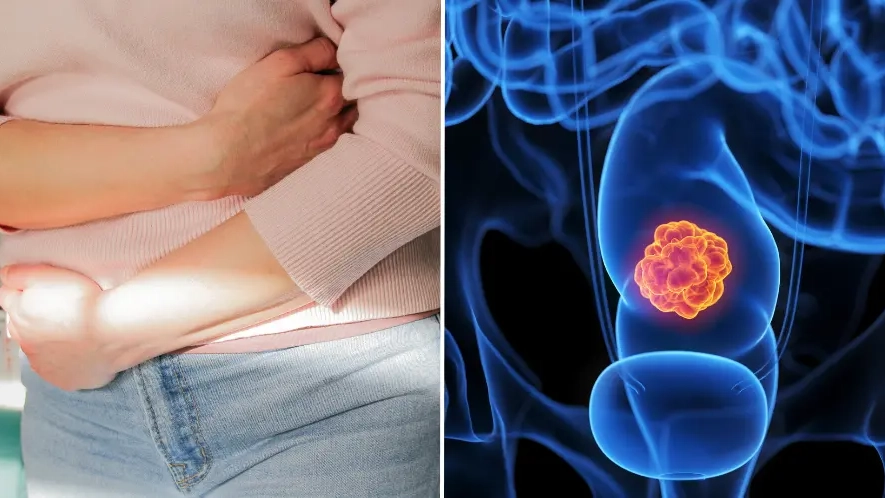
With a rise in bowel cancer among young people, doctors believe there may be one key food habit that lies at its cause - but thankfully there's an important change you can make to lessen the risks.

According to Cancer Research UK, there are around 44,100 new bowel cancer cases being diagnosed in the UK every year, making it the fourth most common cancer for Brits.

The organisation says there are a number of risks involved, and that these will depend on various factors, such as age, genetics and exposure to risk factors - including some 'potentially avoidable lifestyle factors'.

Bowel cancer can include colon cancer, rectal cancer, anal cancer and small bowel cancer.

Diet and colon cancer

Many experts agree that diet plays a prominent role, especially as the Western diet is known for fast food, carbohydrates, sugars, fats and little fibre.

Advert

Tim Spector, an epidemiologist, and scientific co-founder of health science company ZOE, told Newsweek that Gen Z and Millennial diets aren’t great.

He said: "It seems that younger generations want to eat well. However, because 'wellness' has become fashionable, there's a great deal of misinformation on social media.

"This can make it difficult for people of any age to know how to eat healthily.”
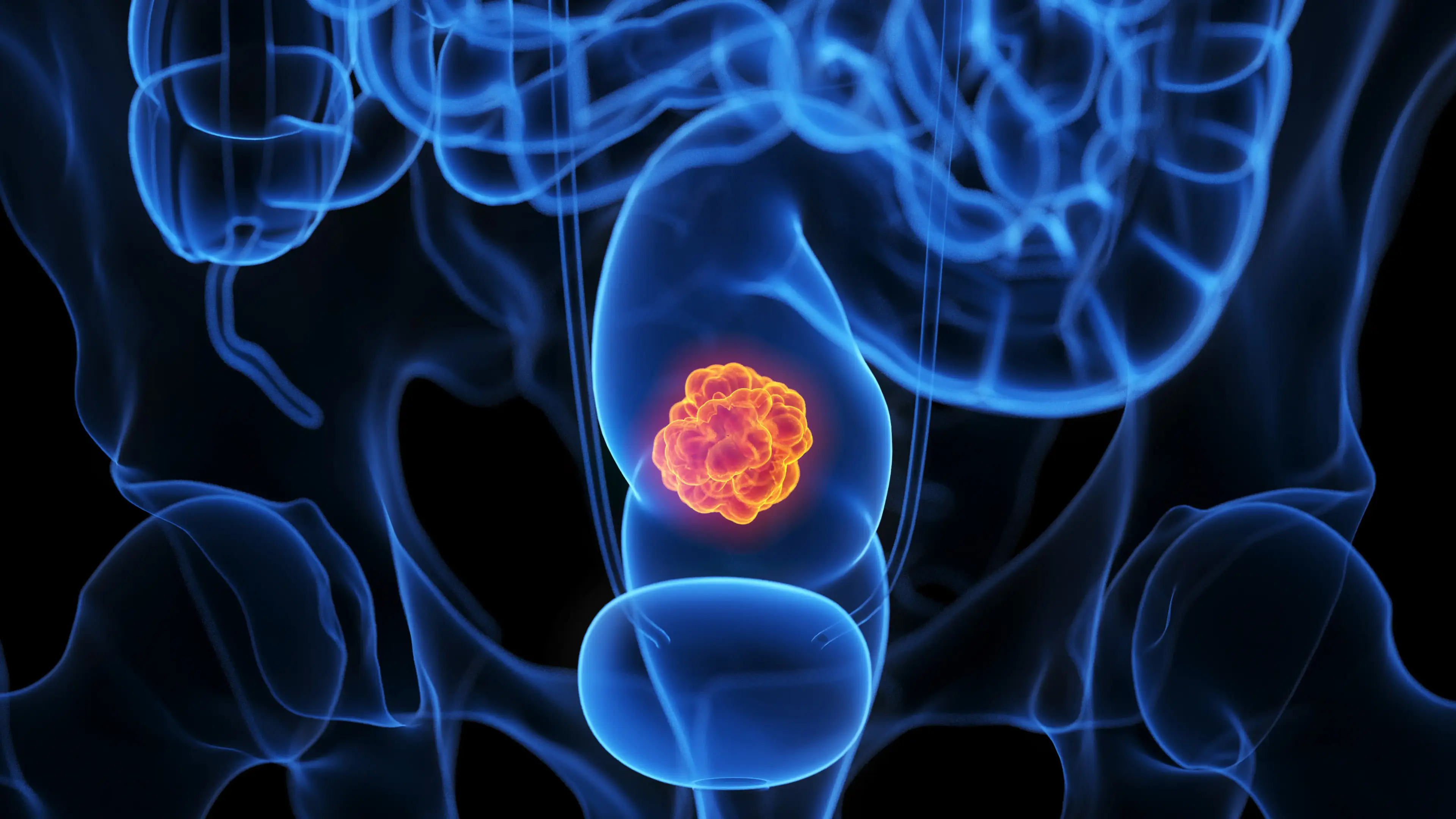
Many doctors believe cancer can be linked to poor diets (Science Photo Library/Getty Images)

UPFs

Ultra-processed foods (UPF) are regularly outed by doctors as a particular culprit, as they are formed industrially from natural foods.

Advert

These typically have one or more ingredient that you'd struggle to find in an average kitchen, and commonly include synthetic substances like additives, preservatives, emulsifiers, sweeteners, artificial colours or flavours.

They've become an integral part of a dieting habits, as they're not only often tasty, but often boast a suspiciously lengthy shelf life.

However, as an obvious downside, they are also said to be very detrimental to our health.
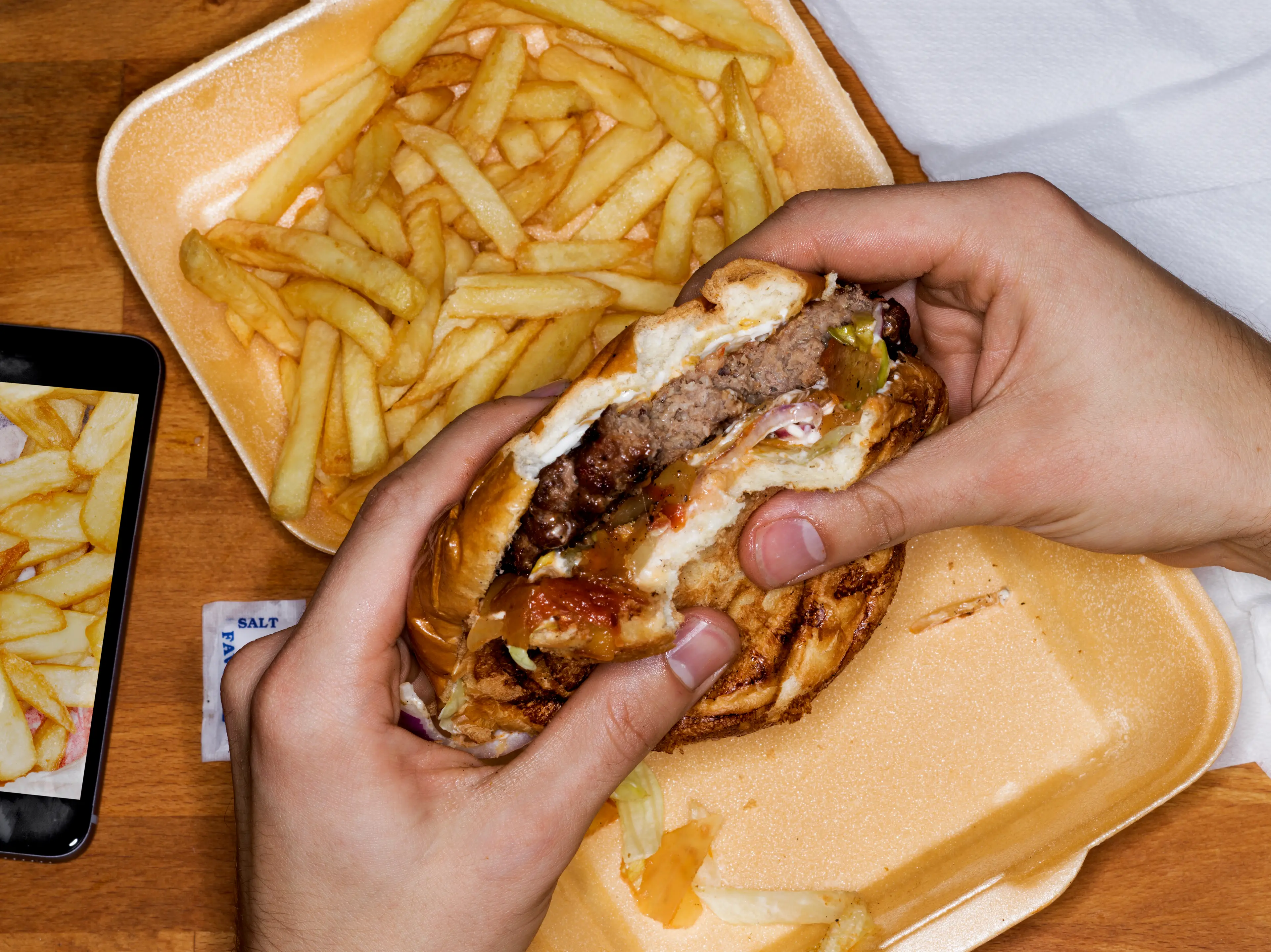
UFPs have become a key part of modern diets (Jonathan Knowles/Getty Images)

How to eat less processed food

According to the ZOE website, one way to eat fewer UPFs is to up your intake of unprocessed, or 'minimally processed' food.

Advert

These include:

  • fruit and vegetables (both fresh and frozen)
  • dried fruits and nuts with no added sugar, salt, or oil
  • pulses and legumes (such as chickpeas and lentils)
  • whole grain starchy carbohydrates (whole wheat bread, oats, whole wheat pasta)
  • fresh meat, poultry, fish, and eggs
  • plain or natural yogurt with no added sugar
  • spices and herbs
  • tea, coffee, water

As well as this, you can also take a number of other steps, such as: cooking at home as often as possible; bringing a packed lunch to school or work; checking food labels for saturated fat, sodium, and sugar quantity; snacking on whole foods over pre-packaged snacks; and trying to reduce how much fast food you eat.

Featured Image Credit: Kinga Krzeminska/Sebastian Kaulitzki/Science Photo Library/Getty Images

Topics: Health, Cancer

Jess Hardiman
Jess Hardiman

Jess is Entertainment Desk Lead at LADbible Group. She graduated from Manchester University with a degree in Film Studies, English Language and Linguistics. You can contact Jess at [email protected].

X

@Jess_Hardiman

Advert

Advert

Advert

Choose your content:

a day ago
  • Getty/X/@WestsideLAGuy
    a day ago

    Woman labelled ‘red flag’ after response to coffee suggestion for first date goes viral

    The text message exchange has amassed nearly 20 million views - and everyone has an opinion on it

    Life
  • Getty Stock Image
    a day ago

    Doctor has brutally honest message for anyone taking weight loss drugs following concerning new study

    A new study has found that weight loss jab users put all the weight back on much faster than traditional dieters

    Life
  • BMJ
    a day ago

    Couple had sex in MRI machine to see what actually happens to your body during intimacy

    Ida Sabelis and her boyfriend Jupp agreed to be observed enjoying a romp in the medical sack by scientist, Menko Victor 'Pek' van Andel

    Life
  • HYROX
    a day ago

    What 'Hyrox' actually means as 'full legal name' leaves people feeling sick

    Hyrox has seen a huge increase in popularity since it began back in 2017 - but what its name means remains a mystery

    Life
  • Professors blame one childhood eating habit for surge in colon cancer among Gen Z and Millennials
  • Americans issued warning over common eating habit after one cancer surges among Gen Z and Millennials
  • Doctor issues warning over ‘pain-free’ bowel cancer symptoms as cases surge among Gen Z
  • Everyday food item in most people’s cupboards could actually be linked to colon cancer