Artemis II astronaut Victor Glover reveals one hope as crew face one of moon mission's riskiest milestones today

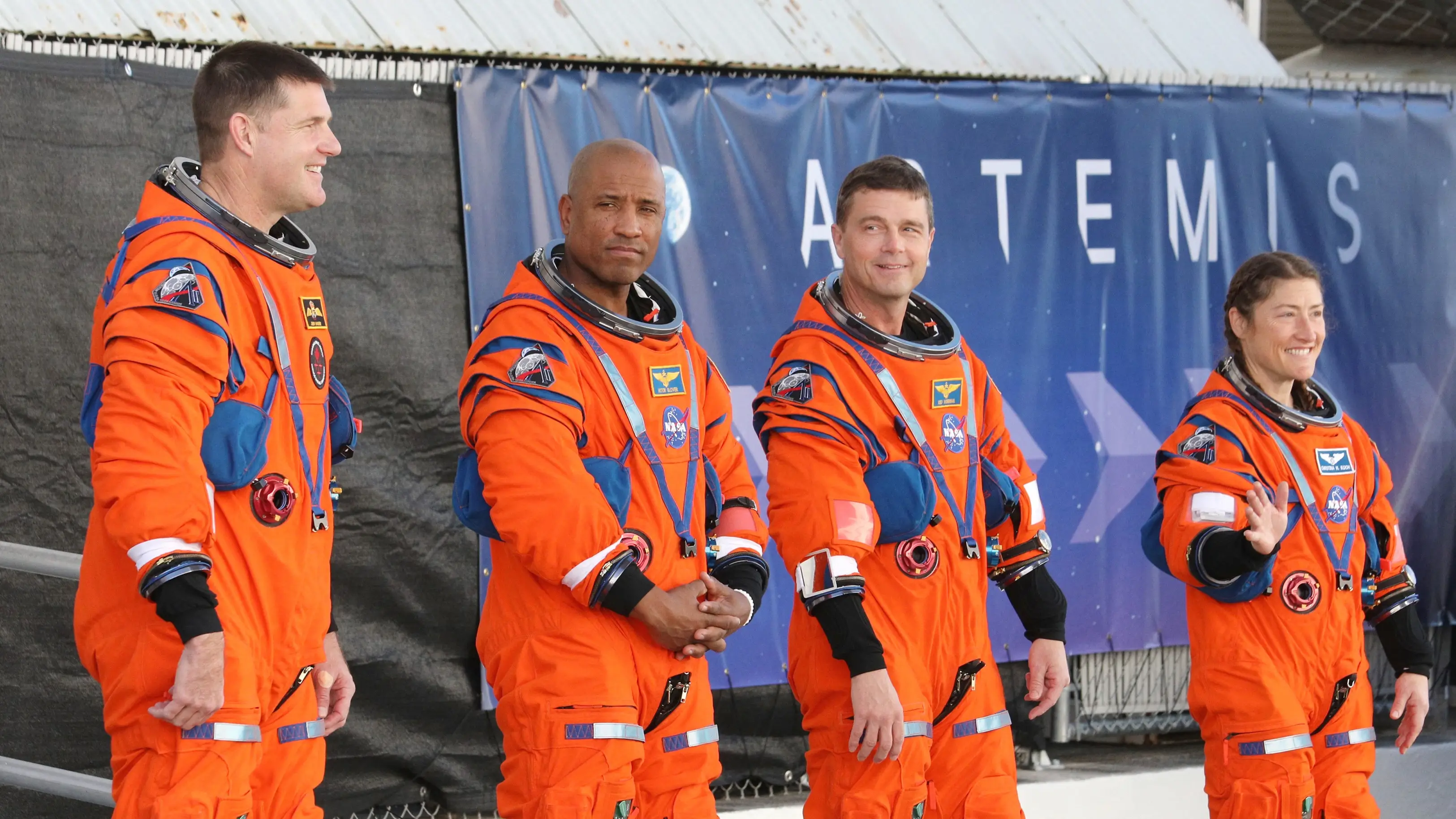
Reid Wiseman, Victor Glover, Christina Koch and Jeremy Hansen will achieve a major milestone in their mission to the moon - hopefully.
The foursome ventured off into space last Wednesday (1 Apr) for the long-awaited Artemis II mission. Their $93 billion expedition marks the first time that humans have been sent to the moon in over 50 years.
While Wiseman, Glover and Koch were sent from NASA on behalf of Team USA, Hansen works for the Canadian Space Agency. The group have maintained constant contact with mission control, based in Houston, Texas since they launched from Florida last week.
Later today (6 Apr), they're set to surpass a distance ever travelled by human beings.
Advert
It's a milestone that doesn't come with risks, however, given that this achievement will simultaneously cut the astronauts off from contact with Earth for around 40 minutes.
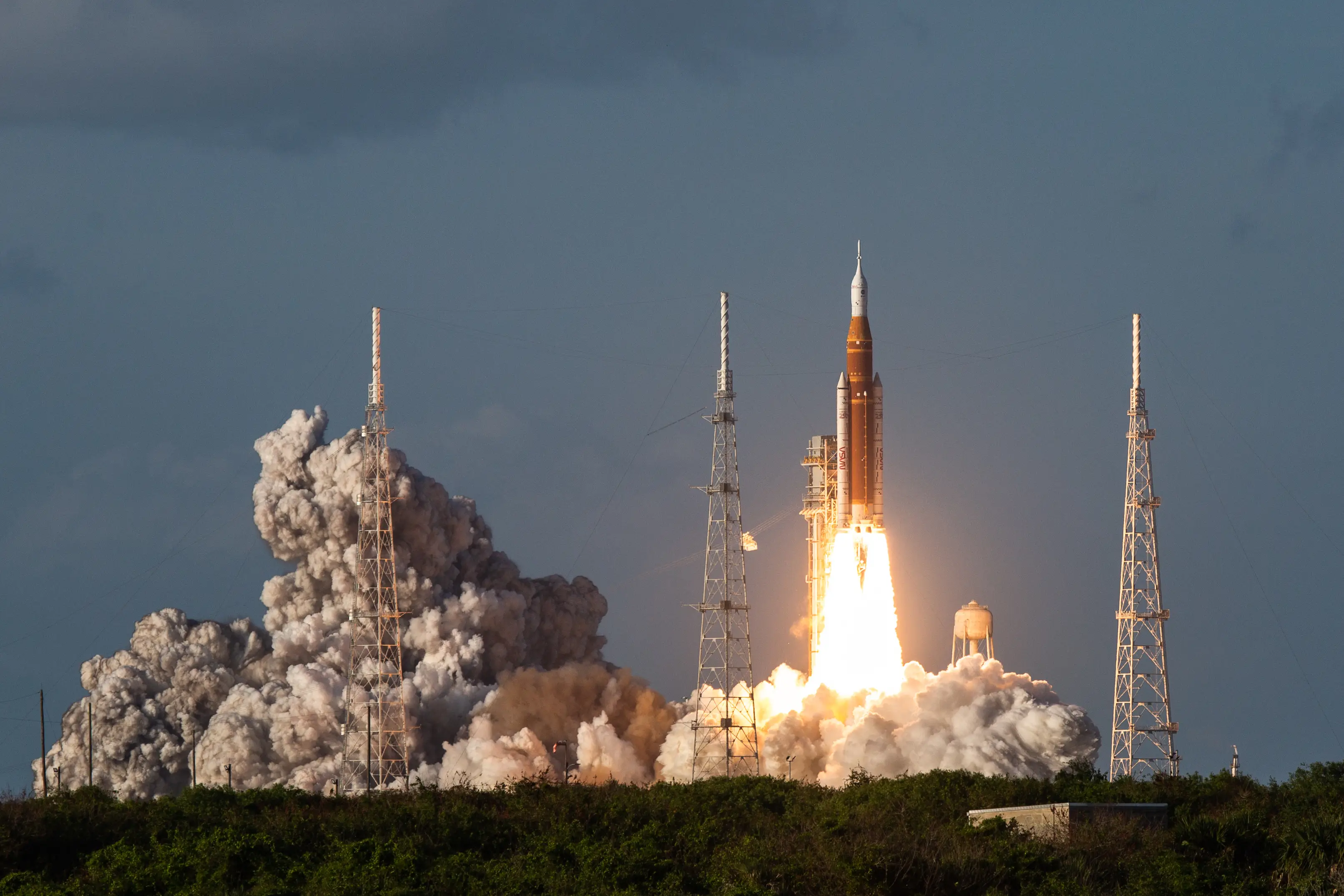
The radio and laser signals that the group have been using to communicate with mission control is soon to be blocked by the moon itself.
Despite the threat of losing contact altogether, 49-year-old Glover claimed he and his team have so far been able to keep faith.
"When we're behind the Moon, out of contact with everybody, let's take that as an opportunity," he told BBC News days prior to setting off. "Let's pray, hope, send your good thoughts and feelings that we get back in contact with the crew."
Michael Collins, an astronaut the Apollo 11 mission to the moon endured the same isolation back in 1969, when he suddenly lost communication with his crew.
The silence came almost immediately after Neil Armstrong and Buzz Aldrin stepped onto the lunar surface - a world first. Collins, meanwhile, was in the command module, alone.
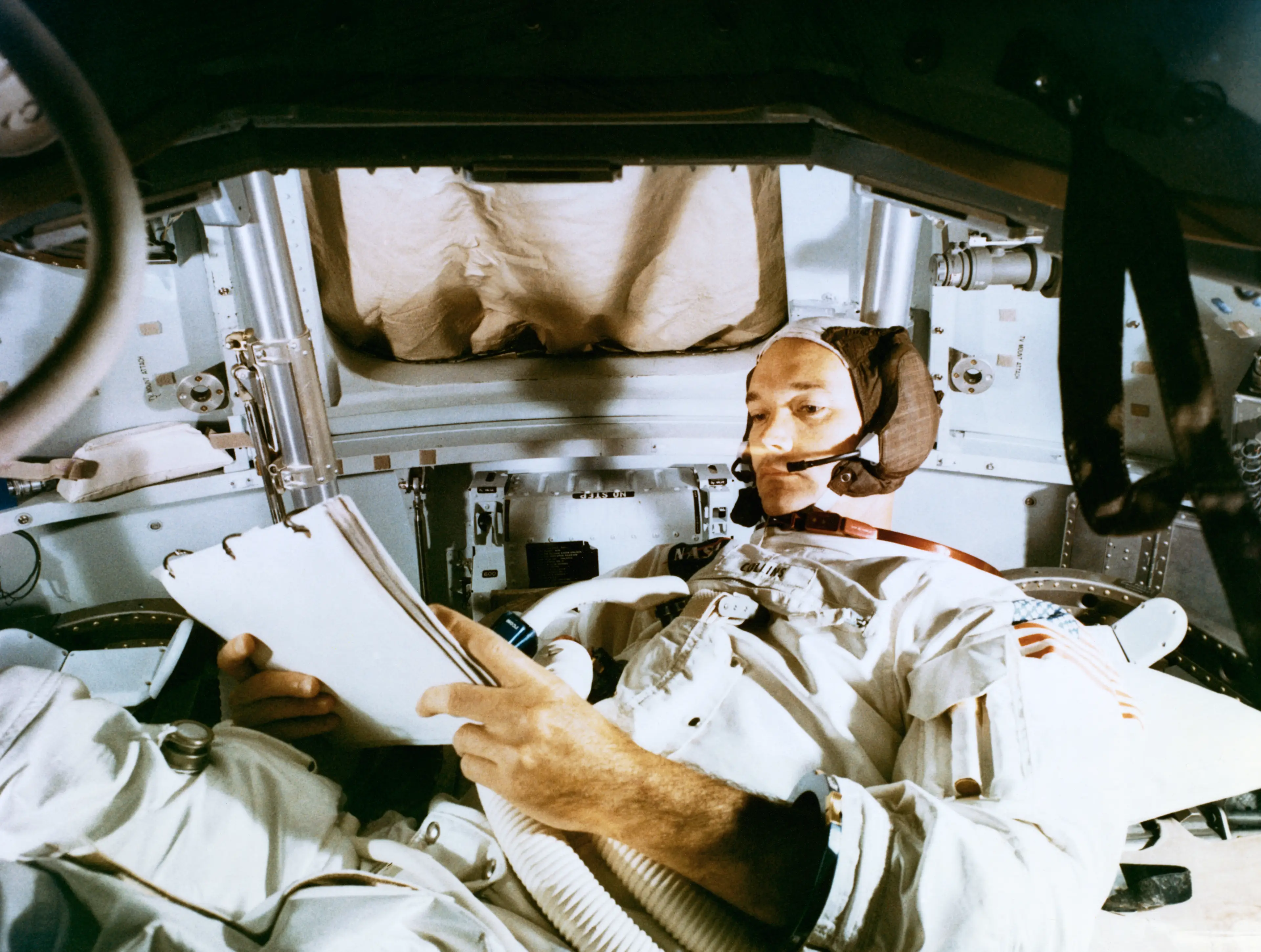
For 48 minutes, he failed to get through to his team.
Thankfully, communication eventually resumed, and the trio returned to Earth unharmed.
Recalling the experience in his 1974 memoir, Carrying the Fire, Collins claimed that, despite feeling 'truly alone' and 'isolated from any known life', he was free from both fear and loneliness, instead, opening up on the tranquillity offered by the silence.
Unfortunately, however, Collins' experience hasn't sufficiently calmed the nerves of those tracking the Artemis II from Earth.
Matt Cosby, whose team at the Goonhilly Earth Station in Cornwall have been feeding back signals sent from the group directly to NASA's headquarters for the last five days, explained: "This is the first time we're tracking a spacecraft with humans on it.
"We're going to get slightly nervous as it goes behind the Moon and then we'll be very excited when we see it again, because we know that they're all safe."
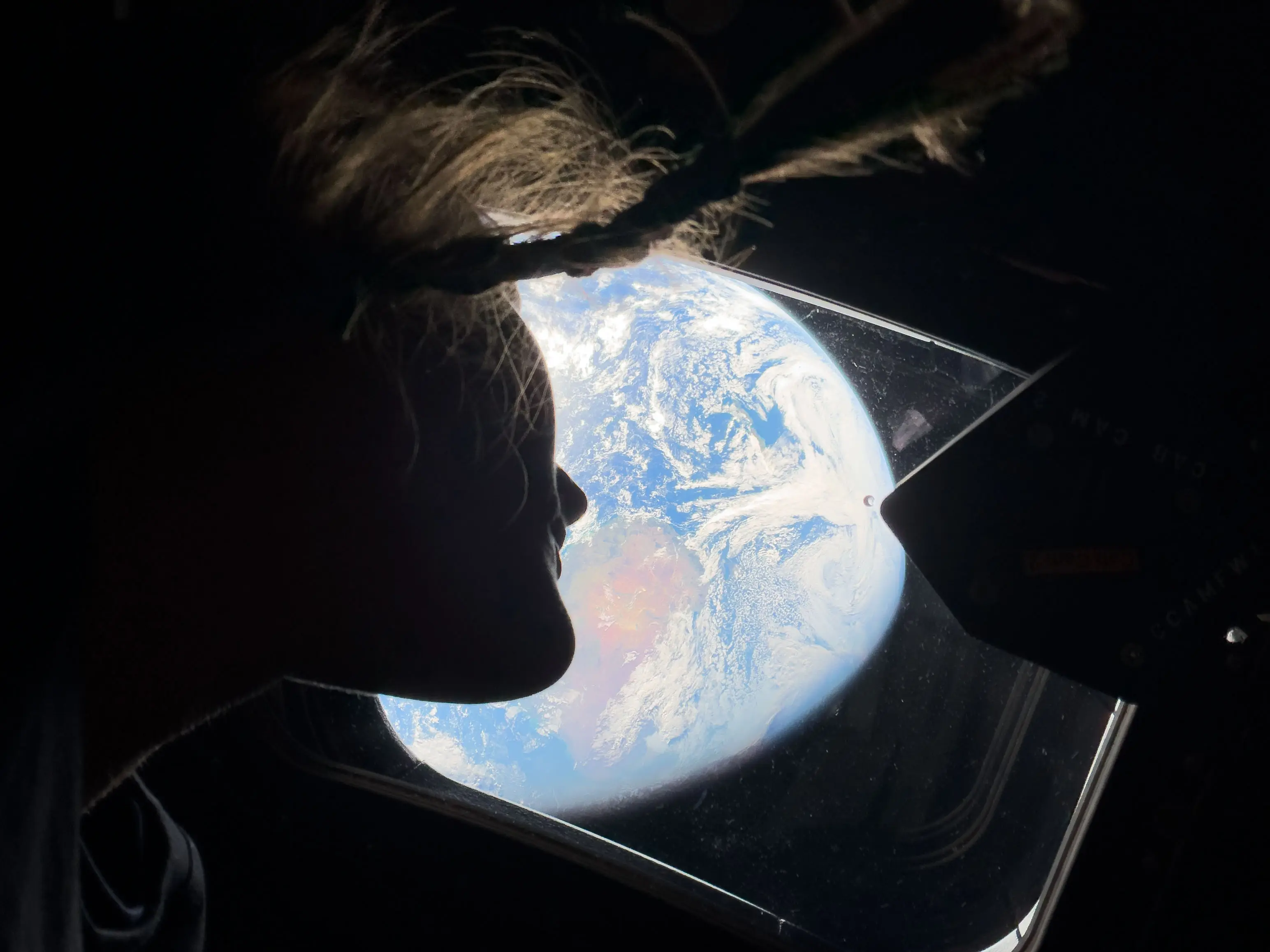
Cosby went on to add, however, that this milestone is necessary when it comes to the future prospect of building a base camp on the moon, which will fuel further space exploration.
"For a sustainable presence on the Moon, you need the full comms - you need the full 24 hours a day, even on the far side, because the far side will want to be explored as well," he continued.
Topics: Space, Nasa, US News, World News, News
 Rhianna Benson