Astronaut explains why we haven't visited the Moon since 1972

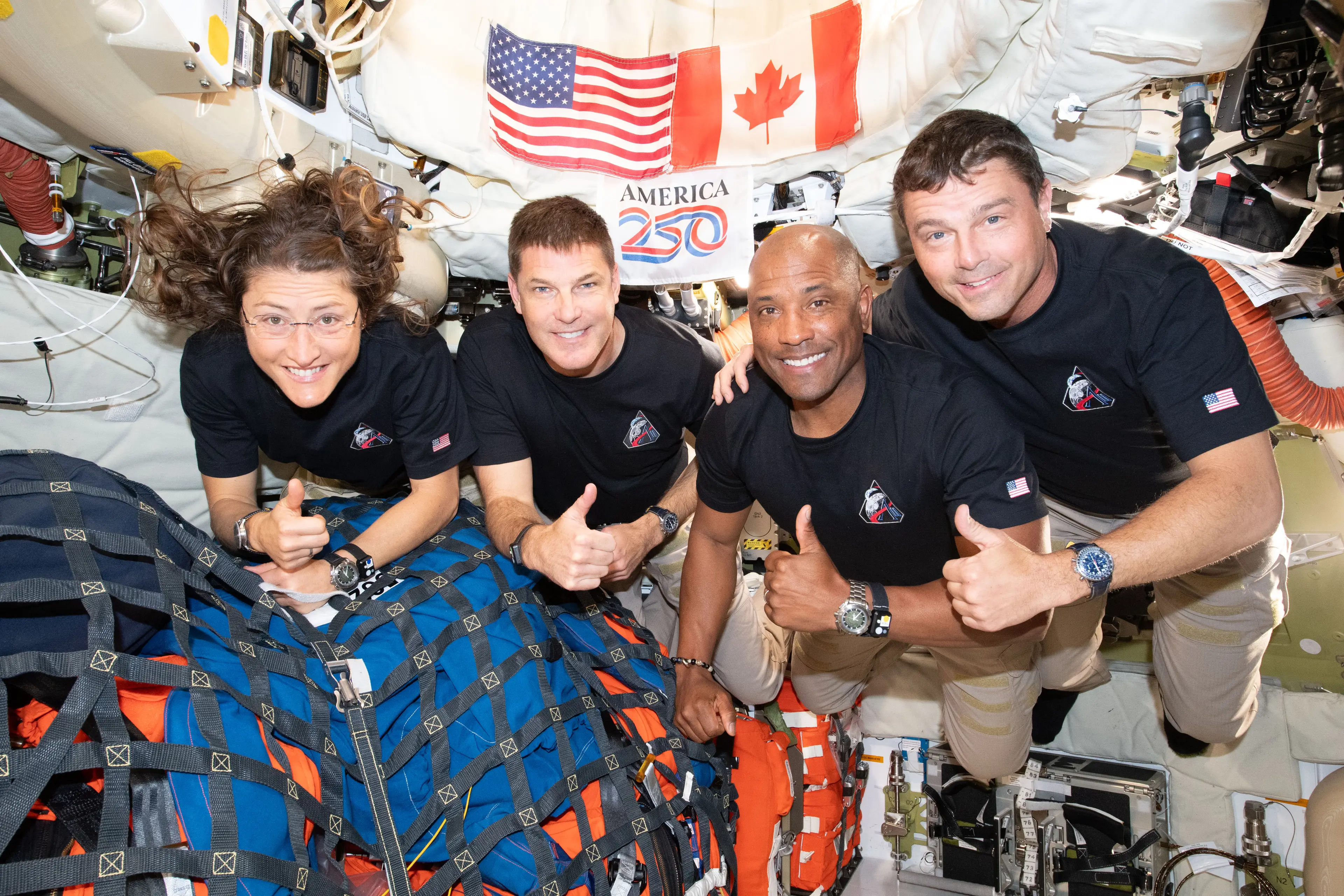
Artemis II astronauts Reid Wiseman, Victor Glover, Christina Koch and Jeremy Hansen made history this week by surpassing the furthest distance ever travelled by human beings.
Despite circling the Moon as part of a critical and necessary test of deep-space systems, however, they never landed upon it.
Further, NASA reportedly has no plans for Moon landings until next year, when Artemis III will fire off into space.
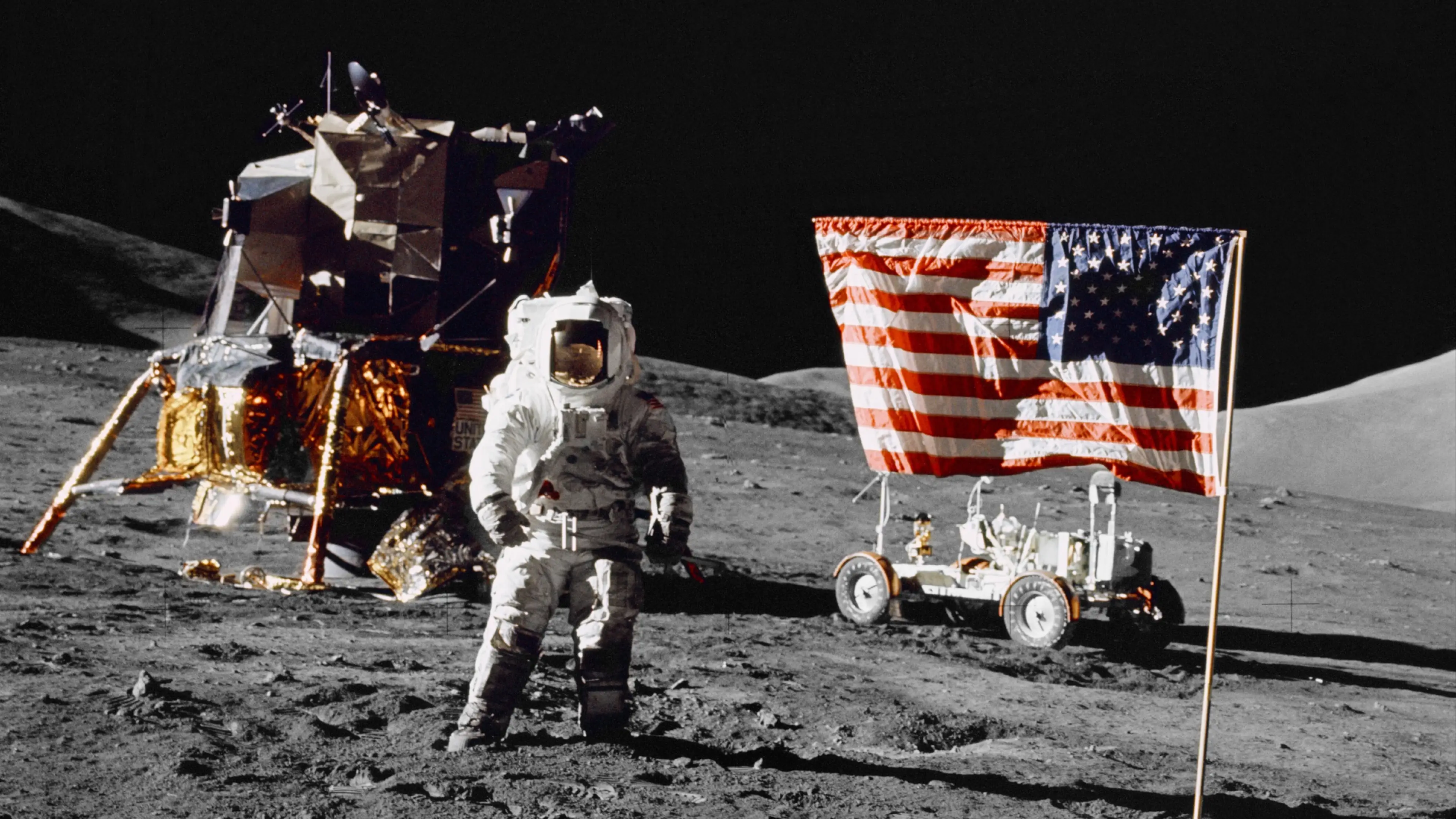
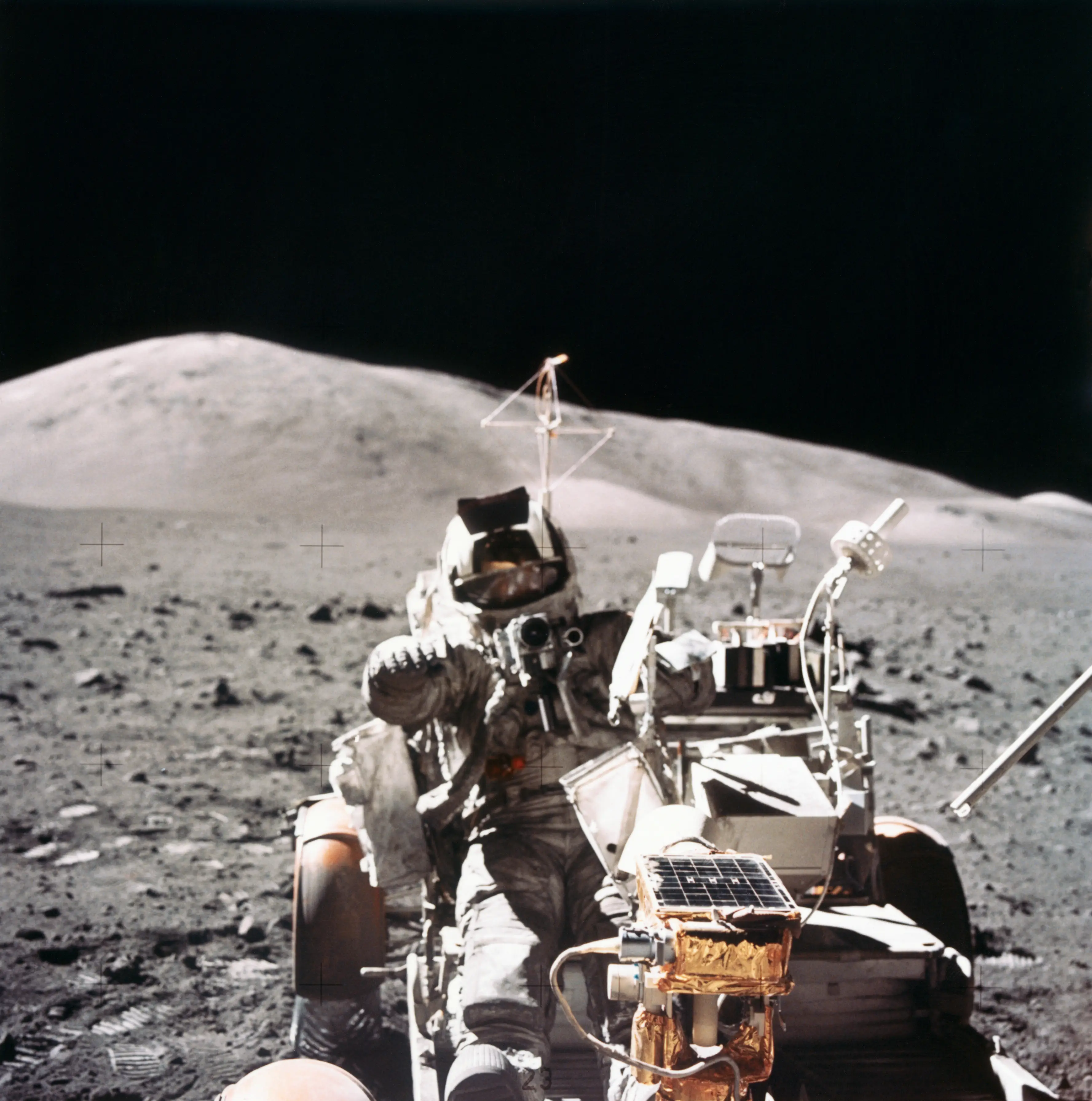
In fact, no person has stepped foot on the Moon since the Apollo 17 mission of 1972, the eleventh and final crewed mission of NASA's Apollo program.
Advert
That year, Eugene Cernan, the crew's commander, stepped out onto the mysterious plane, alongside Lunar Module Pilot, Harrison Schmitt. Their Command Module Pilot, Ronald Evans, meanwhile orbited around them.
But why has it been so long since man last walked on the moon?
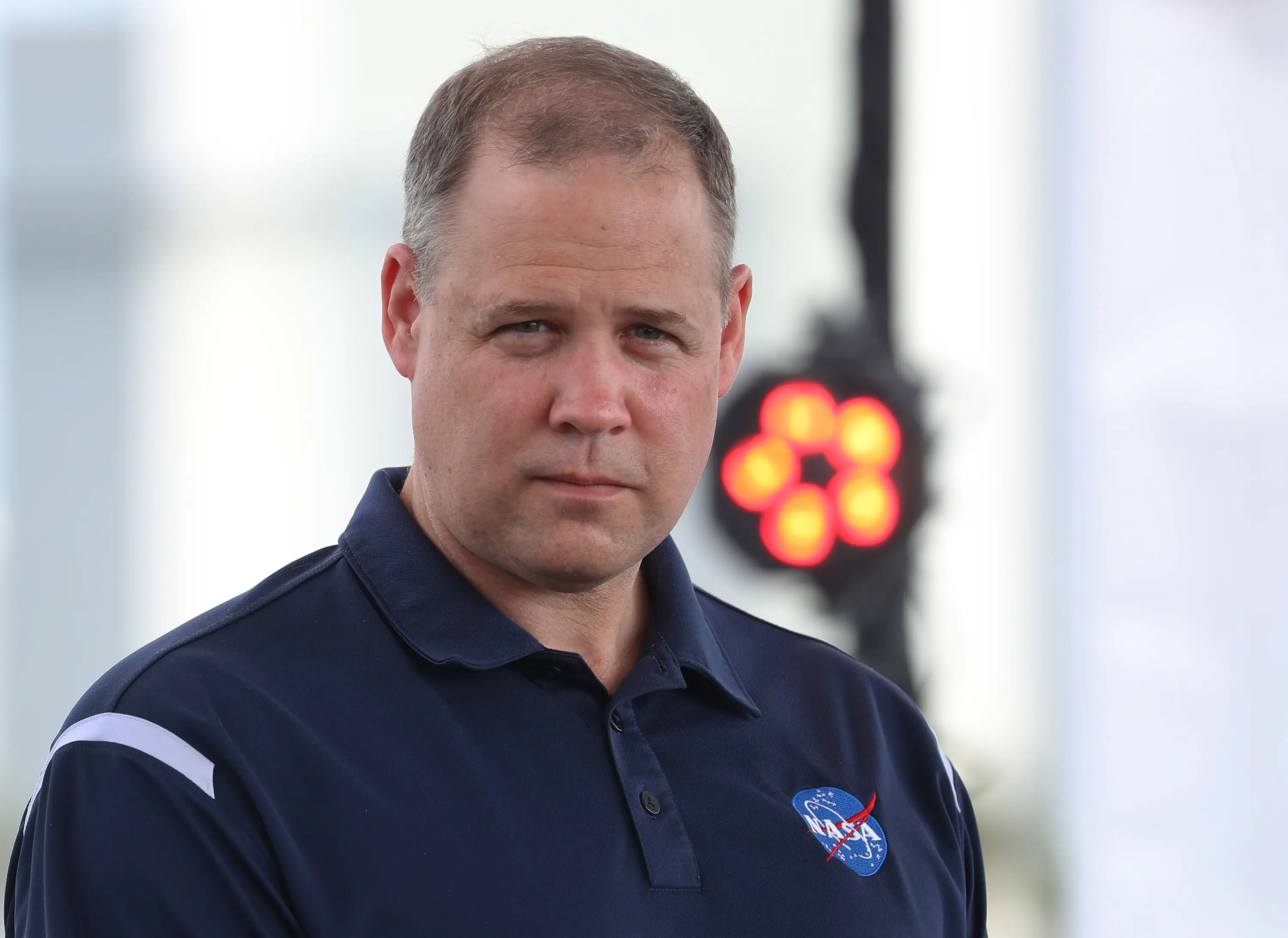
These two questions, former NASA administrator Jim Bridenstine previously attempted to answer.
Apparently, however, the reason for NASA's reluctance isn't due to technological fears, but political restrictions.
Bridenstine told reporters in 2018: "If it wasn't for the political risk, we would be on the moon right now. In fact, we would probably be on Mars. It was the political risks that prevented it from happening.
"The program took too long, and it costs too much money."
Patricia Reiff, a physics and astronomy professor at Rice University in Houston, told ABC News that Bridenstine is absolutely right - that it wouldn't have been appropriate to drop such hefty expenditure until now.
"Ultimately, the main reason it's taken so long is it's cost a lot of money," she told ABC News. "When we did Apollo, we dedicated 5% of the federal budget to make Apollo go and be safe in a very short time.
"Right now, NASA's budget isn't 5% of the federal budget, it's less than a half of 1% of federal budget - and so you just can't afford everything NASA wants to do."
In 2022, US moon exploration resumed following a lengthy break when NASA launched Artemis I into space.
Though the comeback mission was uncrewed, it tested the Orion spacecraft, as well as the Space Launch System rocket that Wiseman, Glover, Koch and Hansen used this time around.
NASA's current administrator, Bill Nelson, insisted following the 2022 launch that things were currently on track in the re-establishment of human presence on the moon.
"This has been an extraordinarily successful mission," he gushed at the time.
Topics: Space, Nasa, US News, World News, News
 Rhianna Benson