NASA are sending Americans back to the moon for several vital reasons

In just over 48 hours, humans will be sent to the moon for the first time in 50 years.
The question that many bewildered spectators seemingly have, however, is - why?
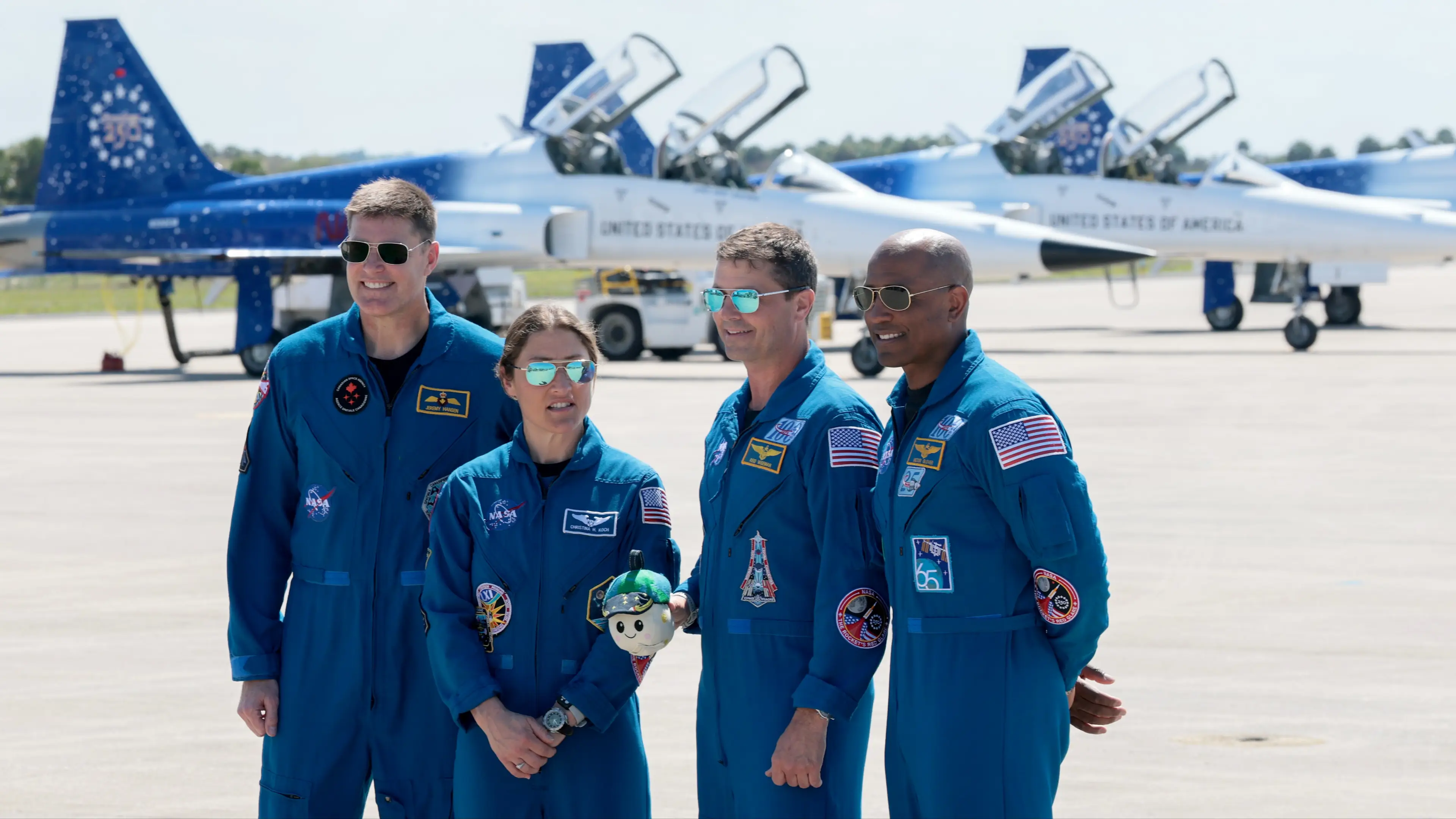
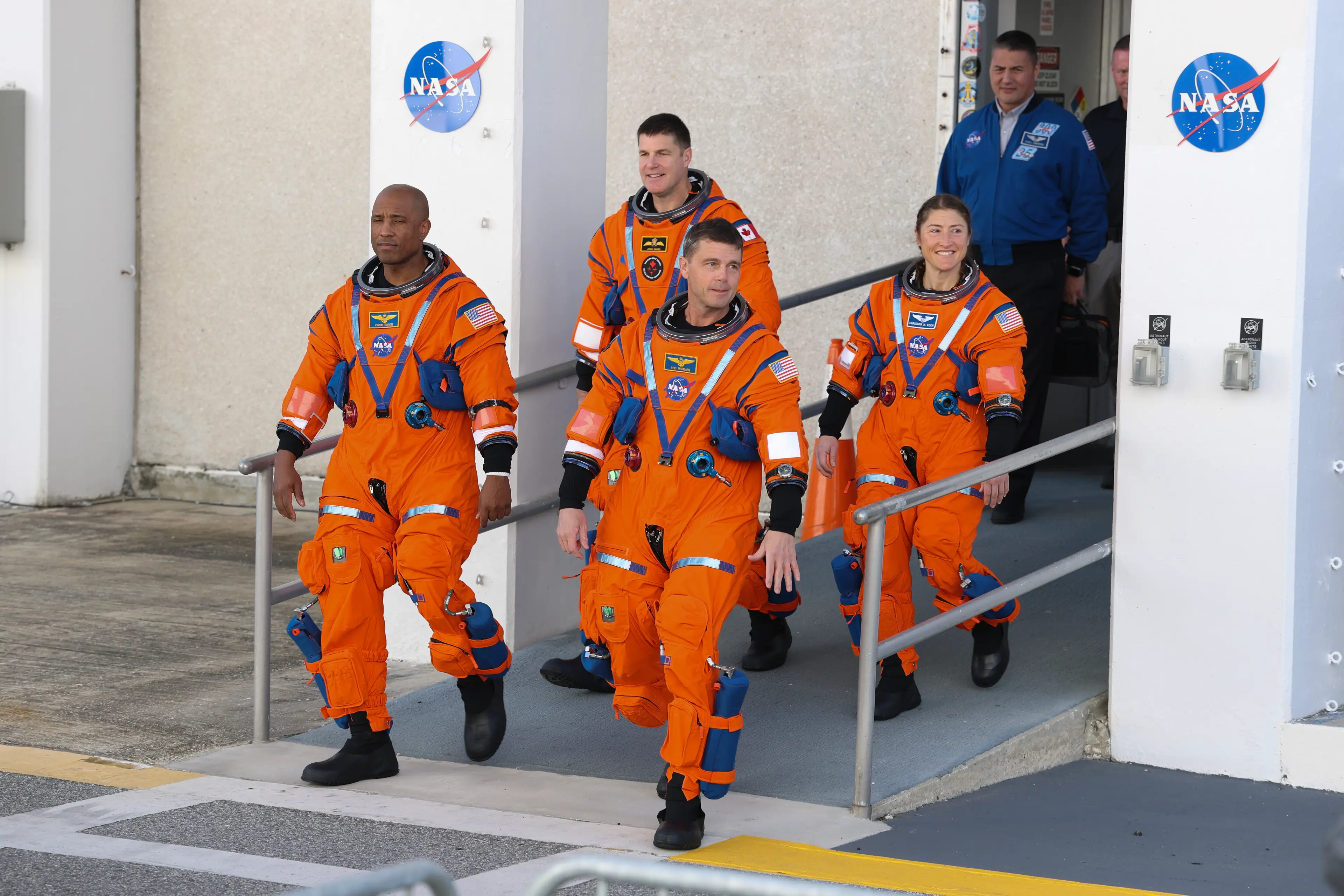
NASA astronauts Reid Wiseman, Victor Glover and Christina Koch will sky-rocket into space on Wednesday (1 Apr) as part of the Artemis II launch, for a 10-day mission that had previously been delayed in February and March.
Joining the trio will be Jeremy Hansen, of the Canadian Space Agency.
Advert
A free-trajectory trip that reportedly cost over $93 billion to date, they'll travel around the moon before heading back down to Earth.
According to space and science leaders, there are several reasons behind NASA's upcoming voyage to the moon - the central one being for America to colonise the moon before the competition.
Bragging rights
It's the same story that was told in the 1960s and 1970s, when the US's Apollo missions served as a race for dominance of land outside of planet Earth.
Back then, the Soviet Union was considered America's biggest competition. Now, it's thought to be China.
As explained by the BBC, scientists in China have made headway with their own space programme in recent years, landing robots and rovers on the moon with plans to launch people out there by 2030.
If NASA's crew can plant their star-spangled banner first, however, they'll earn themselves a hefty amount of global prestige.
Before you argue that the United Nations' 1967 Outer Space Treaty ruled that no country can own the moon, it's worth noting that there was no specification regarding what's on the moon.
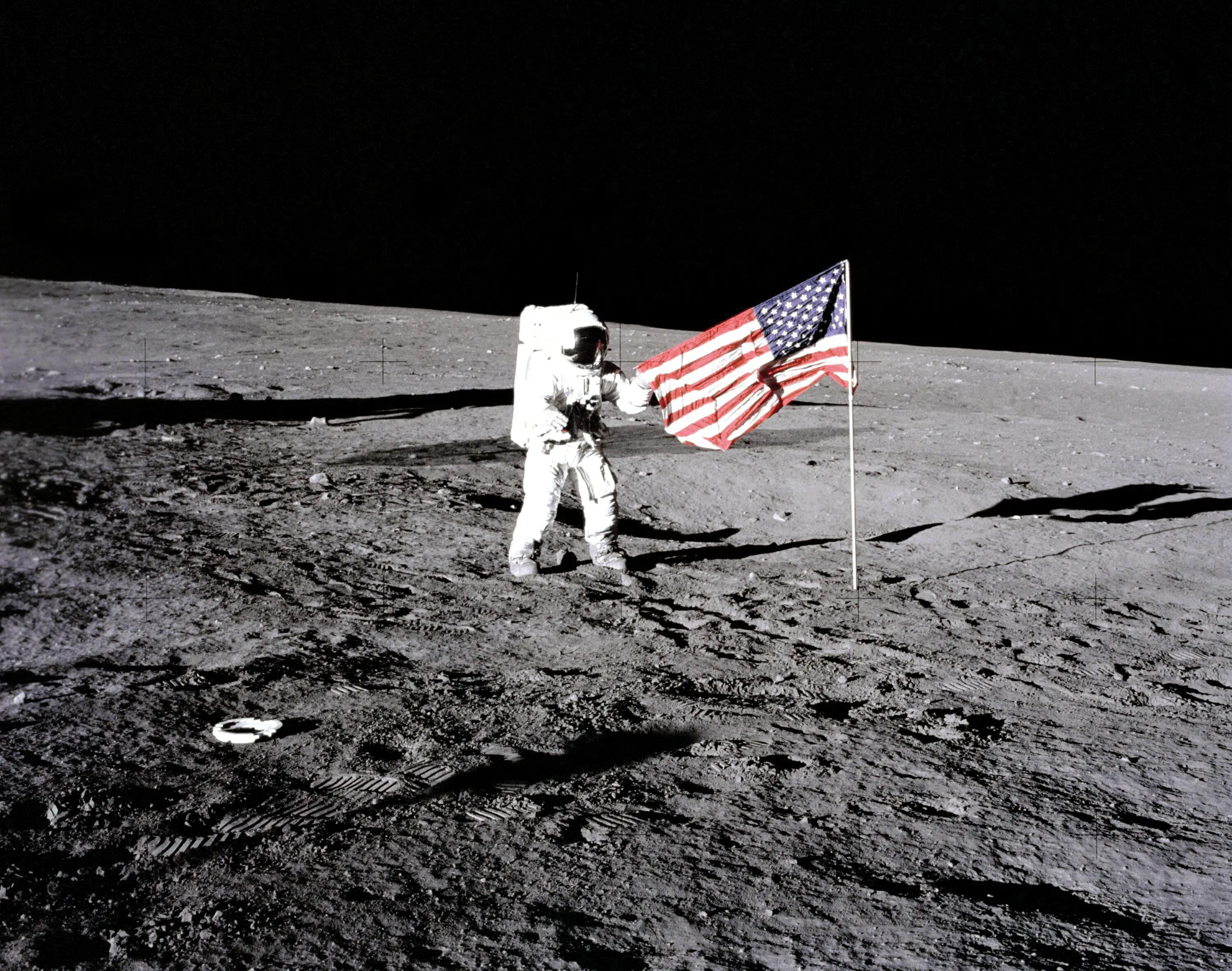
On this, British astronaut Dr Helen Sharman explained: "Although you can't own a piece of the land because of the UN treaty, you can basically operate on that land without anybody interfering with it. So the big thing right now is to try to grab your piece of land. You can't own it, but you can use it. And once you're there, you've got it for as long as you want it."
Resource
Being the first nation to land on the moon after all this time will also afford the US with 'first dibs' on its resources.
Professor Sara Russell, planetary scientist at the Natural History Museum, gave further details on why it's so important for Americans to plant their flag in the best region.
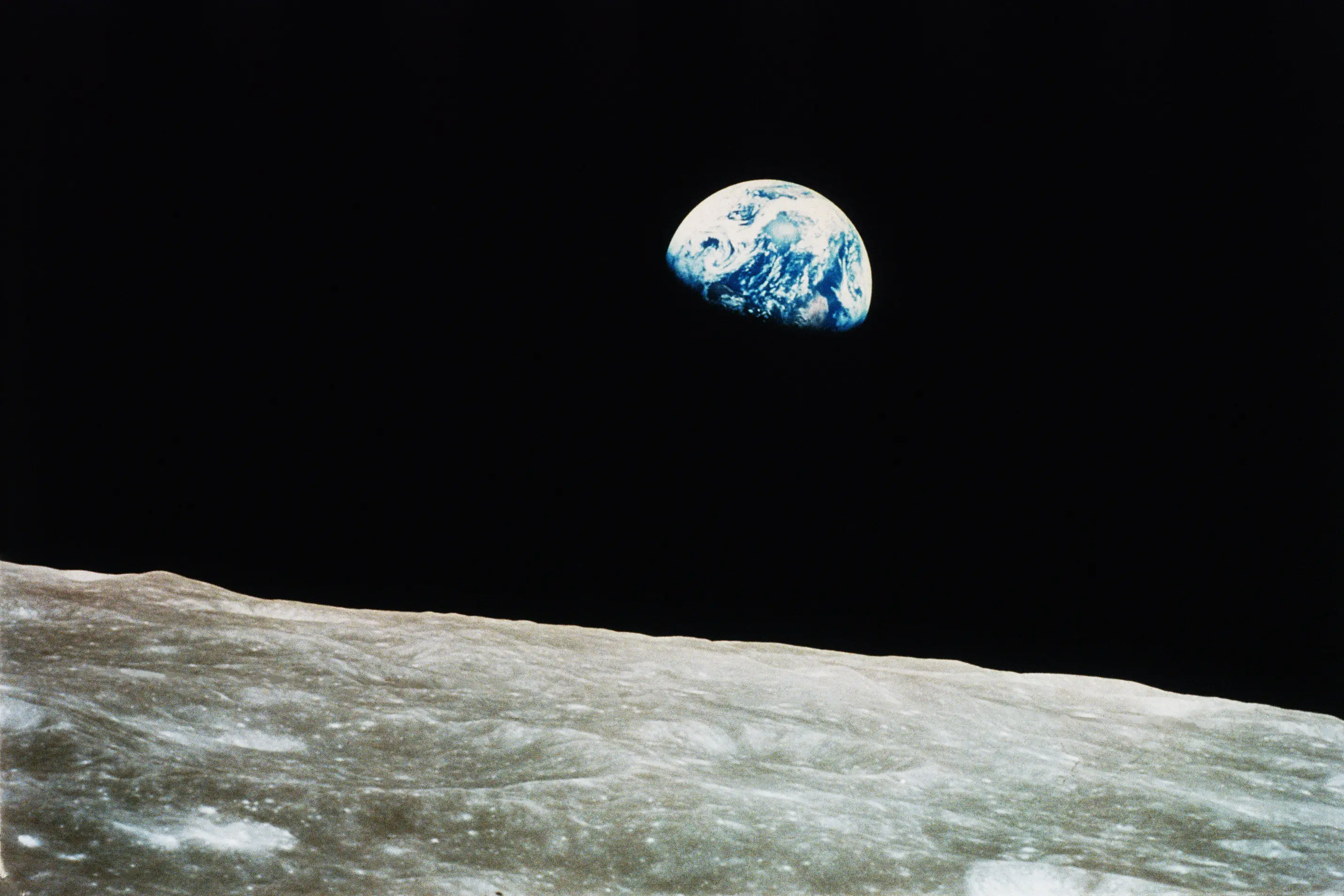
"The Moon has got the same elements in it that we have here on Earth," she explained. "An example is rare earth elements, which are very scarce on Earth, and there might be parts of the Moon where these are concentrated enough to be able to mine them."
Apparently, these elements include metals like iron, titanium and helium, as well as water.
"It has water trapped in some of its minerals, and it also has substantial amounts of water at the poles," Russell continued, pointing out how vital water will prove when it comes to logical plans to live on the moon.
Not only can it provide drinking water, but it can also be split into hydrogen and oxygen, which can provide astronauts with the ability to breathe.
Planning for the future
As NASA officials recently confirmed, this week's launch isn't just about getting Americans to the moon again, but to trial more frequent and possibly permanent trips into space.
Taking to X just hours ago, NASA administrator Jared Isaacman wrote: "We are standardising rocket architecture, embedding NASA expertise across industry, and increasing launch cadence to support sustained lunar operations.
"We are sending a demand signal for crewed missions beyond Artemis V, with at least two providers capable of bringing astronauts to the surface every 6 months. The goal is not just to reach the Moon, but to stay. America will never give up the Moon again."
It isn't just the moon's many bounties that this week's launch will open doors to, however.
Apparently, Artemis II is a pre-emptive mission to further explore Mars - a planet NASA bosses have plans to explore by 2030.
Head of space at the Science Museum, Libby Jackson, explained: "Going to the Moon and staying there for a sustained period is much safer, much cheaper and much easier to be a test bed for learning how to live and work on another planet."
It'll reportedly give astronauts an idea of the protective measures a trip to Mars will require, many of which hinge on power, habitat, temperature and radiation.
"These are all technologies that if you try them for the first time on Mars and they go wrong, it's potentially catastrophic. It's much safer and much easier to try them out on the Moon," Jackson continued.
 Rhianna Benson