
What staying up late does to your body as World Cup fans skip sleep for England vs Mexico match early this morning

Millions of football fans were glued to their screens earlier this morning (6 July) as England battled it out on the world stage against Mexico, but for plenty of people, the celebrations came with one major downside.
Whether you stayed up until the final whistle, couldn't switch off afterwards or simply decided one more pint wouldn't hurt, losing a night's sleep can have a much bigger impact than just feeling a bit groggy the next morning.
Experts say even one all-nighter can affect everything from your mood to your immune system, and some of the effects can linger for days.
Here's what actually happens to your body when you skip a night's sleep.
Advert

Your brain doesn't work quite the same
Missing a full night's sleep has an almost immediate effect on how your brain functions.
You might find yourself struggling to concentrate, forgetting simple things or taking longer to make decisions. Learning new information also becomes much harder.
Sleep medicine physician Dr Abhinav Singh explained to Sleep Foundation: "Acute sleep deprivation leads to impaired judgment, worse than being drunk."
Research has also found that reaction times after around 24 hours without sleep can become similar to those of someone who's intoxicated.
Your mood can take a hit
If you've ever snapped at someone after a bad night's sleep, there's a reason for it.
Going without sleep has been linked to increased feelings of anxiety, irritability, anger, confusion and low mood.
Experts at Healthline also say you're less able to recognise other people's emotions and may struggle to regulate your own.
The longer you're awake, the more noticeable those mood changes can become, making even minor inconveniences feel much bigger than they really are.
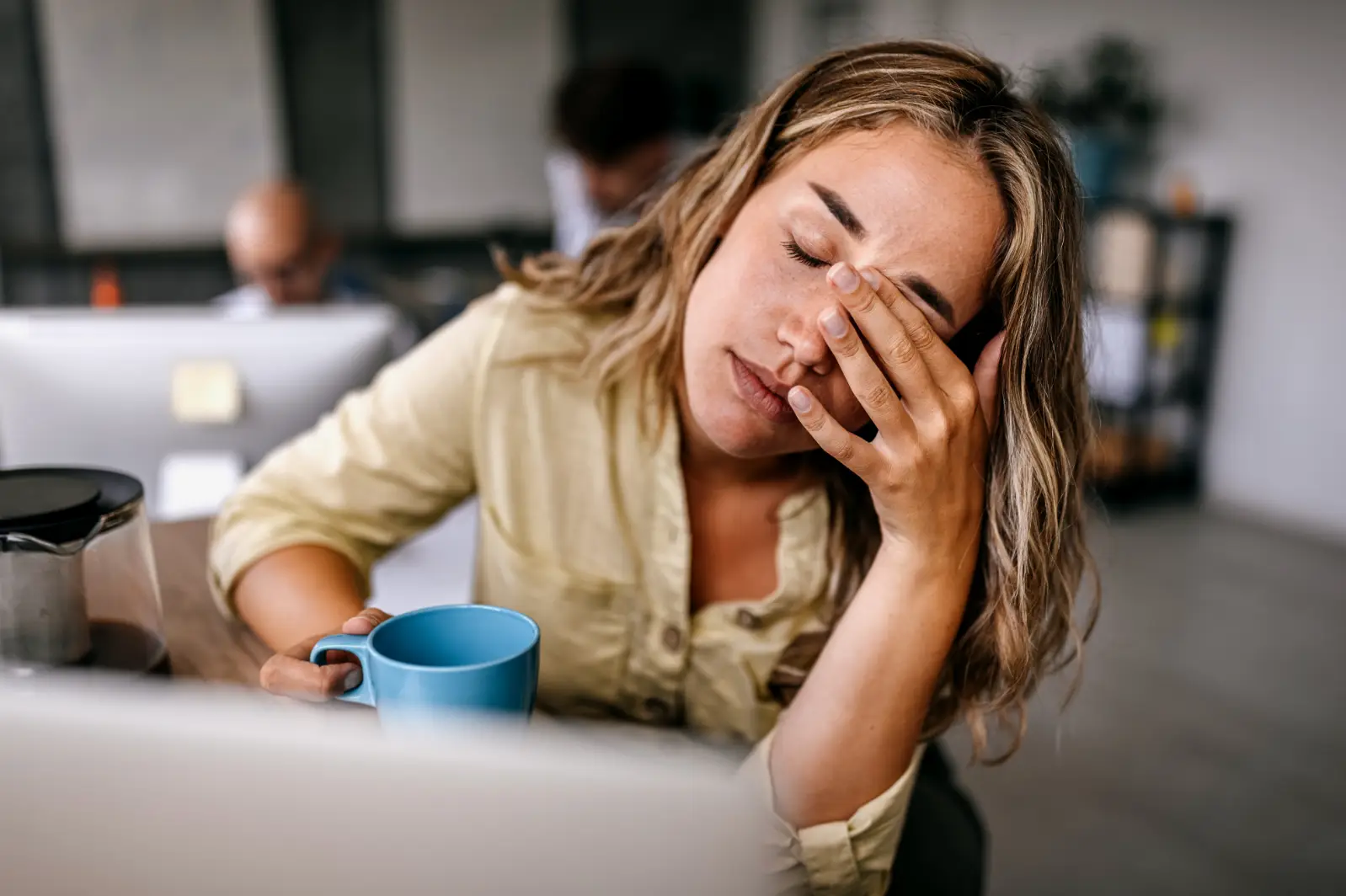
Your body feels aches and pains more
Sleep is when your body carries out much of its repair work.
Without that recovery time, muscles don't get the same chance to recover, leaving you feeling sluggish and fatigued.
Studies cited by Sleep Foundation have also shown that after around 24 hours without sleep, people become more sensitive to pain, pressure and even colder temperatures, meaning everything can feel that little bit more uncomfortable.
Your immune system isn't as strong
A late night here and there won't instantly make you ill, but it can temporarily weaken your body's natural defences.
While you sleep, your immune system produces important infection-fighting substances that help protect you against viruses and bacteria.
Cutting sleep short means your body has less opportunity to build up those defences.
It may also take longer to recover if you do catch a bug, while repeated sleep deprivation has been linked to increased inflammation and a higher risk of long-term health conditions.
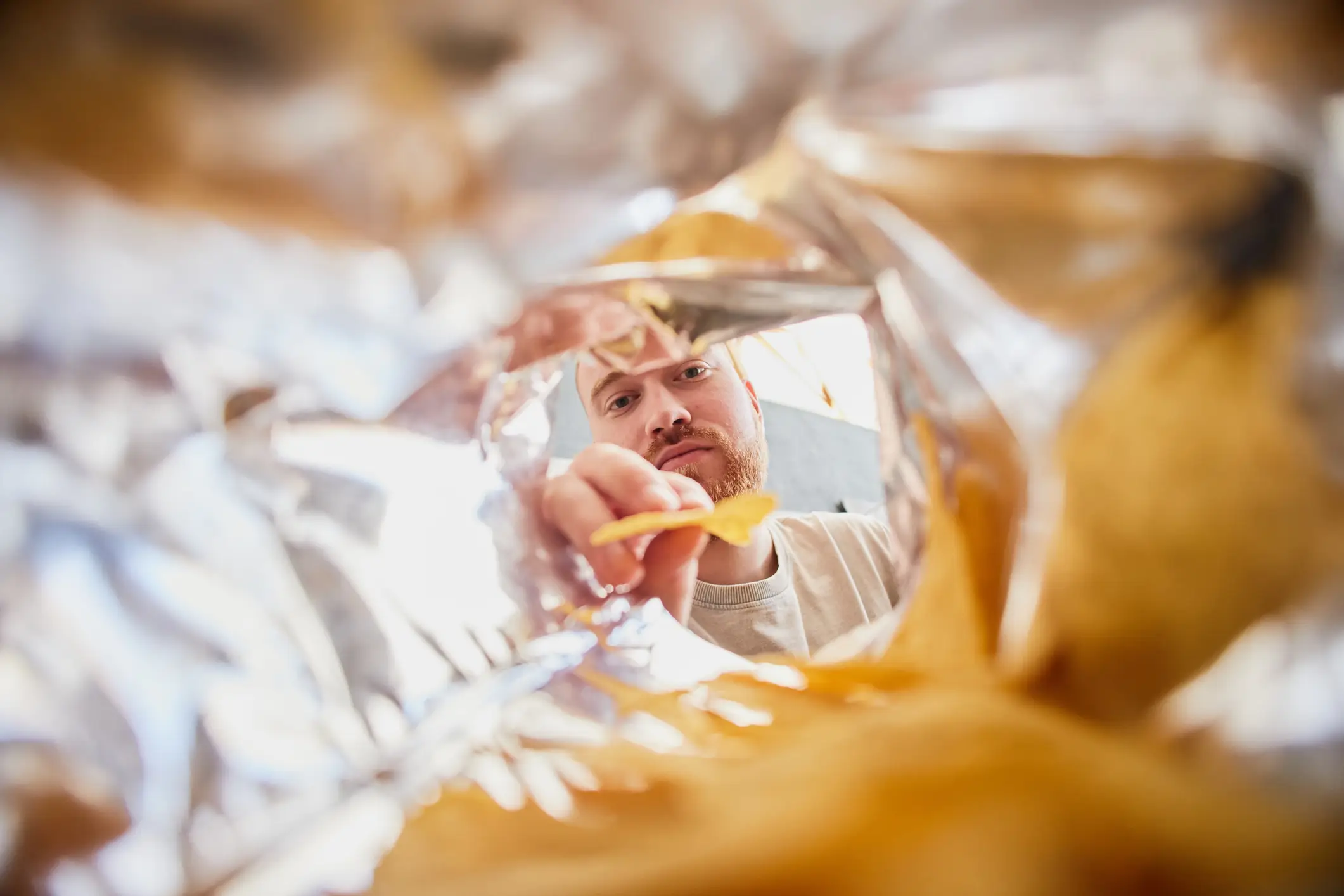
You might find yourself eating more
Ever noticed you're craving crisps, chocolate or a takeaway after very little sleep?
That's not just a lack of willpower.
Sleep helps regulate the hormones leptin and ghrelin, which control feelings of fullness and hunger. When you don't get enough sleep, levels of the hormone that tells you you're full drop, while the hormone that stimulates appetite increases.
That combination can leave you feeling hungrier than usual and more likely to reach for high-calorie snacks the following day.
Microsleeps can catch you out
One of the biggest risks after an all-nighter is something called a microsleep.
These are very brief episodes where you unintentionally fall asleep for a few seconds without even realising it's happened.
While they might sound harmless, microsleeps can be incredibly dangerous if you're driving, cycling or operating machinery, because your brain effectively switches off for those few moments.
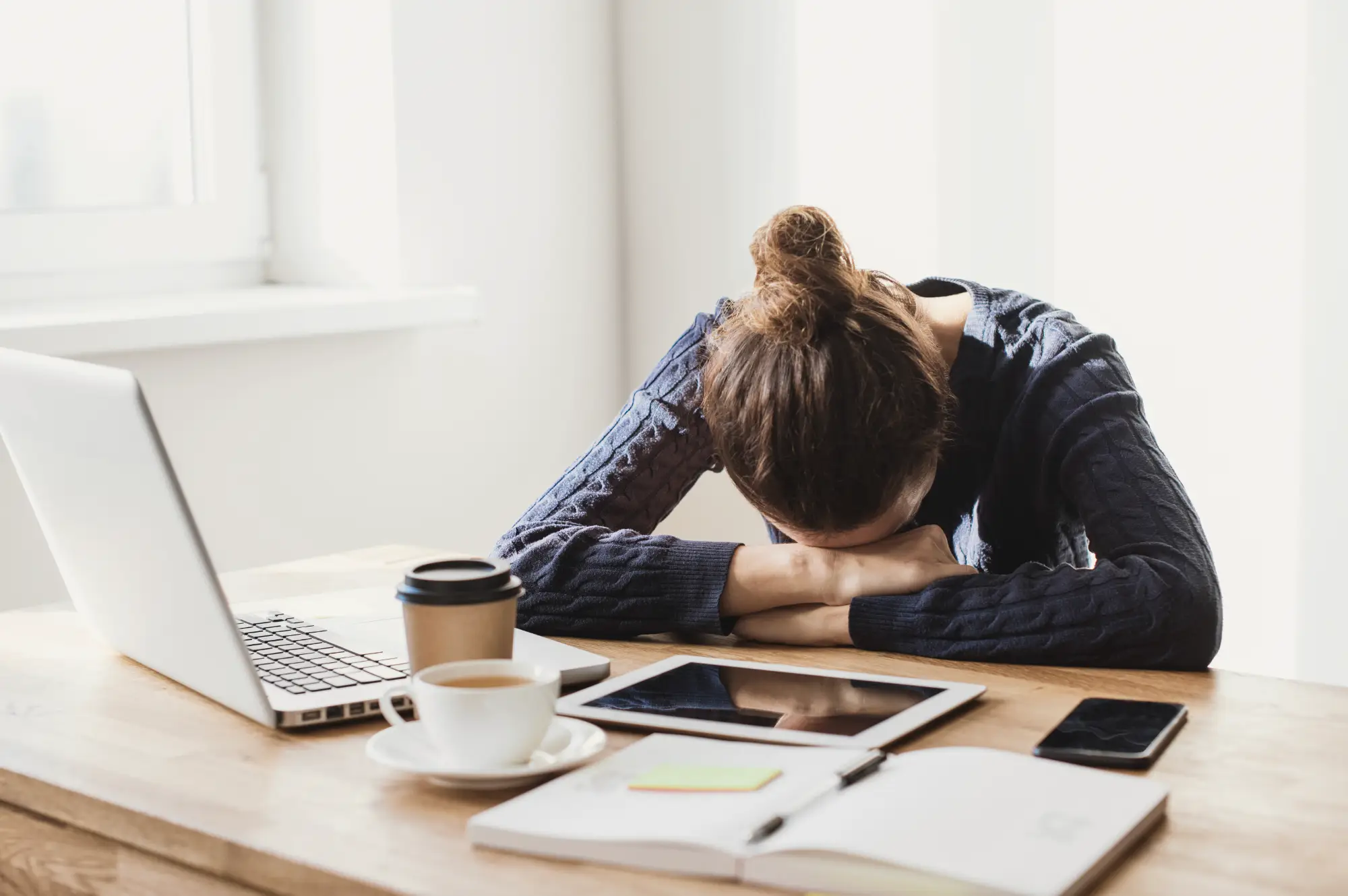
The effects don't disappear after one good night's sleep
If you're planning to make up for lost sleep with an early bedtime the next evening, you might need a little more patience.
According to experts, the effects of one all-nighter can continue for more than a week, even after you've finally had some proper rest.
Dr Singh warns: "Sleep deprivation is a high-interest loan with steep payments in the form of health consequences."
Experts recommend adults aim for at least seven hours of sleep each night, and while staying up for a huge sporting moment every now and then isn't the end of the world, making a habit of sacrificing sleep could have much bigger consequences for both your physical and mental health.
 Rhiannon Ingle