
Everything alcohol does to your body as major side effect revealed

Whether it's a crisp, golden pint, a fruity cocktail or an imported glass of wine, alcohol is a toxin for the body and, with it, comes a number of health issues.
Now, we're supposed to be keeping an eye on how much we drink, which is why the NHS has helpfully outlined exactly how much we should be drinking per week to help you stay in control of your drinking.
One unit equals 10ml or 8g of pure alcohol, which is around the amount of alcohol the average adult can process in an hour, meaning that, within an hour, there should be, in theory, little or no alcohol left in the blood of an adult, although this will vary from person to person.
To keep health risks from alcohol to a low level if you drink most weeks, the NHS advises men and women not to drink more than 14 units a week on a regular basis. For reference, 14 units is equivalent to six pints of average-strength beer or 10 small glasses of lower-strength wine.
Advert
A new study from the University of Oxford has now issued a warning to any heavy drinkers out there after researching the link between alcohol consumption and visceral belly fat.

Belly fat
The study, which was published in the International Journal of Obesity last month, analysed data from nearly 6,000 men and women from the Oxford Biobank.
Using a highly accurate body composition method, the researchers categorised participants into non-drinker and drinker groups.
They then split the drinker group into four bands based on their weekly alcohol units.
Heavier drinkers showed a clear pattern as both men and women in the top group carried a higher share of visceral fat, even after adjusting for age, activity, smoking, socioeconomic factors, and total fat.
Men drinking around 24 units a week had over 10 percent more visceral fat than the next group down, while women at roughly 14 units showed a 17.1 percent steeper rise compared to moderate drinkers.
The study wasn't just about weight alone, as the heavy drinkers stored more fat in riskier areas, regardless of overall body fat.
That type of fat is closely linked to heart disease, insulin resistance, metabolic syndrome, and type 2 diabetes.
The National Institute on Alcohol Abuse and Alcoholism has also outlined a number of other ways in which alcohol can have a detrimental effect on the body.

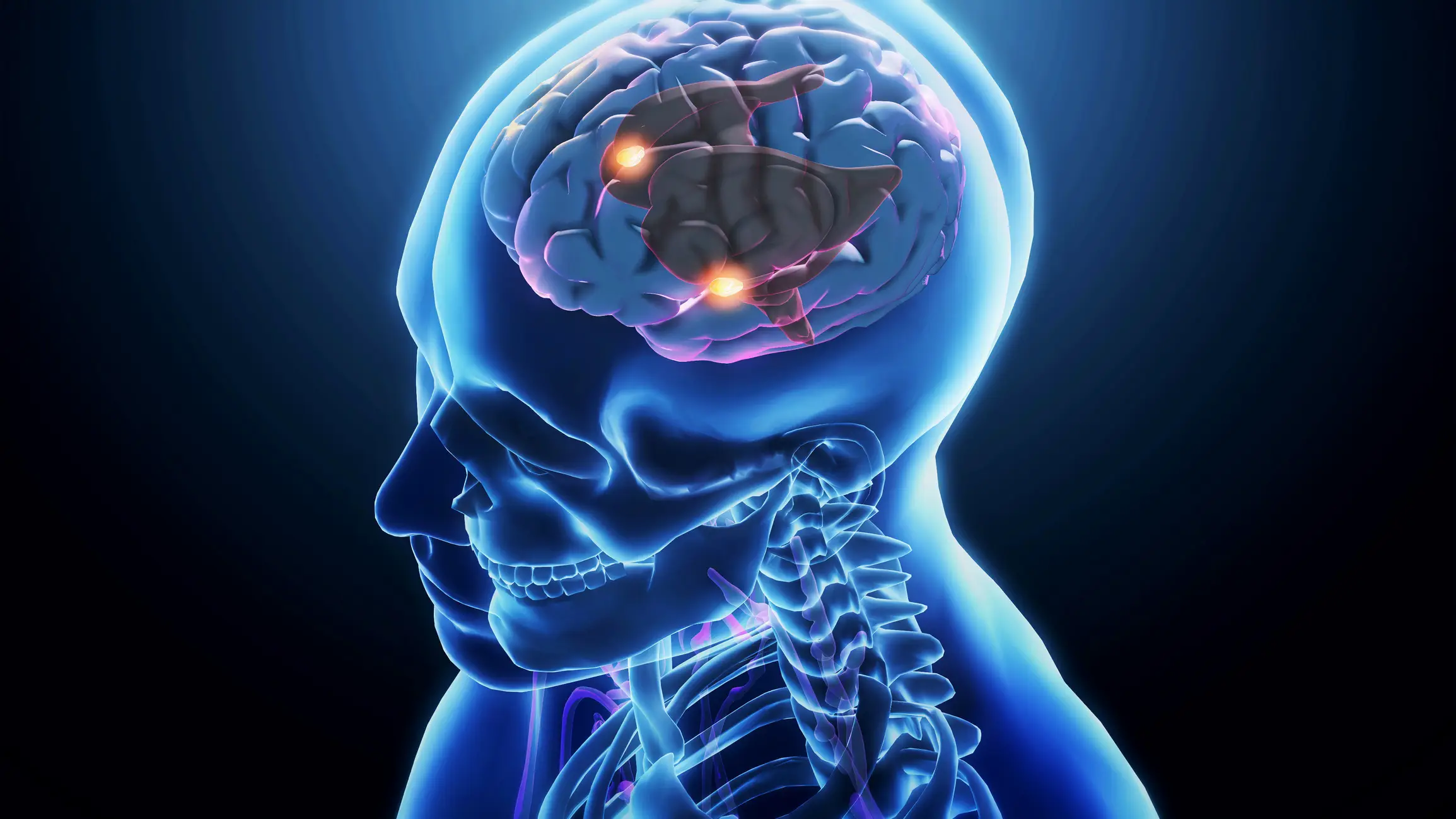
Brain and nervous system
Alcohol disrupts brain signals, which affects mood, thinking, and coordination.
It also raises your stroke risk and can damage nerves outside the brain.
Long-term misuse may lead to peripheral neuropathy, with numbness, burning pain, and issues like irregular heartbeat, low blood pressure, diarrhoea, and erectile dysfunction.
Endocrine system
Heavy drinking also throws your hormones off balance, which can lead to thyroid problems, poor cholesterol control, reproductive issues, diabetes, and reduced stress tolerance.
It may also delay puberty.
In people with diabetes, alcohol makes blood sugar harder to manage and raises the risk of complications.
Digestive system
Alcohol can damage the gut lining, trigger inflammation, and allow toxins into the bloodstream.
Additionally, it alters gut bacteria, increases cancer risk, and can cause bleeding and reflux.
Heart and circulation
Long-term drinking weakens the heart and can lead to cardiomyopathy, high blood pressure, and irregular heartbeat.
It also raises the risk of heart disease and heart attack, even at low levels.
Blood disorders such as anaemia and low white cells are also more common.
Immune system
Many social drinkers will know that alcohol weakens the body’s defences, as even a single heavy session can lower resistance to infection for up to a day.
Ongoing use slows recovery, increases inflammation, and worsens organ damage.
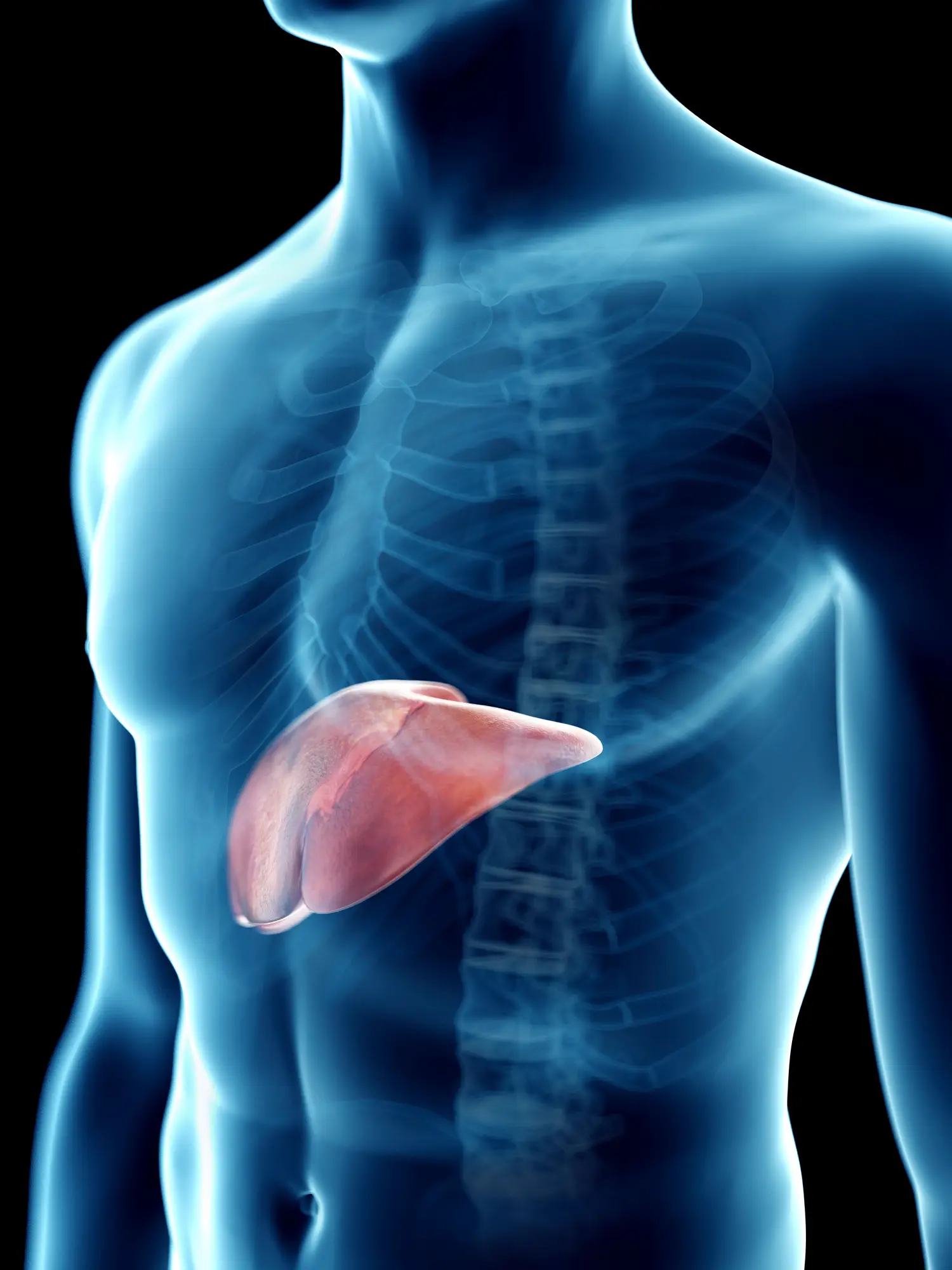
Liver
Heavy drinking can cause a range of liver conditions, from fatty liver and inflammation to fibrosis, cirrhosis, and liver cancer.
Lungs
Alcohol misuse increases the risk of serious lung conditions, including pneumonia and acute respiratory distress. Frequent drinkers are more prone to infections like tuberculosis.
Muscles and bones
Interestingly, alcohol can also cause muscle wasting and weaken your bones, raising the risk of fractures, slow healing, and triggering gout attacks even at low intake.
Pancreas
Alcohol can inflame the pancreas, leading to pancreatitis, which affects digestion and blood sugar control.
Acute cases can become chronic, increasing the risk of pancreatic cancer and diabetes.
Cancer
And, lastly, alcohol is a known carcinogen.
Risk rises with regular intake, even at low levels, as frequent use is linked to cancers of the head and neck, oesophagus, liver, breast, and colon.
Please drink responsibly. If you want to discuss any issues relating to alcohol in confidence, contact Drinkline on 0300 123 1110, 9am–8pm weekdays and 11am–4pm weekends for advice and support.
 Rhiannon Ingle