
Pharmacist reveals hidden reasons your cold keeps returning

A pharmacist has shared seven potential reasons why you might not be able to get rid of your pesky cold.
It's that dreaded time of year when catching a cold is pretty much inevitable because people are indoors more due to the weather, allowing viruses to pass more easily from one person to another.
And sometimes they can be a real pain to get rid of - we've all been there, where no matter how much you rest and drink Lemsip, the annoying symptoms simply won't budge.
However, if your cold has lasted an especially long time or keeps coming back, it's important to understand why this is happening and rule out any underlying issues.
Advert
From allergies, stress, and underlying health conditions, understanding what's actually happening inside your body can help you address the root cause and recover faster, rather than just treating the symptoms.
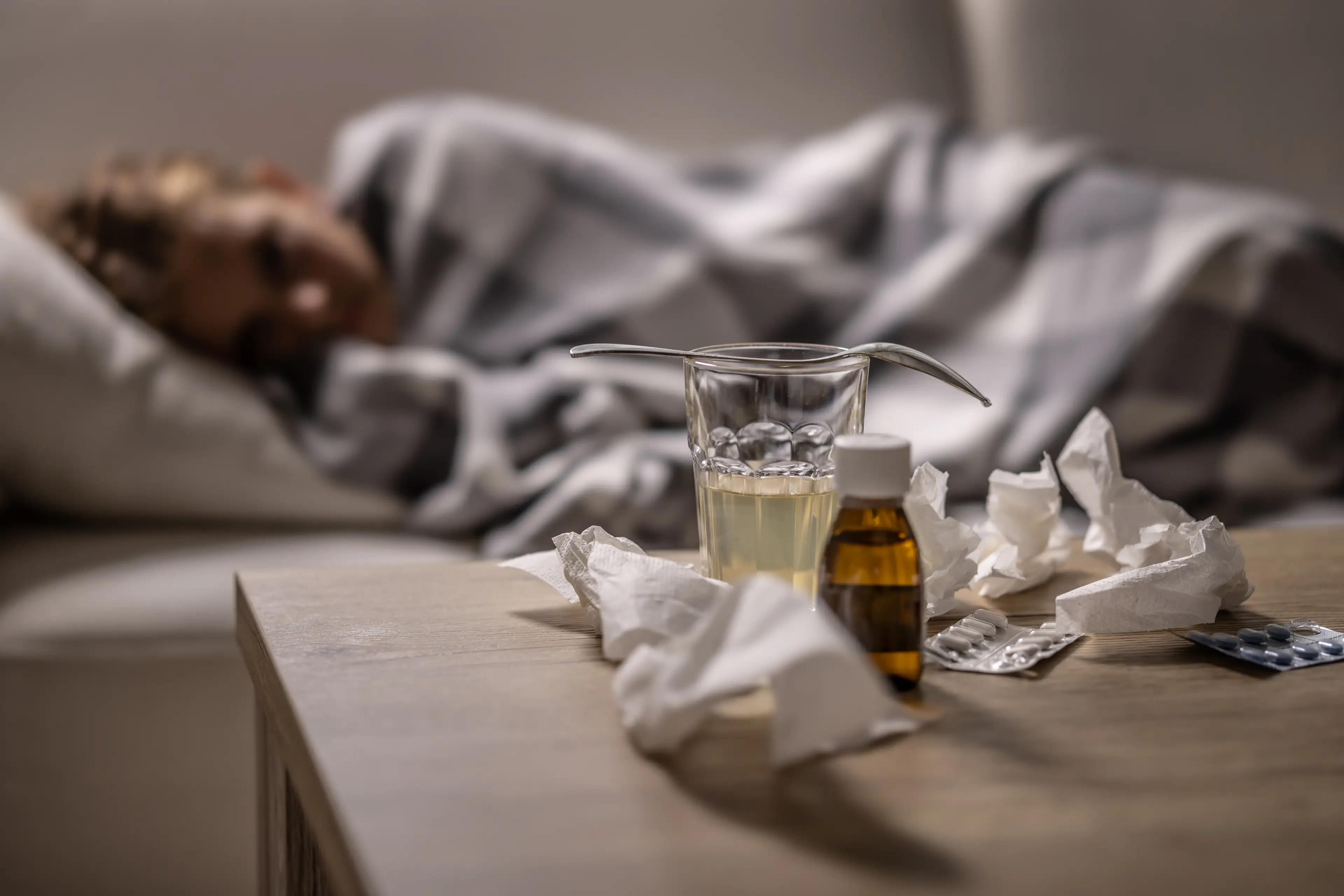
Amir Bhogal, a Superintendent Pharmacist and Director of Pyramid Pharmacy Group, has shed some light on why it might be that you just cannot shift your cold.
Chronic stress
Your mental health can be easily overlooked, but it actually affects your physical health more than you'd think.
Bhogal explained that when you're under sustained pressure, your body produces elevated levels of cortisol, which is a stress hormone that actively suppresses your immune response.
The expert explained: "This reduces the production of white blood cells responsible for fighting infections, making them less effective at responding to threats. Due to this, you can become more susceptible to catching colds, and your body may struggle to clear infections once they've taken hold."
He advised: "If you're juggling multiple ongoing pressures at the same time, remember to take the time to rest as it's a practical investment in your recovery."
Poor sleep
Similarly, getting a poor night's rest can have a dramatic knock-on effect for the rest of your day - aside from being tired.
This is because deep sleep, your body increases production of cytokines - proteins that play a central role in immune function and inflammation control.
The pharmacist outlined that when you're sleep deprived, this process doesn't happen properly, instead, your immune response weakens, and your body loses the opportunity to repair itself.
Bhogal warned: "In reality, pushing through a cold whilst maintaining your normal schedule can prolong your systems and make it harder for your body to recover fully.
"Consistently getting at least seven to nine hours of uninterrupted sleep every night strengthens your immune response and supports recovery from infection.
"If you're struggling to sleep because of congestion or cough, addressing those symptoms with painkillers, saline rinses or throat lozenges can help you get the rest your body needs."
Nutrient deficiencies
Another reason why you might not be able to get rid of a cold is because your immune system doesn't have what it needs.
It relies on specific nutrients to function properly, particularly vitamin C and zinc when fighting infections.
According to the pharmacist, vitamin C supplements can reduce both the occurrence of colds and their duration, meanwhile, zinc lozenges have also shown promise in influencing cold symptoms and how long they last.
Bhogal advised: "However, if you're not eating a balanced diet rich in fruits, vegetables, and protein, your body may still lack the raw materials (vitamins, minerals, amino acids) it needs to deliver an effective immune response.
"If you struggle to get enough nutrients in your diet, I suggest having a medicine consultation with your pharmacist for potential supplements that can help address any nutritional gaps while safely supporting your immune system."
Smoking
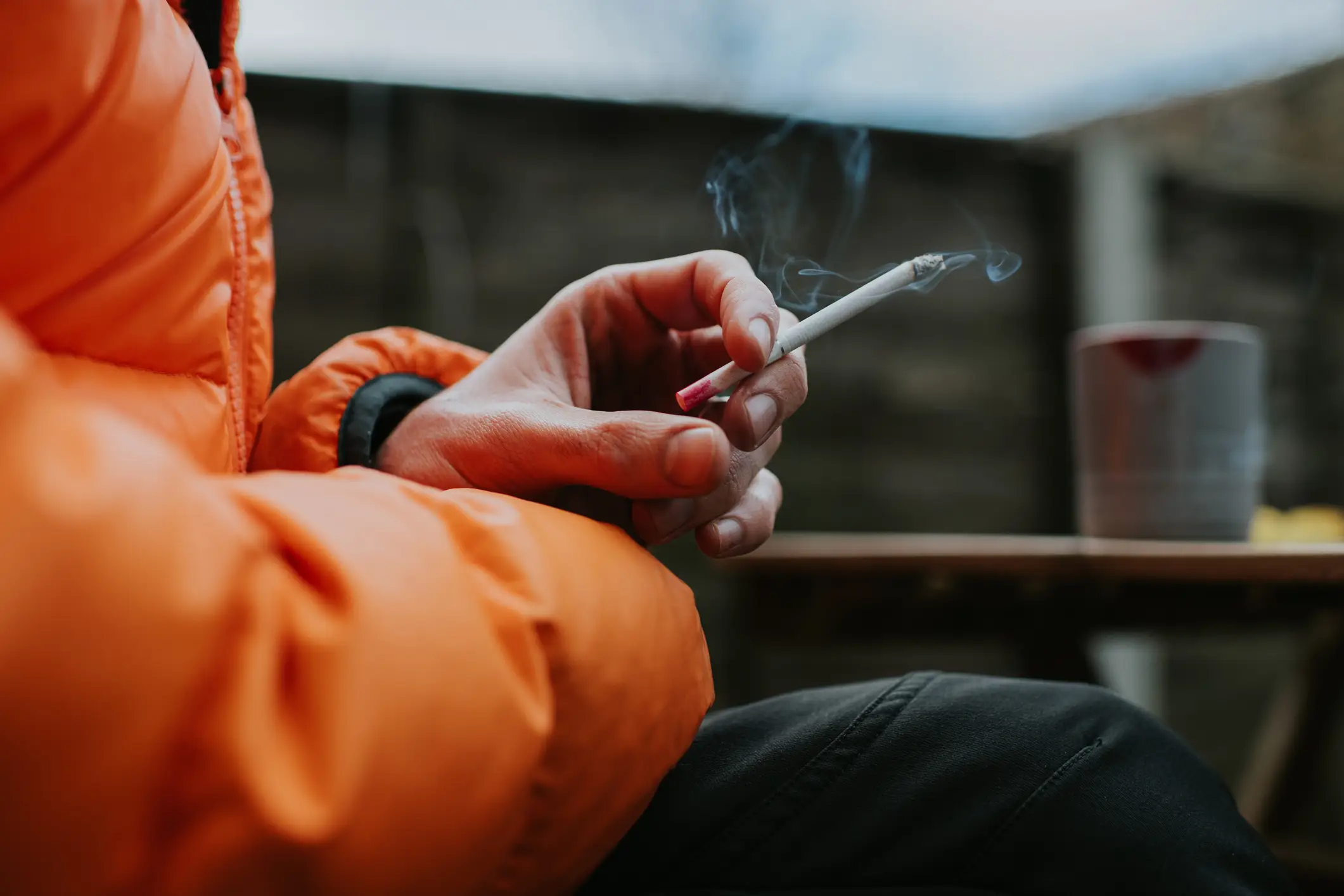
Smokers are at greater risk of catching a cold or respiratory infection - twice as likely as non-smokers, to be specific.
The pharmacist explained that the habit 'weakens the immune system and compromises lung function, making it harder for your body to clear infections'.
"As well as this, smokers typically experience worse symptoms and longer recovery times," Bhogal warned. "If you smoke and find yourself constantly battling colds, quitting would have a significant positive impact, not just in terms of colds, but also on your overall health.
"In fact, the improvement in immune function happens relatively quickly once you stop."
Alcohol
Similarly, alcohol can also have a direct impact on how effectively your immune system functions - those trying Dry January may have already noticed an improvement.
"Alcohol reduces the activity of key immune cells involved in fighting infections, while also contributing to dehydration and disrupted sleep, both of which are essential for recovery," the health expert explained.
He warned that even 'moderate alcohol consumption can prolong cold symptoms or make them more likely to return once you start feeling better'.
"If you’re experiencing repeat or lingering colds, reducing alcohol intake while you recover can help support your immune response and shorten recovery time. Also, take adequate time out to rest and recover before attending your next social, to ensure you’re fully recovered before drinking alcohol again," Bhogal advised.
Close contact environments
As we say, the reason colds are so rife right now is because people are spending more time indoors where it's easier to catch one.
Colds spread through airborne droplets and direct contact so environments where people sit close together, such as schools and open-plan offices, can create ideal conditions for transmission.
Bhogal said: "If you're regularly exposed to others who are unwell, you're at higher risk of catching successive colds, rather than dealing with one persistent infection.
"To avoid this, make sure to practise good hand hygiene and maintain distance from visibly unwell people.
"If you suspect you’ve caught something, it’s best to stay at home to avoid spreading the infection and prolonging your own recovery. Opt for having medicine delivered to your house, which some pharmacies offer for free, so you can continue treatment without unnecessary contact."

Underlying health conditions
Finally, in some cases, a recurring cold could mean you actually have an underlying health condition.
The pharmacist explained that immunocompromised individuals are more susceptible to infections and may take longer to recover.
Bhogal outlined that viral infections can also lead to secondary bacterial infections such as acute bronchitis or sinus infections, which require different treatment approaches.
The expert advised: "If your symptoms aren't improving after two weeks, seeking guidance from a qualified medical professional is sensible. They can rule out complications and identify underlying causes of repeat infection.
"For instance, influenza can closely resemble a lingering cold, but tends to be more intense and prolonged, which is why getting an annual flu vaccination plays an important role in reducing both severity and duration."
Bhogal urged: "This is especially important if you are pregnant, elderly or suffer with asthma. Once you identify what's actually going on, you can address it properly rather than waiting for time to pass."
 Madison Burgess