Anyone who's 'always cold' issued warning - as it could be sign of serious condition

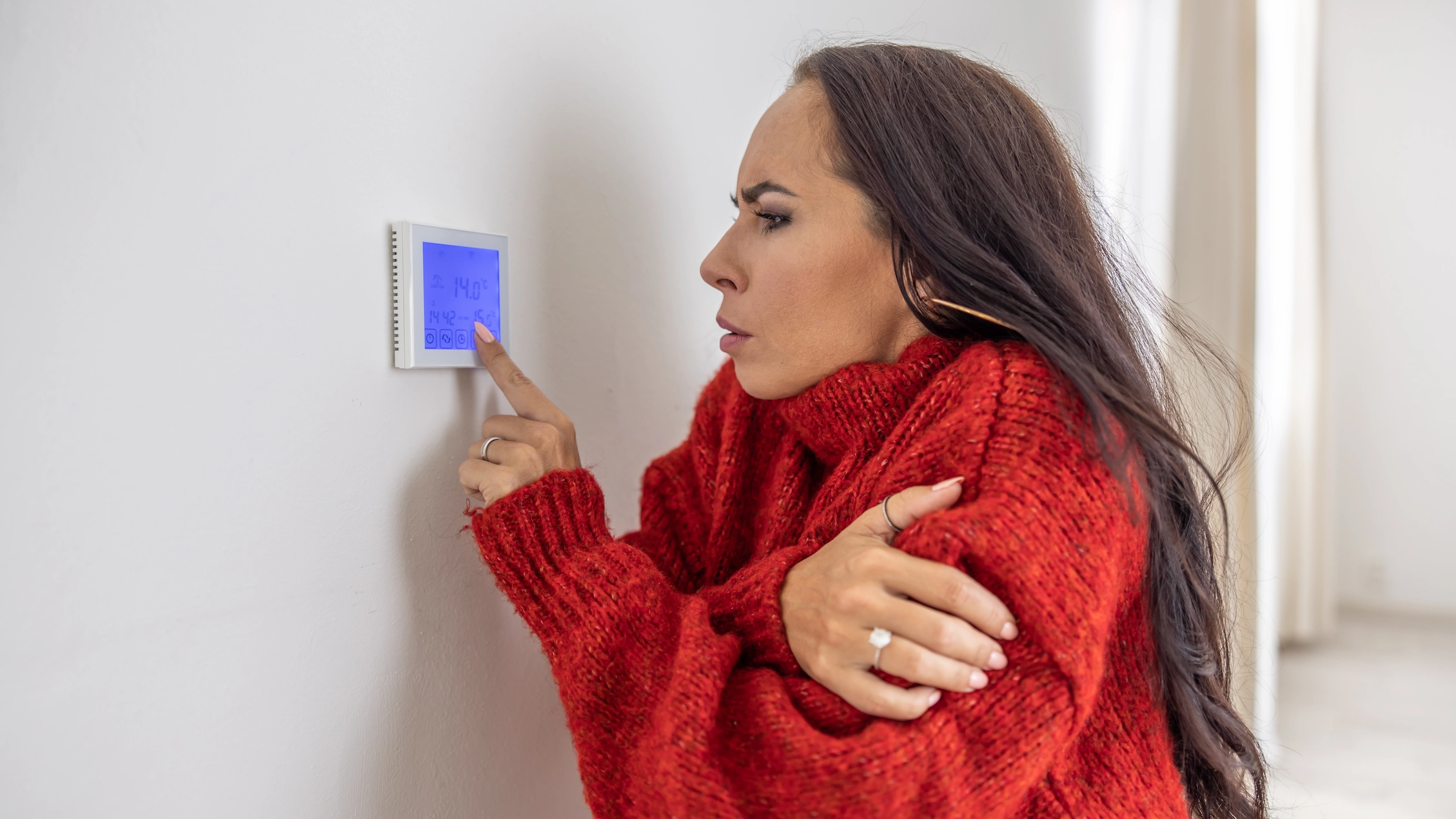
Are you someone who ceaselessly struggles to warm up, even wrapped up in your thickest clothes with the heating on full blast?
It turns out that being sensitive to colder temperatures is one thing, but never being able to accumulate body heat is something else entirely.
Apparently, this unnerving sensation could be caused by several medical conditions, which, if left untreated or not given proper attention, could result in severe, long-term distress.
Usually, alongside feeling chilly, individuals battling this particular ailment suffer secondary symptoms like tingling or numbness in some areas of their body. This can generally reach such an extent that pain is inflicted upon joints and muscles.
Advert
Some chronic 'coldies' can also suffer general stiffness, discomfort or weakness, and many complain about their skin even changing colour in certain areas of the body.
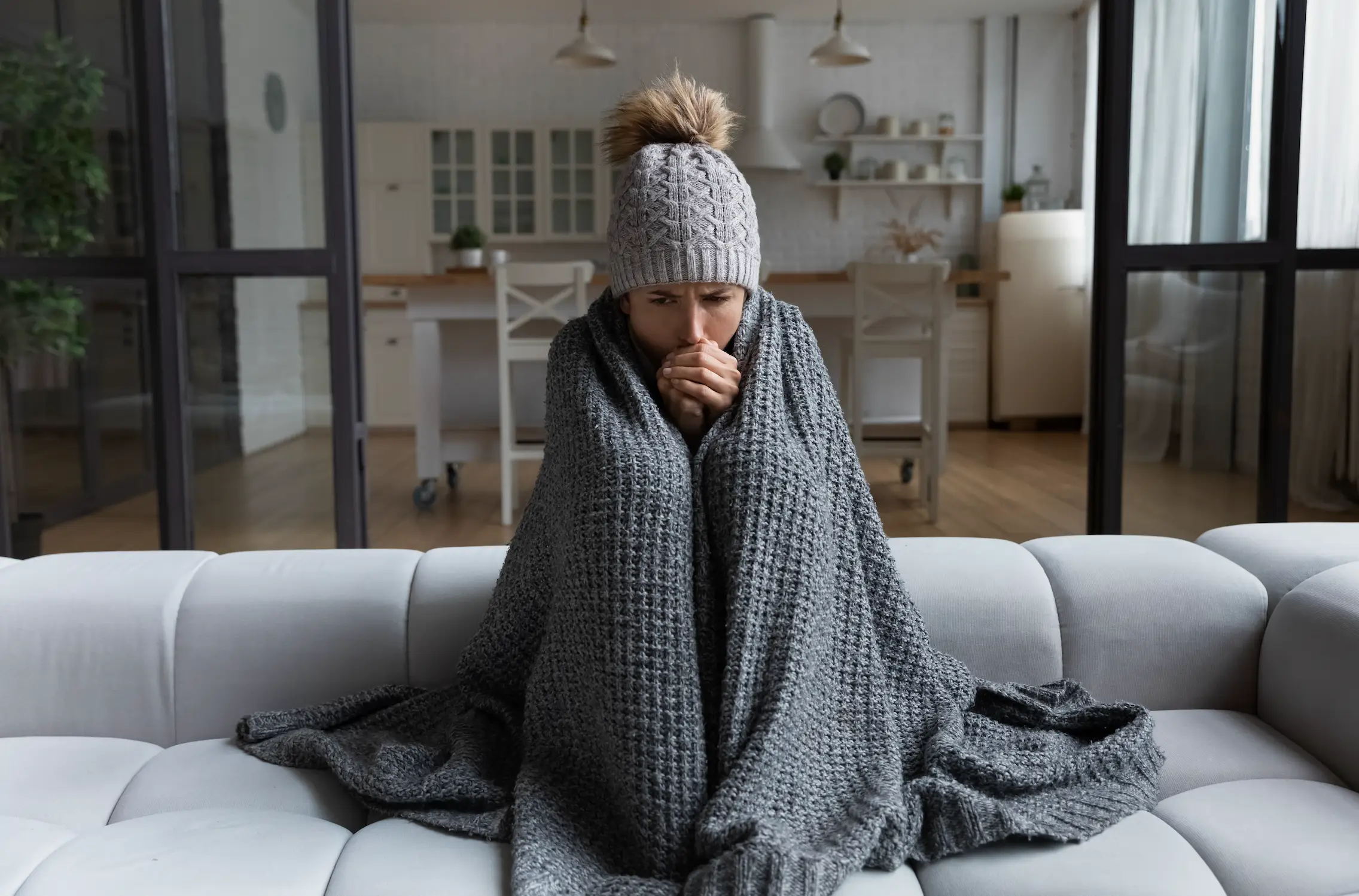
According to WebMD, these symptoms could indicate that the body is unable to handle the extreme cold it is enduring - and this inability could have an underlying cause of its own.
Anaemia
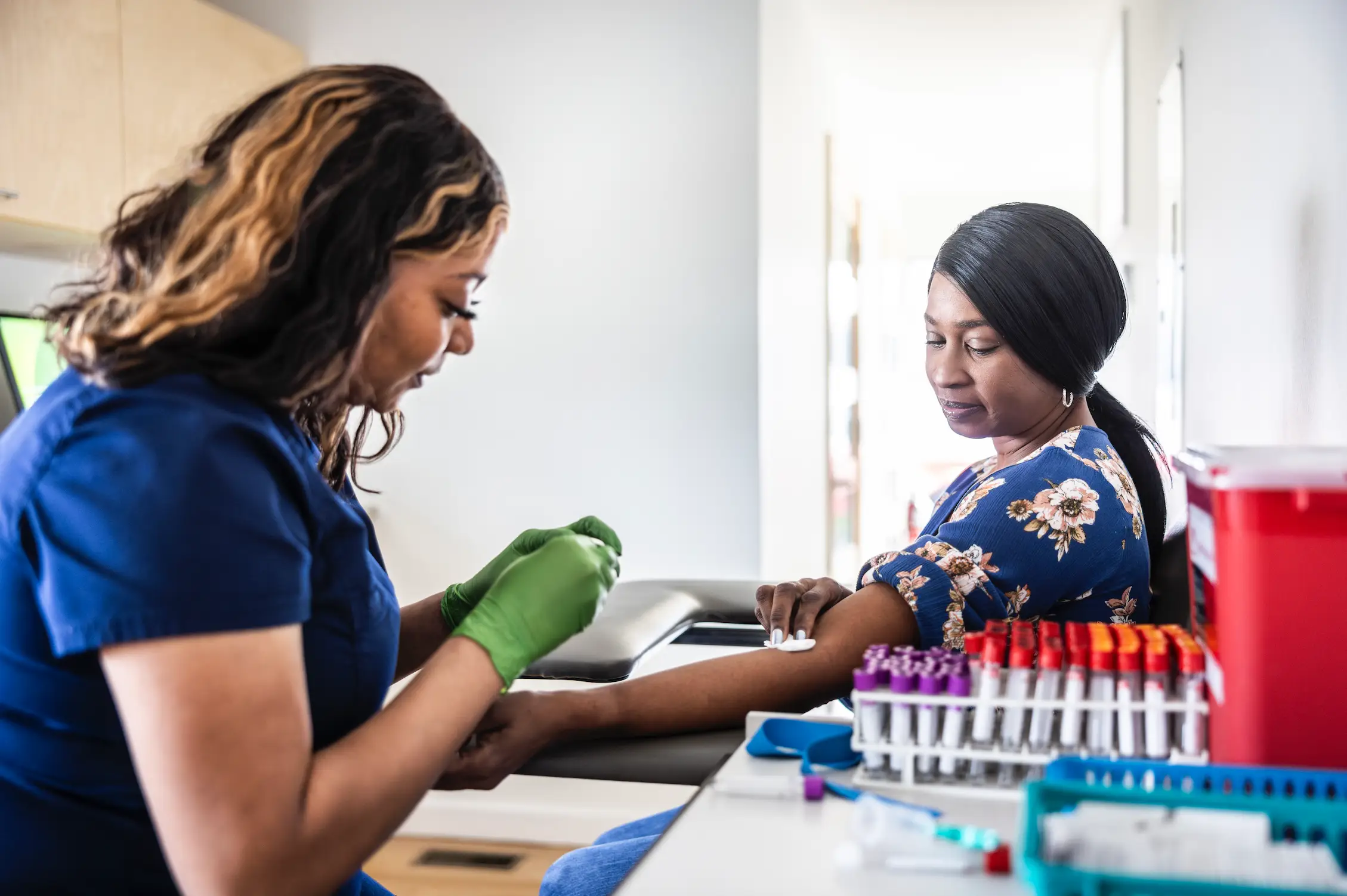
If a person's body struggles to deliver normal red blood cells containing oxygen to the extremities, such as the arms, legs, hands, feet, fingers, and toes, this can result in a feeling of coldness in those areas.
Most commonly referred to as anaemia, this condition usually comes hand in hand with general fatigue, as well as paleness and a quickened heartbeat, all of which are caused by the heart trying as hard as it can to pump blood as far as it can.
Hypothyroidism
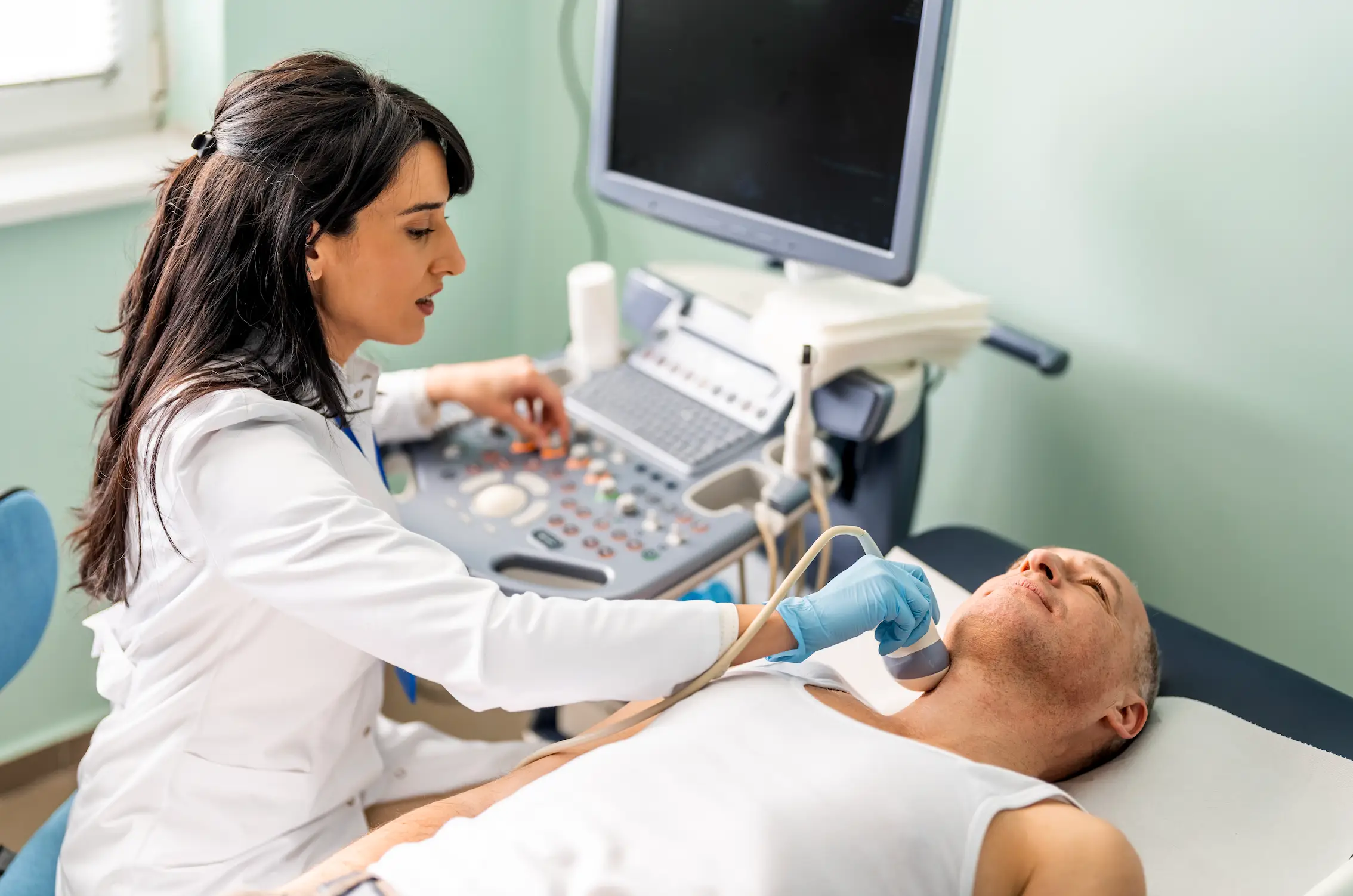
If the thyroid - a butterfly-shaped gland at the bottom of your neck that controls metabolism and produces energy - fails to produce enough of the hormone needed for these duties, it can cause a condition known as hypothyroidism.
Oddly, this impacts a person's ability to regulate their temperature and can also cause side effects like thin hair, dry skin, irregular periods, constipation, weight gain, and, again, fatigue.
Problems with blood vessels
Blood vessel disorders are defined by the restriction of a person's blood from their body's extremities, and can include clotting disorders, arteriosclerosis, or Raynaud's disease.
When the blood is cut off from these areas, it can create a feeling of agonising coldness in the hands and feet, along with whitening or bluing of the fingers and toes, tingling, throbbing, or numbness in the limbs, and cold, clammy skin.
Diabetes
Whether type 1 or type 2, this condition can cause a secondary illness known as diabetic nephropathy, which, to put it simply, describes damage to the liver. One of the most common symptoms of the latter is the inability to warm up the body.
A serious condition, diabetic nephropathy-caused chills usually come hand in hand with nausea and vomiting, itchiness, a loss of appetite, breathing difficulties, swelling and confusion.
Anorexia
Anorexia, or anorexia nervosa, is an eating disorder and mental health condition that causes sufferers to become dangerously thin in fear of gaining weight.
According to the NHS, those with anorexia will attempt to keep their weight down by not eating, making themselves vomit, or exercising too much.
WebMD said that feeling cold is one of the symptoms of anorexia, as well as lightheadedness, dry skin, and hair loss.
Low BMI
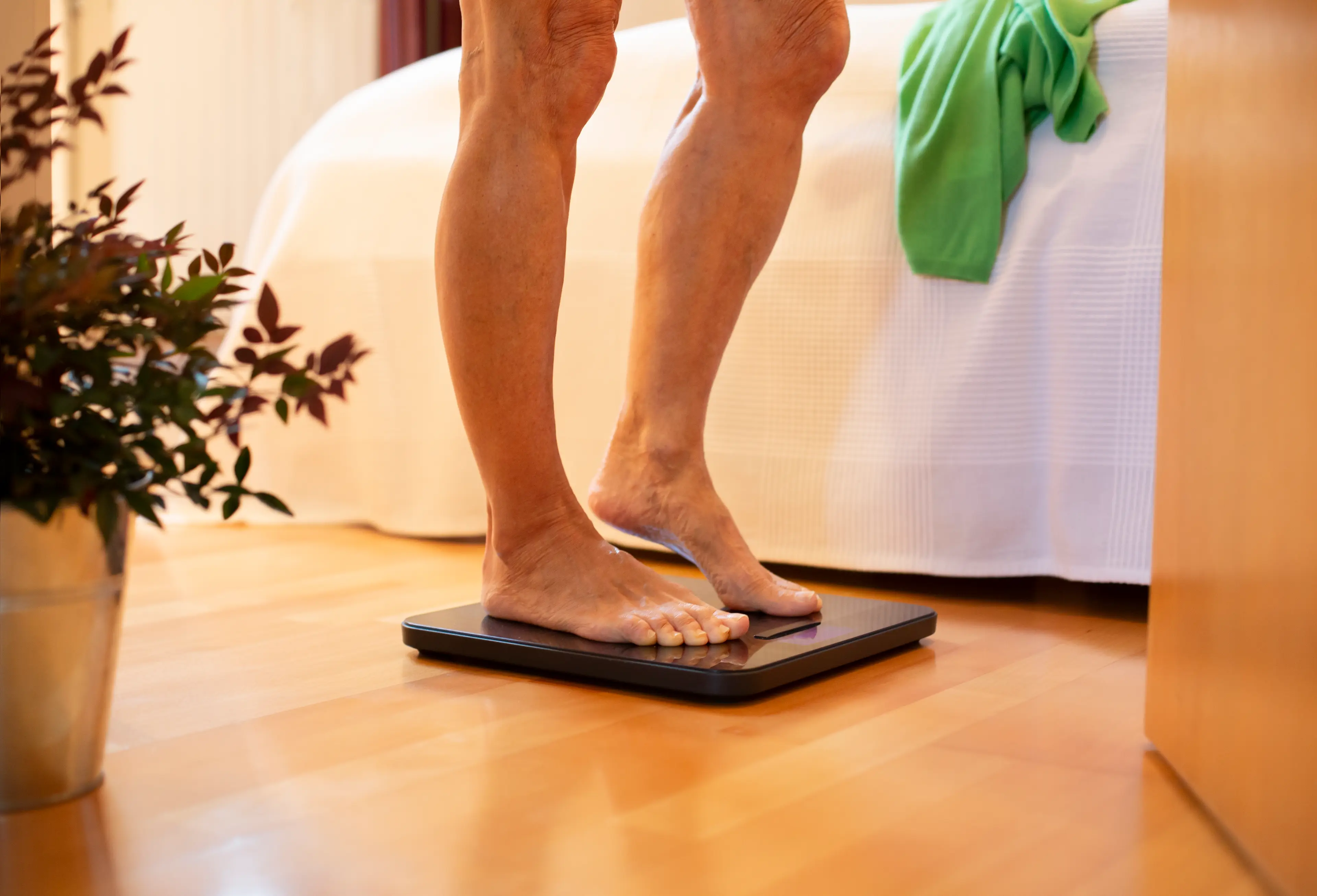
Being someone with naturally low body fat, or someone who has altered their lifestyle or diet to lose fat, might mean having a lower body mass index (BMI).
This basically means that these individuals have less fat insulating the body and warming up the muscles. And as such, they're more likely to feel the cold.
When a person's BMI becomes dangerously low, however, or is less than 18.5, it can cause their body to stop working as efficiently as it should.
It could also cause side effects like extreme coldness, irregular periods, fertility issues, brittle bones and depression. If these symptoms describe you, it's important to book a check-in with your local GP.
Vitamin B12 deficiency
This specific vitamin is used to help the body produce healthy red blood cells, as well as nerves and DNA, with most people needing 2.4 micrograms of it as part of their daily routine.
Pregnant people will require more than this amount, however, as well as those breastfeeding, which can be consumed in the likes of fish, meat, liver, eggs, and dairy products such as milk.
Individuals whose diets don't contain these essential nutrients, as well as those who've recently undergone weight loss surgeries, those who have Crohn's disease/colitis, and those with coeliac disease, might suffer from a B12 deficiency.
Along with weak muscles, trouble walking, tingling and numbness, nausea, a lack of appetite, weight loss, tiredness and a quickened heart rate, these people often suffer with chronic coldness and the apparent inability to warm up.

Gender
Whilst not a health condition, a person's gender could also dictate whether they're most susceptible to always being cold.
Women are more likely to feel these year-round chills than men due to their considerably slower metabolisms, which describes how much energy they're able to burn through when the body is resting.
Slower metabolisms result in a person's body not being able to produce as much heat, explaining the constant chills in women.
On top of this, oestrogen - a female hormone involved in sex and reproduction - serves to lower a person's body temperature, taking away the heat from the body and reducing blood flow.
 Rhianna Benson