
Marijuana side effects on the brain revealed as scans point out major changes

In an era obsessed with both mental and physical wellbeing, experts are raising awareness of the potentially chronic psychological effects of long-term marijuana use.
For years, medics have been ranting about the damage weed can have to the body, including chronic bronchitis, a persistent cough, lung inflammation, increased heart rate, elevated blood pressure, and a heightened potential for stroke or heart attack.
More recently, an unnerving enigma known as 'scromiting' hit global headlines, with more and more patients admitting themselves to hospital complaining of agonising nausea and ceaseless vomiting.
It's not just the body that doctors have observed taking a beating in marijuana addiction cases, but the mind.
Advert
A leader of research in this arena is Dr Daniel Amen, who has conducted a multitude of scans aimed at measuring brain flow and activity.
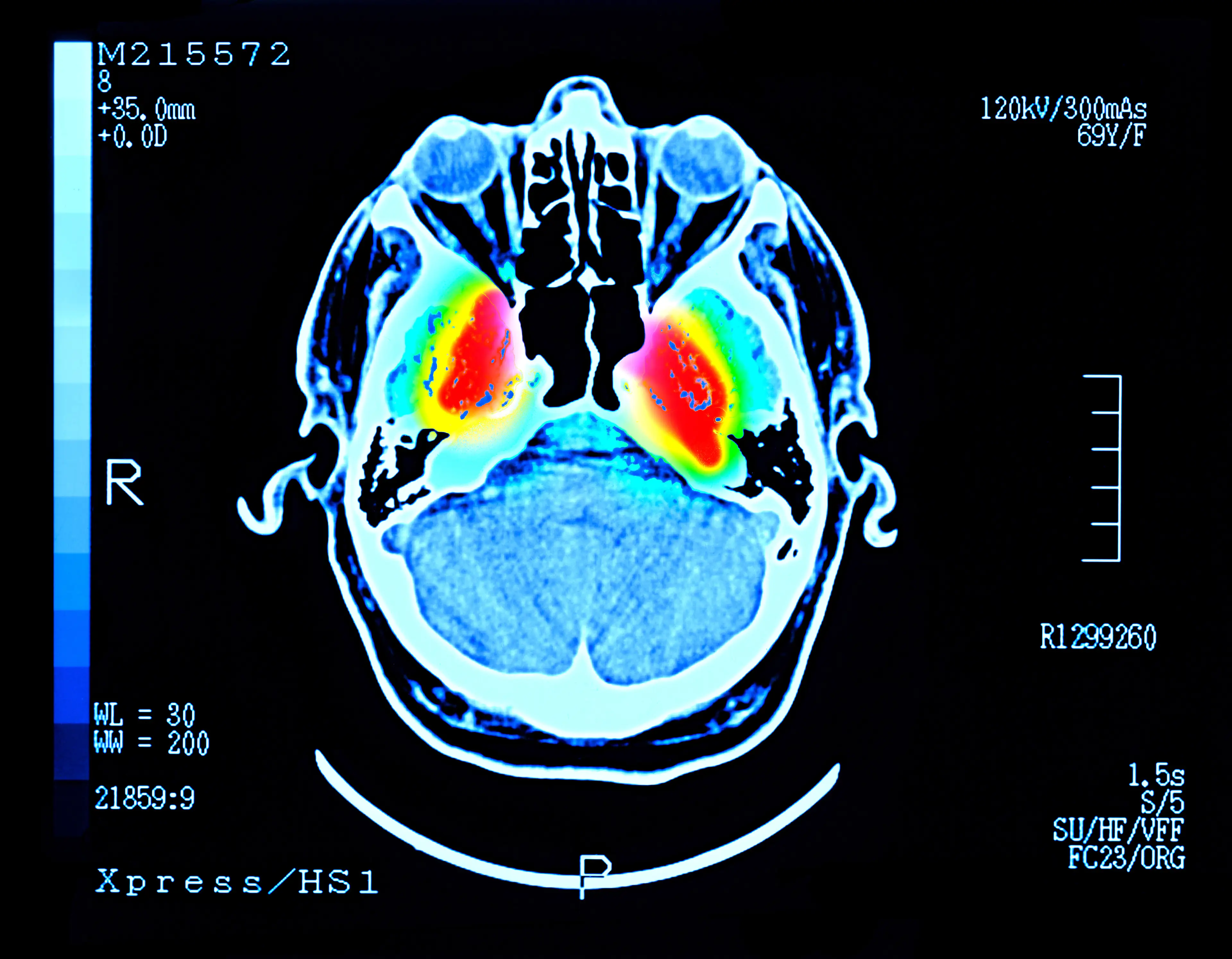
"From a brain imaging perspective, marijuana use is consistently associated with measurable changes in brain function," he recently told The Post.
One area of the brain that he believes is highly likely to be affected by long-term weed-smoking is coordination.
Coordination:
"Marijuana users demonstrate widespread reductions in cerebral blood flow, particularly in regions critical for memory, coordination, emotion and executive function," Dr Amen added, pointing out that THC within marijuana is the major culprit in these cases.
This psychoactive compound wreaks havoc on the brain's cerebellum and basal ganglia, which are responsible for balance and staying upright.
It could trigger issues like swaying whilst driving, or reacting to things more slowly.
Memory:
Dr Amen has also observed memory issues in countless chronic pot-heads, again caused by the THC, which binds to receptors in the hippocampus.

Referring to prolonged blood flow reduction to this area of the brain, he explained: "Cannabis users show significant hippocampal hypoperfusion, with studies demonstrating reductions of up to 13–17% compared to controls."
"This is clinically meaningful because the hippocampus is highly vulnerable to neurodegenerative processes and is essential for learning and memory consolidation."
Judgement:
The area of the brain responsible for impulse control, decision making and opinion forming is the pre-frontal cortex, which Dr Amen says scans have shown to be impacted by long-term cannabis inhalation.
Attention:
Weed has long been known to impact the brain's ability to focus, maintain alertness, and divide attention between tasks.

But only recently has evidence obtained during brain scans been able to prove this.
Like in the above instance, a person's ability to plan, organise, concentrate and multitask comes from the prefrontal cortex, which is damaged by THC over long periods of marijuana use.
Sensory perception:
The same mechanisms that intensify some tastes, sounds, smells, sights and touches while smoking weed could also prove guilty of numbing the senses, especially in longer-term cases.
This is especially the case with regard to vision, with chronic smokers often complaining of dull night vision and slow glare recovery while driving.
Mental health:
Emotions are processed and regulated in people's minds by an area of the brain called the amygdala.

According to Dr Amen, in many long-term cannabis inhalation cases, decreased activity in this area was observed during imaging studies.
"This may contribute to emotional blunting in some individuals, but cannabis use is also associated with increased rates of anxiety, paranoia and psychosis, particularly in high-frequency users or those with genetic vulnerability," he continued.
These issues could present as depression, panic attacks, mood changes and even schizophrenia.
"Findings suggest that marijuana use is associated with global reductions in brain function, rather than enhancement," Dr Amen continued.
"While some individuals report short-term benefits, imaging data indicate potential negative effects on memory, coordination, emotional regulation and executive function - especially with chronic or heavy use."
 Rhianna Benson