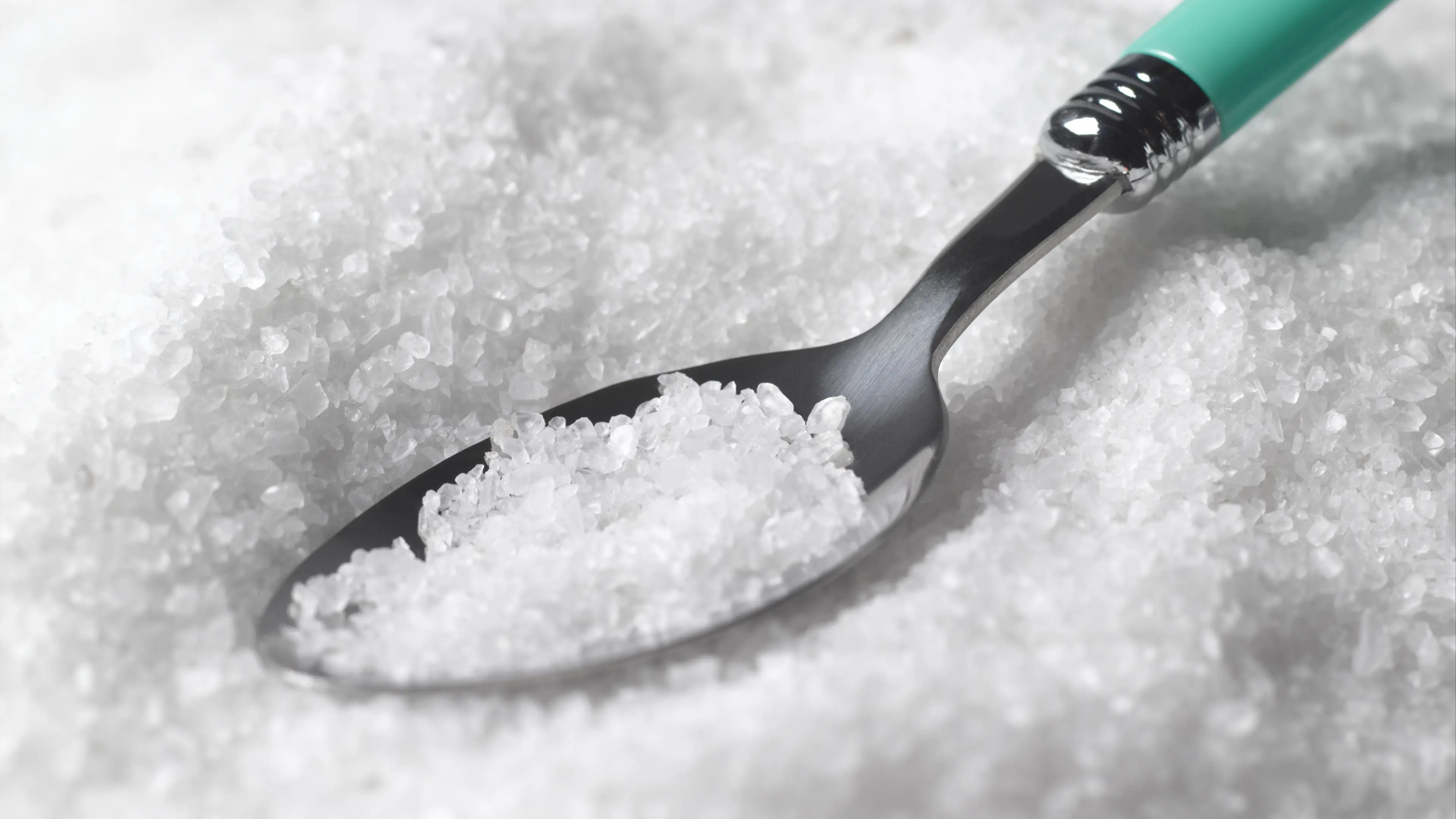
High blood pressure could be caused by a hidden source of salt, scientists say

A high sodium intake has long been linked to heightened risk of blood pressure issues.
It forces the body to retain water to dilute it, increasing blood volume and placing extra pressure on blood vessel walls, which forces the heart to work harder, and over time, damages the kidneys, stiffens the arteries, and raises the risk of both heart disease and stroke.
Apparently, however, it's not just the type of salt we sprinkle on our food to give it flavour that poses a major risk to people's cardiovascular health.
There's another 'secret' source of sodium that humans consume every day of their lives, unaware of the harm they could be inadvertently inflicting on their veins and arteries. The issue is, we need it to survive.
Advert

We are, of course, talking about water.
At a time when sea levels are rising to a more alarming degree every day, salted water has begun steadily spilling into the world's freshwater supply.
This reality recently led scientists to consider whether record blood pressure highs documented around the world, as well as alarming rates of hypertension, could be the result of people unknowingly drinking water that's been infiltrated by salt.
Prior investigations into this possibility were tainted by mixed results, improper methods and variable study designs.
A new, more recent study into this possibility was undertaken by experts at Science Alert, who found that the majority of high blood pressure cases within a certain region were occurring within coastal areas, where most of this contamination occurs.
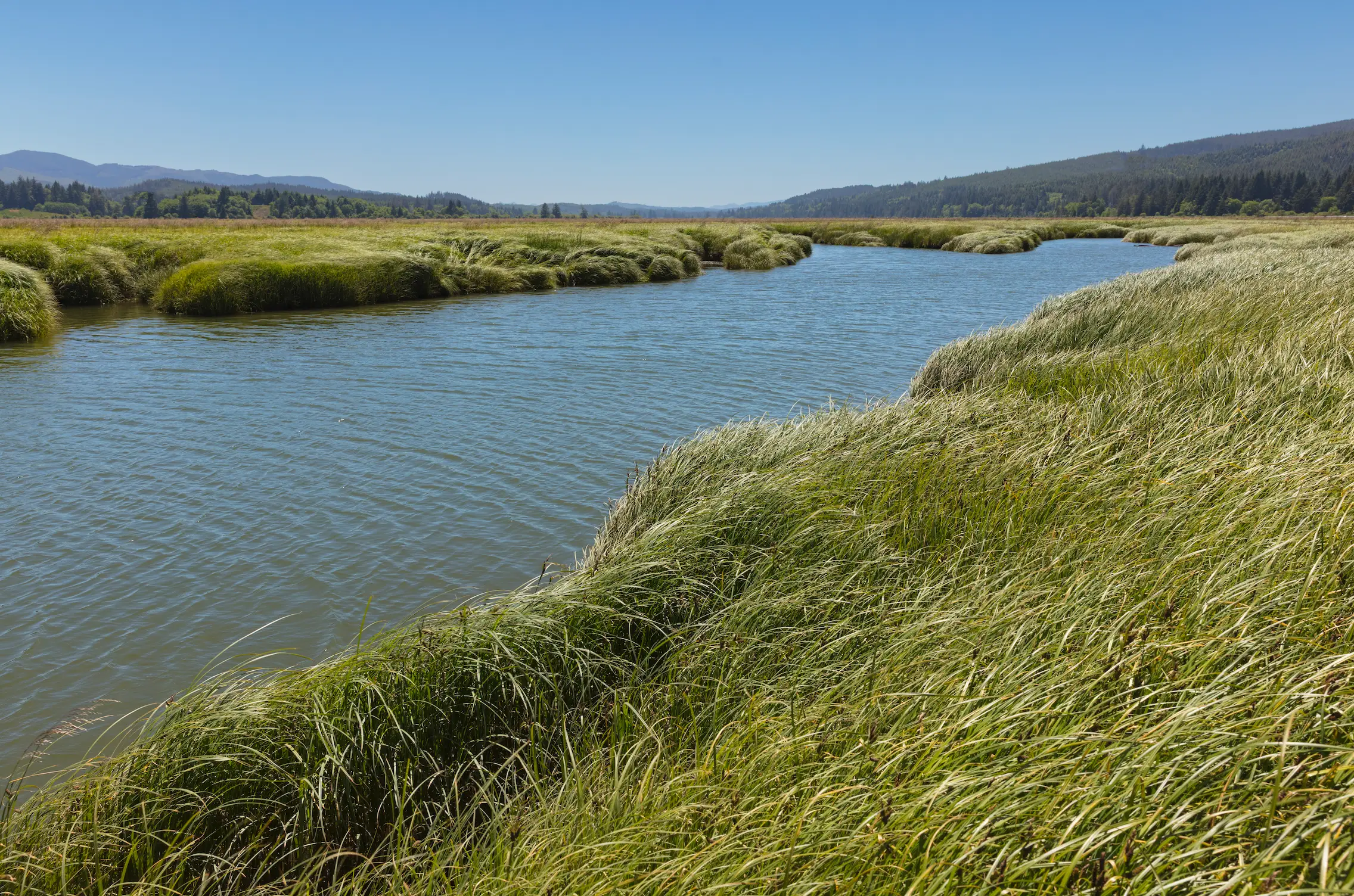
Data from over 74,000 participants across the US, Australia, Israel, Bangladesh, Vietnam, Kenya, and several European countries were analysed, with specific regard for blood pressure, hypertension and other heart conditions.
In nations where citizens accidentally consume water laced with a considerable amount of salt, a consistent pattern was observed, with this group experiencing an average of 3.22 mmHg higher systolic blood pressure and 2.82 mmHg higher diastolic blood pressure.
Exposure to high quantities of sodium was also linked to a 26 per cent increased risk of hypertension development in coastal residents.
At this very moment, over 3 billion people reside in such regions, and these figures are on the rise.
Researchers now predict, therefore, that cardiovascular disease cases will continue to surge as climate change becomes more of an issue, as the planet's temperature continues rising.
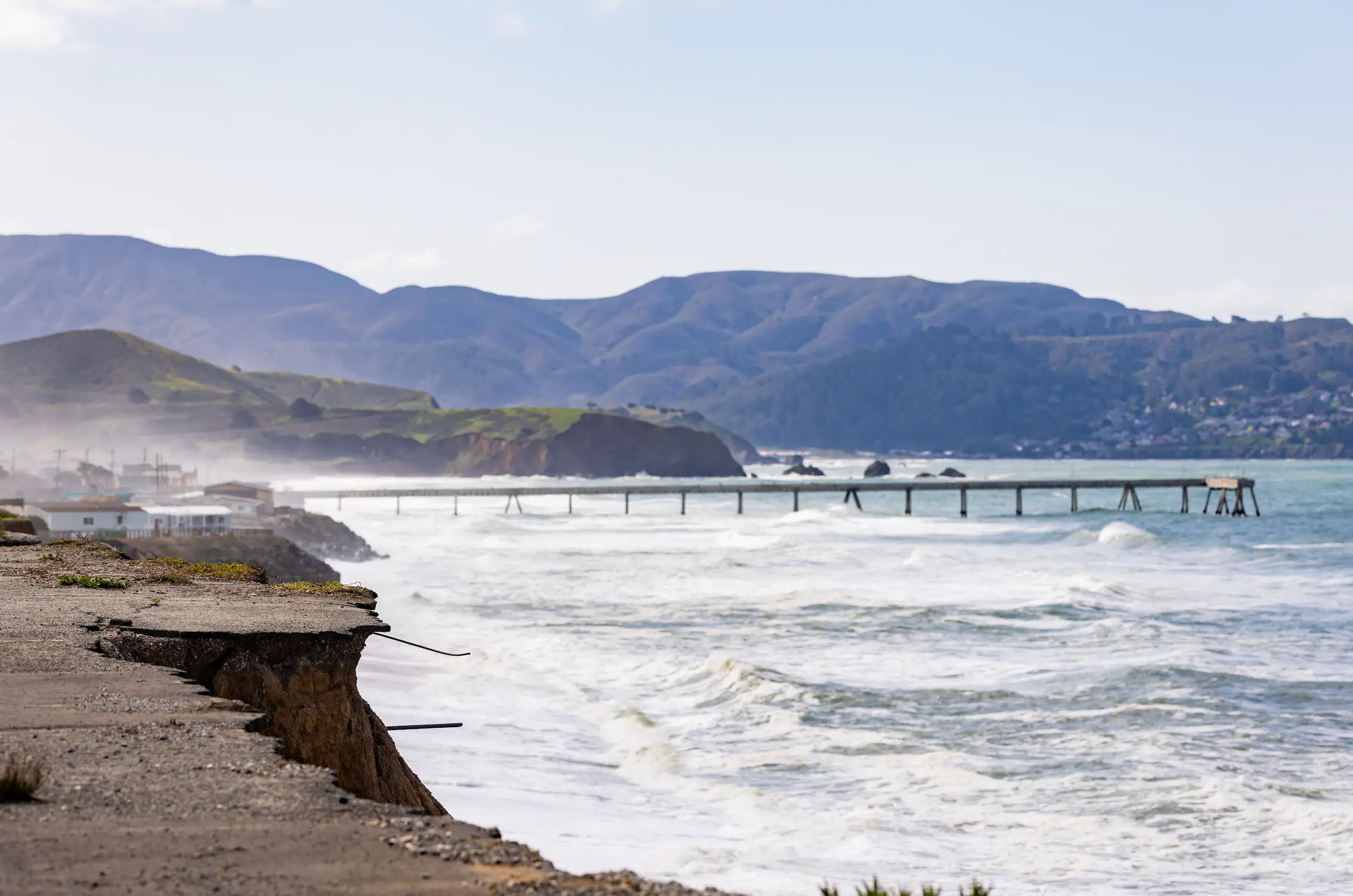
This is especially likely to be the place in low and middle-income communities, where groundwater is their main source of drinking water.
It's also more likely that these groups will ingest large amounts of sodium through their food, given that they cook with the same saline liquid.
Despite the findings of the latest study, guidelines currently in place within the World Health Organisation have no health-based standard for sodium levels with regard to drinking water.
Further scientific evidence is, therefore, necessary.
Topics: Food and Drink, Health, Real Life, True Life, Advice
 Rhianna Benson