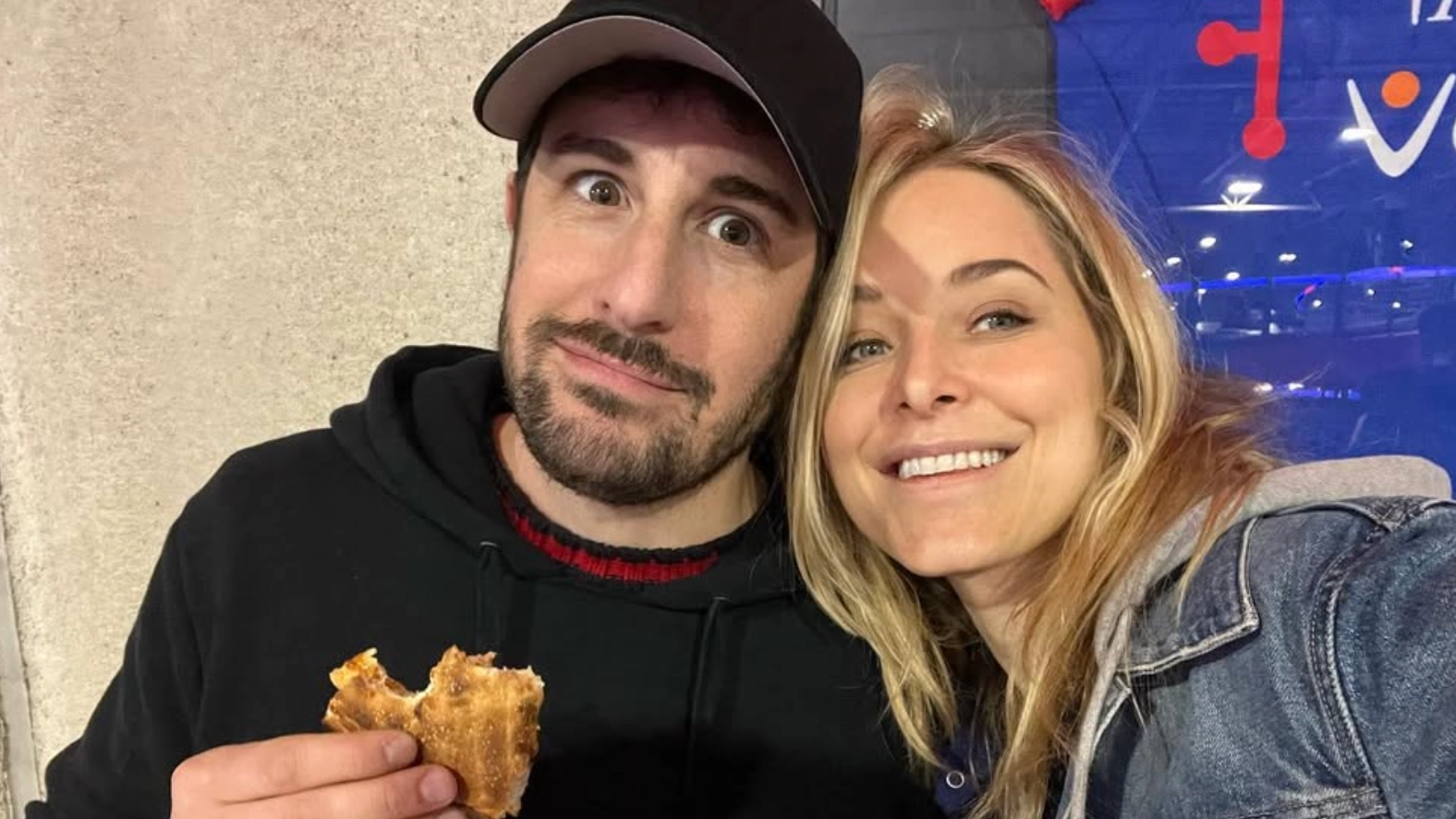
Psychologist explains the 'boy mom' phenomenon after Jenny Mollen's essay goes viral

A psychologist has shared all about the 'boy mom' phenomenon following a viral essay.
In case you missed it, actress Jenny Mollen, 47, wrote a controversial post saying she only wants her sons to marry women who have 'dead mothers'.
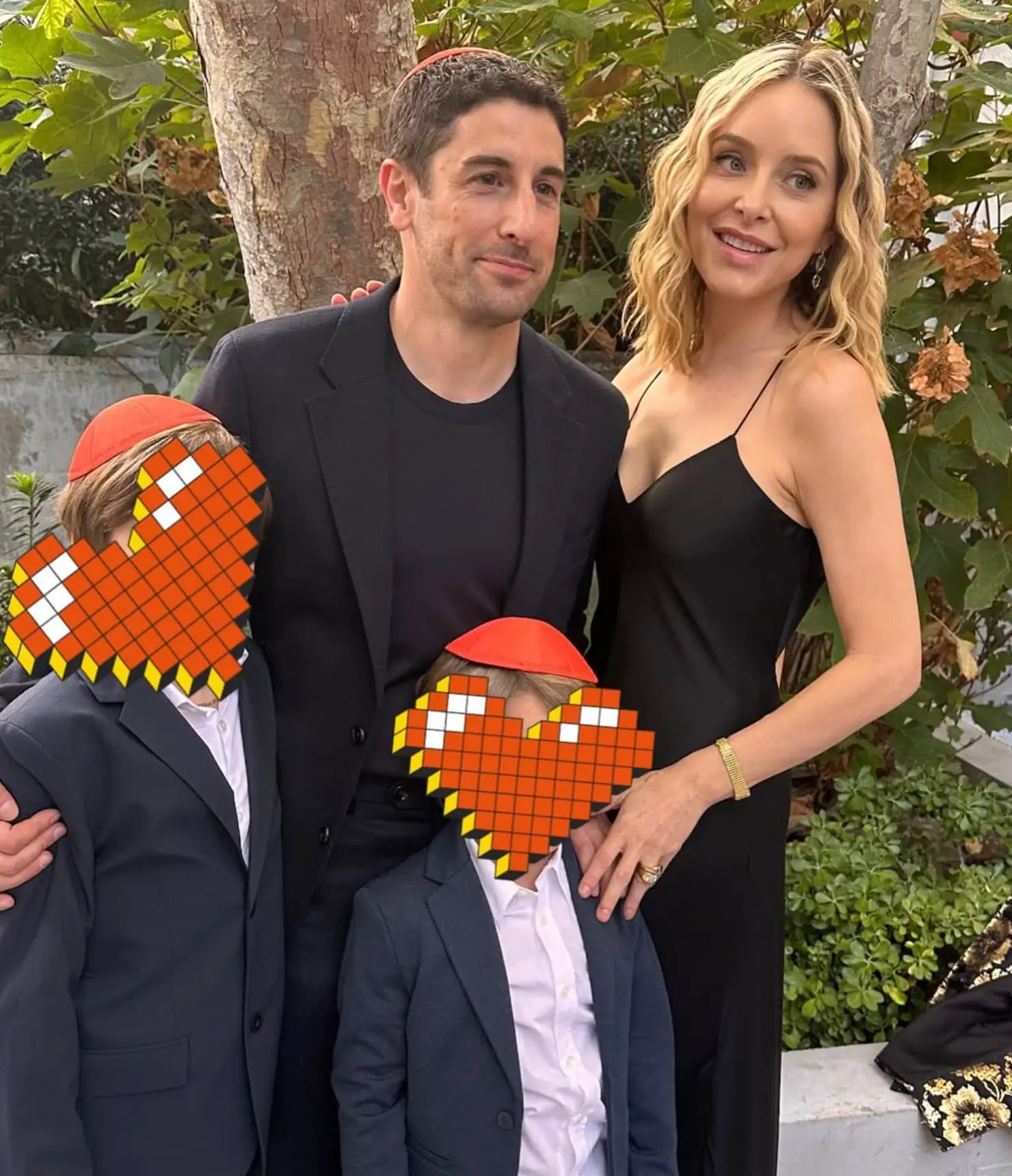
Mollen is the ex-wife of American Pie star Jason Biggs, 48, and they have two sons, 12-year-old Sid and eight-year-old Lazlo.
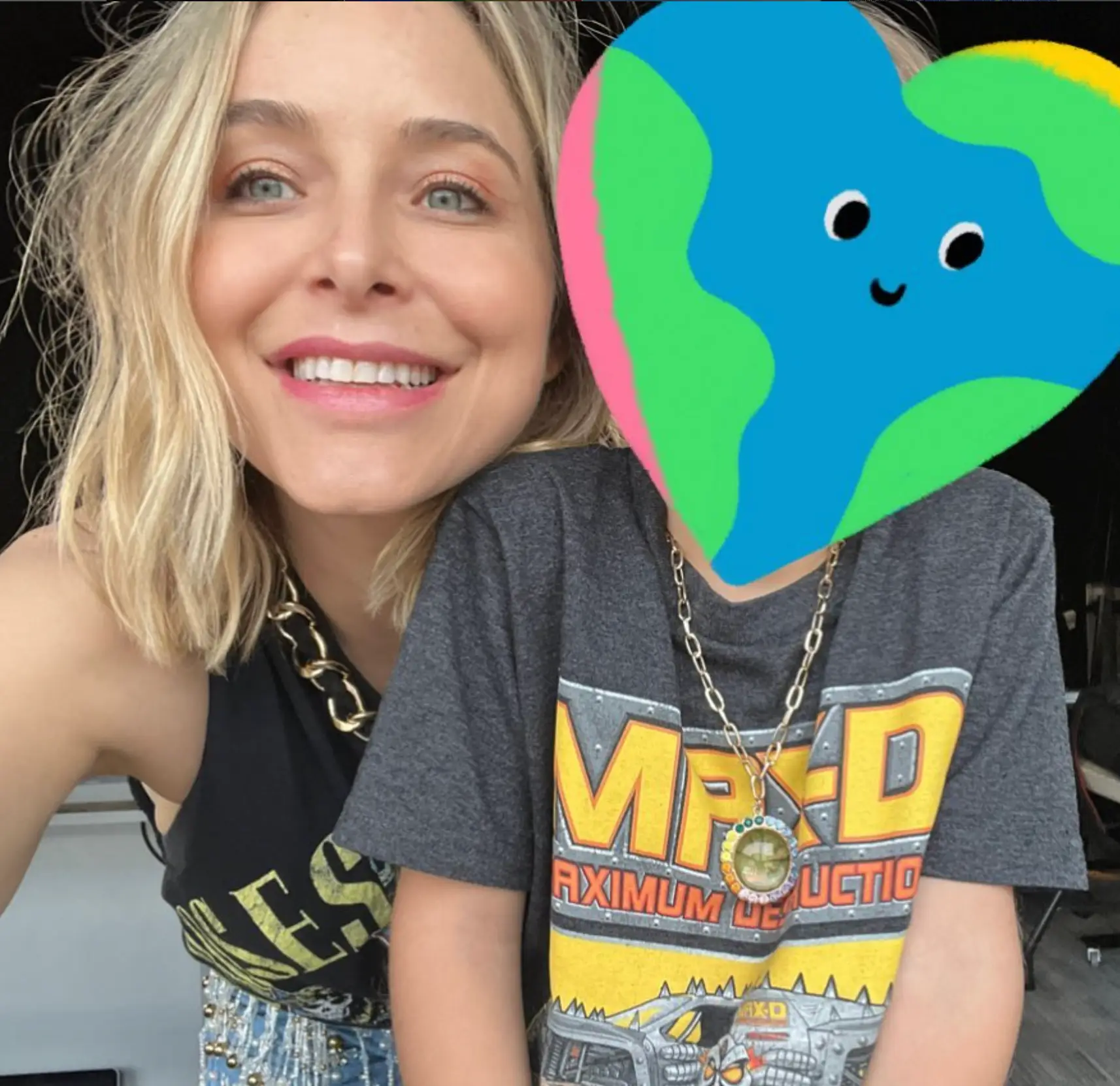
Needless to say, the essay ruffled some feathers, and came after Mollen deleted a social media post where she shared two pictures of her with Sid and the caption "Your eldest son will be the most toxic guy you ever date."
Advert
Critics slammed the post as 'deeply disturbing', but a source close to her told TMZ that the backlash was uncalled for: "The picture is nothing more than a mother hugging her 12-year-old son.
"Anyone inferring anything else should be ashamed of themselves."
Essay controversy
Mollen posted an essay to her Substack last month, titled 'Please. Stay. I want you. I need you. Oh, God', and she wrote about motherhood and her desire to be 'winning'.
"Call me old-fashioned, but I only want my sons to marry women with dead mothers. It’s my only shot at staying relevant, of seeming useful, and of winning by comparison.
"Having boys is a mind f*ck. It builds you up, only to tear you apart."
She also confessed she used to think it was 'insane' when her ex-husband's mother 'fell apart' when she found out they were getting married, but admits: "Now, I understand it had nothing to do with my cat allergy or whether or not I touched her lasagna. I was eating her son, straight out of the fridge, without even asking for a plate."
She called her sons 'emotional vampires', adding: "The most emotionally high-maintenance men I've ever dated are growing up".

The 'boy mom' phenomenon
Psychologist Dannielle Haig told Tyla about the 'boy mom' trend and the impact it can have.
The trend originally started as a 'lighthearted' and 'playful or exaggerated trope' said the expert.
Haig explained: "Online, especially on TikTok, it has grown into a cultural identity for mothers celebrating their bond with sons, often through playful or exaggerated tropes. Most of it is light-hearted and rooted in real developmental differences many parents notice."
However, like many trends, it's not as simple as it seems: "The challenge is that social media often amplifies stereotypes, for example, boys being portrayed as chaotic, unemotional, or 'mini men'. These are catchy narratives, but they don’t reflect the full emotional and psychological complexity of boys as individuals."
"On social media, the label usually describes mothers who: celebrate the high-energy, physical, or adventurous side of their sons, use affectionate humour about the chaos of raising boys and connect with other mums who are having similar experiences."
Haig says that on the surface 'none of this is inherently negative', insisting: "The only time it becomes worth reflecting on is when gender is seen as the sole explanation for everything, for example, assuming boys 'don’t need emotional support' or can’t be sensitive.
"Those assumptions can unintentionally limit a child’s emotional development."
Gender stereotypes
Another psychologist, Dr Bradley Powell, who is a chartered clinical psychologist and co-founder of Regal Private Therapy Practice, said their can be negative repercussions: "While much of this content is intended to be humorous, it can subtly reinforce outdated gender stereotypes."
"As a psychologist, what concerns me with this trend is that it normalises lower emotional expectations for boys while elevating mothers into a role of indulgent protector. Over time, this can reduce opportunities for boys to learn emotional regulation, accountability, and empathy, skills strongly linked to healthier adult relationships and mental well-being," he says.
"The healthiest approach is to parent the child in front of you, not the gender stereotype behind them," says Powell. "Boys don’t need softer rules or lower standards. They need emotional coaching, consistency, and permission to be vulnerable."
Topics: Parenting, Mental Health, Celebrity, Social Media
 Jen Thomas