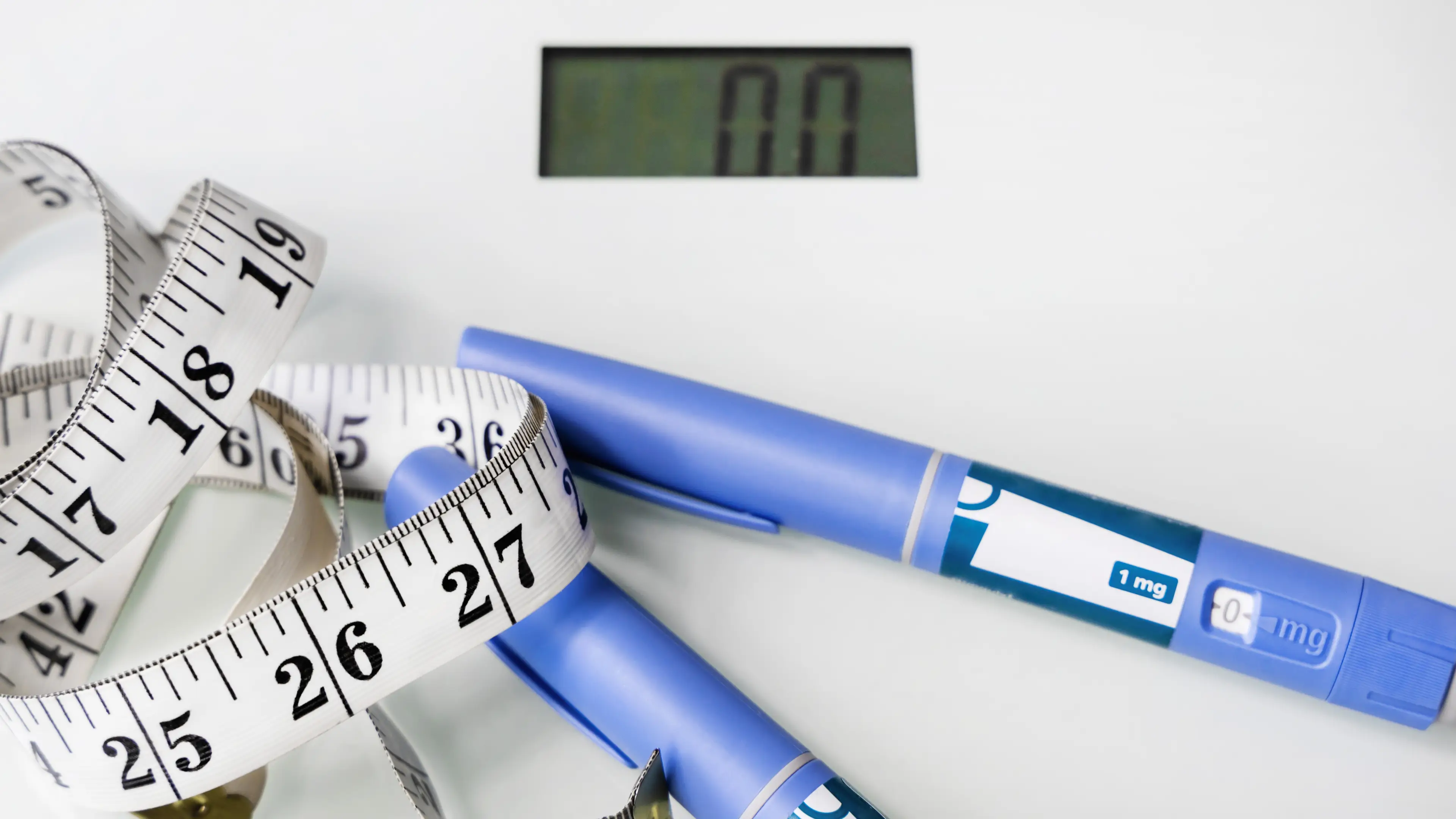
Weight loss jabs spark new eating disorder nicknamed 'agonorexia'

Warning: This article contains discussions on eating disorders.
In a society inescapably absorbed by all things weight loss, a doctor has issued 'slippery slope' warning.
Brad Smith, a chief medical officer for eating disorder specialist firm 'The Emily Program', says he has observed an increasing amount of patients becoming dangerously obsessed with the success of GLP-1 injectables.
So much so, that the sinister condition has earned itself a nickname, 'agonorexia'.
Advert
It comes following a study that found almost one in five American adults admitted to trying out injectable medication to either slim down, or treat a chronic health condition that affects their physique, like diabetes and heart disease.
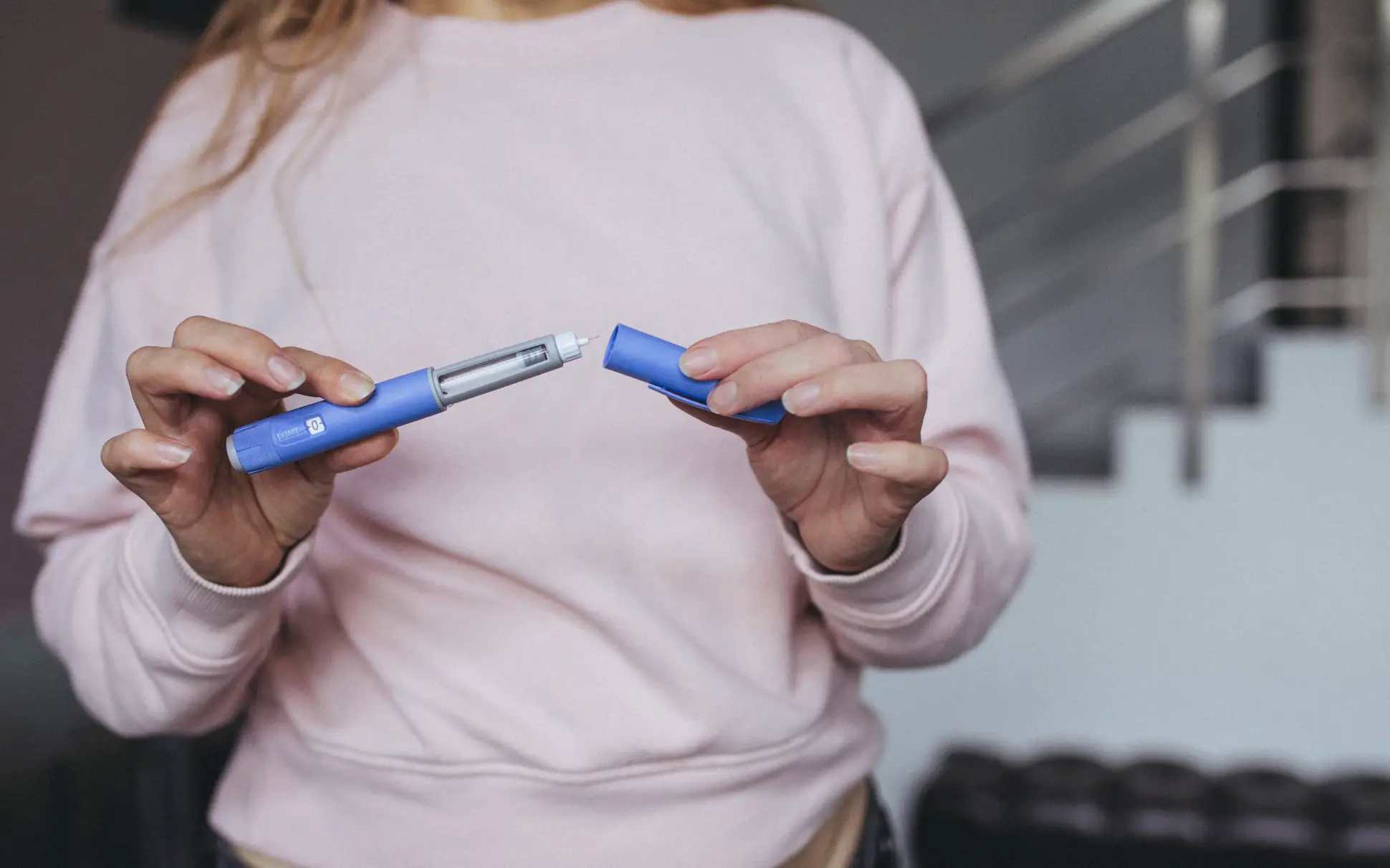
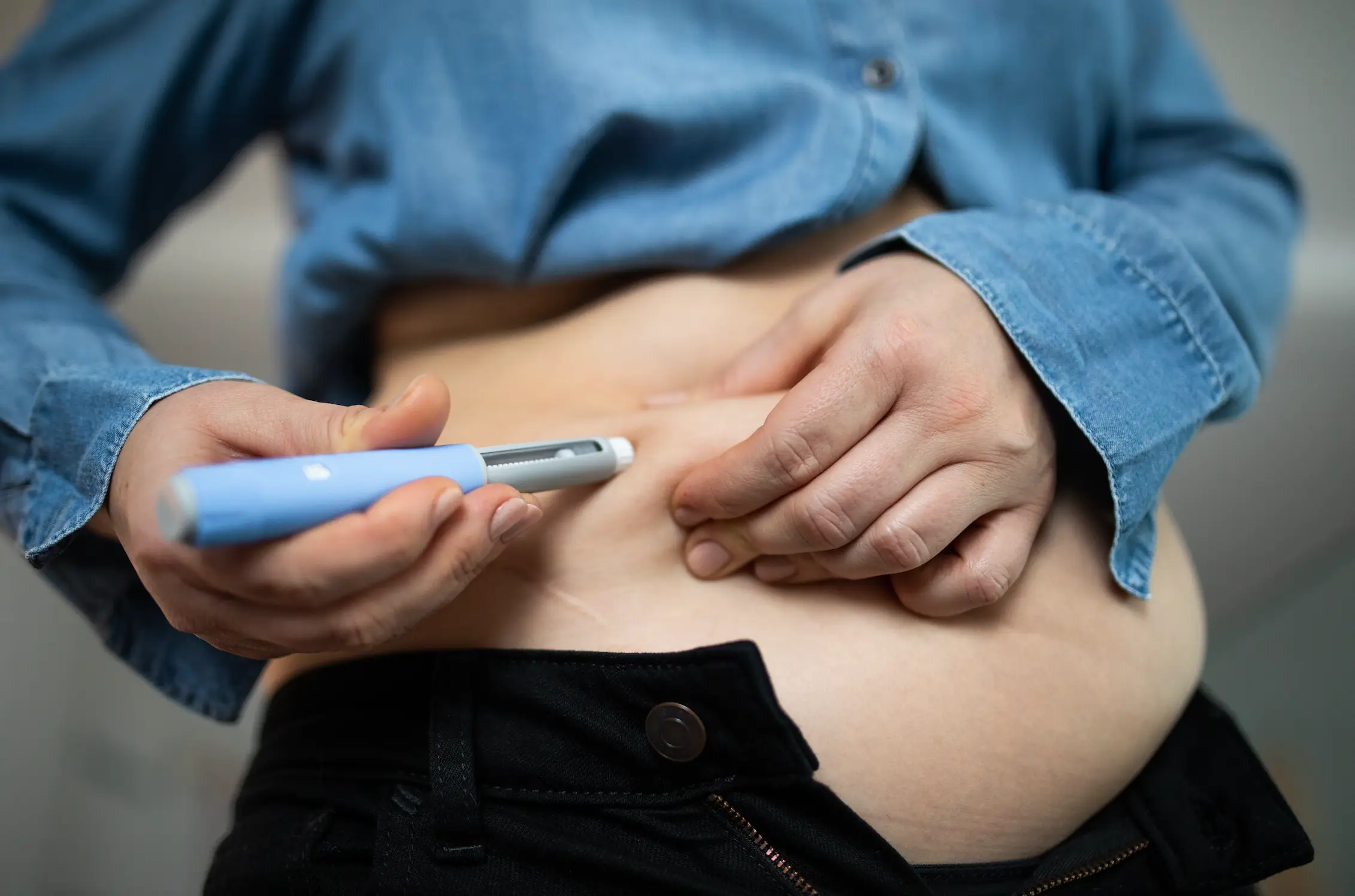
These work by mimicking GLP-1 hormones in the body, prompting the production of insulin, and reducing the liver's glucose release levels, sending signals to the brain to slow down digestion and lower the appetite of a user.
In many cases, users will experience some sort of gastrointestinal side effect, like vomiting, nausea, diarrhoea or constipation.
According to Smith, the jabs can also affect people's mental state.
The return of eating disorder symptoms and behaviours
"We’ve seen people that were prescribed these medications - who have run into a slippery slope with it, bringing back their eating disorder symptoms and behaviours," he told the New York Post.
"We’ve also seen people who have developed more disordered eating or eating disorders as a result of these medications, even without having an eating disorder in the past."

Smith claimed he'd observed a similar fascination with stimulants in the years prior, but fears that today's fascination with losing weight will make GLP-1s a 'different animal' entirely.
"It’s exceeded anything in the past already," he continued. "They’ve certainly had a much higher impact than any of those previous substances."
Patients feigning medical information to obtain weight loss medication
Licensed clinical psychologist Dr Zoe Ross-Nash claimed she's observed a similar pattern, claiming many patients will skirt round traditional methods to obtain weight loss jabs, sometimes by feigning medical information.
"I’ve seen individuals say it’s a healthier way to engage in traditional eating disorder behaviours," she said. "What the GLP-1 is encouraging are eating disorder behaviours. So then it makes sense that when those behaviours are reinforced, they continue."
Dr Ross-Nash added that the physical side effects of the jabs definitely won't help someone already susceptible to intrusive thoughts about their weight.
"When you’re nauseous, you don’t eat, so not only are we restricting because we don’t feel good, but then we’re also purging the food that is in our system because we’re nauseous," she explained. "Both restriction and purging behaviours are then reinforced by GLP-1s."
Fellow psychologist, Dr Thea Gallagher, agreed, adding: "When you’re underweight, it can increase body dysmorphia and make those things even worse in the long run."
Responding to concerns, a spokesperson for Ozempic and Wegovy manufacturers, Novo Nordisk, told The Post that 'patient safety is our top priority'.
"Semaglutide’s efficacy and safety have been extensively demonstrated in people with obesity/overweight with robust evidence for improving health outcomes," they added.
If you've been affected by any of the issues in this article and would like to speak with someone in confidence, call the BEAT Eating Disorders helpline on 0808 801 0677. Helplines are open 3pm-8pm Monday to Friday. Alternatively, you can try the one-to-one webchat.
Topics: Ozempic, Mounjaro, Wegovy, Health, Food and Drink, True Life, Real Life
 Rhianna Benson