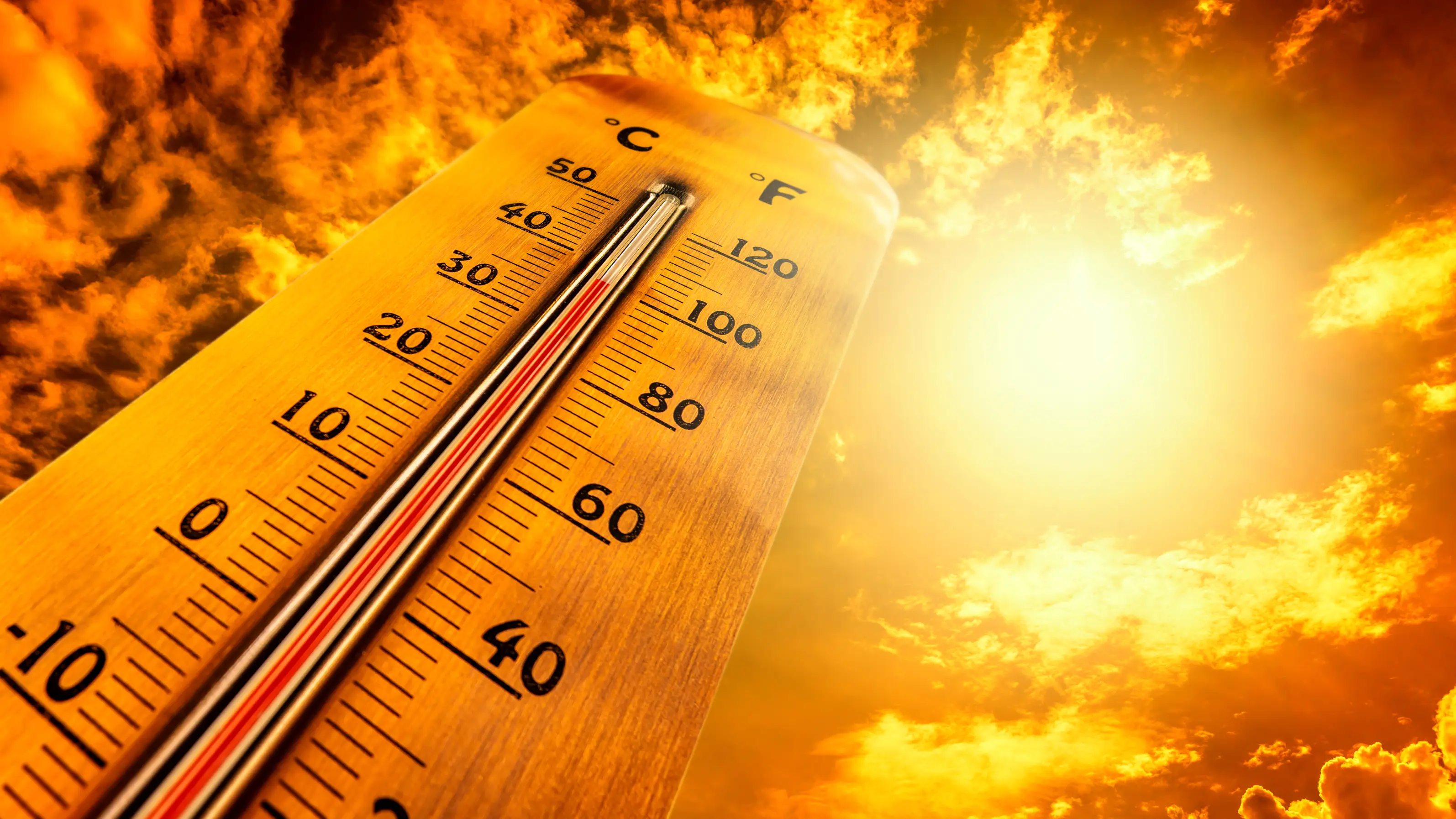
Met Office experts predict how alarmingly hot summers could be in just 30 years time

If you’re struggling with the soaring temperatures in the UK this week, no matter how many fans you have pointed your way, you might find future summers unbearable.
Scientists have painted a worrying picture of what heatwaves could look like by 2056 - and to put it simply, it’s terrifying.
The analysis by the Met Office comes on the 50th anniversary of the start of the 1976 summer heatwave, which saw 15 consecutive days on which the peak temperature was above 32C.
It also comes as a rare red weather warning has been issued this week, with forecasters predicting that the heatwave could see temperatures hit 38C to 40C in some parts of England and Wales, smashing the June record set in 1976 by several degrees.
Advert
But as mentioned, this could scarily be only the beginning, thanks to human-induced climate change.
Met Office scientists have outlined how similar events could become significantly more intense in the future, with a plausible scenario showing UK temperatures reaching an unbearable 45°C by 2056.
The scenario reveals that temperatures could peak at:
- 45°C in England
- 41°C in Wales
- 38°C in Scotland
- 30°C in Northern Ireland
The Met Office’s eerie forecast also shows a prolonged heatwave lasting around two weeks, that could include nine consecutive days where temperatures exceed 40°C somewhere in the UK.
It’s important to note, though, that it isn’t a forecast of a specific future event, but a scientifically plausible illustration designed to help us understand how risks could change as the climate warms.
Professor Stephen Belcher explained: “Weather is the national conversation in the UK, and the summer of 1976 lives on in many memories.
“Since then, our climate has fundamentally changed, with average UK summers having warmed by around 1.4°C. Crucially extremes have changed too.
"By using data from Met Office climate projections, we can glimpse into what an event like the 1976 summer would look like in the 2050s. It is a stark realisation to see the maximum temperatures reach 45°C.”
While Professor Ed Hawkins MBE, Professor of Climate Science at the University of Reading, agreed: “1976 was an extraordinary event, but it happened in a much cooler climate.
“As global temperatures rise, heatwaves like this are becoming more intense and more frequent.”
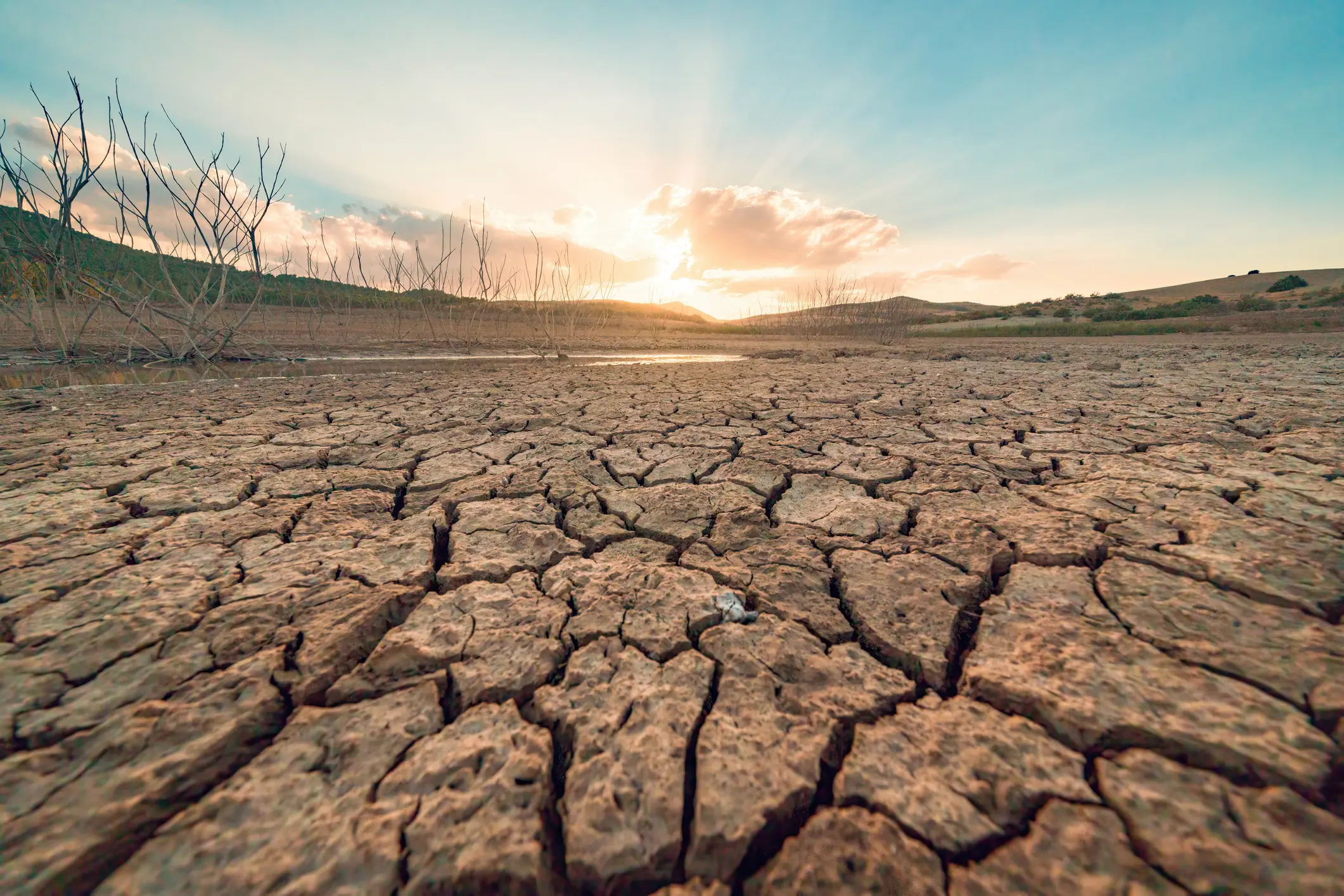
Consistent hot weather and heatwaves would bring a whole array of problems, such as drought, water restrictions, and pressure on infrastructure.
Scientists have warned that future heatwaves could bring challenges like increased health risks, pressure on water supplies, wildfire risks, and even impacts on food production.
Professor Hayley Fowler FRS, Newcastle University, said: “The 1976 heatwave was about more than just heat; it led to drought, water shortages, and significant impacts on daily life. In a warmer climate, those impacts are likely to become more severe.”
How to cool down in a heatwave
We’re all aware of the basics of keeping cool during the warmer weather, such as avoiding the sun between 11am and 3pm, staying hydrated, wearing light clothing, taking cold showers and avoiding physical activity, but have you tried these little-known hacks to beat the heat? (Thank us later).
The correct way to sleep with a fan on
A good night's sleep is almost never guaranteed during a heatwave, leaving many of us turning to our trusty fan to get through the night. However, it could be having a hidden impact on your health.
But rest assured, as Dr Anis Khalaf has explained how to overcome this, the correct way.
"The key is to not have any of the wind blowing on you,” he said. “So try facing it away from your body, and the air will still circulate around the room."
Though bear in mind that electric fans only tend to work when the temperature is below 35 degrees.
Drinking milk
Thanks to the sugars, proteins and fats in milk, Dr Natasha Fernando claimed that a glass of the liquid ‘may be more hydrating than water’.
She told Metro: “Milk also contains sodium which allows your body to hold onto water for longer, aiding hydration levels.”
The Egyptian sleep method
Forget the Military sleep method, because this hack claims to keep you cool as well as help you nod off.
Psychiatrist Alex Dimitriu, MD, told VeryWellMind: "The Egyptian sleep method involves sleeping under a damp sheet, which cools off from evaporation.”
Just make sure the sheet is damp and not drenched, and the room is well-ventilated.
Keeping windows shut during the day
While it may sound counterproductive, you’re essentially inviting the hot air inside by leaving them open. And since most houses in the UK are designed to keep the heat in, you could be making the situation a whole lot worse.
Instead, wait until temperatures have dropped (such as in the late evening) to open your windows to allow cooler air to circulate. Keeping your blinds and curtains shut can also help.
Topics: Climate Change, Environment, World News, Science, Weather, UK News
 Madison Burgess