
'White plague' symptoms to watch out for as cases continue increasing

Following reports that cases of 'white plague' are steadily rising, questions have been raised regarding the key symptoms we should all be looking out for.
The unnerving term is a nickname for a much more commonly known condition called tuberculosis.
It might sound like an ailment taken straight from a Victorian novel - and at a certain point in history, it was one of the human race's most dangerous diseases - but according to global medical records, the disease is still very much prevalent to this day.
Tuberculosis, also referred to as 'consumption', is a highly infectious condition that occurs when deadly bacteria enter the body and attack the lungs. The bacteria travel from an infected individual through tiny germ-filled droplets via coughing, talking or sneezing close to someone else.
Advert
Aside from damaging the lungs, the condition can spread to other areas of the body, including the kidneys, spine and brain.
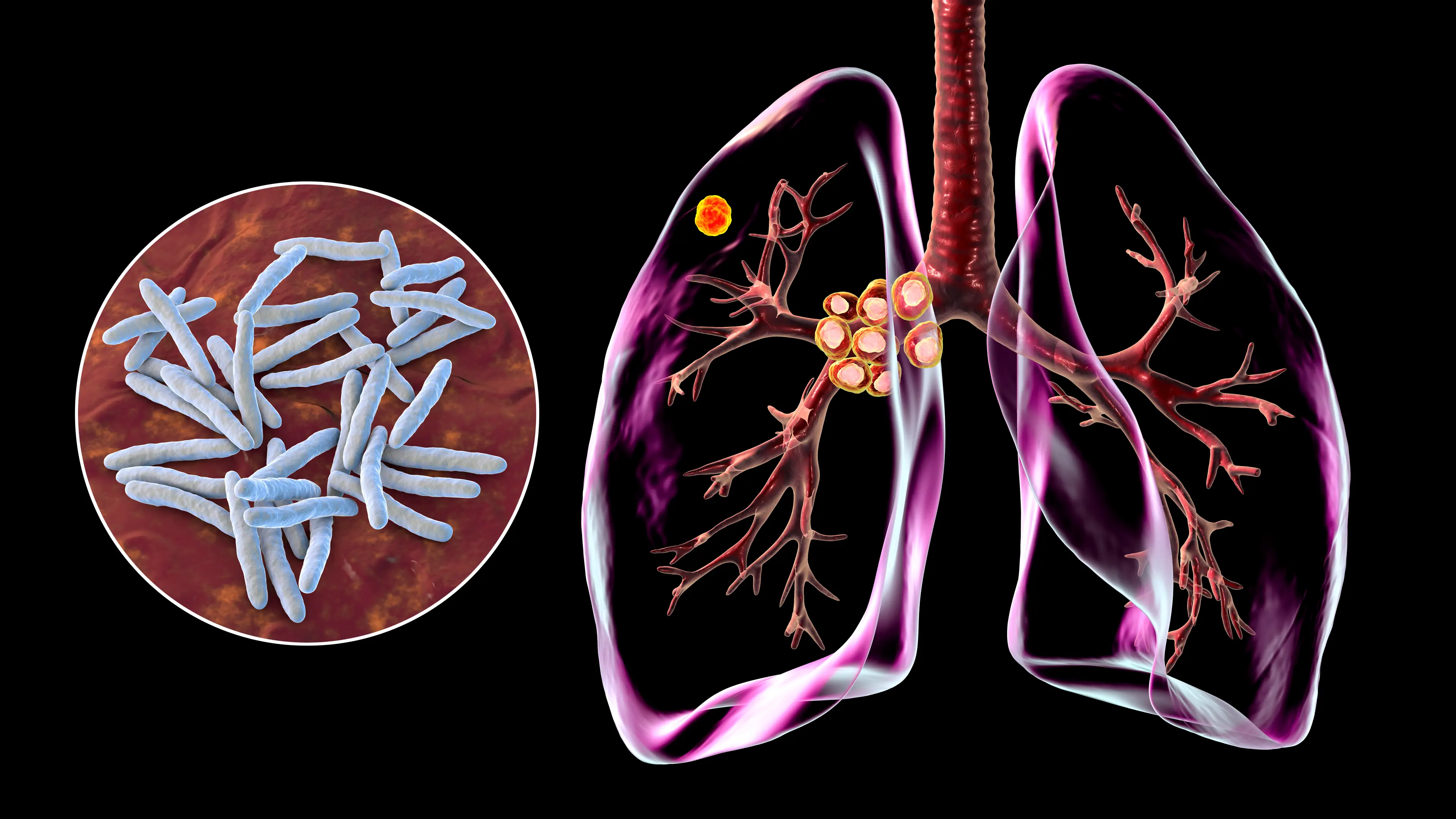
Its 'white plague' nickname reportedly comes from the extreme, anaemic complexion of its sufferers, combined with the devastating epidemic nature of the disease in 'olden day' Europe and America.
Many medics date the comeback of the condition to sometime in 2023, when it reclaimed its title as the world's deadliest infectious disease, having been briefly beaten by Coronavirus in the three years prior.
The general consensus seems to be, however, that the condition isn't something many of us need to panic over just yet, with national rates remaining relatively low across the Western world, despite a slow and steady rise in cases since 2020.
This is largely because the condition is treatable with antibiotics, although the recovery process could take much longer compared to other infections.
This doesn't mean that we should turn a blind eye to its symptoms, however.

And according to many doctors, getting clued up on the signs of contraction - seven of which are supposedly common amongst most tuberculosis patients - could mean receiving proper treatment quicker.
What are the symptoms of 'white plague'?
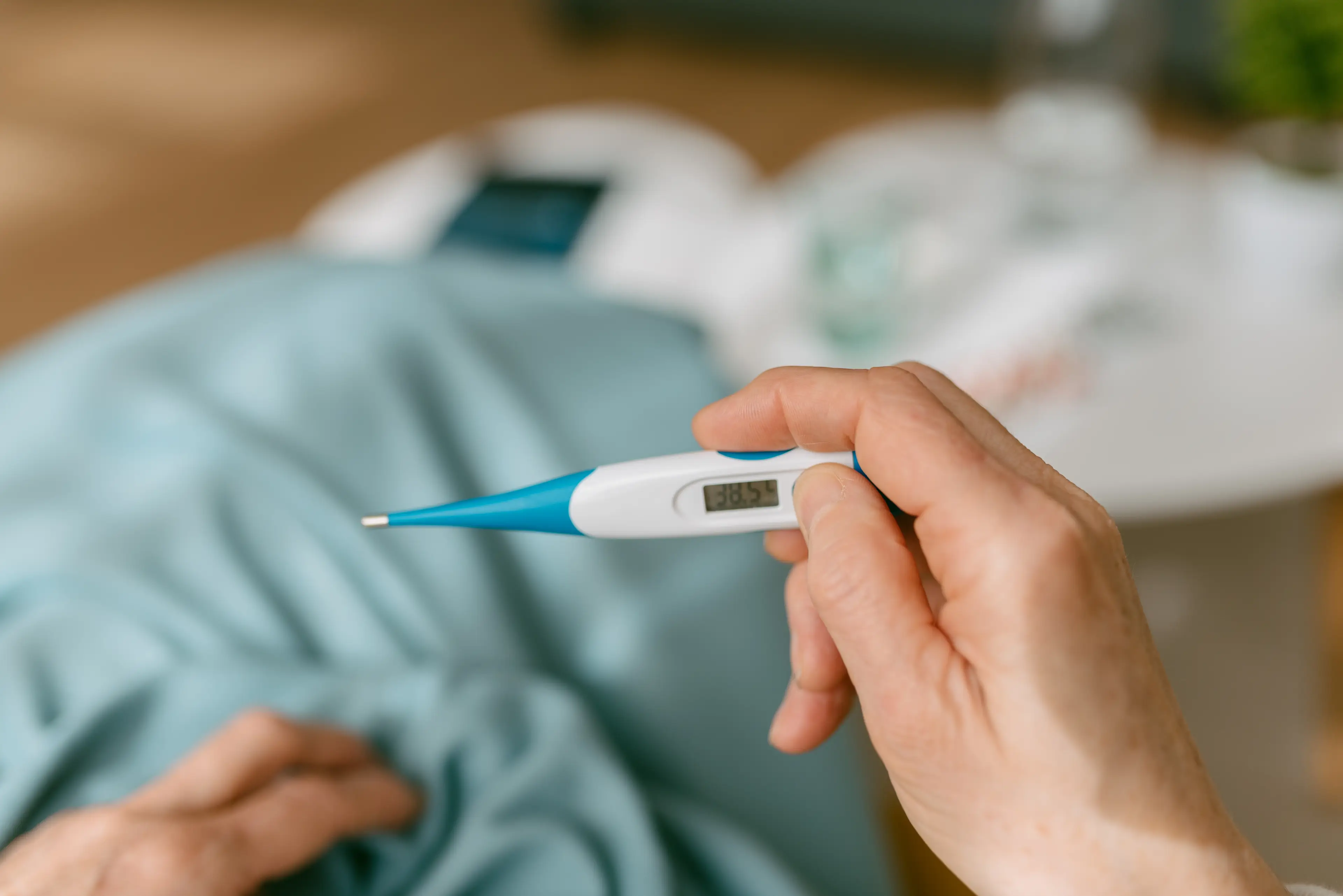
According to the Centres for Disease Control, the seven more general indicators of the condition are:
- Fever
- Chills
- Night sweats
- Weight loss
- Fatigue
- Weakness
- Loss of appetite
The more specific symptoms of tuberculosis depend on the areas of the body that become impacted by the ingested bacteria.
If the lungs bear the brunt of the infection, patients will most likely endure a severe cough, as well as chest pain and coughing up blood or mucus.
If the brain takes the hit, however, a patient might experience headaches or confusion. In cases of kidney impact, blood might appear in a person's urine. If the spine is affected, a patient might endure back pain.
Explaining the potentially deadly impact that neglecting these symptoms can pose, Dr Michelle Barron,UCHealth’s senior medical director of infection prevention and control, recently issued a severe warning.
"Without treatment, it destroys your lungs, and you waste away," she emphasised. "It produces chemicals in your body that suppress your appetite. You stop eating, and your body stops functioning."
Topics: Health, Life, Real Life, True Life, World News, News
 Rhianna Benson