
Why everyone is getting so ill at the moment

If you've recently been taken down by a sniffly nose, cough, and persistent sneeze, you're not the only one.
Despite the spring evenings getting longer and lighter, meaning more time for socialising, it feels like everyone is struggling with some kind of annoying illness keeping them cooped up inside.
If you suffer from hay fever, it's a double blow, as we're also heading into the peak season for tree pollen.
The Press Association spoke with Dr Alia Fahmy, medical director and GP at Concierge Medical, to find out whether this is just a coincidence or if there is something in the air that is causing everyone to be run down.
Advert
And surprisingly, the weather could be the culprit.
This is because the spring season is notoriously unpredictable, switching from sunny beer-garden weather to sudden downpours of rain, which can cause chaos for not only our plans, but our immune system too.
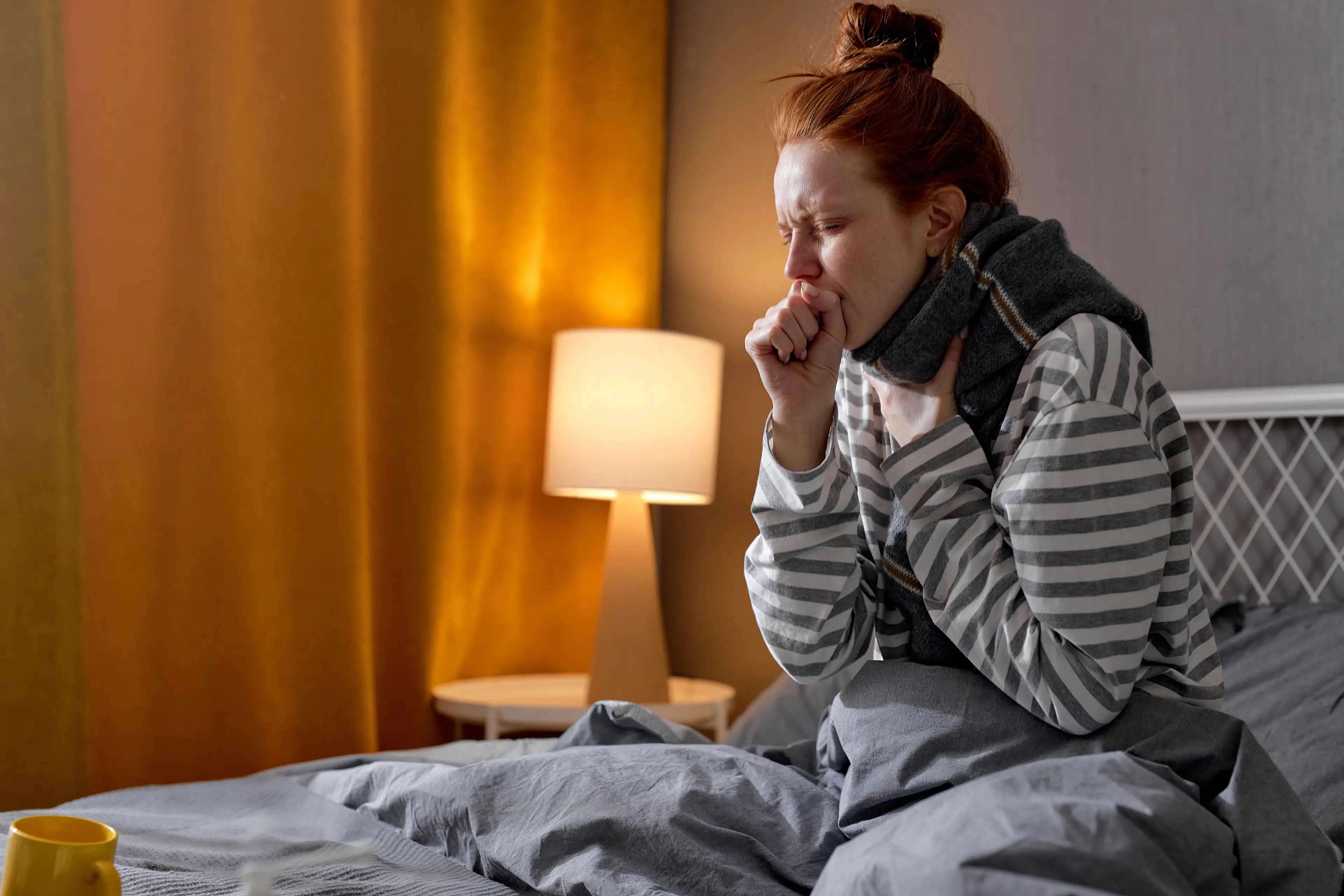
Fahmy explained: "We’ve had some nice, bright days, but then all of a sudden there has also been some cold and damp days, and this does have an impact on our vitamin D levels, our immune system, and our general feeling of wellbeing.
“We know that people feel better in themselves when the weather is better, and we have had a long, cold, damp winter this year.”
Discussing the rising pollen count, the doctor added that some people will have hay fever from the spring blossom and will start experiencing symptoms now, although the exact timing and severity vary from person to person
"People tend to present with watery eyes, sneezing, and a runny, itchy nose. They can also experience a lot of congestion and feel quite foggy in the head with it as well," she added.
We also can't ignore the fact that the start of 2026 saw a significant circulation of various viruses.
Fahmy said, “It has been a really nasty year so far for several kinds of viruses. For example, flu cases were particularly elevated at the start of the year and have now started to return to normal levels, but norovirus levels are still quite high at the moment, which isn’t helping us feel well."
The doctor advised that we also 'shouldn’t underestimate the impact of all the things that are going on in the world right now, which is likely to increase people’s stress levels and therefore have an impact on their immune system and general feeling of wellbeing'.
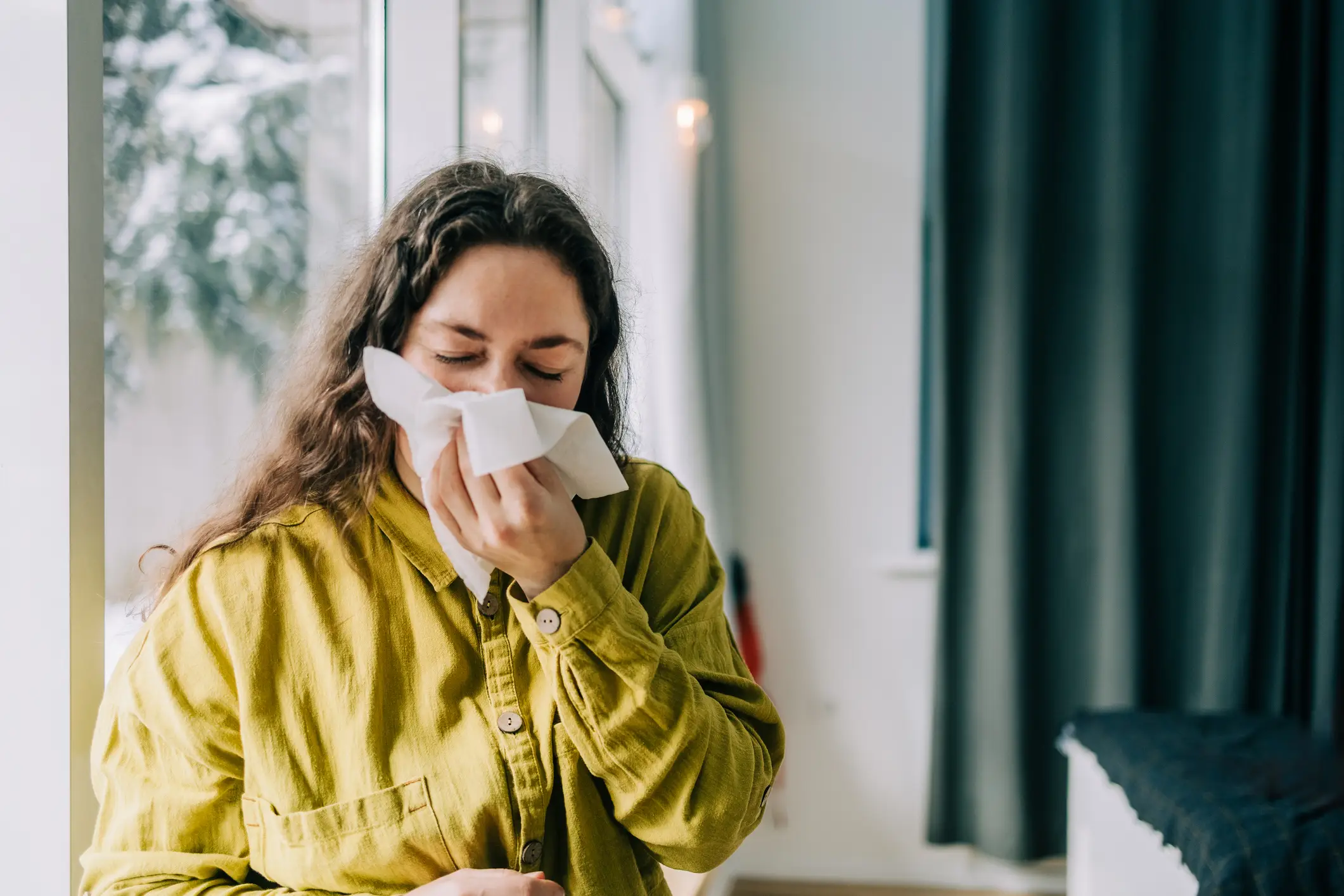
How to tell the difference between a cold and hay fever
As mentioned, with so many illnesses flying around and hay fever thrown in there too, it can be difficult to know which one you're struggling with.
While colds and hay fever share many symptoms such as sneezing and a runny nose, there is one key indicator to look out for - a fever.
Fahmy explained: "There’s no fever or temperature change with hay fever, so if you are experiencing fevers, that a clear sign that is a viral infection, like a cold, rather than hay fever.
"In addition, I wouldn’t expect watery, itchy eyes to be a sign of a cold, as this is more likely to be hay fever."
Looking at previous health patterns can also be helpful to work it out.
The doctor advised, “Are you somebody that has a tendency towards allergies? Are you asthmatic? Do you have eczema? Because if you are in that category, then you are classed as having atopy, which is essentially those sensitivities, which means hay fever is probably going to be more likely."
 Madison Burgess