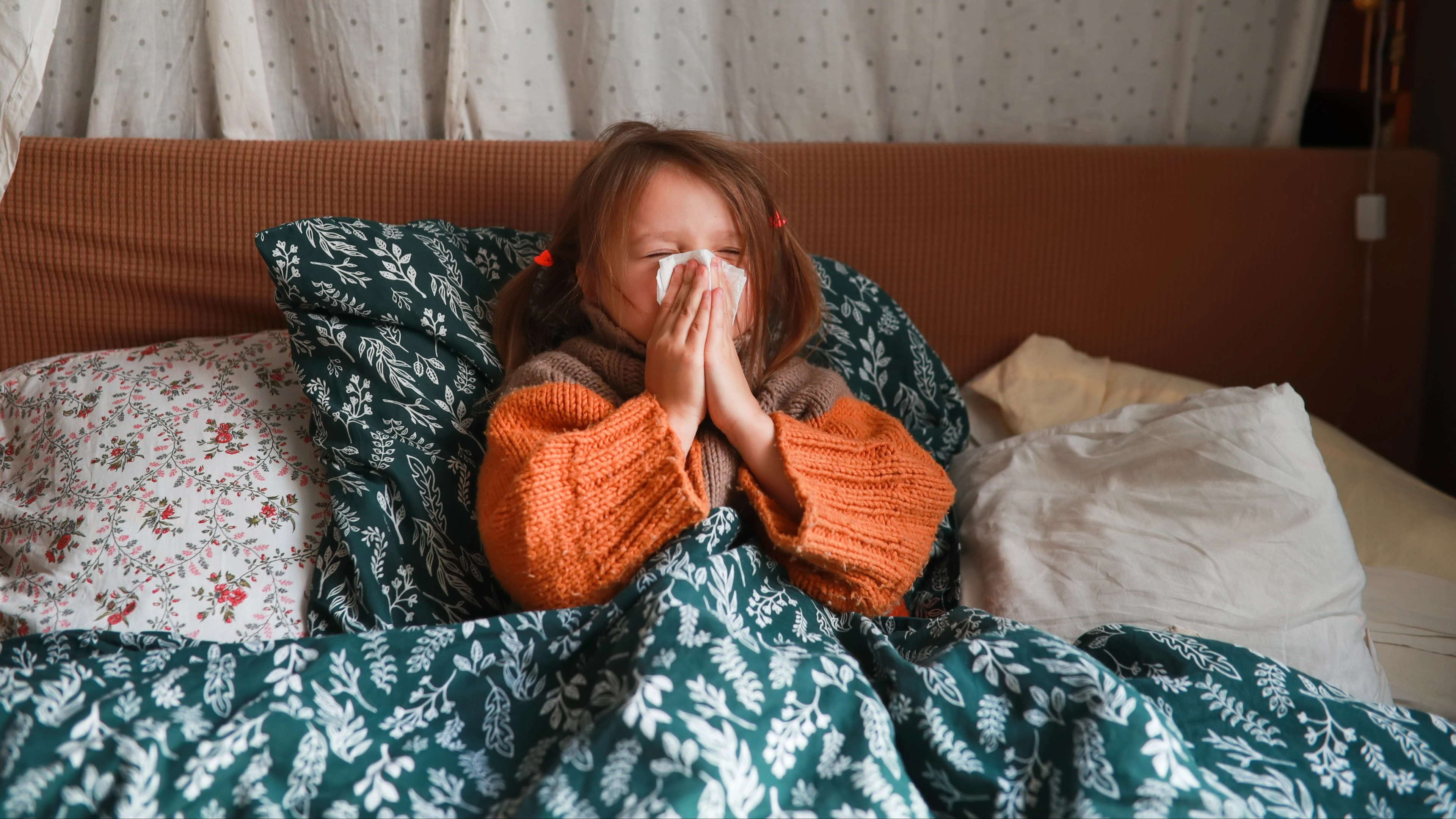
Parents are being warned about these 12 Cicada Covid symptoms

Parents are being warned of the risks of a 'deceptive' new strain of Covid, referred to as Cicada.
A pharmacist has urged parents to keep an eye on young children, who may be particularly at risk as they are unlikely to have been vaccinated against it.
The strain is known as BA.3.2, and is a descendant of the Omicron variant.
The Cicada nickname has been chosen thanks to the similarity to the insect, which can stay underground undetected for a very long time.
Advert
Paul Barry is an experienced community pharmacist for Well Pharmacy, and he warns: “The new Cicada variant has now been identified in the UK and is expected to become the dominant strain.
“This deceptive new strain can trick the immune system into not recognising that it is Covid and can allow for the Cicada variant to quickly spread across the UK," he explained.
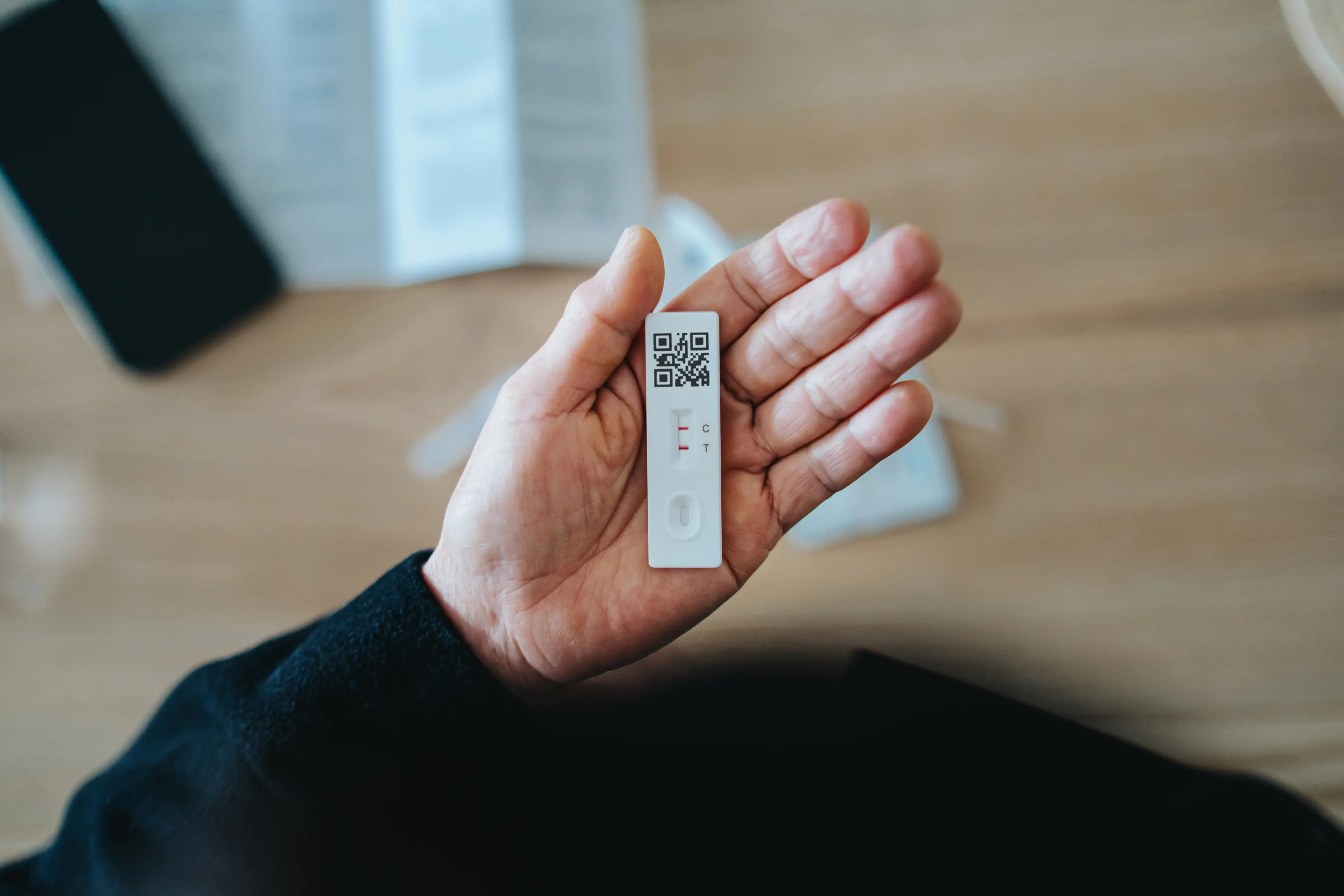
The pharmacist continued: “Young children are prone to picking up infections and could be particularly exposed to this variant given they will have unlikely had a Covid vaccination."
Vaccination is still said to be the best bet, with prevention better than cure: “I would urge everyone to consider a Spring vaccine, given it will be almost five years since they have had a Covid vaccine. While the vaccine is not altered to target the new variant, it still offers the best form of protection against the virus.”
Genetic mutations
This new Cicada strain is said to have mutated and changed, leading to genetic modifications.
Such mutations means that the body's defence system doesn't recognise it as Covid, so if you've had it before and built up a resistance, it can be bypassed.
According to the Centers for Disease Control and Prevention (CDC) it has as many as 75 mutations, meaning it 'efficiently evades antibodies, likely because of spike protein mutations'.
The latest strain has been found in 23 countries so far, and cases currently remain low in the UK.
In the UK, overall Covid cases remain low so far, with 491 reported cases for the week up until March 25.
There has been 27 covid-related deaths reported so far up to March 20.
Dr Nick Machin, Consultant Virologist at UKHSA, previously told Tyla in a statement: "UKHSA is constantly monitoring all available data relating to emergent variants of SARS-CoV-2 through our surveillance programmes. As part of our routine surveillance, we regularly conduct analysis of the severity and detectability of the virus.
"BA.3.2 has been designated as a Variant Under Monitoring by the World Health Organisation and has been detected in the UK. We are currently undertaking an assessment of its impact on diagnostic test performance and will issue further guidance to laboratories as necessary.
"To date, there is no evidence that this variant is more transmissible or causes more severe disease than other recent variants."
Barry warns that the main symptoms of Cicada includes a cough, fever or chills.

12 symptoms for Cicada Covid
These are the symptoms to be aware of, according to the NHS:
- A high temperature or shivering
- A new continuous cough
- A loss or change to your sense of smell or taste
- Shortness of breath
- Exhaustion or fatigue
- An aching body
- A headache
- A sore throat
- Blocked or runny nose
- Loss of appetite
- Nausea or being sick
- Diarrhoea

Cicada Covid treatment
Barry advises people to be careful if they believe they have it, and stressed the importance of drinking plenty of water and staying hydrated, and using over-the-counter painkillers like paracetamol to manage it.
He urges: “If you have Covid, you should stay indoors and rest, avoiding contact with other people and wait until you feel better or do not have a high temperature."
He said youngsters seem to be infections for a shorter time than adults, so they may test negative within three days, but adults should wait longer.
“If you’re over 18 and have tested positive then it is recommended that you wait five days to have contact with anyone as this is usually when most over 18’s begin to test negative for Covid.
“Patients who believe they might be vulnerable for Covid should book in for a Spring vaccine to ensure peace of mind as well as protection against the most severe effects of the virus.
“It’s important that everyone does their part, if you are testing positive for Covid then please do follow the NHS guidelines and don’t go to crowded places.”h other people and wait until you feel better or do not have a high temperature."
Topics: Coronavirus, Health, NHS, UK News
 Jen Thomas