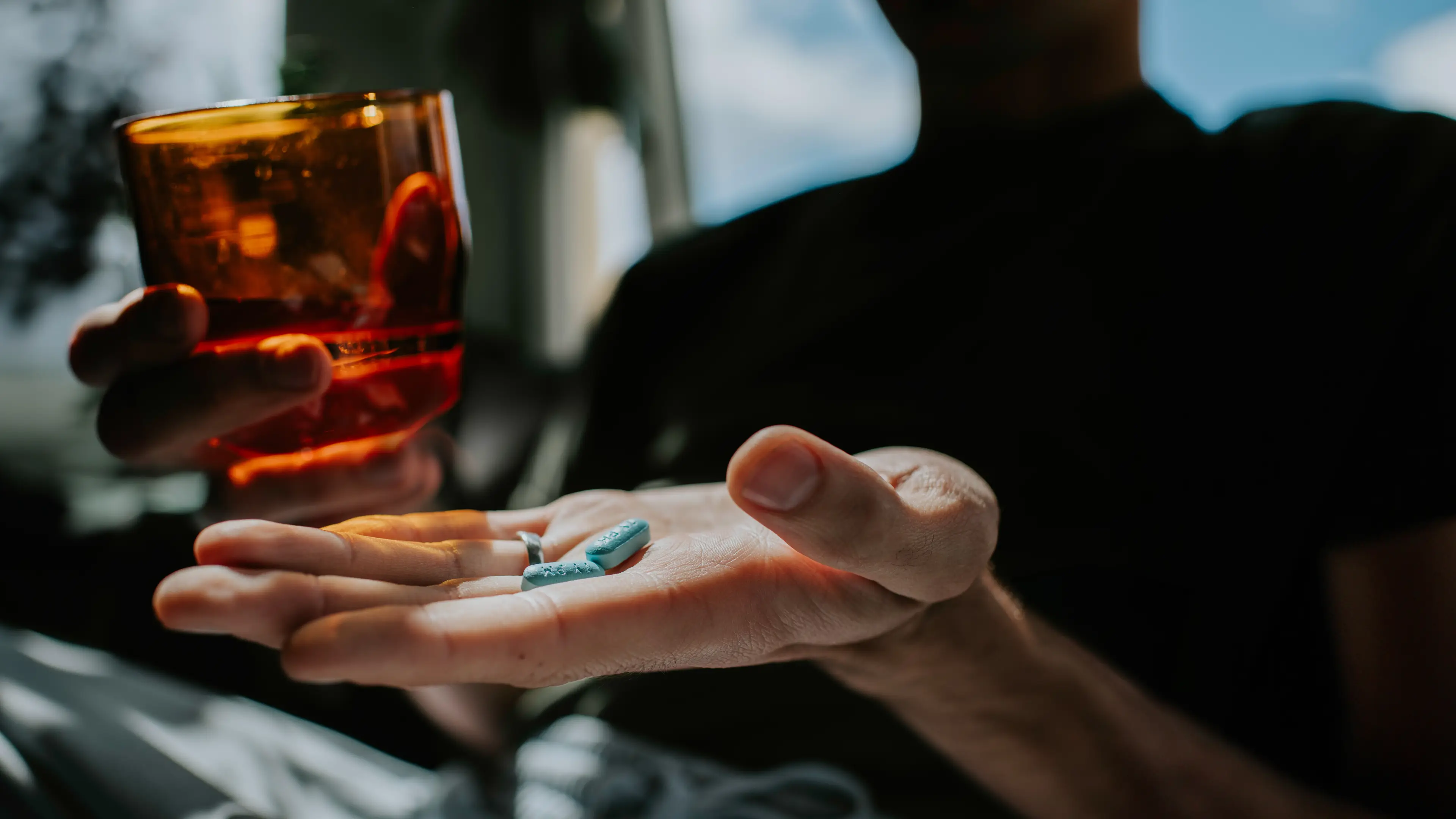
Pharmacist reveals list of medication you shouldn't be mixing with alcohol

The season of both spreading germs and seasonal depression is upon us once again - and to make matters worse, like it always has, this contagious phase just so happens to have fallen in line with the festive period.
You know, the time famous for work Christmas socials, bottomless Bailey's shots and Boxing Bay benders?
Well, if you were hoping to rely on painkillers, paracetamol and mental health meds to get you through party season, we've got some bad news to break.
Apparently, this year more so than ever before, doctors and medics are attempting to raise awareness of the dangers of mixing common medications with alcohol - and we're not just talking about the drugs that make you drowsy when knocked back with a Drambuie.
Advert
No, as expert pharmacist Deborah Grayson told press this week, in some of the more serious cases, combining booze with some meds could trigger the likes of internal bleeding and life-long liver damage, whilst others could kill you outright.

"I've had patients taking painkillers who have ended up unwell after mixing them with alcohol," she told the Daily Mail recently. "They'd tell me they'd drunk alcohol thinking that if they only had a little, they'd be OK, but then had been quite, quite poorly."
Here's a list of all the meds that Grayson says must be approached with caution when under the influence:
Antibiotics
Arguably, the most commonly-known alcohol-related warning is given during antibiotics prescriptions, but this isn't just in case the patient gets too tipsy and forgets to take one.
For tablets like metronidazole, handed out in a bid to treat infections that occur deep inside the body - like tooth abscesses and bacterial vaginosis - keeping clear of the booze is vital, because it works in a similar way to drugs specialised in combating alcoholism.
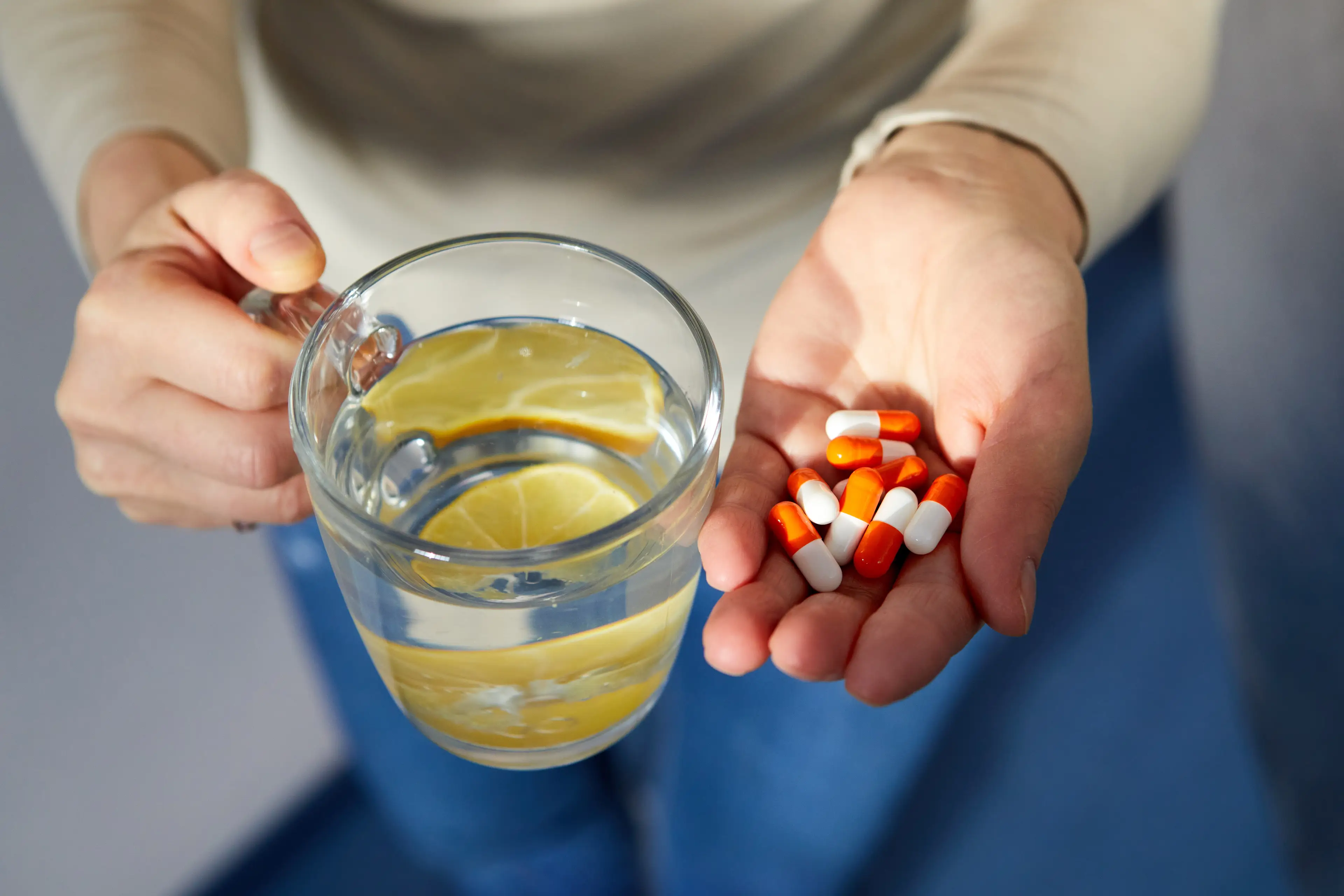
And because of this, adverse reactions can occur.
"If you mix that particular antibiotic with alcohol, it can make you significantly poorly, to the point that sometimes patients have felt like they've almost been dying," Grayson explained. "It's been that severe.
"That warning is on the label, but sometimes people don't realise that even just a tiny bit of alcohol such as a sherry trifle can cause a significant reaction."
Naming and shaming other drugs, like ciprofloxacin, doxycycline and other tetracyclines, she went on to cite side effects like 'nausea, vomiting, drowsiness, agitation, and heart palpitations'.
Blood thinners
Whilst blood thinning medications like warfarin can prove life-saving - in that they prevent clots from forming - when mixed with booze, Grayson added, these drugs could trigger deadly side effects, like a heart attack or stroke.
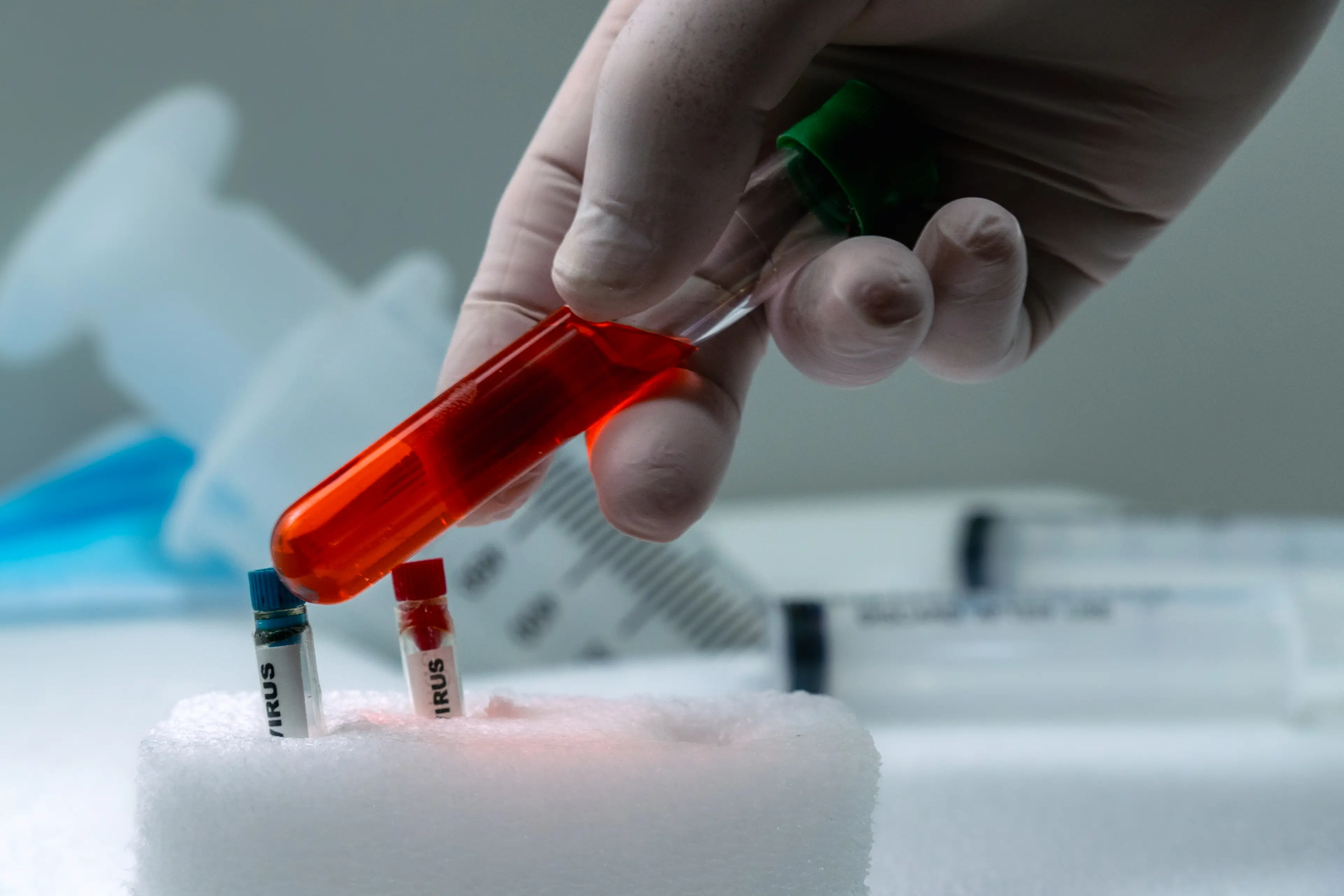
This is because chemicals in alcohol could prevent the thinner from working efficiently, allowing the body's blood to thicken.
She went on to add that 'both warfarin and alcohol can also put strain on the liver', something the latter is known for altogether.
ADHD meds
These super-specific drugs - the most popular in the UK being Methylphenidate - are manufactured to tackle attention deficit hyperactivity disorder (ADHD) symptoms by targeting and increasing neurotransmitters like dopamine.
Known by brand names like Ritalin, Medikinet, Concerta, Equasym, Delmosart and Xaggitin, the NHS advises that these medications not be taken alongside a tipple, being that alcohol increases the drug's effectiveness.
"Medications such as methylphenidate and lisdexamfetamine [another stimulant] can mask the effects of alcohol," Grayson explained. "This may lead to unintentional overconsumption and a higher risk of harm."
Antidepressants
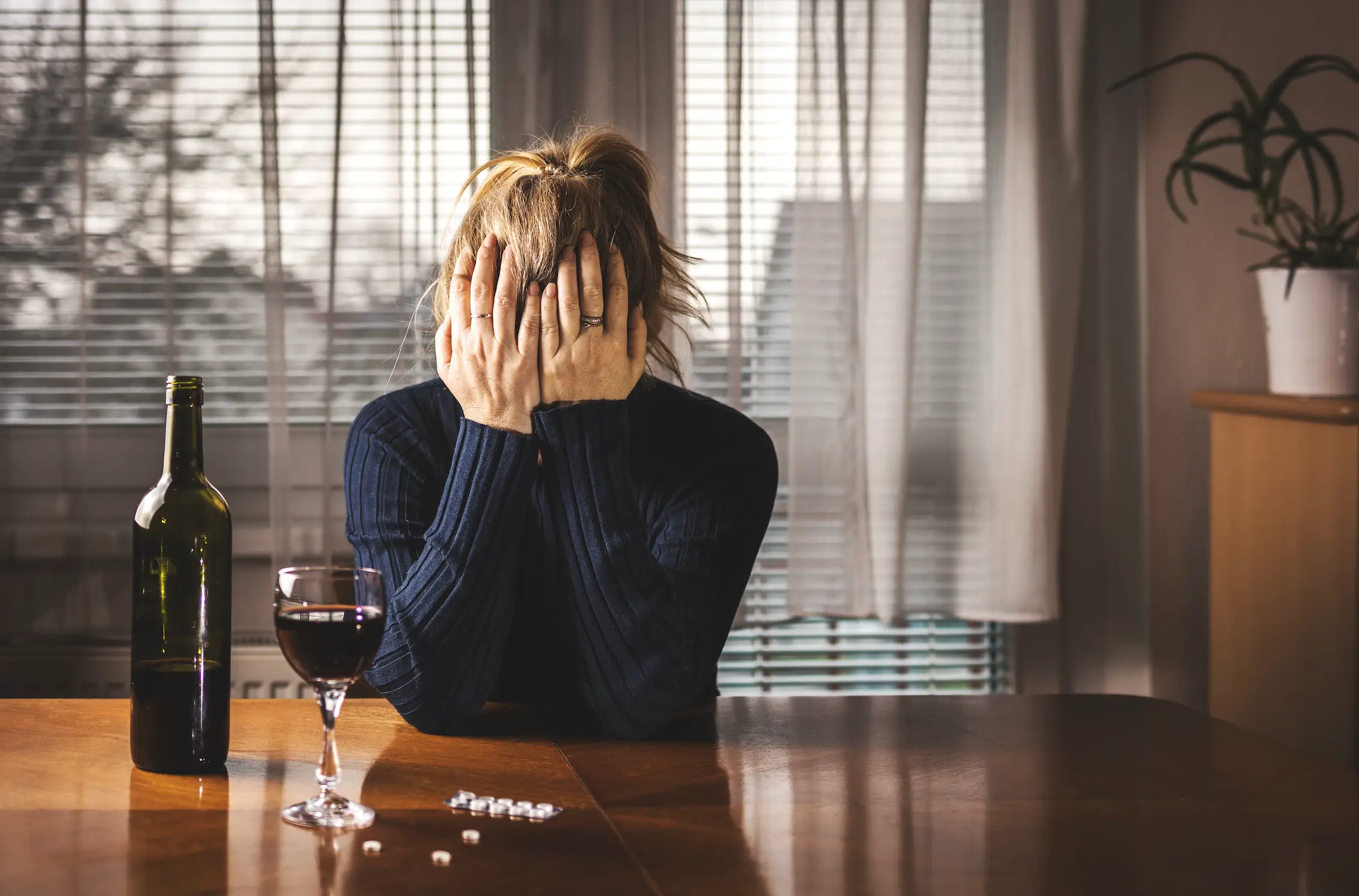
It might sound like common sense, but many mental health sufferers are guilty of using booze, wrongly believing it can be used to dull the harsh realities of everyday life. What's worse, is that a number of these patients do so having already been prescribed antidepressants.
This, Grayson continued, can result in several adverse side effects.
"Alcohol can worsen low mood and reduce how well antidepressants work," she explained. "Certain antidepressants, including amitriptyline and mirtazapine, can cause drowsiness and dizziness, which are made worse by alcohol."
In more serious cases, drinking whilst taking one particular type of antidepressants - Monoamine oxidase inhibitors (MAOIs) - can trigger a dangerous blood pressure spike - again, potentially triggering stroke.
Anti-anxiety medications
Whilst not the most dramatic side effects, similarly, mixing booze with antipsychotic medications that are used to treat mental health ailments like schizophrenia can end in some frustrating results.
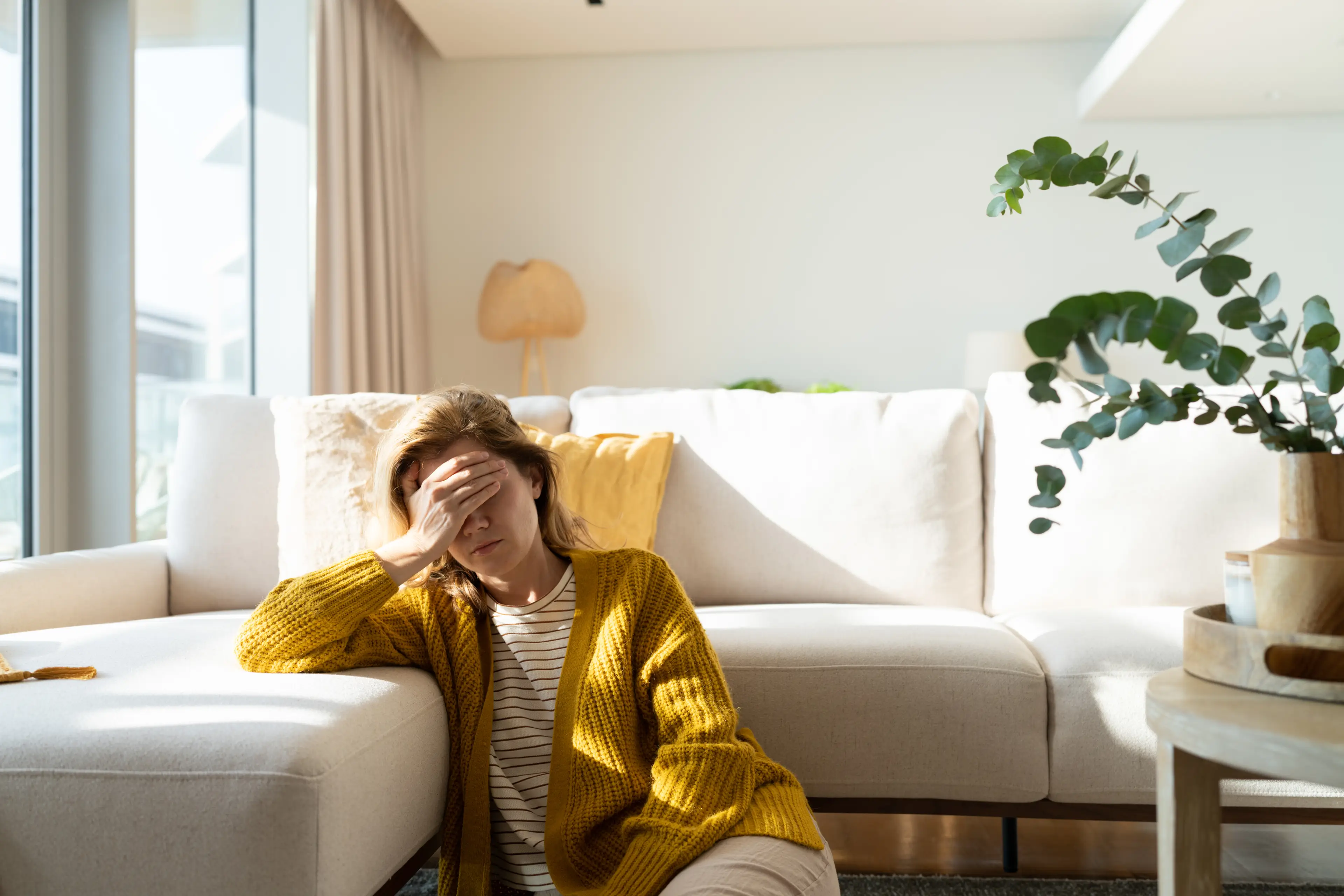
Like its depression counterpart, this type of drug when the patient is under the influence can 'affect mood and judgement', whilst also triggering drowsiness.
Sleeping tablets
The final type of medication on the 'do not drink' list is sleeping tablets - either the type prescribed from a doctor, or those bought over the counter.
As Grayson explained, this is due to the increased risk of drowsiness, as well as the risk of the patient - if of an older age - suffering from a fall.
On top of this, she added: "Alcohol also disrupts normal sleep patterns, reducing the overall benefit of the medication."
More broadly, drinking should be avoided alongside the consumption of any type of drug that has sedative side effects.
"These include opioid painkillers, gabapentin [an epilepsy drug], other epilepsy medications, and sedating antihistamines like Piriton or Nytol," the pharmacist continued. "Mixing these can dangerously increase drowsiness and impair coordination or alertness."
 Rhianna Benson