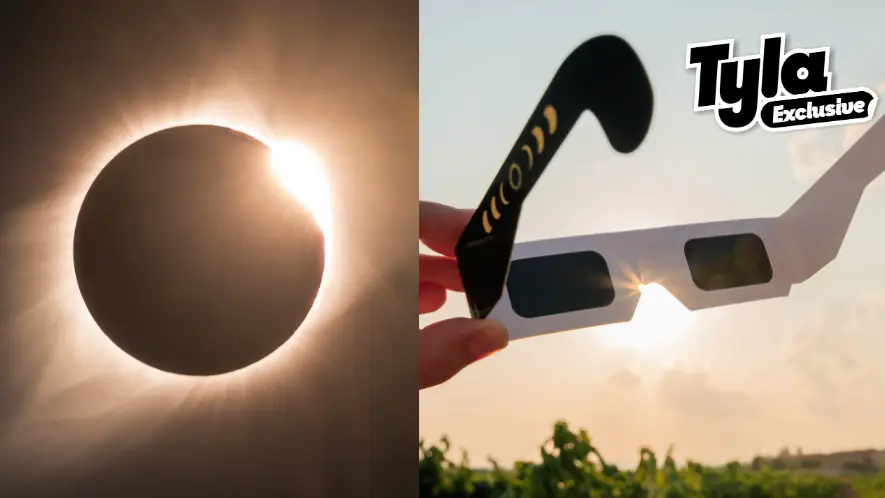
Millions believe ‘common myth’ that could cause serious eye issue during rare solar eclipse this week

As the UK prepares to watch the next solar eclipse, an eye surgeon has warned that even a sliver of uncovered Sun can cause lasting damage to your vision.
But with excitement building ahead of the eclipse, which is set to take place on Wednesday (12 August), eye experts are warning viewers not to underestimate the risks of looking at the spectacle without proper protection.
Mr Mfazo Hove, Consultant Ophthalmic Surgeon and Founder of Blue Fin Vision, exclusively told Tyla a little more about how to best look after our peepers during the rare cosmic event.
Is it ever safe to look directly at a solar eclipse?
"If you are watching from the UK, the simple answer is no, not without proper eclipse glasses," the expert warned. "This is a partial eclipse here, which means part of the Sun will remain visible throughout.
Advert
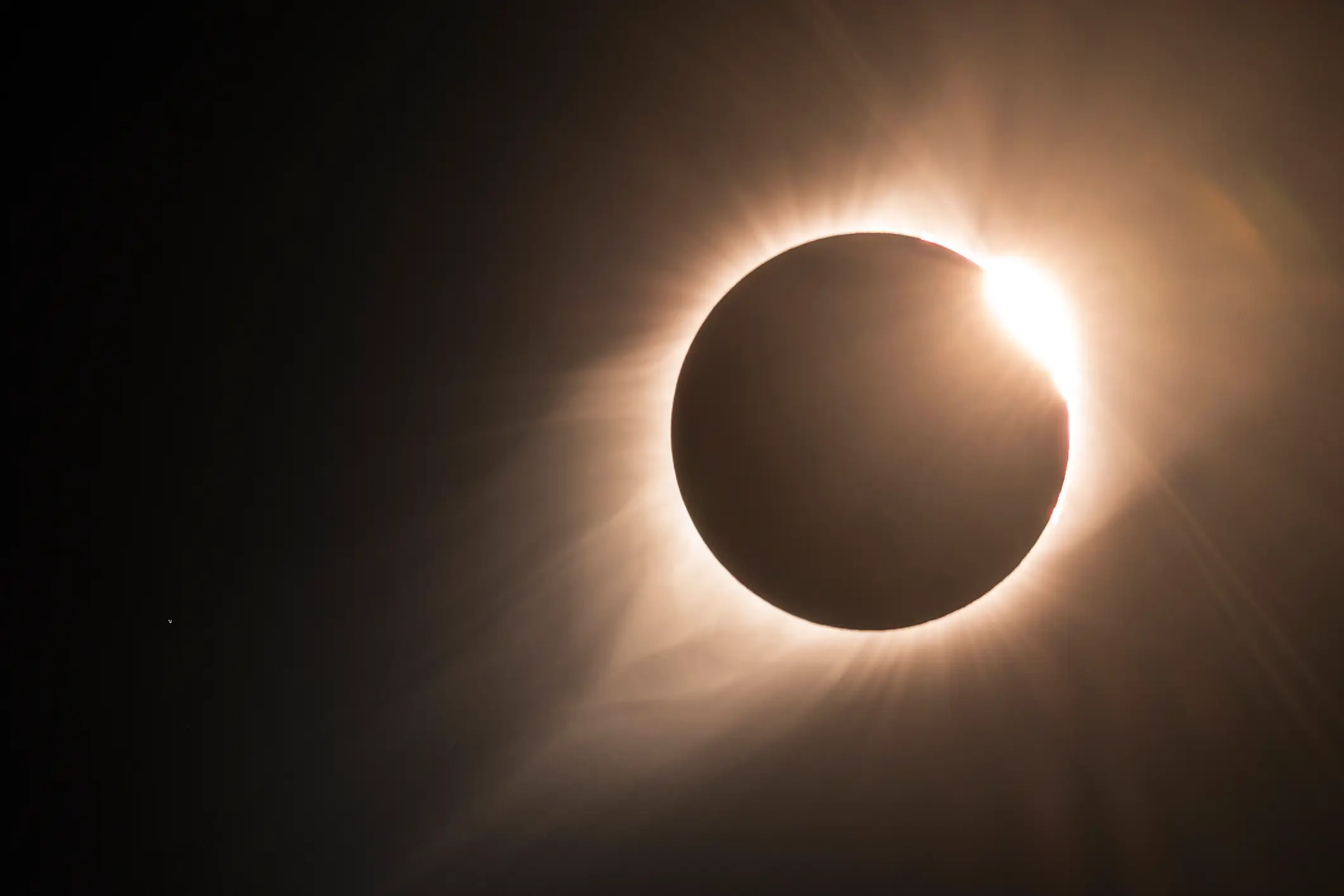
"The Sun does not become safe to look at just because most of it is covered. Even a very thin crescent is bright enough to damage your eyes."
Mr Hove outlined, however, that there is one exception, which is during the very brief moment of complete ‘totality’ in places where the Moon fully covers the Sun.
"But we will not experience totality in the UK, so viewers here should keep their eclipse glasses on whenever they look towards the Sun," he added.
How can people watch it safely?
According to the expert, the safest way is to watch an official livestream or use an indirect method, such as a pinhole projector, as this lets you see an image of the eclipse on a piece of card or the ground without looking towards the Sun itself.
A colander can also project lots of little crescent-shaped Suns onto the ground.
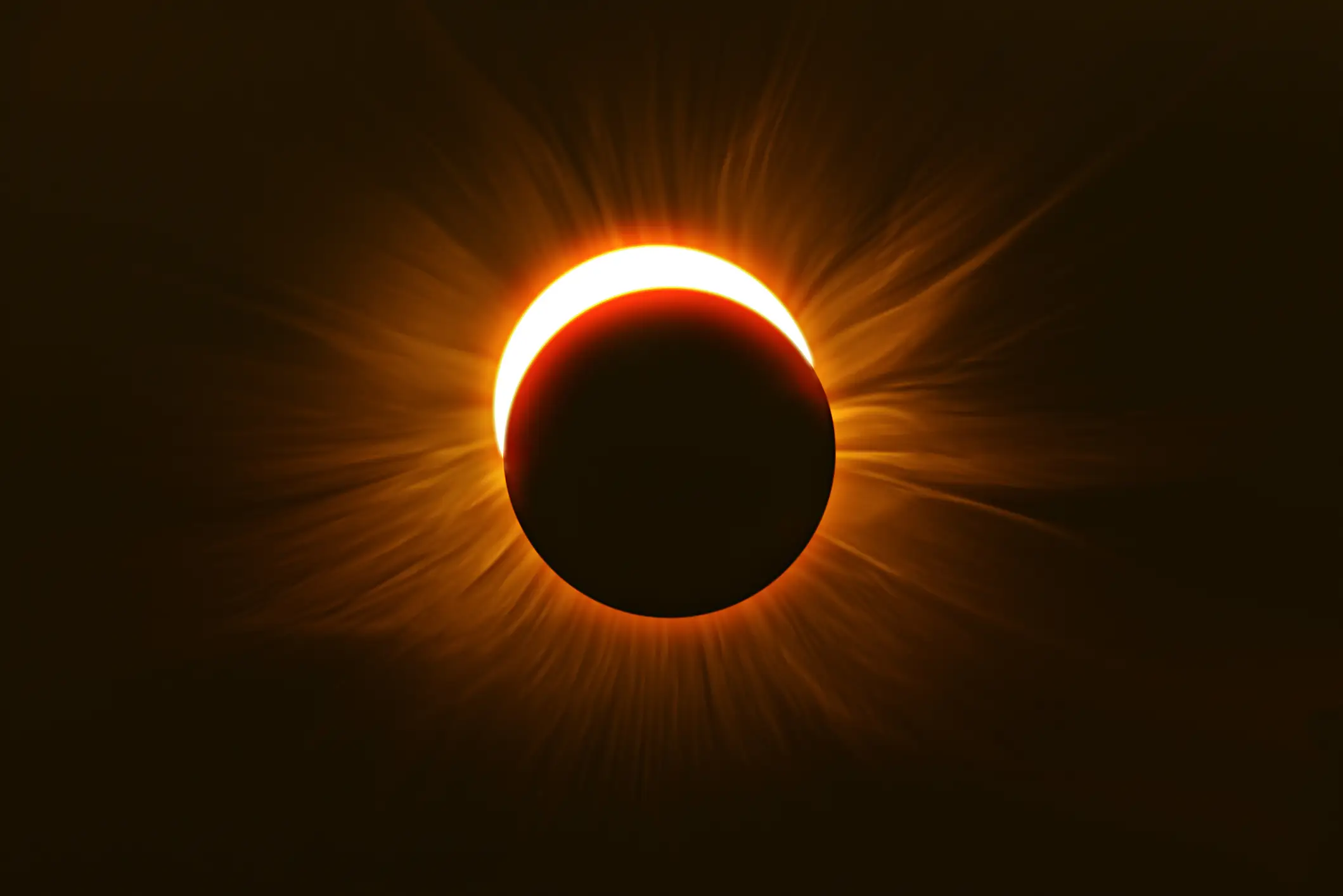
"If you want to look at the eclipse directly, use genuine eclipse glasses that comply with the ISO 12312-2 international safety standard, purchased from a reputable supplier," Mr Hove suggested. "Check them carefully before use. If they are scratched, torn, punctured or damaged, do not use them.
"Put the glasses on before looking up, and turn away from the Sun before taking them off. If you normally wear glasses, keep them on and place the eclipse glasses over the top."
Why aren’t ordinary sunglasses safe, even very dark ones?
"Eclipse glasses are not simply darker sunglasses," Mr Hove says, busting the solar eclipse common myth. "They are specially made to block the extremely intense light produced by the Sun.
"Ordinary sunglasses are designed to protect your eyes from everyday sunlight and glare. They are not designed to make it safe to stare directly at the Sun. Even very dark sunglasses let far too much light through."
The expert adds that wearing two pairs of sunglasses does not work either, and neither do homemade alternatives such as smoked glass, camera film or tinted plastic.
"They may make the Sun look dimmer, but that does not mean your eyes are protected," he explained.
What is solar retinopathy?
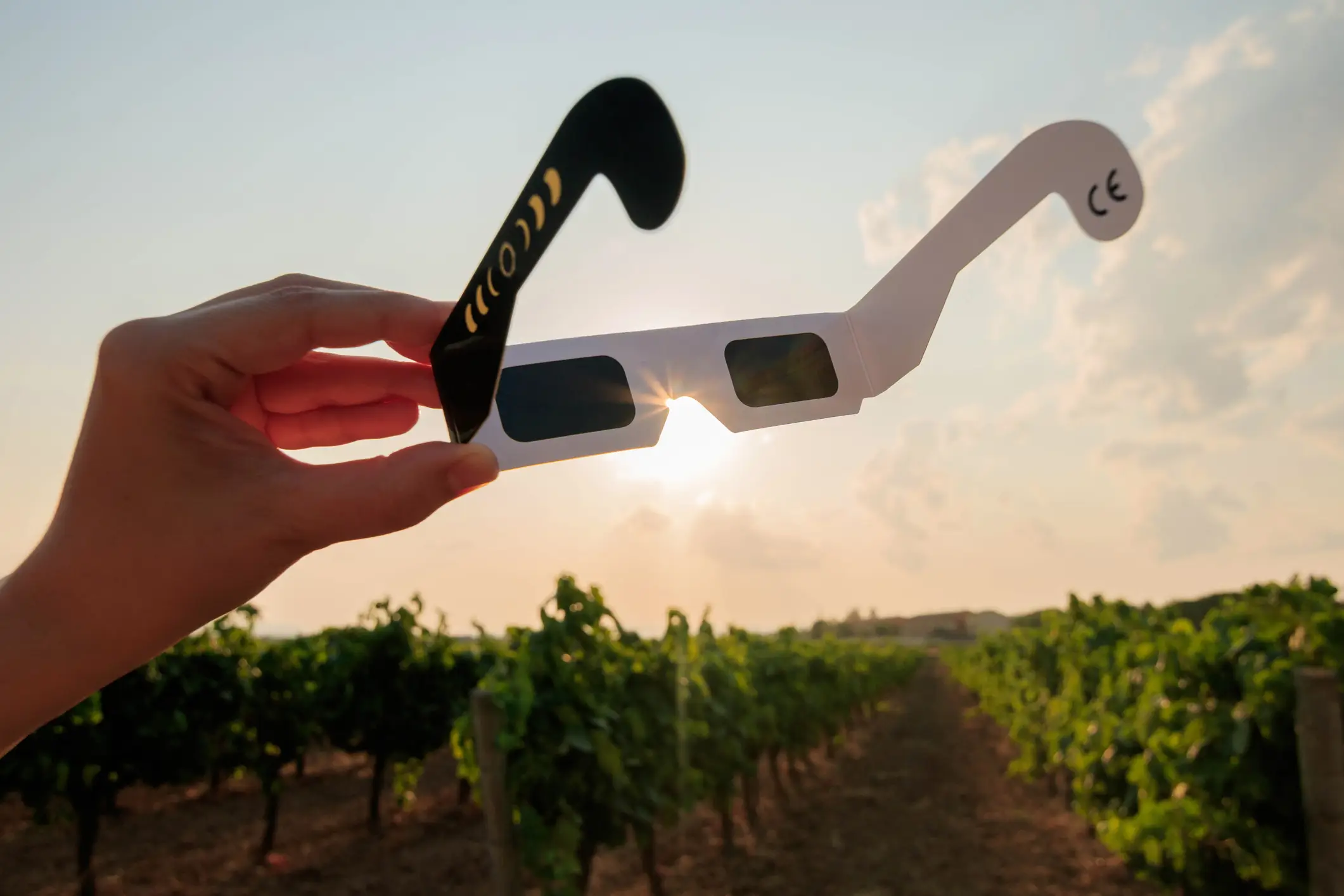
Mr Hove tells Tyla that solar retinopathy is damage to the light-sensitive tissue at the back of the eye, called the retina.
"When you look directly at the Sun, the eye’s optical system focuses its intense light onto the central retina, where that light energy can damage the photoreceptors and surrounding retinal tissue," he said.
The damage can affect the centre of your vision, the part you rely on for reading, driving and recognising faces.
Additionally, it can cause blurred vision, a dark or grey patch in the middle of your sight, colours appearing different or straight lines looking bent or wavy.
"The frightening thing is that it is usually painless. The retina does not have pain receptors, so you may not realise anything has happened while you are looking at the eclipse," he added.
"Some people’s sight improves over the following weeks or months, but more serious damage can leave a permanent blind spot or reduction in their central vision. There is no proven treatment that can undo established solar retinal damage, so prevention really is essential."
How can parents help children watch safely?
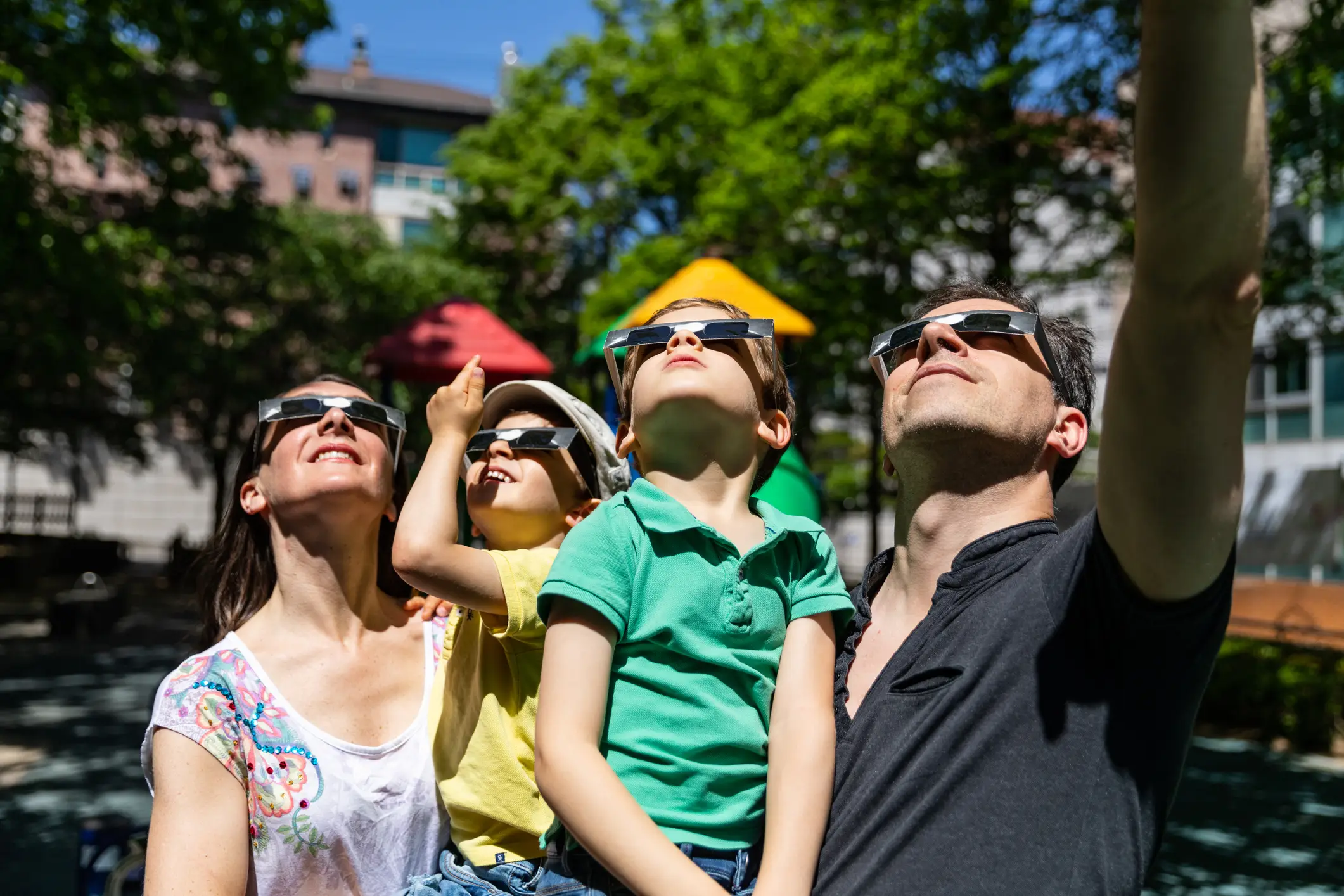
Mr Hove urges parents to keep their children closely supervised throughout the eclipse.
He outlined: "An adult should check that their eclipse glasses are undamaged and fit properly, then show them exactly what to do: put the glasses on before looking up and turn away before removing them.
"Children can be tempted to lift the glasses or peek over the top, so an adult needs to stay with them rather than simply handing them a pair.
"If a child is too young to understand the instructions or will not keep the glasses on, use a pinhole projector or watch a livestream together instead. They can still enjoy the event without taking any risks."
What should someone do if they think they have damaged their eyes?
The expert recommends stopping looking at the Sun immediately and not looking again to ‘test’ your eyes.
“If you notice blurred or distorted vision, a dark patch, unusual colours or any other change in your sight, seek urgent advice from an optometrist, ophthalmologist or eye-casualty service. In the UK, NHS 111 can direct you to the appropriate urgent service," Mr Hove advised.
"Do not be reassured simply because there is no pain, and be alert for symptoms appearing later. If you develop sudden or severe loss of vision, seek emergency medical assessment immediately. Do not drive yourself if your vision has been affected."
Topics: Health, Space, Tyla Exclusive, UK News, Life
 Rhiannon Ingle