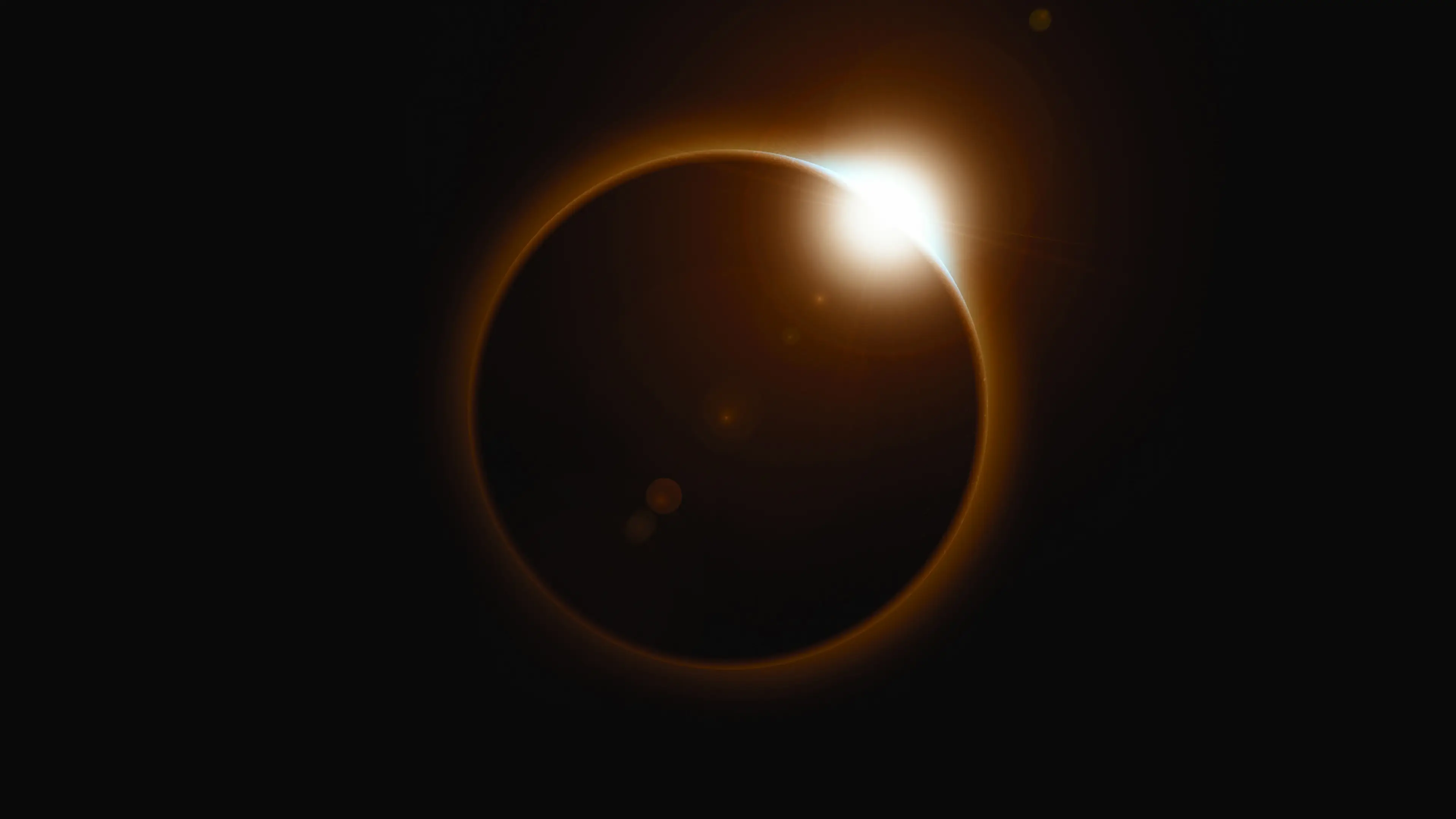
Reason why you can’t use your phone to watch tonight’s rare solar eclipse, NASA explains

Stargazers are in for a real treat as the solar eclipse is happening tonight (12 August).
The UK is set to see a spectacular partial solar eclipse this evening, with the Moon covering around 90% to 96% of the Sun depending on where you are, per Royal Museums Greenwich.
The main event is actually a total solar eclipse, but the UK sits just outside the narrow path of totality.
Without getting too science-y, a solar eclipse happens when the Moon passes between Earth and the Sun, blocking some or all of the Sun from view. During a total eclipse, the Moon completely covers the bright face of the Sun, briefly revealing its outer atmosphere, known as the corona.
Advert
And yes, this is a pretty big deal.
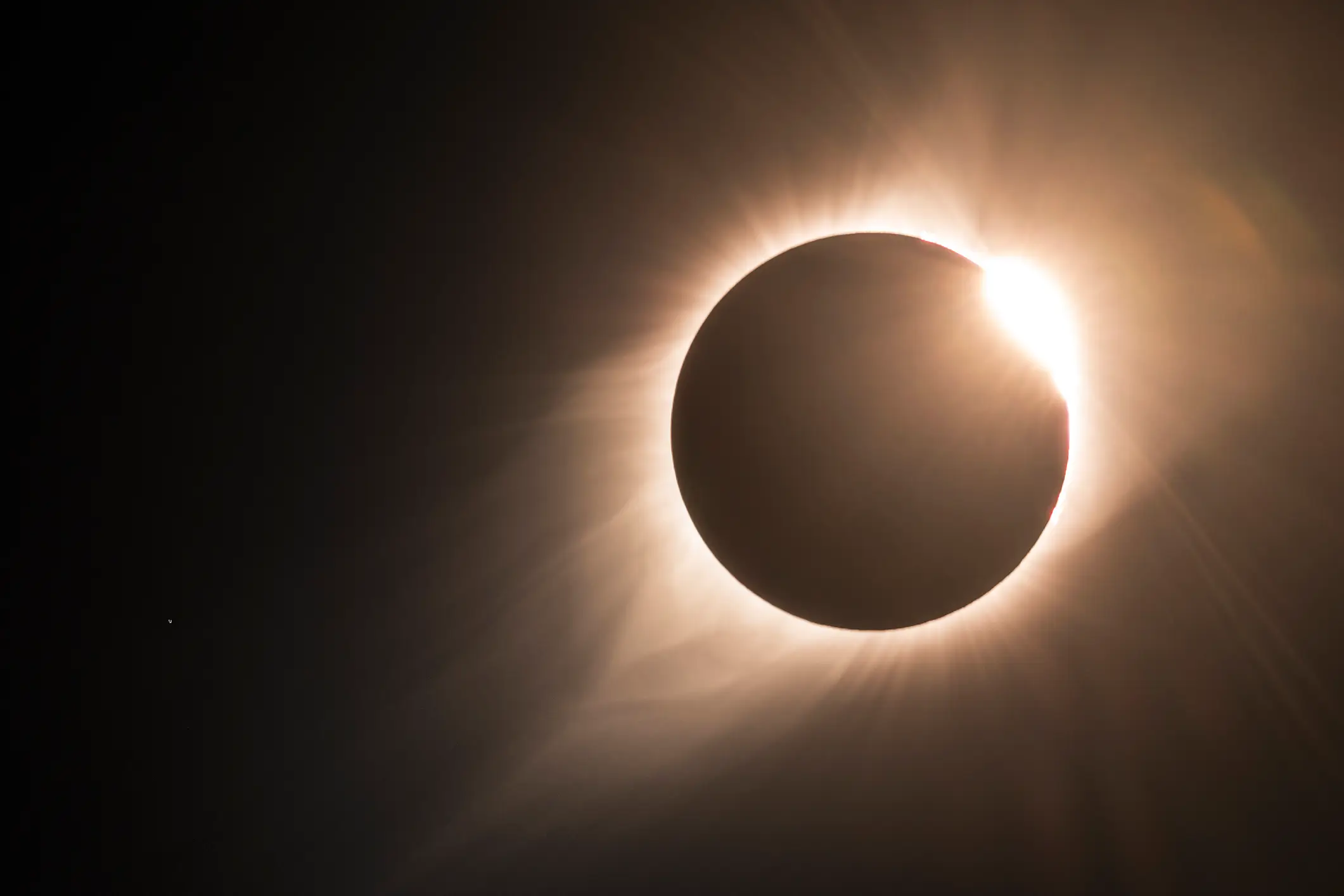
There are between two and five solar eclipses somewhere on Earth every year, but the path where a total eclipse can actually be seen is tiny.
NASA says total solar eclipses happen somewhere on Earth roughly every 18 months, while total eclipses are seen from any particular place only about once every 360 to 400 years.
The next one visible from the UK won't happen until 23 September 2090, per the BBC.
Tonight's eclipse is therefore the closest thing Britain is getting to totality for a very long time - so you can understand why many people will be tempted to take one, or a few dozen, snaps.
If you were planning to point your phone at the Sun to get a quick video for TikTok, there’s one rather important problem: your phone camera needs protecting too.
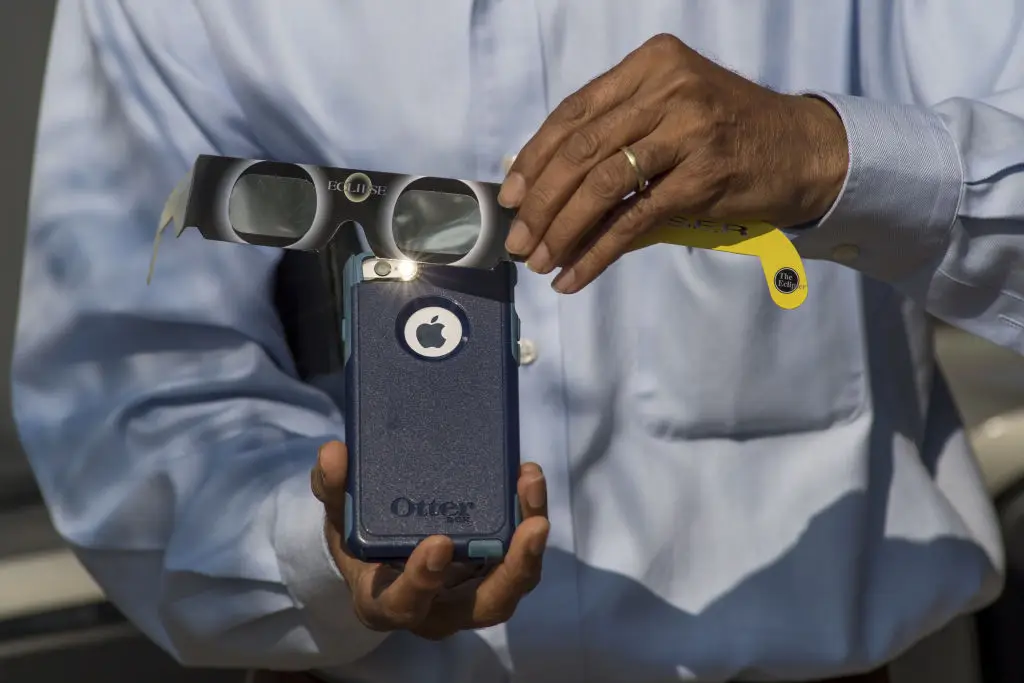
NASA advises that anyone photographing a partially eclipsed Sun needs a special solar filter for their camera, just as they need proper solar viewing glasses for their eyes.
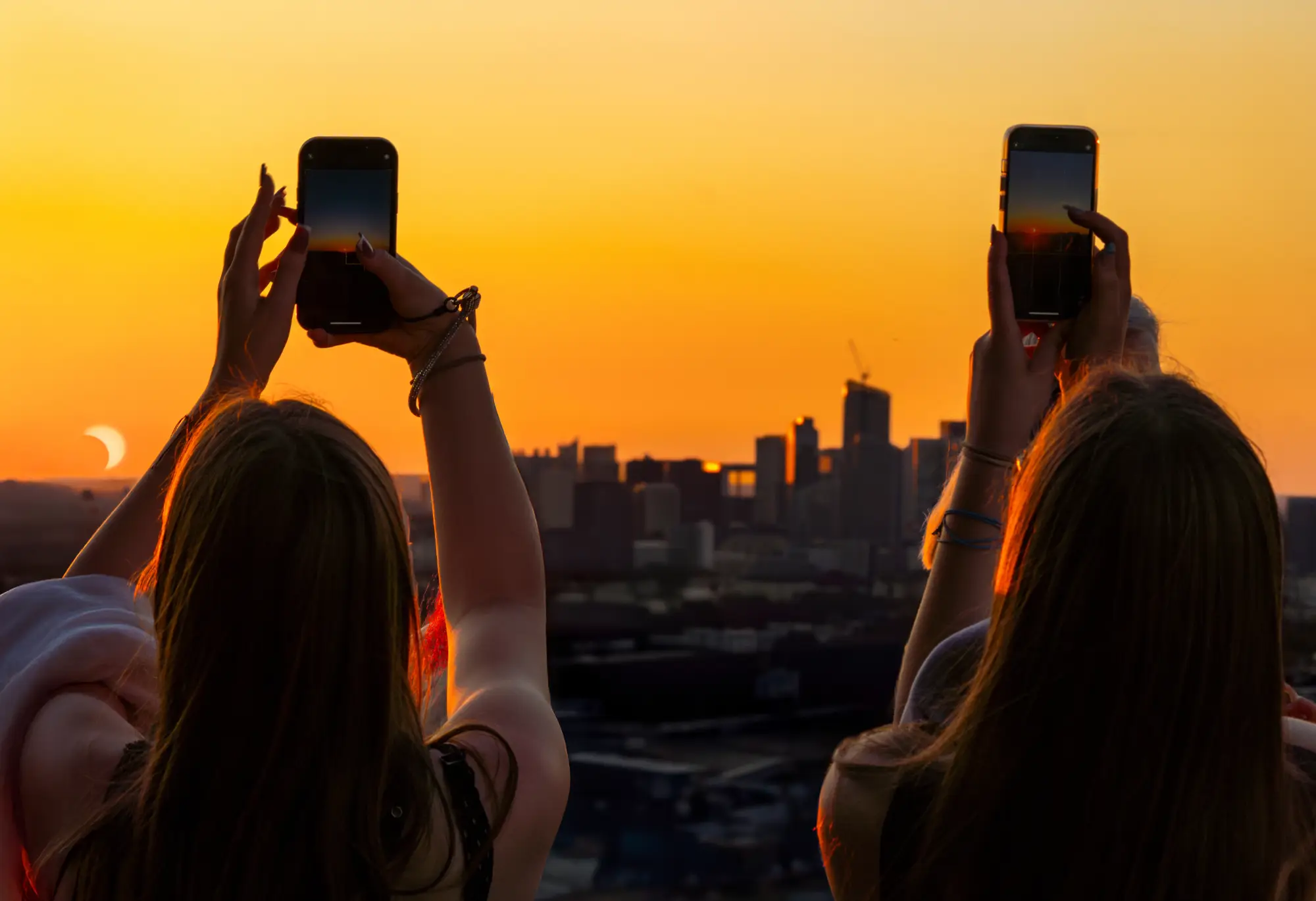
"To take images when the Sun is partially eclipsed, you'll need to use a special solar filter to protect your camera, just as you'll need a pair of solar viewing glasses (also called eclipse glasses) to protect your eyes," NASA warns.
NASA also warns that the intense sunlight can damage your phone's camera sensor if you point it directly at the Sun: "This is especially true if you're using any sort of magnifying lens attachment on the phone.
"You would need to utilise the proper filters just like on any other camera."
NASA added: "The best practice would be to hold a pair of eclipse glasses in front of your phone’s lenses when photographing the Sun at any point other than totality."
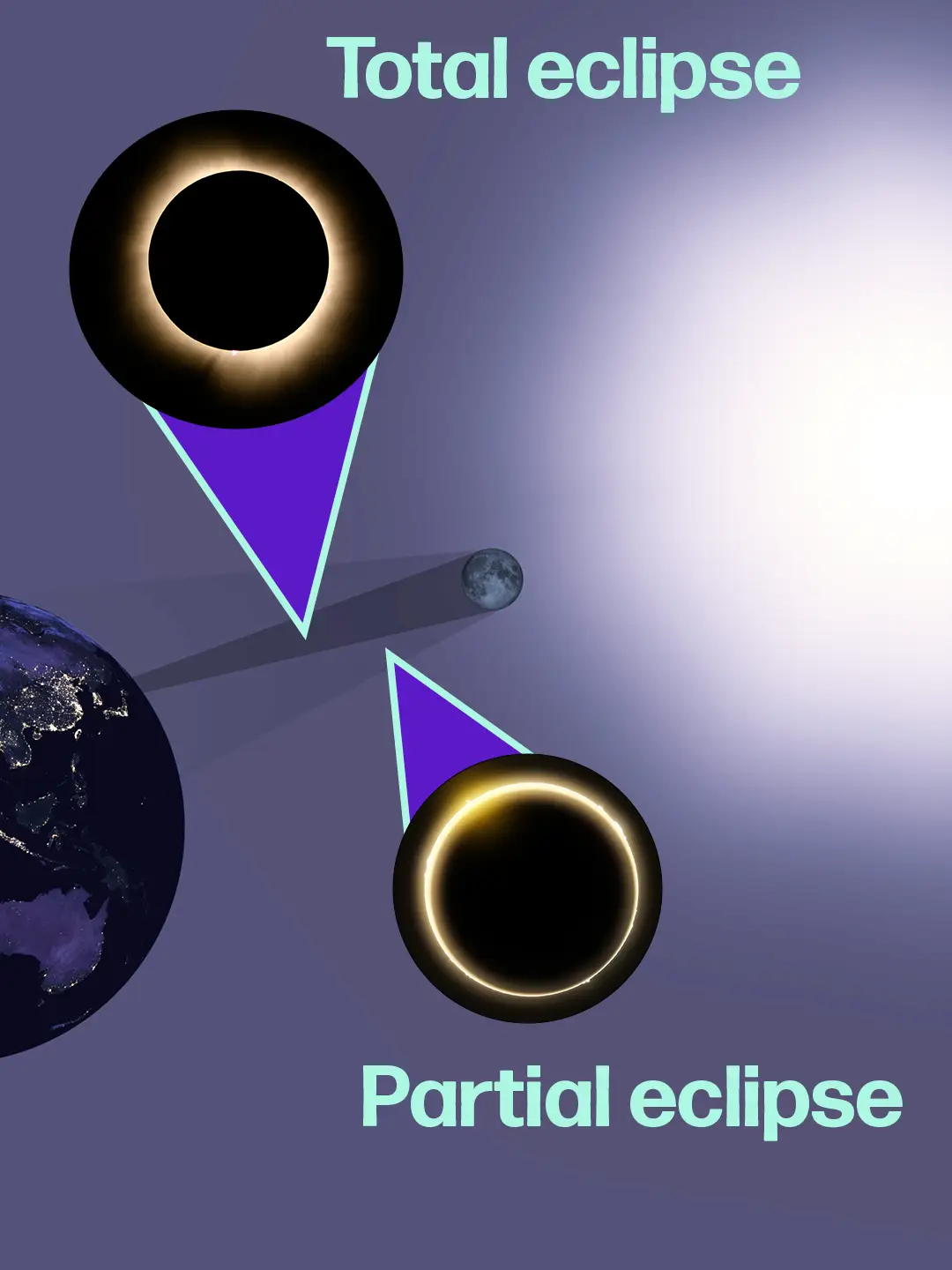
What is a solar eclipse?
A solar eclipse is when the Moon passes in front of the Sun, blocking out its light. There are several reasons why this doesn’t happen very often.
Firstly, the Moon and the Sun need to be on the same side of the Earth. In other words, the Moon needs to be in the daytime sky, i.e. a New Moon.
The Moon’s orbit also doesn’t line up with the Earth’s - it’s tilted by about five degrees. This means that usually the Moon passes over or under rather than in front of the Sun.
In fact, solar eclipses only occur twice a year, about every 173 days, in what are called eclipse seasons. Each eclipse season lasts about 35 days.
Many solar eclipses pass unnoticed.
This is because the Moon only casts a small shadow on the Earth, known as the path of totality.
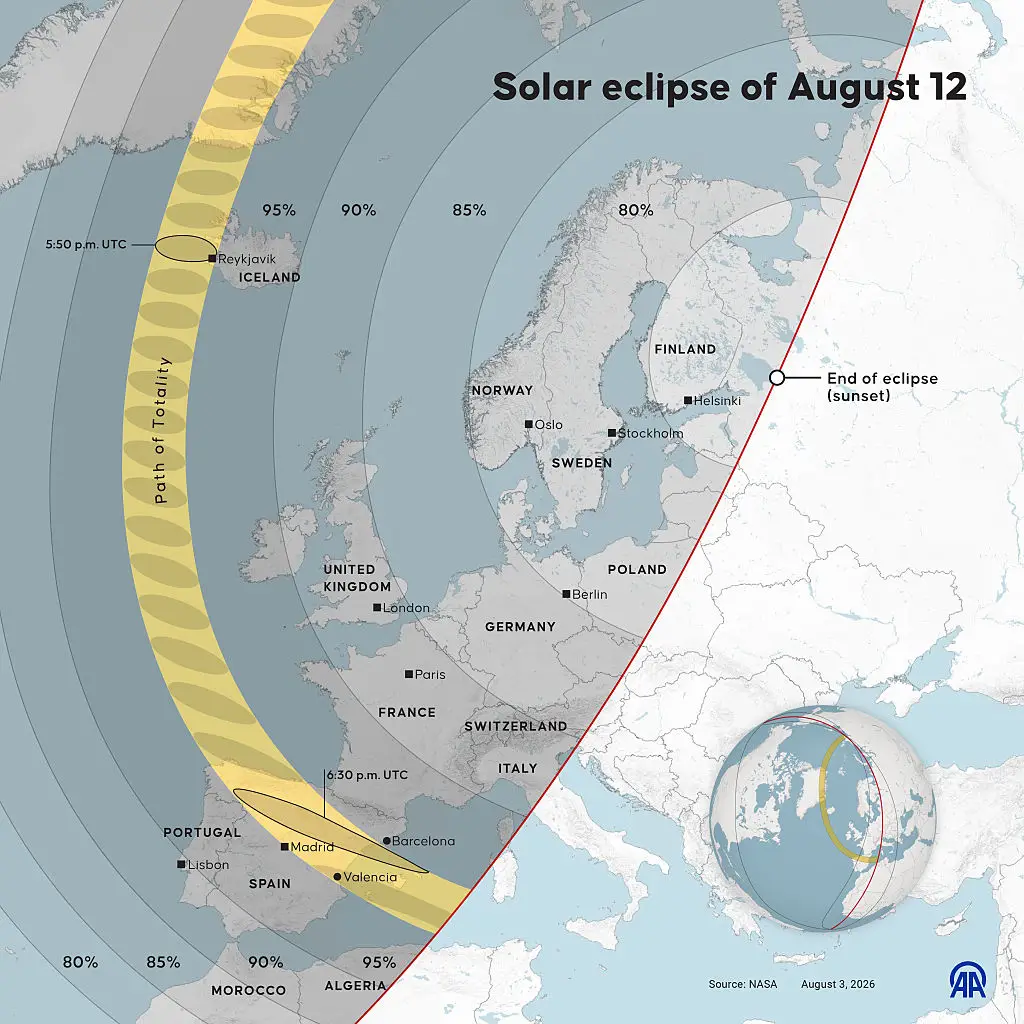
You need to be directly in the path of totality to see a full eclipse, and nearby to catch a partial eclipse.
Topics: Advice, Space, UK News, Technology, iPhone
 Rhiannon Ingle