
Gynaecologist reveals how to reverse one hormonal problem that impacts millions of women

A gynaecologist has shared her expertise on how to 'reverse' Polycystic Ovary Syndrome (PCOS), a hormonal condition that impacts millions of women across the globe.
Speaking on the Jay Shetty Podcast last week (11 March), Dr Thaïs Aliabadi, or 'Dr A', explained that PCOS, a condition shaped by insulin resistance, hormonal imbalance, chronic inflammation, and neurological disruption, is frequently overlooked, leaving many women dealing with anxiety, depression, weight gain, irregular periods, and infertility without clear answers.
She points to insulin resistance as the 'first domino', setting off a chain reaction that affects everything from ovulation to mood, and stresses that real progress comes from addressing all four pillars rather than simply masking symptoms with birth control.
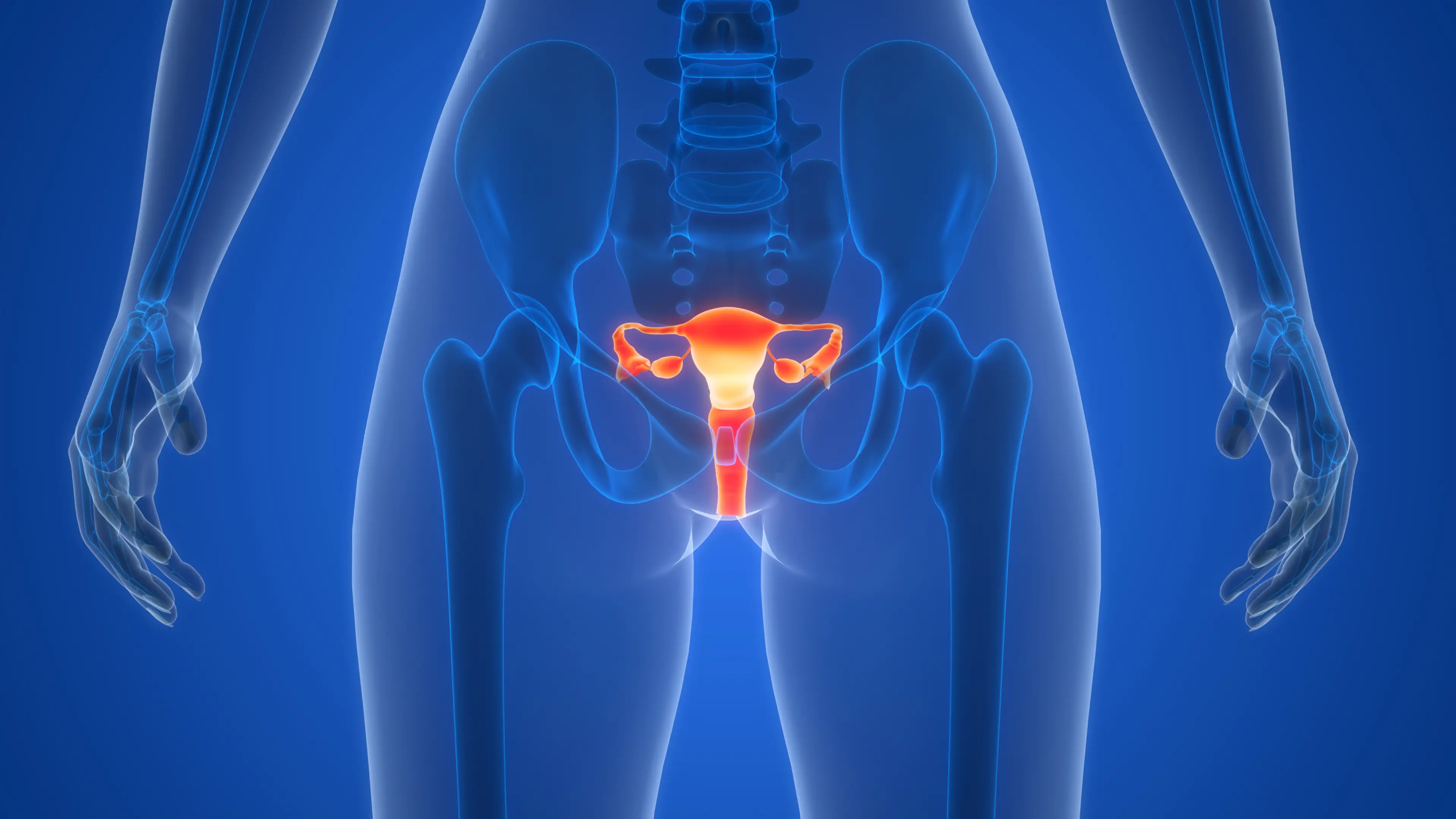
What are the symptoms of PCOS?
PCOS is a common condition that affects how a woman's ovaries work.
Advert
The NHS outlines that the three main features of PCOS are:
- irregular periods – which means your ovaries do not regularly release eggs (ovulation)
- excess androgen – high levels of "male" hormones in your body, which may cause physical signs such as excess facial or body hair
- polycystic ovaries – your ovaries become enlarged and contain many fluid-filled sacs (follicles) that surround the eggs (but despite the name, you do not actually have cysts if you have PCOS)
If you have at least two of these features, you may be diagnosed with PCOS.
Dr A states that diagnosis 'takes an average of nine to 11 years' with women told their pain is psychological before they’re ever taken seriously.

Why PCOS often goes undiagnosed
Explaining why PCOS often goes undiagnosed, Dr A outlined: "It's multiple reasons."
She stated that doctors 'don't know enough' about the condition, adding that different patients present their symptoms differently.
"Some are lean, some are overweight, some have irregular periods, some have acne, some have hair loss, some have facial hair and some have body hair," she explained. "They present differently. So, it's very confusing to doctors."
Dr A added that such symptoms affect a patient's entire body.
"It's not just a fertility issue, it's not just a period issue, it's a total body issue," she said. "It affects your mental health, it affects your reproductive health, it affects you metabolically, it affects your hormones.
"And until [doctors] address every single underlying pillar of the driver of these symptoms, [they] can't make these patients feel better."
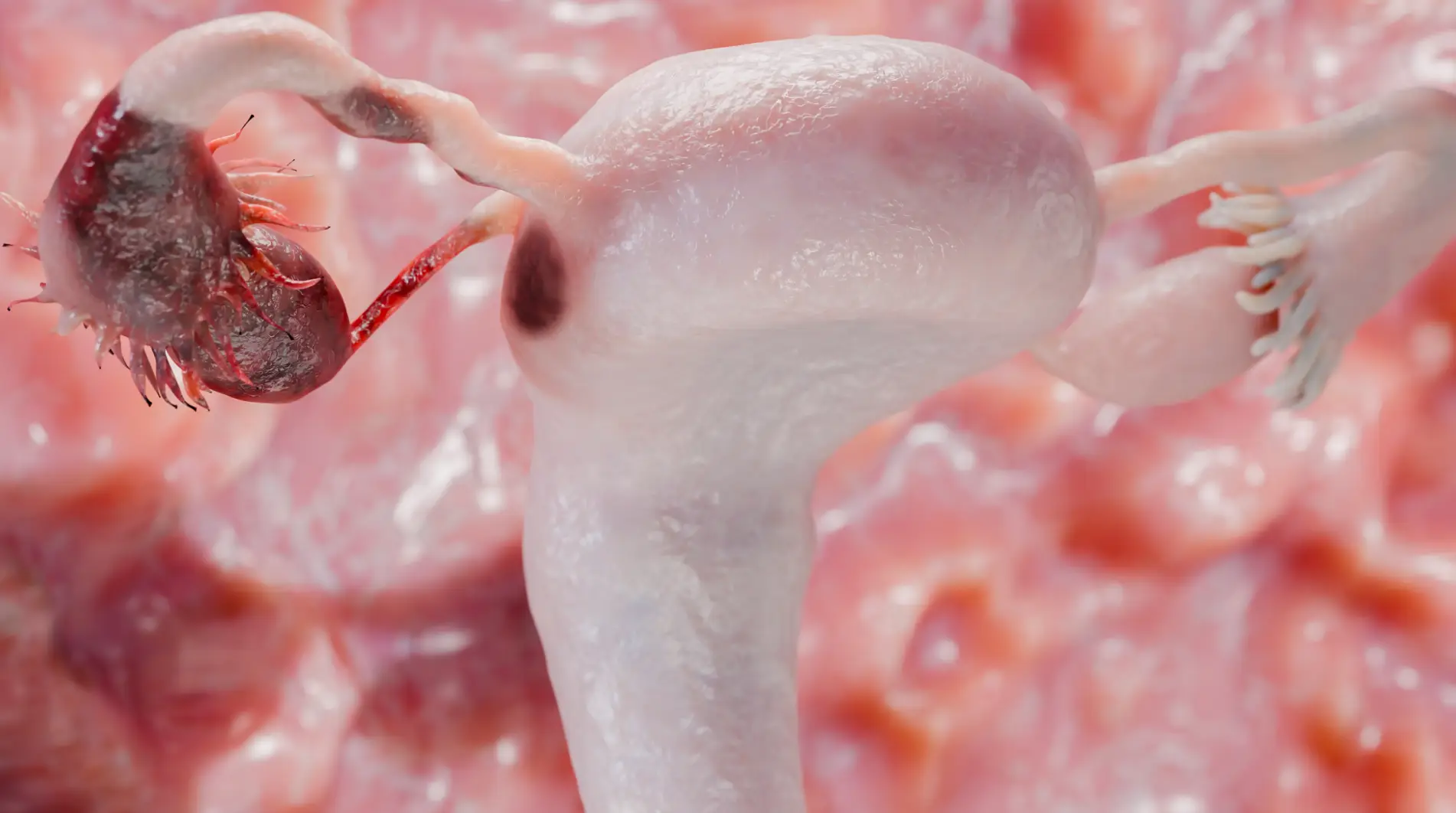
Can you 'reverse' PCOS?
Dr A claims that PCOS can be 'reversed' or managed by addressing its root cause: insulin resistance.
While many believe PCOS is just a gynaecological or fertility issue, the expert explains it as a metabolic disorder driven by insulin resistance, which acts as the 'first domino', causing a chain reaction of hormone imbalance.
In the podcast, the gynaecologist explained that when we eat carbohydrates, the body breaks them down into glucose, which triggers insulin release. Insulin should help move sugar into cells for energy.
In PCOS, however, the cells resist that signal with sugar staying in the bloodstream, and insulin levels rising.
"Insulin is a fat storage hormone. It’s an inflammatory hormone," Dr A explained.
High insulin tells the liver to store excess sugar as fat, mainly visceral fat around the organs, which is highly inflammatory.
It also pushes the ovaries to produce androgens, disrupting the menstrual cycle from the start.
"This is the first domino," the expert continued.
In a normal cycle, the brain and ovaries work in sync through hormones like oestrogen, leading to ovulation, but in PCOS, androgens interfere with this process.
Dr A said: "You start getting this environment of high androgens and irregular oestrogen secretions."
Ovulation is often blocked, periods become irregular, and the hormonal imbalance begins to affect mental health.
Most PCOS patients do not ovulate regularly, even if cycles appear normal.
"It becomes a vicious cycle that doesn’t stop," Dr A added.

What are some PCOS treatments?
Dr A's website outlines several possible treatments for PCOS, explaining that while it cannot be cured, a mixture of medication and lifestyle changes can lessen symptoms.
One possible treatment is the use of insulin-sensitising drugs.
"These drugs are normally used to treat patients with diabetes, but they can help women with PCOS by facilitating the body’s response to insulin," Dr A writes. "They can also help jumpstart ovulation by reducing levels of androgens, which helps put the menstrual cycle back on track."
Find out more about PCOS on the official NHS website here.
Topics: Advice, Explained, Health, Life, NHS, Sex and Relationships, Women's Health, Periods
 Rhiannon Ingle