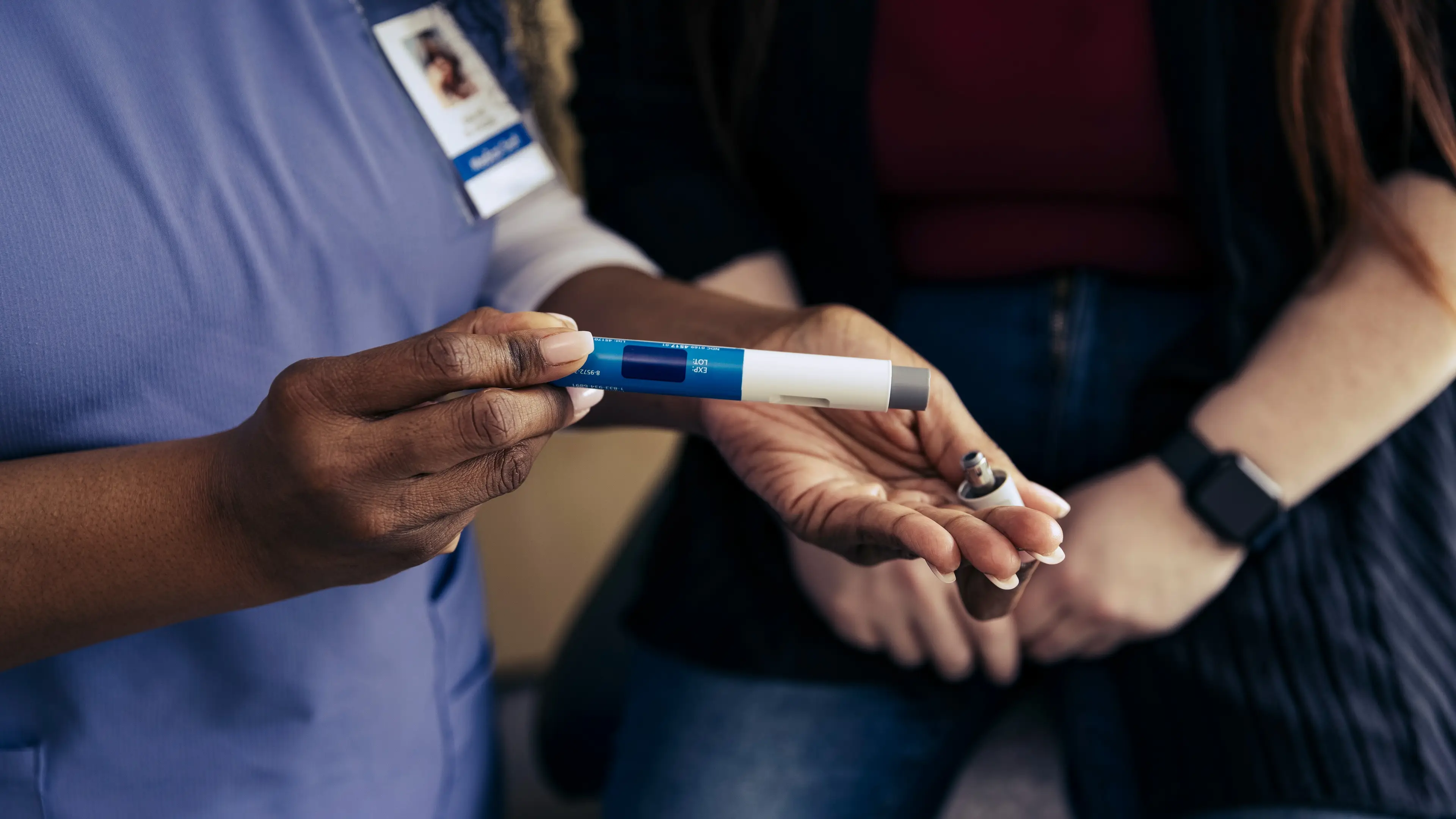
Weight loss drugs can actually cost users more than the money they pay for them

It's no secret that weight loss drugs have been soaring in popularity in recent years.
More and more people around the world are trying the likes of Mounjaro, Wegovy or Ozempic in an effort to shed the pounds, although it's important to note that the latter is only approved for treating type 2 diabetes.
The GLP-1 medicine, which comes in the form of a weekly injection, works by making users feel fuller for longer and therefore less hungry.
However, unless you've been prescribed the drug by the NHS, they can come with a highly costly price tag for those choosing to go private.
Advert
One Mounjaro user recently told Tyla how he's been forking out a whopping £275 a month for a weekly 7.5mg dose of the medication.
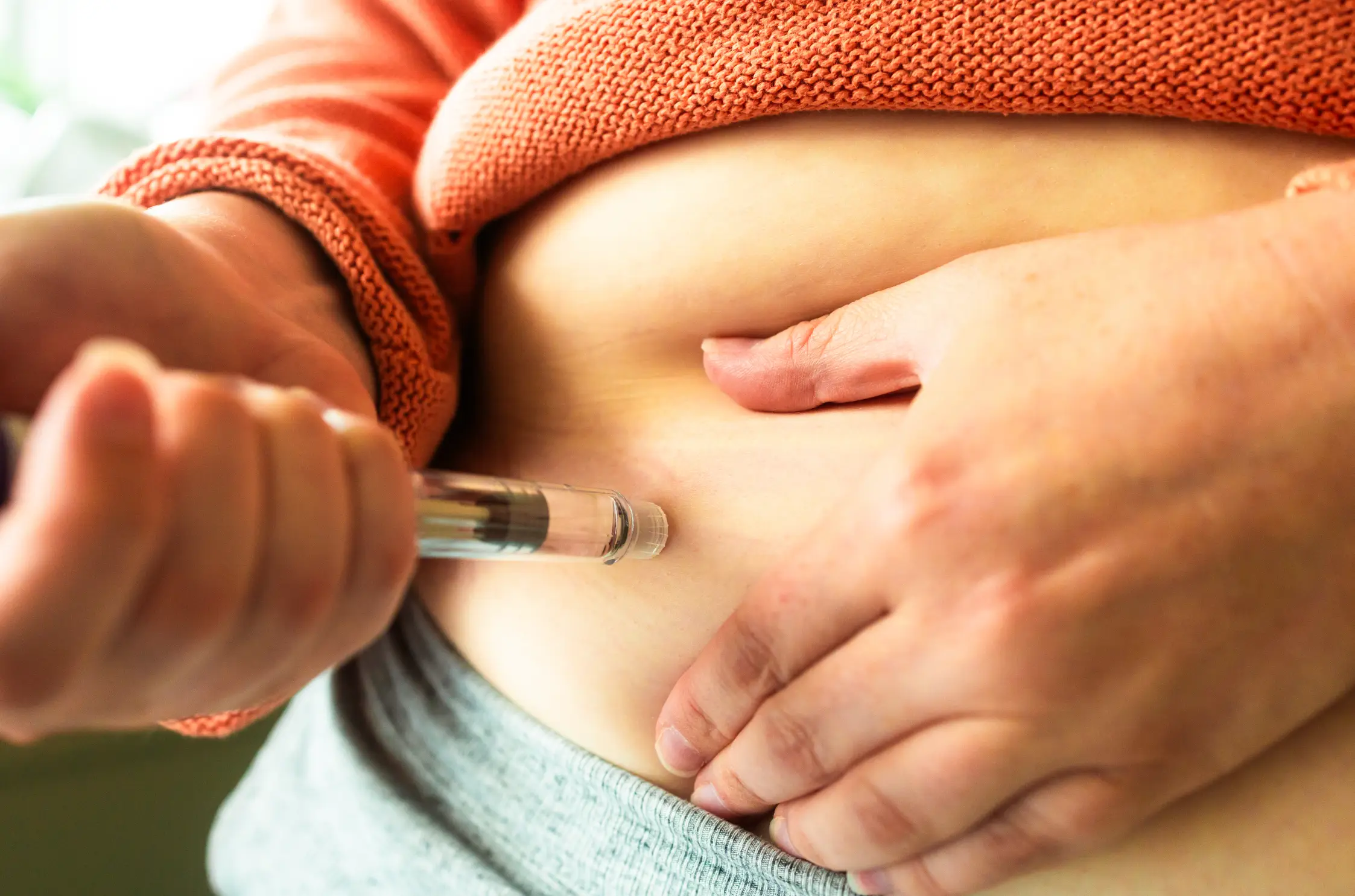
And it turns out that the literal price for the drug isn't the only way users might be parting with their cash.
Experts have outlined how people taking semaglutide may spend money on medications to manage their side effects, new clothing that fits, as well as fitness equipment and other additional expenses.
Dr Christopher McGowan, a gastroenterologist, obesity medicine specialist, and the founder of True You Weight Loss, told Healthline: "For most patients, the benefits of the medication will likely outweigh most of these concerns, but it’s vital that patients understand the costs that could accumulate during treatment."
He explained: "Some patients may have severe gastrointestinal symptoms that necessitate emergency room visits, clinic appointments, and the need for IV hydration. Missed work due to side effects may result in financial impact."
A recent Annals of Internal Medicine study reported that nearly 25,000 ER visits in the US between 2022 and 2023 were linked to GLP-1 medications.
Now, according to Mira Health, an ER visit in the US averages a whopping $2,715 (£2,038) in 2025 and without insurance, this number can exceed this, while with insurance, out-of-pocket costs are typically between $400 (£300) to $650 (£488).
Meanwhile, Dr Katherine H. Saunders, an obesity expert, co-founder of Intellihealth and clinical assistant professor of Medicine at Weill Cornell Medicine, also gave her verdict on the situation.

She told Healthline: "They also spend money on fitness equipment and gym memberships because cardio and strength training are critical strategies to preserve muscle mass and maintain weight loss long-term."
The expert added: "Our patients definitely spend money on new clothing as they lose weight. One inch on the waist is roughly equivalent to eight pounds of lost weight."
Of course, these are all circumstantial and not everyone is going to run out and immediately buy a fitness bike or sign up to a new gym.
Nor are they guaranteed to throw their whole wardrobe away and start from scratch, but, they are factors to consider as an unexpected ER visit could force you to part ways with your money.
It's also important to highlight some of the areas where you might be saving money, such as on groceries and takeaways if you're eating less food.
But again, if you're opting for a healthier diet, as is recommended on GLP-1 drugs, you may actually be forking out for a more expensive food shop.
Essentially, it all depends on you as a specific individual - but you're now aware of some of the potential costs, should they come up!
Tyla has contacted Eli Lilly and Novo Nordisk for comment.
 Madison Burgess